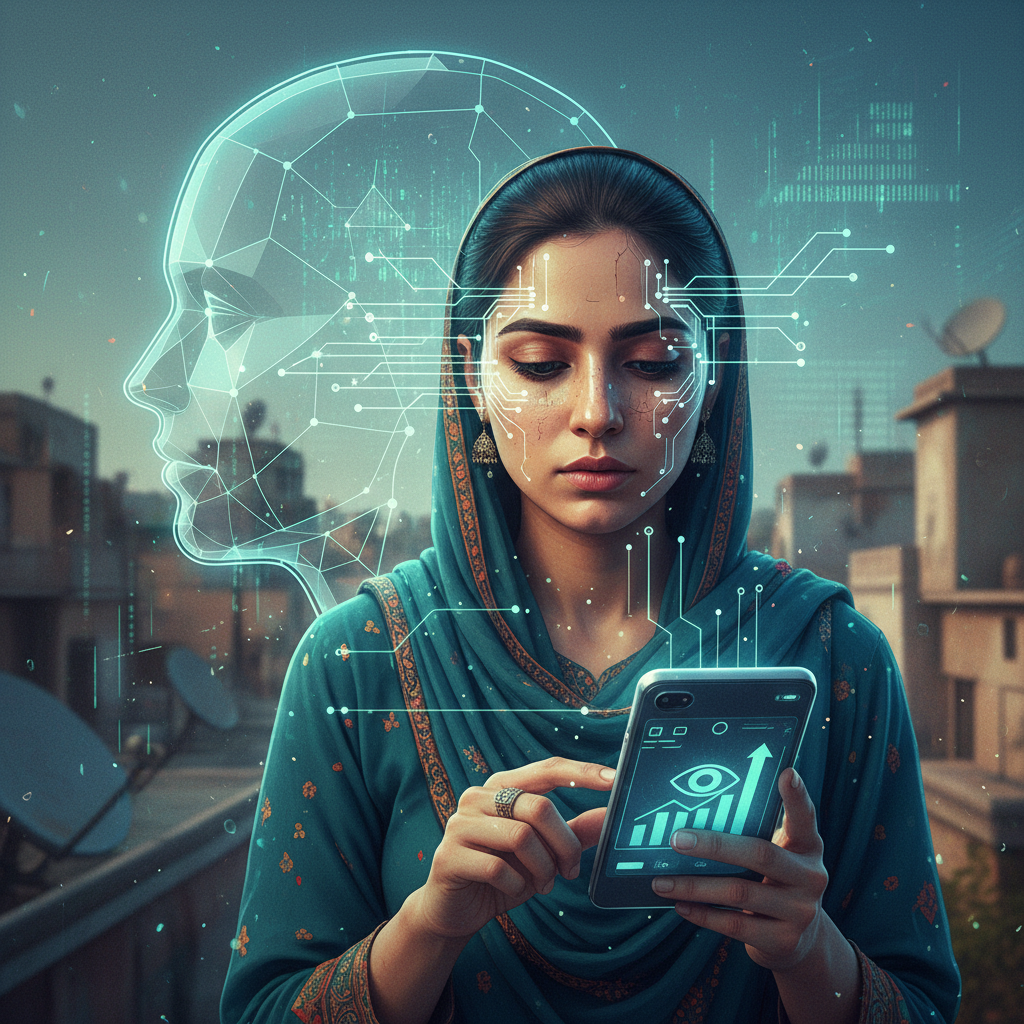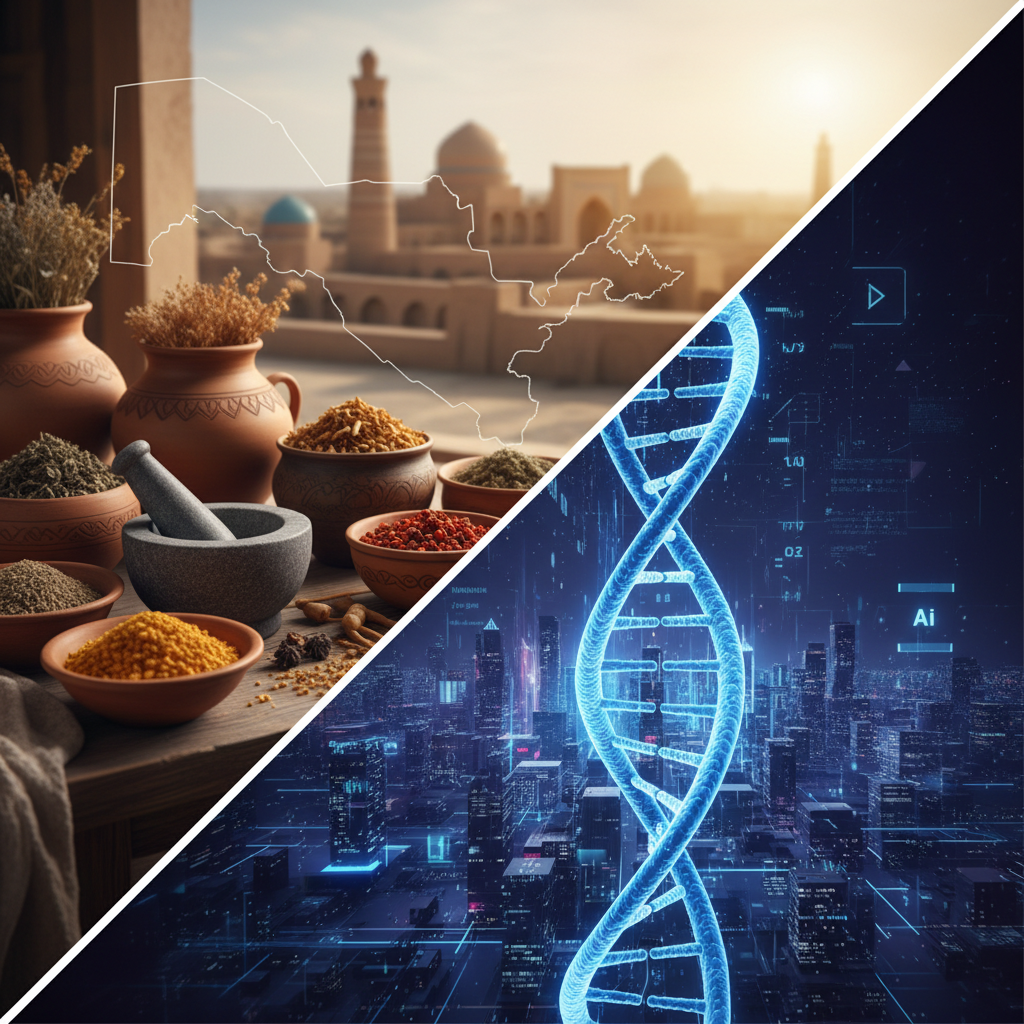
In our bustling bazaars, where the scent of spices mingles with the chatter of daily life, we often seek remedies passed down through generations. My grandmother, a wise woman with hands that knew every herb, always said, "One size never fits all, especially when it comes to health." She spoke of tailoring teas and poultices to the individual, a philosophy that feels remarkably modern in today's world of artificial intelligence. Today, we are witnessing a profound shift in medicine, moving away from a one-size-fits-all approach to something far more intricate and personal: AI-powered personalized medicine.
What Exactly Is AI-Powered Personalized Medicine?
At its heart, AI-powered personalized medicine, sometimes called precision medicine, is about making healthcare as unique as you are. Think of it this way: for centuries, doctors have largely treated diseases based on what works for the average person. If you have a headache, you get a standard painkiller. If you have a certain type of cancer, you receive a chemotherapy regimen that has shown efficacy in a broad patient population. But we are all different, truly. Our bodies react uniquely to medications, our genetic makeup predisposes us to different risks, and our lifestyles play an enormous role in our health.
AI-powered personalized medicine leverages artificial intelligence and machine learning to analyze vast amounts of data about an individual. This data includes their unique genetic code, their lifestyle choices, their medical history, environmental factors, and even the specific characteristics of their disease. By crunching these complex datasets, AI can identify patterns and make predictions that human doctors simply cannot, leading to treatments that are precisely tailored to that one person. It is like having a master tailor create a suit just for you, rather than buying one off the rack.
Why Should You Care?
Why does this matter to you or to a family in a small village nestled in the Fergana Valley? Because it promises to revolutionize how we prevent, diagnose, and treat illnesses, making healthcare more effective and less wasteful. Imagine if a doctor could predict with high accuracy which medication would work best for your specific type of diabetes, avoiding months of trial and error. Or if a screening could identify your personal risk for a certain cancer years in advance, allowing for early intervention. This is not science fiction; it is becoming our reality.
For regions like Central Asia, where healthcare infrastructure can sometimes be stretched, this technology holds immense promise. It could mean more efficient use of resources, better patient outcomes, and a significant reduction in the burden of chronic diseases. It is about bringing world-class, individualized care closer to home, potentially even in places where specialized medical expertise is scarce. As Dr. Rustam Abdullaev, a leading geneticist at the Tashkent Medical Academy, recently noted, "The potential for AI to bridge healthcare gaps in developing nations is enormous. It allows us to bring cutting-edge diagnostics and treatment strategies to our people, regardless of their location." His words resonate deeply with the aspirations for progress we hold here.
How Did It Develop?
The journey to personalized medicine began long before AI entered the scene. The mapping of the human genome, completed in 2003, was a monumental step, providing the blueprint of human life. This opened the door to understanding how individual genetic variations influence health and disease. However, simply having the blueprint was not enough. Interpreting billions of pieces of genetic information, alongside countless other biological and environmental factors, was a task too complex for human minds alone.
This is where AI stepped in. The rapid advancements in machine learning, particularly deep learning, in the last decade provided the computational power and algorithmic sophistication needed to make sense of this overwhelming data. Companies like Google DeepMind and IBM Watson Health began exploring how AI could analyze medical images, patient records, and genomic data to assist in diagnosis and treatment planning. The convergence of genomics, big data, and advanced AI algorithms created the perfect storm for personalized medicine to truly take flight. It is a story of human ingenuity meeting computational might.
How Does It Work in Simple Terms?
Let us break it down, much like understanding how our traditional Uzbek pilaf is made, ingredient by ingredient. First, we gather the ingredients, which in medicine are your unique data points. This includes your DNA sequence, perhaps from a saliva sample, your blood test results, your medical history from electronic health records, and even information about your lifestyle, like diet and exercise habits. This is your personal recipe for health.
Next, this raw data is fed into powerful AI systems. These systems, much like a seasoned chef, are trained on enormous datasets of information from millions of other patients, including their genetic profiles, disease progression, and responses to various treatments. The AI algorithms then look for patterns, connections, and anomalies within your data, comparing it to this vast knowledge base. It might find that a specific genetic marker you possess makes you particularly susceptible to a certain drug's side effects, or conversely, makes you an ideal candidate for a novel therapy.
Finally, the AI generates insights and recommendations. These are not decisions, mind you, but highly informed suggestions for your doctor. The doctor, armed with this incredibly precise information, can then make the most informed decision about your treatment plan. It is a partnership: human expertise guided by AI's unparalleled analytical power. Think of it as having a super-intelligent assistant who knows every medical paper ever written and every patient's outcome, all at your fingertips.
Real-World Examples
This is not just theory; it is happening now. Here are a few examples:
-
Cancer Treatment: Oncologists are now using AI to analyze a patient's tumor genetics. Companies like Foundation Medicine provide comprehensive genomic profiling, and AI helps interpret these complex results to recommend targeted therapies that attack cancer cells with specific genetic mutations, sparing healthy tissue. This leads to higher success rates and fewer side effects for many patients. Reuters has reported extensively on these advancements in oncology.
-
Pharmacogenomics: This field studies how genes affect a person's response to drugs. AI algorithms can predict how an individual will metabolize certain medications based on their genetic profile. For example, some people metabolize antidepressants or blood thinners differently, making standard doses ineffective or even dangerous. AI helps doctors prescribe the right drug at the right dose from the start, avoiding adverse reactions and improving efficacy. This is particularly vital in psychiatric care, where finding the right medication can be a long and arduous process.
-
Preventive Medicine and Risk Prediction: Imagine an AI analyzing your DNA, family history, and lifestyle to tell you your precise risk of developing heart disease or type 2 diabetes. Companies are developing AI models that can identify individuals at high risk for certain conditions, allowing for early lifestyle interventions or preventative treatments. For instance, if your genetic profile shows a heightened risk for a particular autoimmune disease, AI might suggest specific dietary changes or regular screenings years before symptoms even appear.
-
Rare Disease Diagnosis: Diagnosing rare diseases can be a years-long odyssey for patients and their families, often involving multiple specialists and extensive testing. AI, by sifting through vast amounts of genetic, symptomatic, and medical imaging data, can identify subtle patterns that human doctors might miss, significantly speeding up the diagnostic process. This can be life-changing for patients, finally giving a name to their condition and opening doors to treatment. In a small office in Tashkent, I saw a demonstration of a system being developed by local researchers that aims to assist doctors in diagnosing complex genetic disorders, a truly remarkable step for our region.
Common Misconceptions
One common misconception is that AI will replace doctors. This is simply not true. AI is a powerful tool, an assistant, not a replacement for the empathy, intuition, and clinical judgment of a human physician. The doctor patient relationship remains paramount. Another fear is that personalized medicine will be exclusive to the wealthy. While initial costs can be high, the goal is to make these technologies accessible. Just as mobile phones became ubiquitous even in remote areas, the cost of genomic sequencing and AI analysis is rapidly decreasing, making it more attainable for broader populations.
There are also concerns about data privacy and security. Protecting sensitive genetic and health information is crucial, and robust ethical frameworks and regulations are being developed globally to address these issues. The European Union's GDPR and similar regulations elsewhere are setting standards for how this data is collected, stored, and used. This is a conversation we must all be part of, ensuring that progress is balanced with protection.
What to Watch for Next
The field of AI-powered personalized medicine is evolving at an incredible pace. We will see continued advancements in wearable technology, collecting real-time health data that AI can integrate into personalized profiles. Imagine your smartwatch not just counting steps, but also detecting subtle physiological changes that indicate early signs of illness, prompting a personalized AI alert to your doctor.
Further integration of multi-omics data, genomics, proteomics, metabolomics, and microbiomics, will provide an even more holistic view of an individual's health. This means understanding not just your genes, but also your proteins, your metabolic processes, and even the bacteria living in your gut. AI will be the conductor of this biological orchestra, creating an incredibly detailed picture of your health.
We should also keep an eye on how these technologies will be adopted in emerging markets. Uzbekistan, with its young population and growing digital literacy, is ripe for such innovations. Initiatives by the Ministry of Health to digitize patient records are foundational steps towards embracing this future. The journey from ancient wisdom to AI's precision is long, but the destination promises a healthier, more tailored future for us all. It is truly Central Asia's best-kept secret, the potential for our people to not just adopt, but to actively contribute to this global revolution in healthcare. The future of medicine, much like a finely woven carpet, will be intricate, beautiful, and uniquely ours. For more on the broader implications of AI in healthcare, you might find interesting articles on MIT Technology Review.