We Greeks, we understand the long arc of history. We know that true change doesn't happen overnight, it unfolds over decades, sometimes centuries. So, when I speak of a healthcare revolution, I am not talking about the latest app or a fleeting trend. I am talking about a fundamental shift, powered by artificial intelligence, that will redefine what it means to be healthy, to receive care, and to live a full life, from the bustling streets of Athens to the most remote island village.
The Silent Revolution Most Are Ignoring
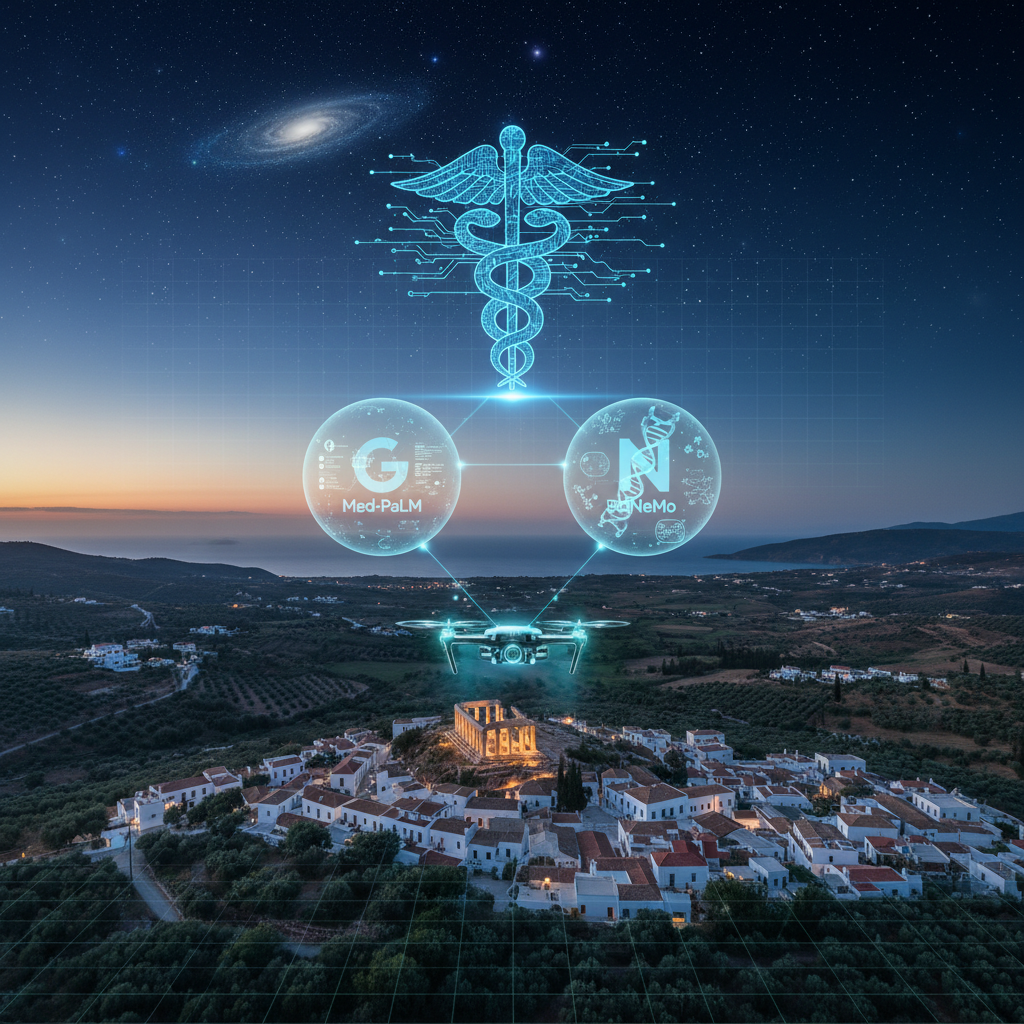
While the world obsesses over the latest large language model's ability to write poetry or generate images, a far more profound transformation is quietly taking root in our hospitals, our research labs, and even our homes. This is the global healthcare revolution, fueled by AI in diagnostics, vaccine development, and telemedicine. Most people, caught in the daily deluge of news cycles, are missing the true scope of this seismic shift. They see headlines about Google's Med-PaLM assisting doctors or NVIDIA's BioNeMo accelerating drug discovery, but they don't connect these dots to the very real possibility of a healthier future for themselves and their families. It is not as flashy as a new social media platform, but its impact will be infinitely more enduring.
For too long, healthcare has been a privilege, not a universal right, particularly in regions like ours. Access to specialists, cutting edge treatments, and even basic diagnostic tools remains uneven. But AI, with its capacity to process vast amounts of data, to identify patterns invisible to the human eye, and to extend the reach of medical expertise, is beginning to dismantle these barriers. This is not science fiction, it is happening now.
How This Affects You, My Friend
Imagine this: a rural grandmother in Crete, who once had to travel hours by ferry and bus to see a cardiologist, can now have her heart rhythm monitored remotely, with an AI system flagging anomalies before they become critical. Or consider the young mother in Thessaloniki, whose child develops a rare condition. Instead of waiting months for a diagnosis, AI powered tools can sift through genetic data and medical literature to suggest potential causes and treatments in days, even hours. This is not just about convenience, it is about saving lives and reducing suffering.
On a more personal level, AI diagnostics mean earlier detection of diseases like cancer, often when they are most treatable. Machine learning algorithms are proving adept at analyzing medical images, like mammograms or CT scans, with accuracy that sometimes surpasses human experts. This translates directly to better outcomes for patients. Furthermore, the acceleration of vaccine development, as seen during recent global health crises, is directly attributable to AI's ability to model protein structures and predict viral evolution. This means faster responses to future pandemics, protecting us all.
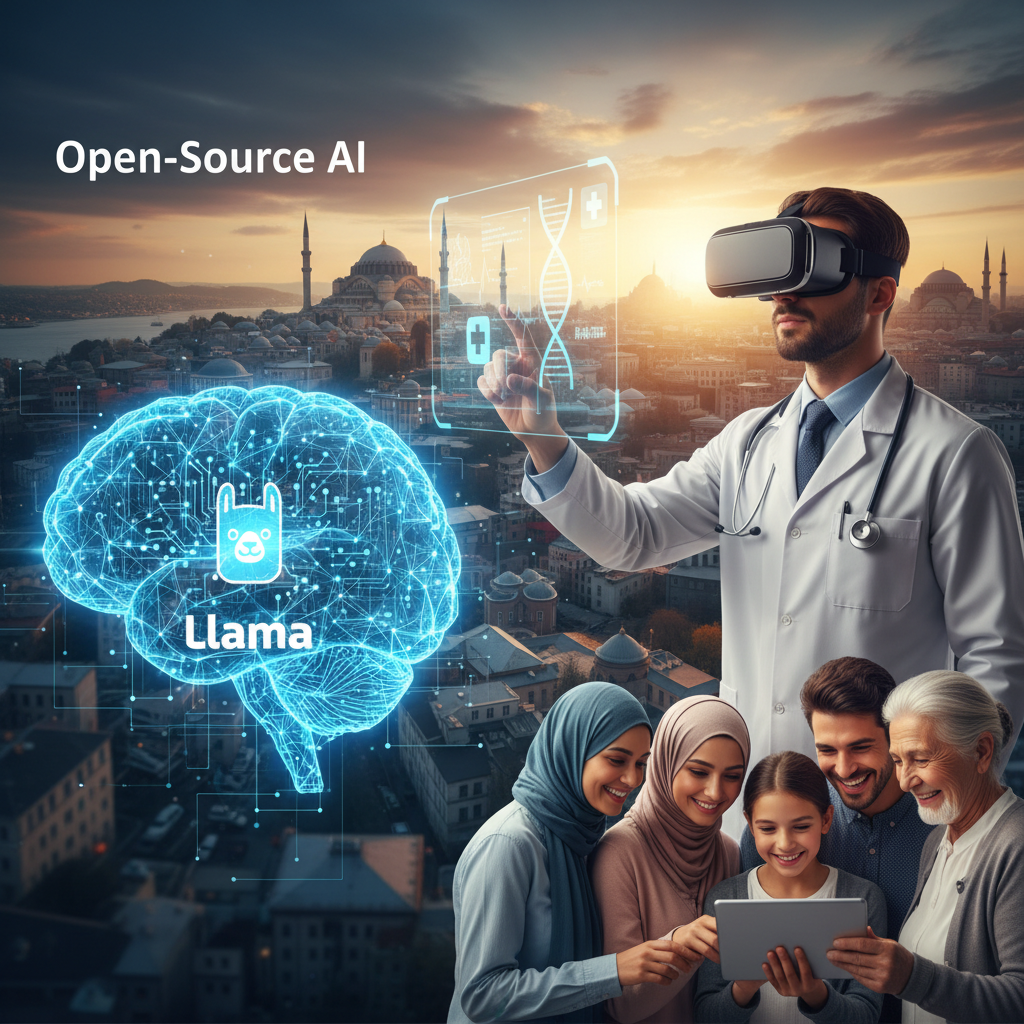
Telemedicine, once a niche service, has been supercharged by AI. It is not just a video call with your doctor anymore. It is AI assistants triaging symptoms, recommending appropriate care levels, and even providing mental health support. For a country like Greece, with its dispersed population and numerous islands, this decentralization of care is nothing short of revolutionary. It means that quality healthcare can reach where it has never reached before.
The Bigger Picture: A New Era of Health Equity
The societal and economic implications are staggering. Healthier populations are more productive populations. Reduced healthcare costs, brought about by efficiency gains and preventative care, can free up national resources for education, infrastructure, and innovation. In Greece, where our public health system has often struggled with resources, AI offers a pathway to a more resilient and equitable future. It allows us to leapfrog some of the traditional infrastructure challenges that have plagued us for decades.
This isn't just about treating illness, it is about promoting wellness. AI can analyze lifestyle data, genetic predispositions, and environmental factors to offer personalized health recommendations, moving us from reactive medicine to proactive prevention. This shift could alleviate the immense burden of chronic diseases, improving quality of life for millions and reducing the strain on healthcare systems worldwide. The Mediterranean approach to AI is fundamentally different, it emphasizes human well being and community, not just profit margins.
What the Experts Are Saying
Leaders in the field are keenly aware of this paradigm shift. Dr. Eric Topol, a renowned cardiologist and author, has long championed the integration of AI into medicine. He recently stated, “AI is the biggest game changer in medicine since the X-ray. It will democratize access to expertise and personalize care in ways we could only dream of before.” His vision points to a future where AI acts as an augmentation for clinicians, not a replacement.
Similarly, Sundar Pichai, CEO of Google, has spoken extensively about the potential of AI in healthcare. He noted, “From accelerating drug discovery to improving diagnostic accuracy, AI is poised to tackle some of humanity's most pressing health challenges. Our work with Med-PaLM is just the beginning of how we can support clinicians and improve patient outcomes globally.” This highlights the commitment of tech giants to this sector.
Closer to home, Professor Ioannis Pitas, a leading AI researcher at Aristotle University of Thessaloniki, emphasizes the ethical considerations. “While the promise is immense, we must ensure that these powerful tools are developed and deployed responsibly, with transparency and fairness at their core. Athens was the birthplace of democracy, now it's reimagining AI governance, and healthcare is a critical domain for this.” His words remind us that technology must serve humanity, not the other way around.
And from the pharmaceutical world, Dr. Michelle McMurry-Heath, former CEO of BIO, has highlighted AI's role in drug development. She once remarked, “The speed at which we can now identify potential drug candidates and accelerate clinical trials thanks to AI is unprecedented. This means life changing therapies can reach patients faster, transforming the landscape of disease management.” This rapid innovation is a testament to AI's transformative power.
What You Can Do About It
As citizens, our role is crucial. First, demand transparency and ethical oversight in the development and deployment of AI in healthcare. Your health data is precious, and its use must be governed by robust regulations. Support initiatives that advocate for digital literacy, ensuring that everyone, regardless of age or background, can understand and benefit from these new technologies.
Second, engage with your local healthcare providers and policymakers. Ask how they plan to integrate AI and telemedicine into their services. Advocate for investment in the digital infrastructure necessary to support these advancements, particularly in underserved areas. Greece has something Silicon Valley doesn't: a deep connection to community and a historical understanding of collective well being. We must leverage this unique perspective to shape our AI future.
Finally, stay informed. Read reputable sources, understand the capabilities and limitations of AI. Sites like MIT Technology Review and Wired offer excellent insights into the evolving landscape of AI in medicine. Your informed participation is vital to ensuring this revolution benefits all, not just a select few.
The Bottom Line: A Healthier Tomorrow, Today
In five years, the healthcare landscape will be unrecognizable to us today. AI will be deeply embedded in every facet of medicine, from the diagnostic lab to the operating room, from preventative care to personalized treatment plans. We will see a dramatic reduction in misdiagnoses, a significant acceleration in the development of new therapies, and a far more equitable distribution of medical expertise. Telemedicine will be the norm, not the exception, making quality care accessible to millions who currently lack it. The concept of a 'doctor' will evolve, augmented by powerful AI assistants that free up clinicians to focus on the human element of care. This is not merely an upgrade; it is a redefinition of health itself. It is a future where the ancient Greek ideal of 'well being' is finally within reach for everyone, everywhere.