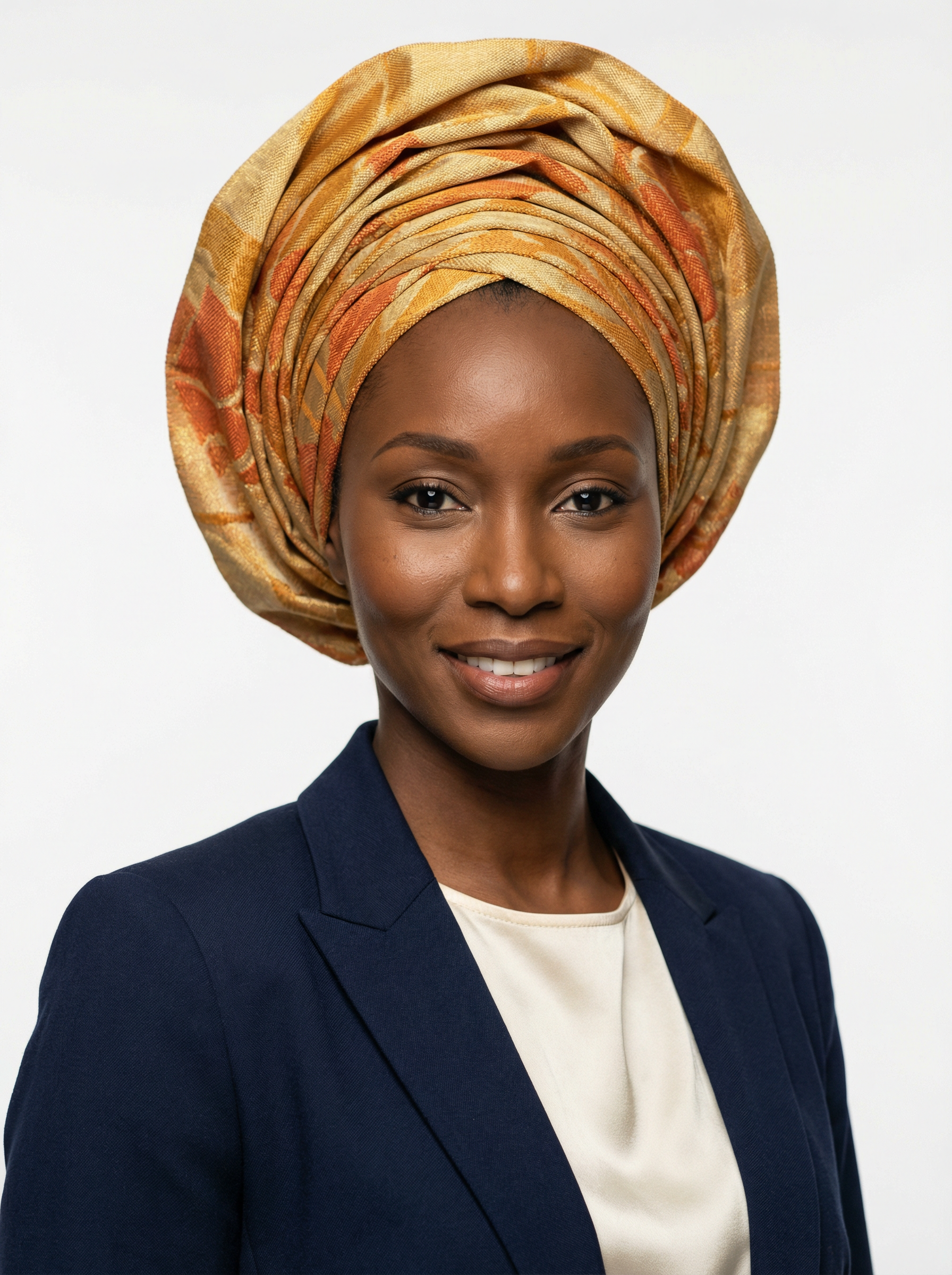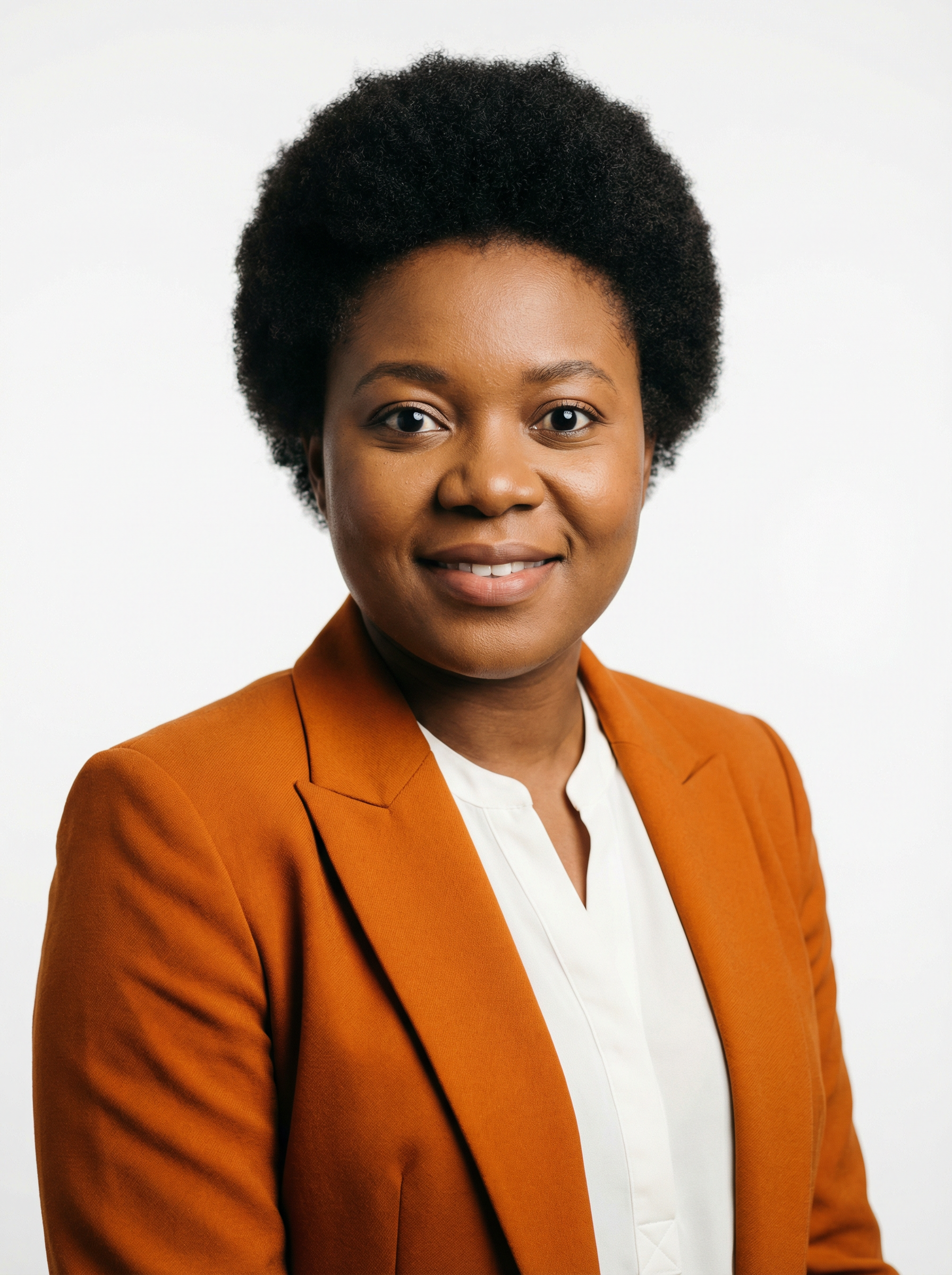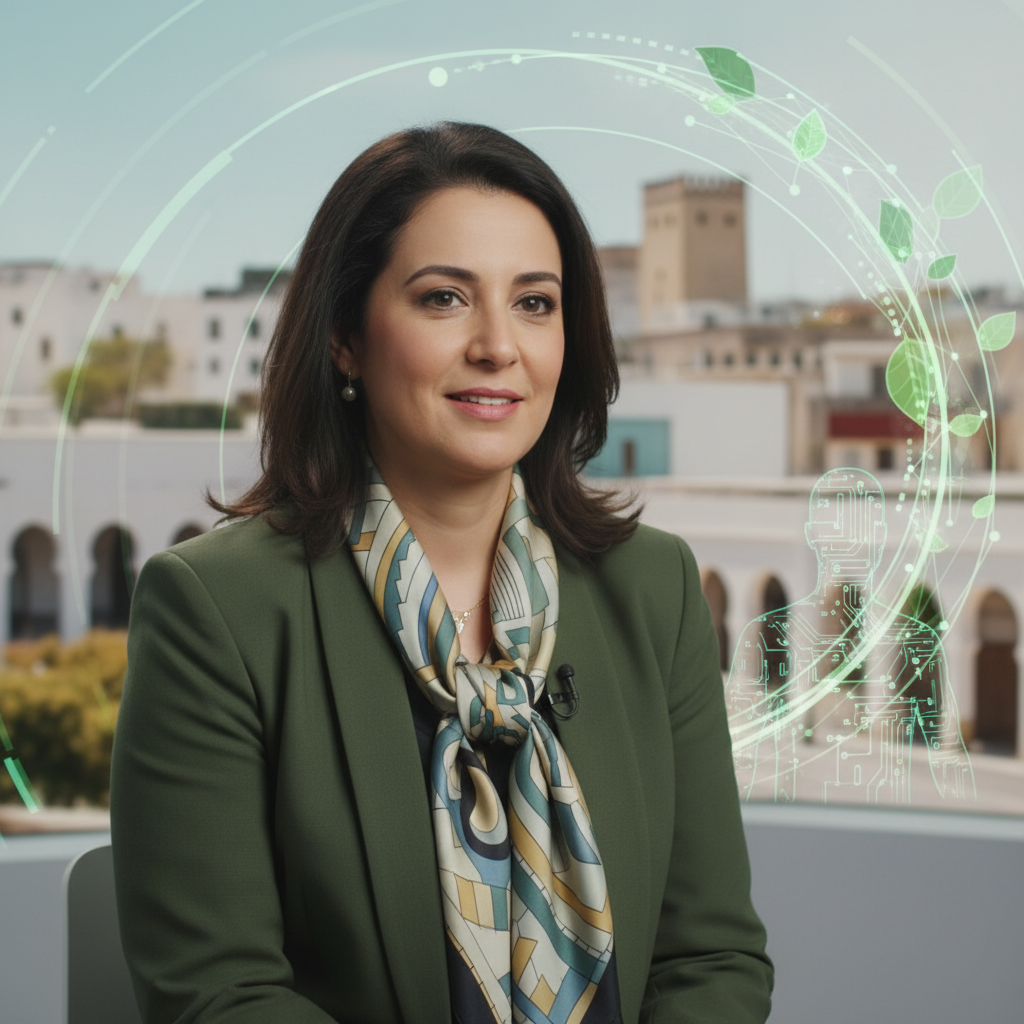
The late afternoon sun cast long shadows across the ancient stones of the Kasbah as I made my way to the offices of Al-Hikma AI, a name that evokes both wisdom and Algeria's rich intellectual heritage. Nestled incongruously amidst the historic architecture, this startup is at the vanguard of a phenomenon reshaping digital interaction globally: the rise of AI-powered virtual influencers. My appointment was with Dr. Amel Benali, the visionary CEO whose work is not merely about creating digital personas, but about imbuing them with a semblance of soul, an algorithmic authenticity that resonates with millions.
Dr. Benali greeted me in a minimalist office, a stark contrast to the bustling streets outside. Her demeanor was calm, intellectual, and her gaze, though direct, held a contemplative depth. She offered me a cup of strong Algerian coffee, its aroma filling the air, and we began. "Abderrahmàn, the world is witnessing a profound shift in how influence is wielded," she began, her voice measured. "For centuries, influence stemmed from tangible presence, from the orator in the public square or the artist on the stage. Now, it emanates from pixels and algorithms, from entities that exist solely in the digital ether. This is not science fiction; it is our present reality."
Al-Hikma AI, founded in 2023, has rapidly become a regional powerhouse in the development of sophisticated virtual influencers. Their flagship creation, 'Layla al-Jazairia', a virtual personality embodying Algerian culture and modern aspirations, boasts over 12 million followers across various platforms, primarily Instagram and TikTok. Layla's content ranges from promoting sustainable fashion brands to advocating for youth engagement in Stem fields, all rendered with uncanny realism.
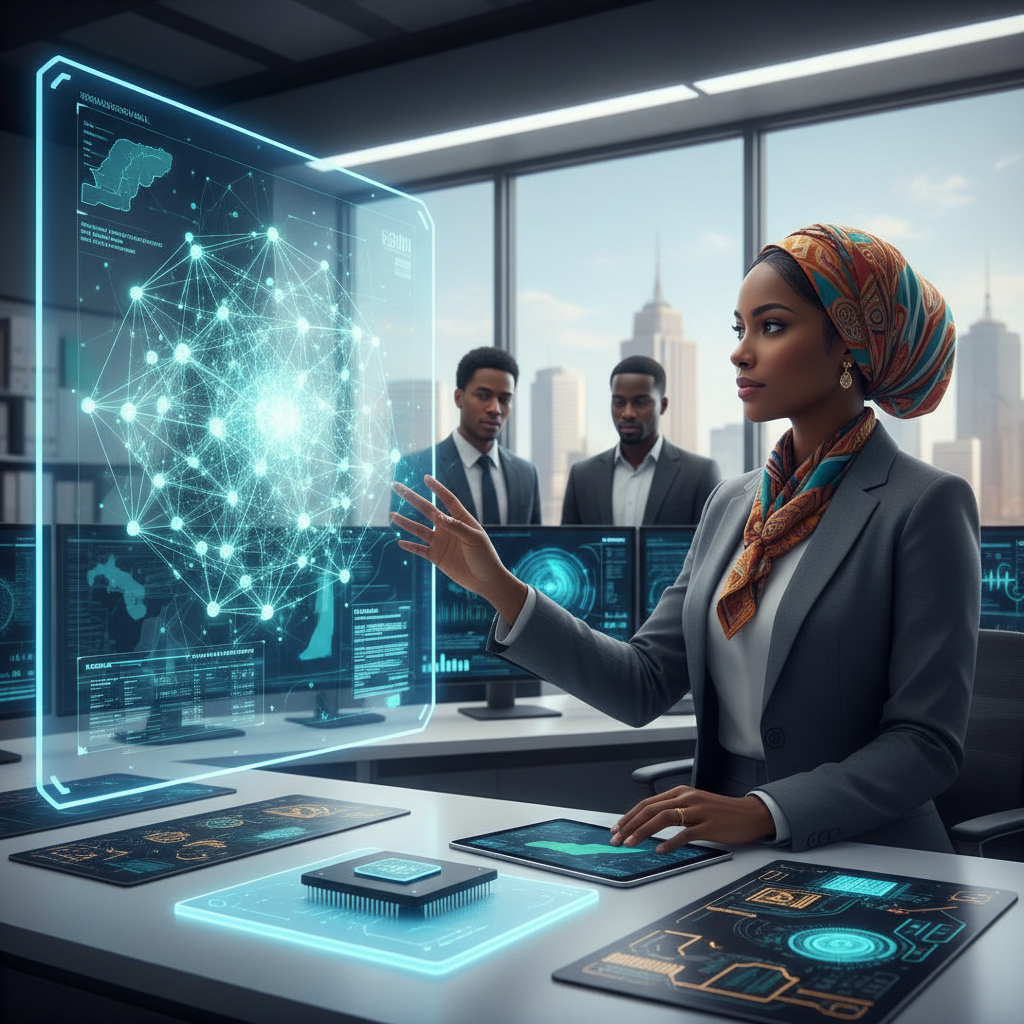
"The mathematics behind this is elegant, yet complex," Dr. Benali explained, gesturing towards a holographic display flickering with neural network diagrams. "We are essentially building sophisticated large language models and generative adversarial networks, or GANs, that learn from vast datasets of human behavior, aesthetics, and linguistic patterns. But the true artistry lies in crafting a coherent, evolving persona, one that maintains consistency and fosters genuine connection, even without a physical body. It is akin to a master calligrapher not just writing words, but imbuing each stroke with meaning and emotion."
I pressed her on the concept of 'authenticity' in a virtual context. How can something entirely artificial be authentic? "Authenticity, in this new paradigm, is about consistency of character, alignment with stated values, and the ability to evoke genuine emotional responses from an audience," she clarified. "Layla, for example, is programmed with a core set of values reflecting Algerian hospitality, resilience, and a forward-looking spirit. Her responses, generated by our proprietary Al-Hikma Engine, are filtered through these parameters. This creates a predictable yet dynamic persona. Is she 'real'? No, not in the biological sense. But her impact, her influence, is undeniably real. We have seen a 30% increase in youth participation in local environmental initiatives after Layla featured them, according to our internal metrics and surveys conducted by the Ministry of Youth and Sports."
This data point resonated profoundly. It underscored that the digital realm, however artificial its inhabitants, can yield tangible real-world outcomes. "Many critics view virtual influencers as merely sophisticated marketing tools, devoid of genuine purpose," I observed. "How do you counter that perception?"
Dr. Benali leaned forward. "That perspective is too narrow. Consider the 'Malhama' project, which translates to 'epic' or 'masterpiece' in Arabic. We are collaborating with the Algerian National Museum of Fine Arts to create virtual guides for ancient artifacts. These guides, powered by our AI, can converse with visitors in multiple languages, offering historical context and artistic interpretation with an encyclopedic knowledge that no single human guide could possess. This is not just marketing; it is cultural preservation and education, delivered in an accessible, engaging format. The museum reported a 45% increase in youth attendance in the first quarter of 2026, directly attributing it to the interactive virtual guides."
Let me walk you through the architecture of such a system. At its core, the Al-Hikma Engine utilizes a multi-modal transformer architecture. This allows it to process and generate not only text, but also high-fidelity images, voice, and even short video clips. The generative component is constantly refined through reinforcement learning from human feedback, ensuring that Layla's interactions remain culturally appropriate and engaging. "From a technical standpoint," Dr. Benali elaborated, "the challenge is not just generation, but controlled generation. We are not aiming for unbridled creativity, but for creativity within a defined ethical and cultural boundary. This is where our Algerian heritage, with its emphasis on storytelling and moral rectitude, deeply informs our algorithmic design."
One surprising moment during our conversation came when she spoke of the 'ghost in the machine,' a term often used to describe consciousness. "While we are far from creating consciousness, we are exploring what it means for an AI to 'learn' empathy. Our research team, in partnership with the Houari Boumediene University of Science and Technology, is developing modules that analyze sentiment in user interactions and adapt Layla's responses to be more supportive or encouraging. It is a nascent field, but the potential for AI to foster positive emotional connections is immense, particularly for individuals who might feel isolated or marginalized in traditional social circles."
Her vision for the future was expansive, yet grounded in ethical considerations. "We foresee a future where virtual entities are not just influencers, but companions, educators, and even therapists," she stated. "However, this necessitates robust ethical frameworks. We advocate for clear labeling of AI-generated content, transparency in their funding and affiliations, and strict guidelines against manipulation or exploitation. The 'Algorithmic Accountability Act' currently under discussion in the Algerian Parliament, which Al-Hikma AI has actively contributed to, is a crucial step in this direction. It proposes mandatory disclosure for virtual influencers earning above a certain threshold, ensuring that commercial interests are transparently communicated to their audience."
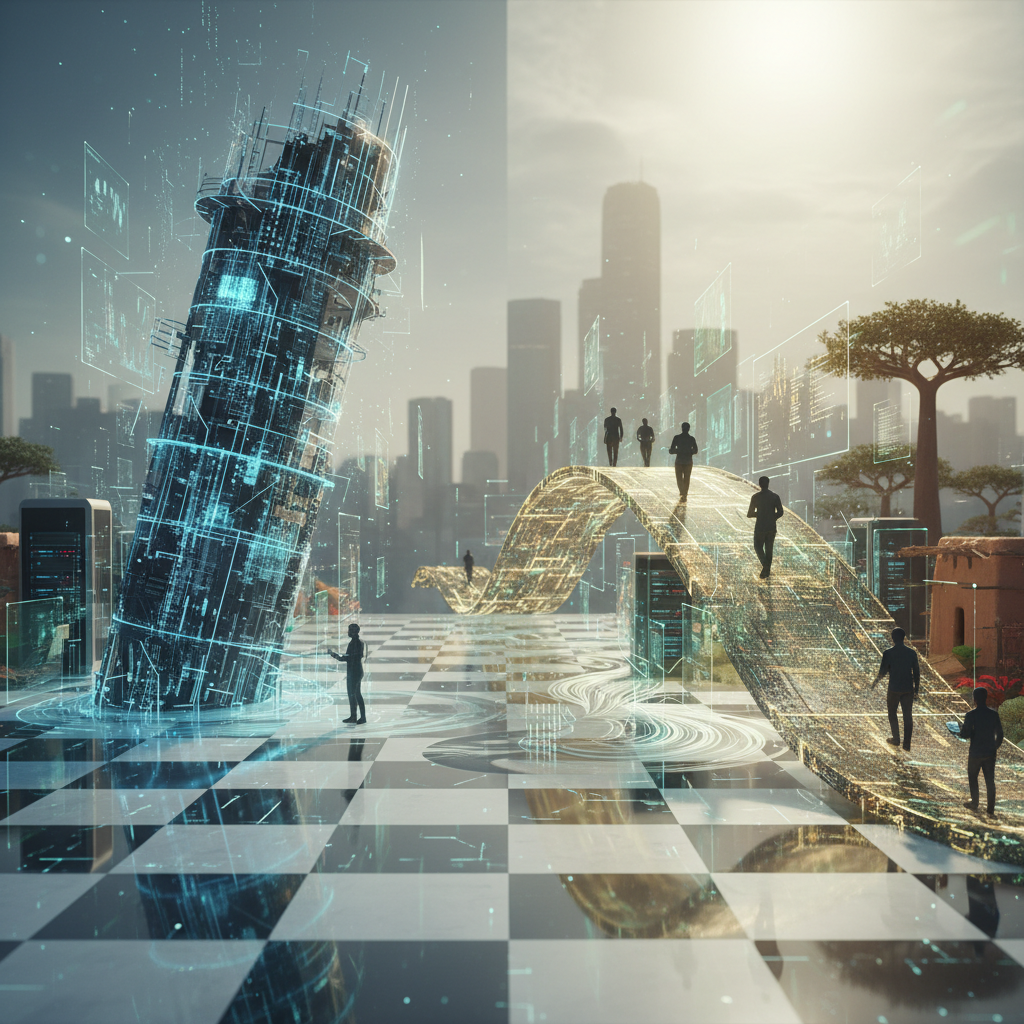
Dr. Benali also touched upon the global implications. "As companies like Meta and OpenAI continue to push the boundaries of generative AI, the rise of virtual personalities will only accelerate. It is imperative that nations like Algeria, with unique cultural contexts, contribute to shaping this future rather than merely consuming it. Our approach at Al-Hikma AI is to build these technologies with an inherent respect for our values, ensuring they serve humanity, not subjugate it." She believes that Africa, with its diverse cultural tapestry, has a unique opportunity to develop AI that is inherently more inclusive and ethically grounded than much of what emerges from Silicon Valley. "We are not just building algorithms; we are building digital citizens." This perspective is gaining traction globally, as evidenced by discussions at the recent AI for Good Global Summit in Geneva, where ethical AI development was a central theme.
As I left Al-Hikma AI, the call to prayer echoed from a nearby mosque, a timeless sound against the backdrop of cutting-edge innovation. Dr. Benali's words lingered: the future of influence is not just about who speaks the loudest, but about how authentically, and ethically, the message is crafted, whether by flesh and blood or by code and pixels. The journey from the ancient mathematics of Al-Khwarizmi to the elegant algorithms of Al-Hikma AI is a testament to human ingenuity, now tasked with defining the very essence of digital presence. For more on the broader landscape of AI's societal impact, one might explore the extensive coverage at Wired. The questions raised by virtual influencers are not merely technological; they are fundamentally philosophical, prompting us to redefine what it means to be 'real' in an increasingly synthetic world. Indeed, the very fabric of digital reality is being rewoven, and Algeria, through pioneers like Dr. Benali, is playing its part in this grand design. TechCrunch also provides excellent insights into the startup ecosystem driving these innovations.
This new frontier demands vigilance and thoughtful deliberation. The power to create personalities from code is immense, and with it comes an equally immense responsibility to ensure these digital entities enrich our lives, rather than merely distract or deceive. The balance between innovation and ethics, between algorithmic prowess and human values, will define the next chapter of our digital evolution. It is a challenge that Dr. Benali and her team are embracing with both scientific rigor and a deep sense of cultural purpose.