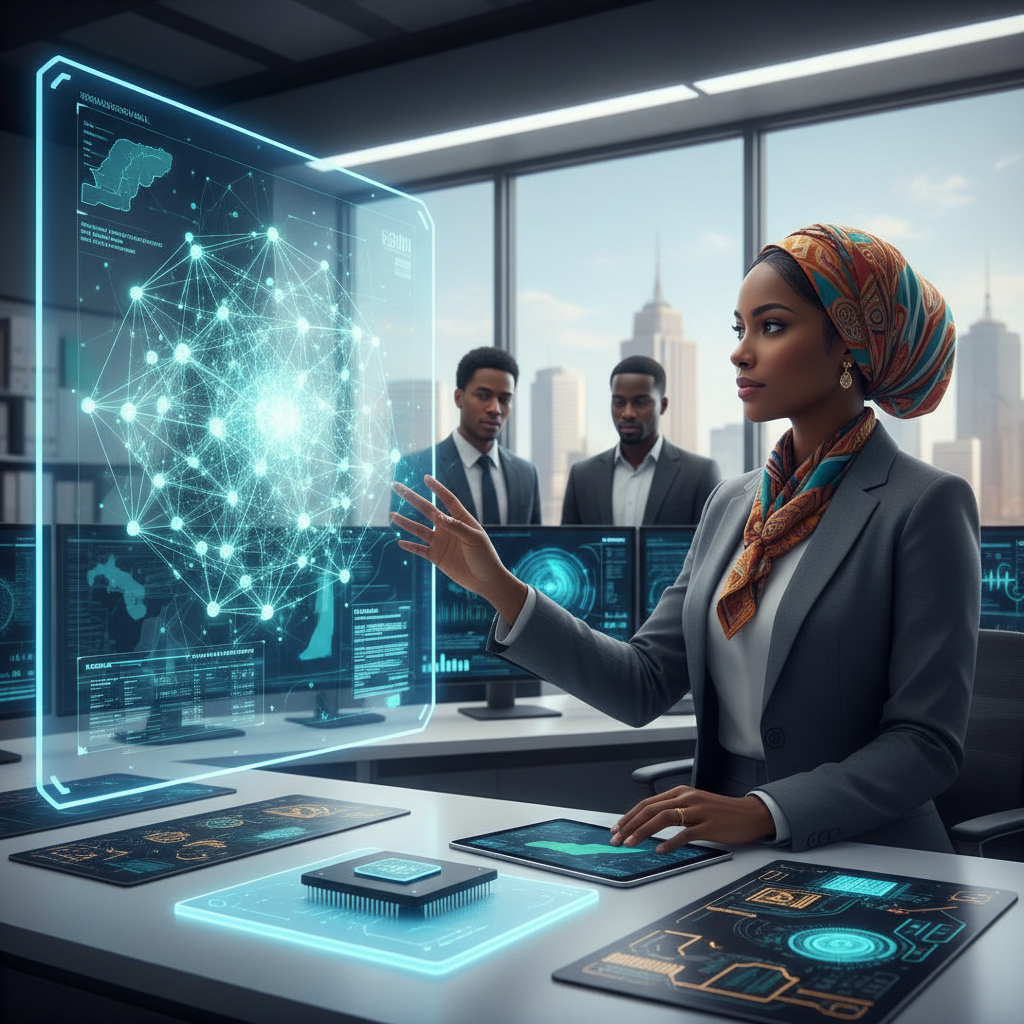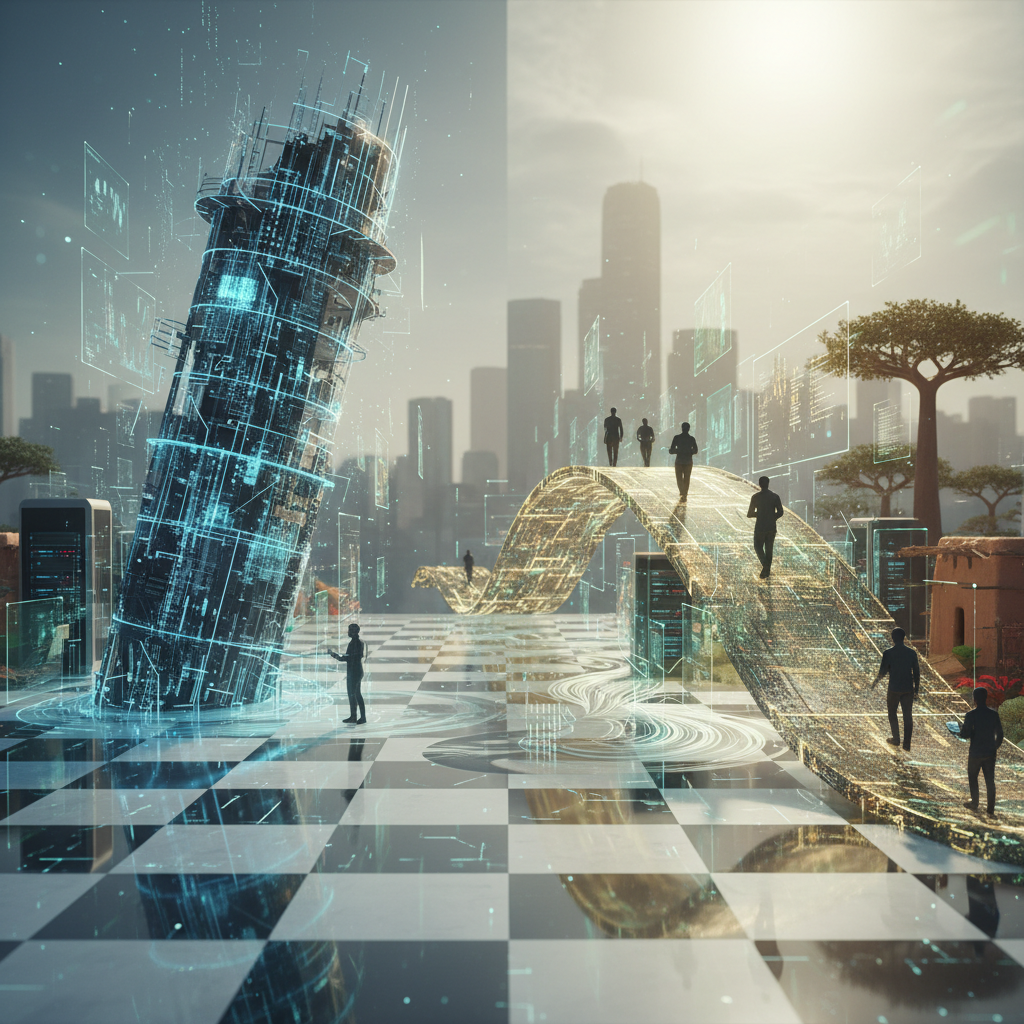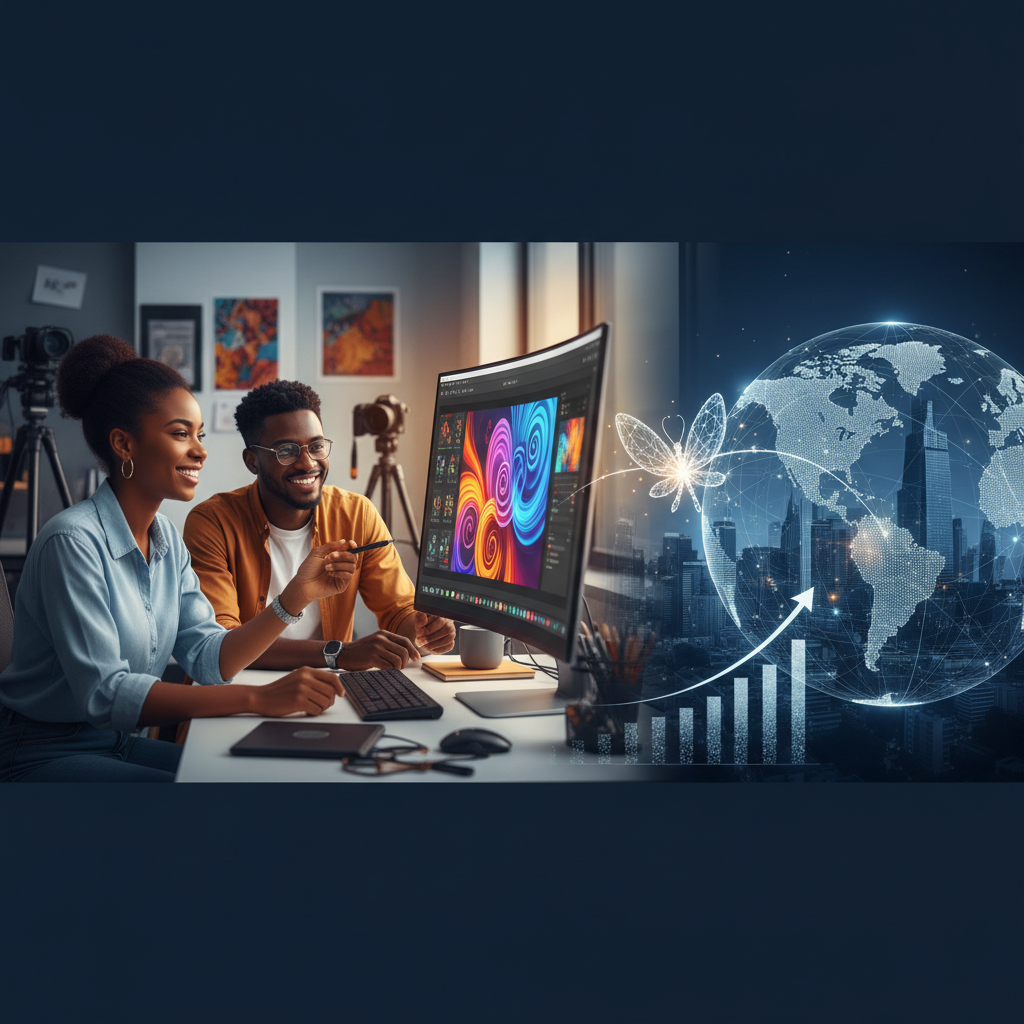
The morning sun streams into the bustling co-working space in Accra, illuminating screens alive with vibrant colors and intricate designs. Here, at the heart of Ghana's burgeoning tech and creative scene, the air practically crackles with innovation. I see young designers, animators, and marketers, their fingers flying across keyboards and styluses dancing on tablets, but there's a new collaborator in their midst: artificial intelligence, specifically Adobe Firefly.
Just a few years ago, the idea of an AI generating stunning visuals or intricate design elements from a simple text prompt felt like science fiction. Now, it is the daily reality for many of Ghana's creative professionals. This isn't some distant Silicon Valley phenomenon; it is happening right here, right now, reshaping how we create, consume, and compete on the global stage. The energy is palpable, almost like the electric anticipation before a major Ghana Black Stars match, and I tell you, this is bigger than anyone realizes.
The Data Doesn't Lie: Africa's Creative Leap with Generative AI
The numbers don't lie, my friends. Across Africa, the adoption of generative AI tools in creative industries is surging. A recent report by the African Digital Economy Observatory, in collaboration with IDC, indicated that over 60% of creative agencies and independent designers in key African markets, including Ghana, Nigeria, and Kenya, had integrated generative AI into at least one aspect of their workflow by late 2025. This figure is projected to hit 85% by the end of 2026. For Adobe Firefly specifically, its user base in Africa reportedly grew by over 300% in 2025 alone, driven by its intuitive interface and seamless integration with existing Adobe Creative Cloud applications.
What does this mean on the ground? It means a graphic designer in Osu can now conceptualize and iterate on client briefs in a fraction of the time it used to take. It means a small animation studio in Tema can produce high-quality background art or character variations without needing a massive team, effectively democratizing access to sophisticated production capabilities. This is not just about speed; it is about expanding the creative possibilities for everyone.
Winners and Innovators: Ghanaian Firms Leading the Charge
Take 'AfroDigital Studios', a dynamic animation house based in Accra. Before Firefly, their concept art phase for a new series could take weeks, involving multiple artists sketching and refining. Now, their lead concept artist, Ama Serwaa, told me, they can generate dozens of stylistic variations for characters and environments in a single afternoon. "Firefly has become our brainstorming partner," she explained. "It helps us visualize ideas faster, allowing us to spend more human time on the nuanced storytelling and character development that truly makes our work unique. Our project timelines have shrunk by 25%, and our client satisfaction has never been higher." AfroDigital Studios is now competing for international contracts they wouldn't have even considered two years ago.
Another success story is 'Kente Creative Collective', a marketing agency specializing in digital campaigns for local businesses. They've leveraged Firefly to rapidly create diverse visual assets for social media, from product mockups to lifestyle imagery, all tailored to specific cultural contexts. Their campaign turnaround time has improved by 35%, allowing them to serve more clients and scale their operations. This agility is crucial in Ghana's fast-paced digital economy.
Of course, with every technological shift, there are concerns. Some established agencies, slower to adapt, have felt the pressure. Those who viewed AI as a threat rather than a tool risk being left behind. The key, as always, is embracing change and upskilling. The market rewards innovation, and Ghana is proving the skeptics wrong by showing how quickly local talent can harness these powerful new tools.
The Human Element: Workers Embrace the AI Co-Pilot
When generative AI first burst onto the scene, there was a lot of talk about job displacement. While some roles may evolve, what I am seeing in Ghana is a story of augmentation, not replacement. Creative professionals are not being replaced by AI; they are becoming 'AI-empowered creatives'.
Kwame Nkrumah, a freelance illustrator I met near Makola Market, initially worried about Firefly. "I thought, 'Will my unique style become obsolete?'" he confessed. "But then I started experimenting. Now, I use Firefly to generate initial mood boards, explore color palettes, or even create texture overlays for my digital paintings. It's like having an incredibly fast assistant who never sleeps. It frees me up to focus on the intricate details and emotional depth that only a human hand can truly bring." Kwame says his income has increased by 20% in the last year because he can take on more projects and deliver them faster.
This sentiment is echoed by industry leaders. "Generative AI is not about replacing human creativity, but augmenting it," stated David Wadhwani, Executive Vice President and Chief Business Officer at Adobe, in a recent interview with Reuters. "Tools like Firefly are designed to empower creators, allowing them to iterate faster, experiment more, and bring their visions to life with unprecedented efficiency." This is precisely what we are witnessing here in Ghana.
Expert Analysis: A Catalyst for Global Competitiveness
Dr. Elsie Effah Kaufmann, a renowned Ghanaian engineer and academic, emphasized the strategic importance of this shift. "For Ghana and indeed for Africa, generative AI presents an incredible opportunity to leapfrog traditional creative bottlenecks," she told me during a recent tech summit in Accra. "By reducing the time and cost associated with content creation, our local talent can compete more effectively with established global players. It levels the playing field in many ways, allowing our unique cultural narratives and aesthetics to reach a wider audience." Her perspective highlights the potential for cultural export and economic diversification.
Indeed, the ability to rapidly produce high-quality, culturally relevant content is a game-changer. Imagine Ghanaian fashion designers using Firefly to visualize new textile patterns or apparel designs, then quickly generating marketing materials. Or filmmakers creating stunning concept art for stories rooted in our rich folklore. The possibilities are as boundless as the vibrant colors of a kente cloth.
What's Coming Next: The Future is Bright
The journey has only just begun. The next wave of innovation will likely see even deeper integration of generative AI into every stage of the creative process, from initial concept to final delivery. We can expect more sophisticated control over AI-generated outputs, allowing artists to fine-tune every pixel and brushstroke. Personalized AI models, trained on an individual artist's style, could become commonplace, further enhancing unique creative voices.
Training and education will be paramount. Initiatives like the 'AI for Creatives' workshops, popping up in places like the Ghana Innovation Hub, are crucial for equipping the next generation with these essential skills. The Ministry of Communications and Digitalisation is also exploring partnerships to integrate AI literacy into vocational training programs, recognizing that this is not just a niche skill, but a fundamental competency for the future workforce.
Ghana, with its youthful population, entrepreneurial spirit, and growing digital infrastructure, is perfectly positioned to harness this revolution. We are not just consumers of technology; we are becoming active participants and innovators. The creative industry, powered by tools like Adobe Firefly, is set to become an even more significant contributor to our national GDP, fostering job creation and showcasing African ingenuity to the world. The future of creativity, infused with the magic of AI, is unfolding before our very eyes, and it is a truly exhilarating sight to behold. For more insights into how AI is transforming various sectors, you can always check out TechCrunch's AI section. The journey is just beginning, and I, for one, cannot wait to see where it takes us.