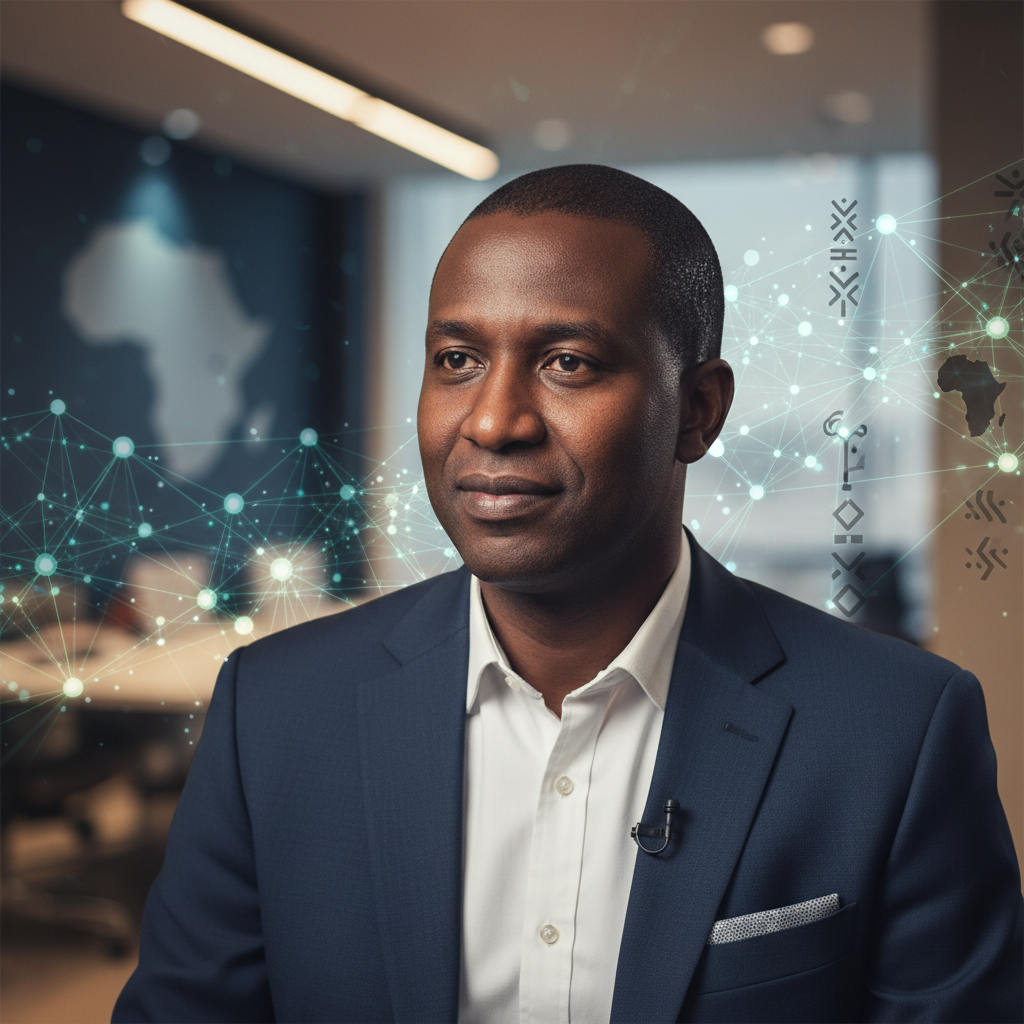
The sun was just beginning its gentle descent over the Ebrié Lagoon, painting the sky in hues of orange and purple, as I made my way to a quiet café in Abidjan's Cocody district. The air was thick with the familiar scent of grilled fish and the distant murmur of traffic, a symphony unique to our vibrant city. I was there to meet Dr. Moustapha Cissé, a name that resonates deeply within the African AI community and beyond. While he leads Google AI in Accra, his influence and perspective on open science, particularly from giants like Meta, are invaluable for understanding Africa's place in the global AI landscape.
Picture this: a young boy in Senegal, captivated by numbers and logic, growing up to become a leading researcher shaping the future of artificial intelligence. Dr. Cissé's journey is not just inspiring, it is a testament to what is possible when talent meets opportunity, and when that talent chooses to give back to its roots. He embodies the spirit of innovation that we so desperately need to cultivate right here on our continent.
We settled into our seats, the clinking of glasses and soft jazz providing a subtle backdrop to our conversation. I started by asking him about the philosophy behind open science, especially as championed by Meta's AI Research lab, Fair. Meta has made significant strides in open-sourcing its foundational models, like Llama, making them accessible to researchers and developers worldwide. This approach, Dr. Cissé explained, is a game-changer for regions like ours.
“Open science is not just a philosophy, it is a necessity for true global progress in AI,” Dr. Cissé shared, his voice calm yet firm. “When models like Llama are made openly available, it democratizes access to cutting-edge technology. It means a student in Abidjan, a researcher in Nairobi, or a startup in Dakar does not need to reinvent the wheel or have the resources of a Silicon Valley giant to experiment, innovate, and build.” This sentiment echoes what Meta's Chief AI Scientist, Yann LeCun, has often articulated, emphasizing that open models accelerate research and foster a more collaborative ecosystem. LeCun has consistently argued that open source is the best way to ensure safety and foster innovation in AI, a position Meta has firmly stood by with its Llama releases.
Dr. Cissé's own work at Google AI Accra focuses on addressing African challenges with AI, from healthcare to agriculture. He sees Meta's open-source contributions as complementary to these efforts. “Imagine the possibilities,” he continued, gesturing slightly with his hand. “We can take these powerful base models, fine-tune them with our unique datasets, and develop solutions tailored specifically for our communities. This is how we ensure AI serves Africa, not just the West.” He has previously stated, in various public forums, his belief that Africa must be a producer, not just a consumer, of AI technology. This is the story they don't want you to hear sometimes, the story of African ingenuity leveraging global tools to solve local problems.
The conversation naturally drifted to the practical implications for Côte d'Ivoire. Our country, like many in West Africa, is brimming with young, brilliant minds eager to dive into AI. However, access to computational resources and proprietary models has often been a barrier. With open models, the entry point becomes significantly lower. “Our universities, our incubators, our young entrepreneurs, they can now download these models, study their architectures, and modify them,” Dr. Cissé elaborated. “This fosters a deeper understanding, not just superficial application. It builds local capacity and expertise.”
I asked him about the challenges. Open source is powerful, but it is not a magic wand. “Of course, there are challenges,” he acknowledged. “Data remains a critical component. We need more high-quality, diverse African datasets to truly make these models culturally and linguistically relevant. And while computational power is less of a barrier with open models, it is still a consideration for large-scale training and deployment.” He also touched upon the need for robust ethical guidelines and regulatory frameworks, ensuring that the AI developed serves humanity responsibly.
Dr. Cissé's vision for Africa's AI future is one of empowerment and self-determination. He believes that by embracing open science, we can leapfrog some traditional development stages. “We don’t have to follow the exact path taken by other regions,” he asserted. “We can leverage these open tools to create our own path, one that is equitable and sustainable.” This aligns with his broader advocacy for African leadership in AI research, a theme he frequently emphasizes in his talks and interviews, such as those reported by Reuters.
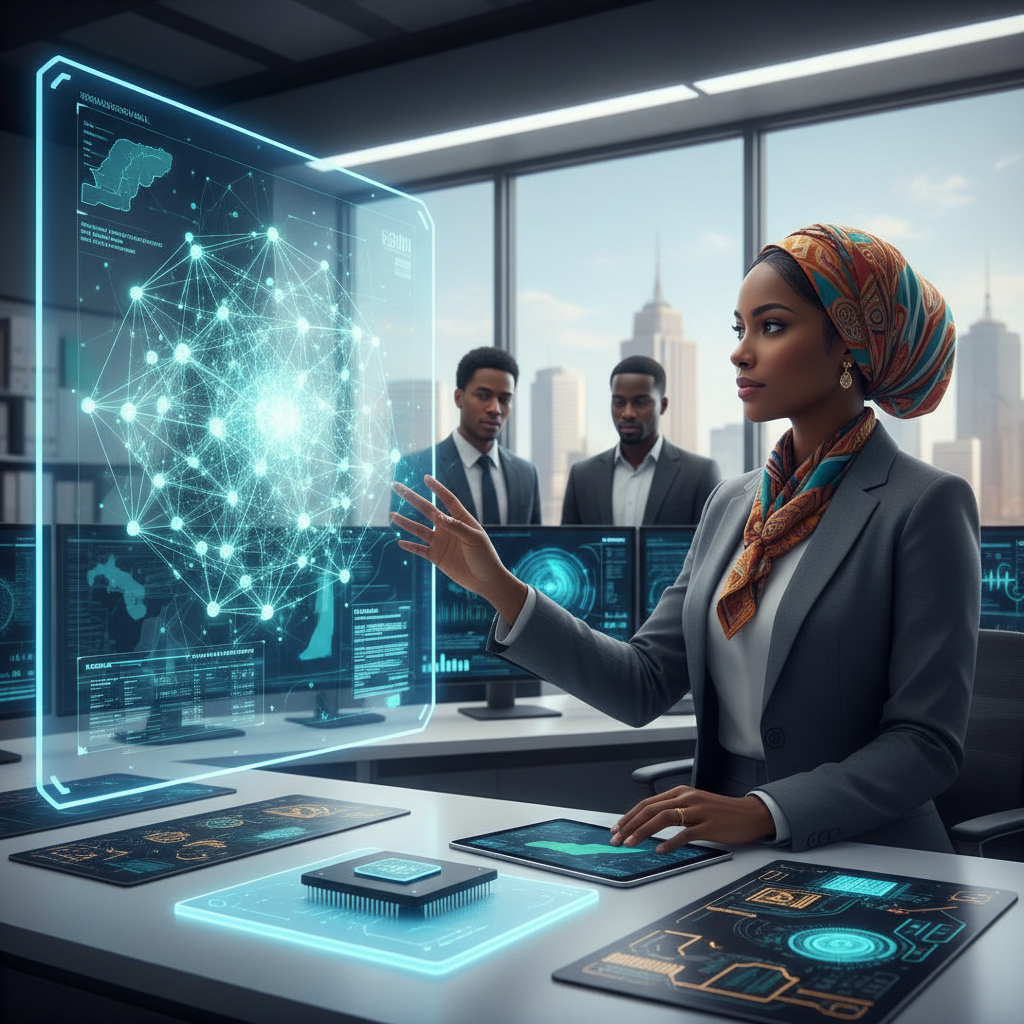
His work at Google AI Accra, for instance, involves projects like using AI to improve crop yields for smallholder farmers, a critical issue in Côte d'Ivoire. Imagine applying a fine-tuned Llama model to analyze satellite imagery and local weather patterns, advising farmers on optimal planting times or identifying early signs of disease. The potential is immense.
“She told me something I’ll never forget,” I mused, recalling a conversation with a young woman at the Institut National Polytechnique Félix Houphouët-Boigny in Yamoussoukro, who was struggling to access advanced AI tools for her final year project. “She felt locked out, like the cutting edge was behind a paywall.” Dr. Cissé nodded empathetically. “That is precisely the barrier open science helps to dismantle. It is about creating opportunities for everyone, not just a select few.”
Meta's commitment to open science is not without its critics, who sometimes raise concerns about potential misuse of powerful models. However, proponents like Dr. Cissé argue that the benefits of transparency and collaborative development far outweigh the risks, especially when coupled with responsible deployment and community oversight. The open availability allows for more eyes to scrutinize the models, identify biases, and contribute to their improvement, a point frequently made by researchers in publications like MIT Technology Review.
As the evening deepened, casting long shadows across the café, our conversation turned to the broader impact on education. “For our next generation, understanding AI is no longer optional, it is fundamental,” Dr. Cissé stated. “Open models provide practical learning tools. Students can not only learn the theory but also get hands-on experience with models that are at the forefront of the industry. This is crucial for building a skilled workforce that can drive our continent’s digital transformation.” The growth of AI education initiatives in Côte d'Ivoire, often supported by partnerships with global tech companies and local universities, is a testament to this growing awareness.
Before we parted ways, I asked him for a final thought on what he hopes to see for Africa in the next five to ten years, specifically concerning AI and open science. His gaze was thoughtful, looking out towards the lagoon where fishing boats dotted the horizon.
“I hope to see a flourishing ecosystem of African-led AI innovation,” he said. “Where our unique challenges are met with our unique solutions, built on a foundation of open knowledge and collaborative spirit. I envision a future where the next big breakthrough in AI could very well come from an innovator right here in Abidjan, empowered by the very tools that Meta and others have generously shared with the world.” His words resonated deeply, carrying the weight of both hope and a call to action for our continent. It is a vision that feels not just possible, but increasingly within our grasp, thanks to the tireless efforts of people like Dr. Cissé and the democratizing power of open science.
For more insights into the broader context of AI development in Africa, you might find this article on Dakar's digital dreams [blocked] interesting, as it touches on similar themes of regional innovation and global influence. The future of AI in Africa, intertwined with global open-source initiatives, is a narrative we are only just beginning to write.