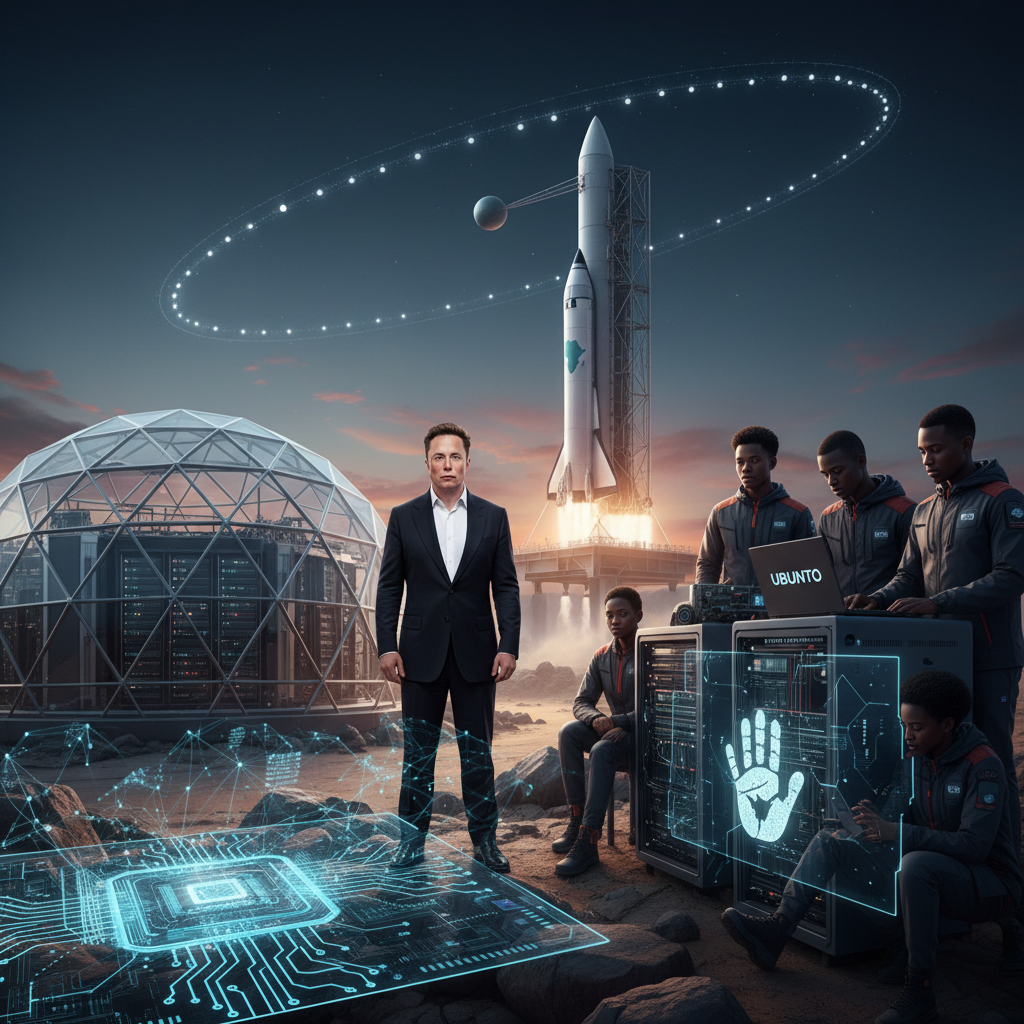

The sun was just beginning to paint the sky in hues of orange and purple over Soweto this morning, a familiar symphony of taxi hooters and street vendors already in full swing. As I sipped my rooibos tea, scrolling through the latest headlines on my phone, one story dominated the global tech conversation: Tesla's latest AI Day revelations and the sheer, mind-boggling scale of their Dojo supercomputer project.
Elon Musk, a name that often evokes a mix of awe and exasperation, once again commanded the world's attention with promises of self-driving cars, humanoid robots, and an AI infrastructure designed to process unfathomable amounts of data. The numbers thrown around are staggering: exaflops of computing power, billions of dollars invested, and a vision that, if realised, could fundamentally reshape industries from transportation to manufacturing. It's a spectacle, no doubt, a testament to human ingenuity and ambition.
But here, on the southern tip of Africa, my mind doesn't immediately jump to robotaxis navigating Sandton traffic or Optimus bots serving coffee in Cape Town cafes. No, my thoughts turn to the bustling informal settlements, the rural villages, and the millions of South Africans who still struggle for basic access to reliable electricity, let alone high-speed internet. When we talk about supercomputers and advanced AI, we must ask: whose future is being built, and who stands to benefit?
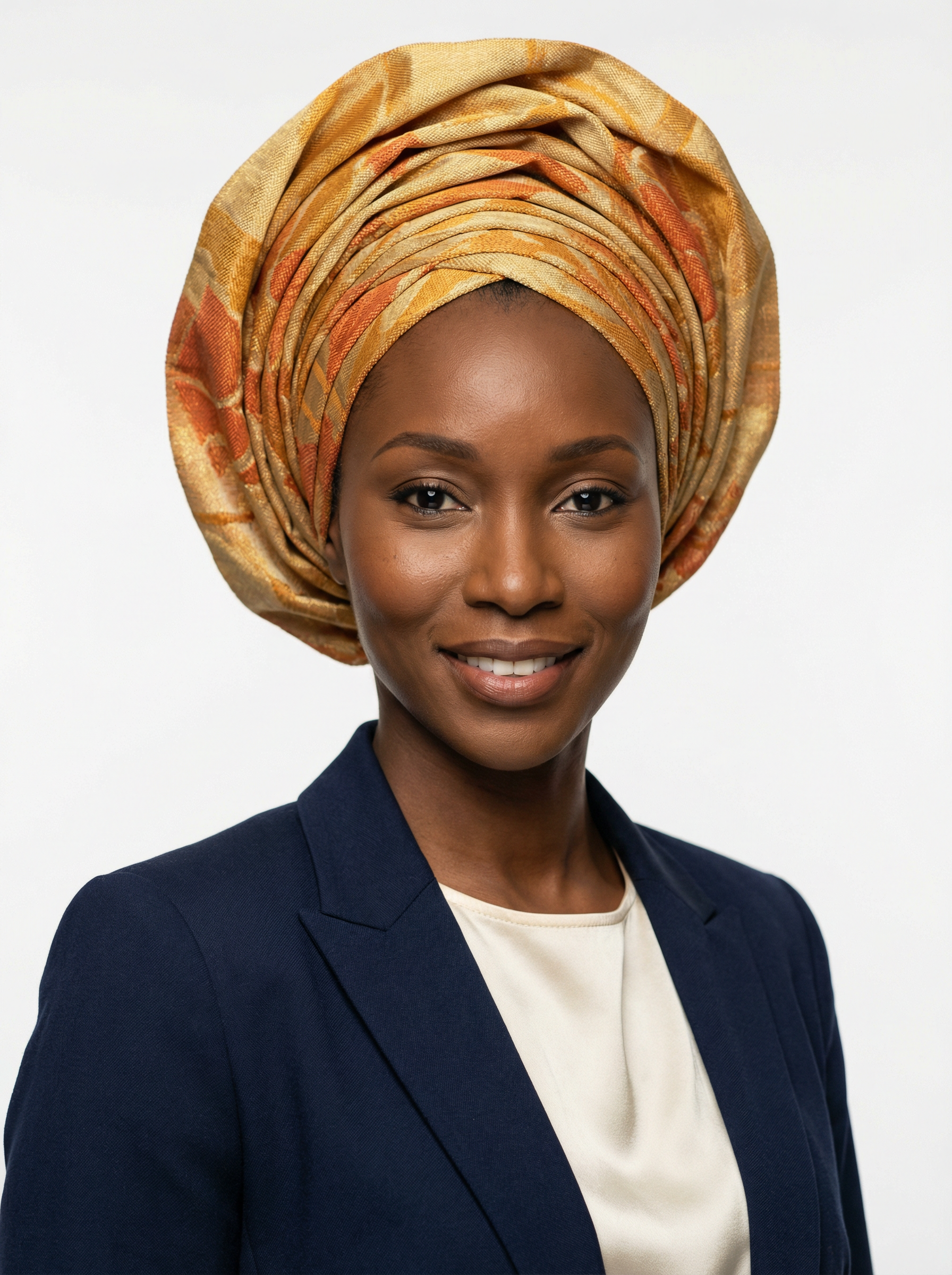
Tesla's Dojo, designed to train AI models for autonomous driving and beyond, represents a monumental leap in computational power. It is a beast of a machine, purpose-built to crunch the vast datasets required for true artificial general intelligence. "The scale of Dojo is unprecedented for a single company's dedicated AI infrastructure," explained Dr. Naledi Mkhize, a Senior Researcher in AI Ethics at the University of the Witwatersrand. "It's a clear statement of intent, but it also centralises immense power and capability. We need to consider the implications of such concentrated technological might, especially for regions like ours that are often on the receiving end of these innovations." Let that sink in.
For many, the allure of AI is its promise of efficiency, innovation, and progress. And indeed, there are incredible opportunities. Imagine AI-powered agricultural systems optimising crop yields for smallholder farmers, or diagnostic tools that bring world-class healthcare to remote clinics. These are not pipe dreams; they are tangible possibilities that could uplift communities and address some of our most pressing challenges. But the path to realising them is often paved with good intentions and then blocked by a lack of infrastructure, resources, and equitable access.
When we see announcements like Tesla's, it is easy to get swept up in the hype. The global media, particularly in the West, often portrays these developments as universal progress. Yet, the reality on the ground in many African nations paints a different picture. The digital divide is not merely about internet access; it is about the entire ecosystem of digital literacy, affordable hardware, reliable power, and locally relevant applications. A supercomputer in Texas, no matter how powerful, does not automatically translate into improved lives in KwaZulu-Natal without deliberate, inclusive strategies.
"The conversation around AI supercomputing needs to shift from purely technical specifications to socio-economic impact," stated Mr. Thabo Motaung, CEO of Ubunye AI, a Johannesburg-based startup focused on accessible AI solutions. "We applaud the innovation, but we also ask: how can this technology be decentralised, democratised, and adapted to serve the unique needs of diverse populations? We cannot afford to be mere consumers of technology; we must be co-creators and beneficiaries." His words echo a sentiment I hear often: Africa wants to build, not just buy.
One of the signature phrases I often find myself using is, "Here's the thing nobody's talking about." And in the context of Dojo and similar projects, it is the energy consumption. These supercomputers are voracious beasts, demanding immense amounts of electricity. In a country like South Africa, where load shedding remains a persistent challenge, the thought of powering such infrastructure on our grid is almost laughable. This isn't just a tech story because it's a justice story. It speaks to global inequalities in energy access, resource distribution, and technological sovereignty.
While companies like NVIDIA are making strides in developing more energy-efficient AI hardware, and Google DeepMind continues to push the boundaries of model efficiency, the fundamental truth remains: cutting-edge AI requires cutting-edge infrastructure. And that infrastructure is not evenly distributed across the globe. Reuters has reported extensively on the global race for AI compute power, highlighting the geopolitical implications of this concentration.
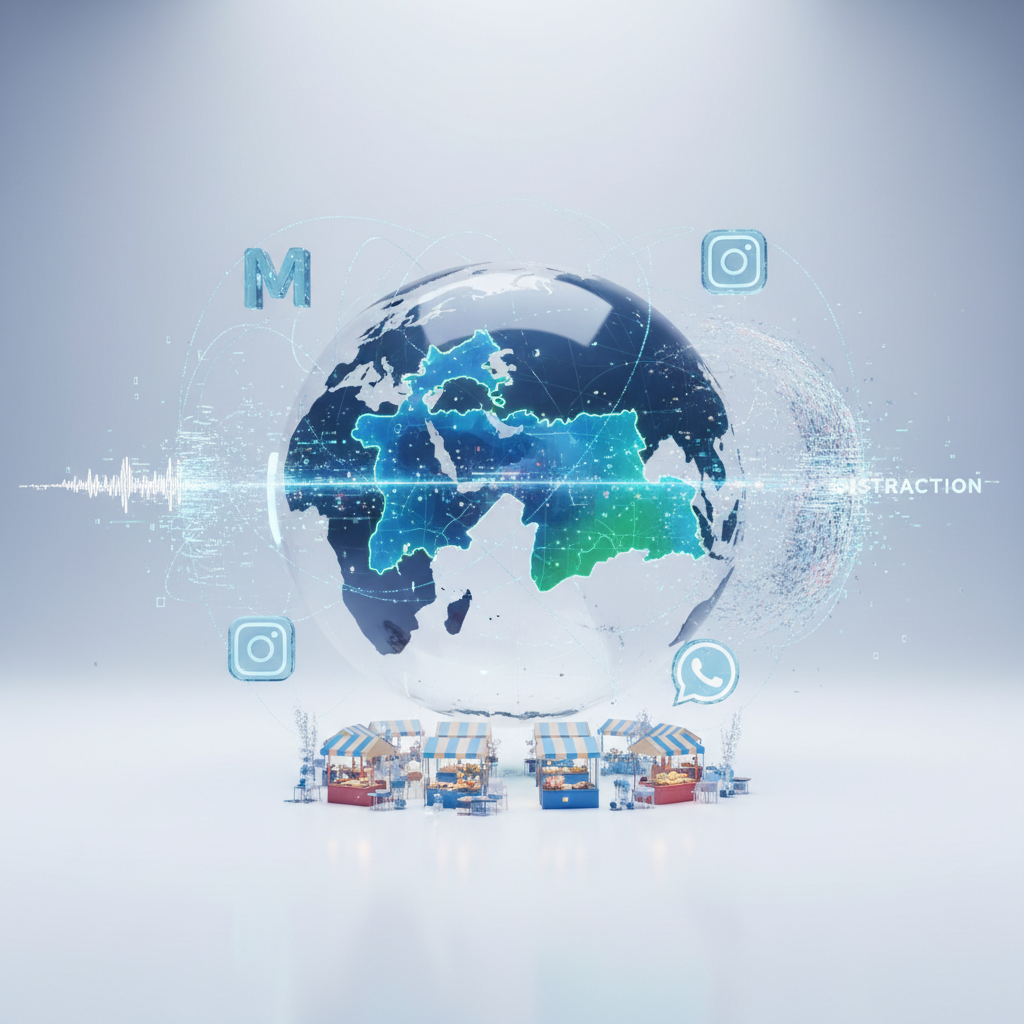
What does this mean for Africa? It means we must continue to champion local innovation, invest in our own talent, and build infrastructure that serves our people. It means fostering partnerships that are genuinely equitable, not just extractive. We need to look at how mobile innovation, a sector where Africa has truly excelled, can be leveraged to bring AI benefits to the masses. Think of the potential for edge AI on smartphones, processing data locally without needing constant access to a distant supercomputer.
Consider the work being done by organisations like the African Union, which is advocating for an African AI strategy that prioritises ethical development, data sovereignty, and inclusive growth. This proactive approach is crucial. We cannot wait for the crumbs to fall from the global AI feast; we must build our own table, with our own ingredients.
The future of AI, for Africa, is not about passively receiving whatever Silicon Valley creates. It is about agency, about self-determination, and about ensuring that technology serves the principles of Ubuntu: 'I am because we are.' It is about harnessing the power of AI to solve our unique challenges, from climate change resilience in our agricultural sectors to improving educational outcomes in underserved communities. MIT Technology Review often covers the global implications of AI, and it is vital that African voices are part of that global discourse.
The announcements from Tesla's AI Day are undeniably impressive, a testament to the relentless pursuit of technological advancement. But as the sun sets over Soweto, casting long shadows, I am reminded that true progress is measured not just by the power of a supercomputer, but by how widely its benefits are shared, and how many lives it genuinely transforms. The challenge for us, as Africans, is to ensure that this powerful wave of AI lifts all boats, not just the biggest ships sailing in distant waters. We have the ingenuity, the spirit, and the conviction to make it happen. The question is, are the global tech giants listening?