
The tech world, bless its perpetually over-caffeinated heart, is once again caught in a fever dream. This time, the object of its collective obsession is 'edge AI' and 'on-device intelligence'. You hear the buzzwords everywhere: faster processing, lower latency, AI that lives on your phone, your smart speaker, your refrigerator. The narrative is simple, almost childishly so: bring the AI closer to the data source, and everything gets better. Everyone's wrong about this, or at least, they are missing the forest for the silicon trees.
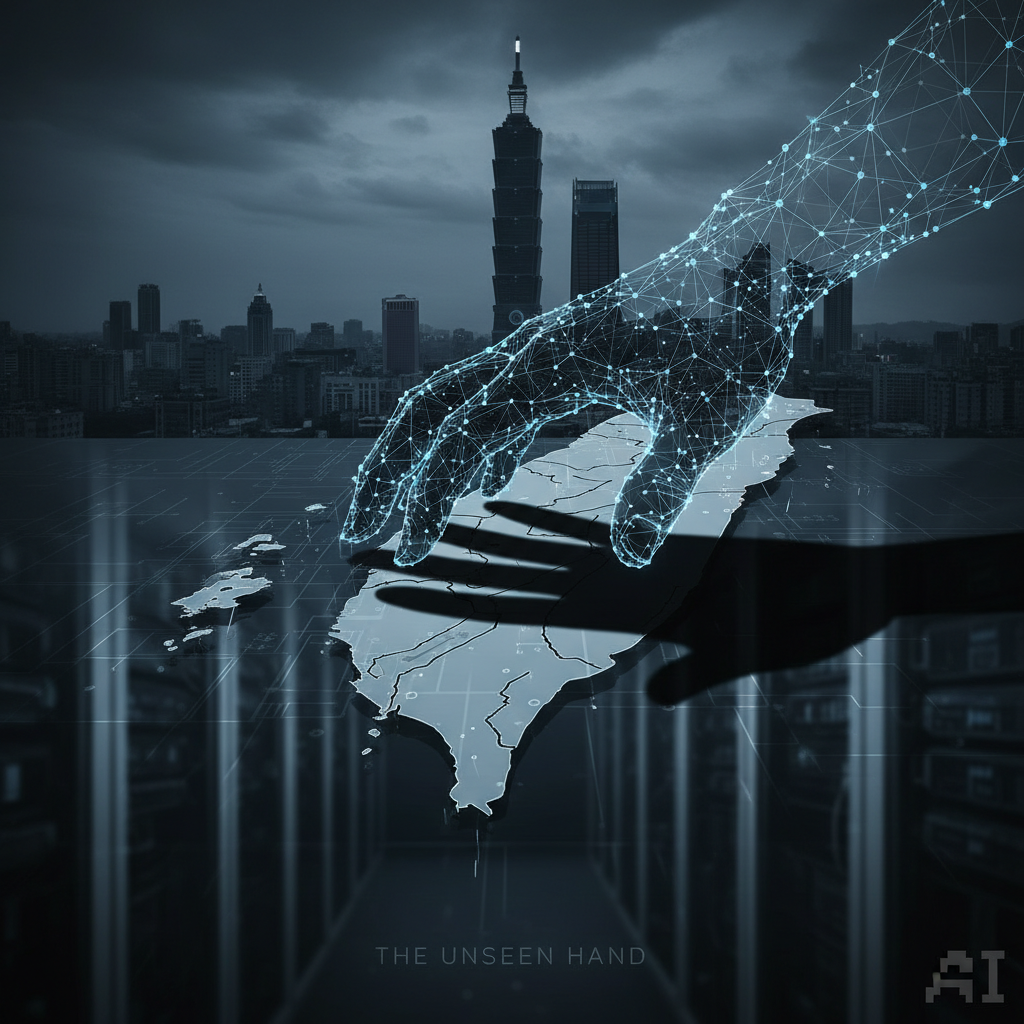
From Silicon Valley to Shenzhen, the conversation is dominated by technical specifications: teraflops per watt, model sizes, the sheer computational grunt of the next-generation neural processing units. But here in South Korea, where digital life is as intertwined with daily existence as kimchi is with a meal, we see a deeper, more profound implication. The real game changer for edge AI is not just about speed or efficiency, it is about privacy, security, and ultimately, digital sovereignty. It is about reclaiming control from the cloud giants and putting it back in the hands of the individual, or at least, the device they own.
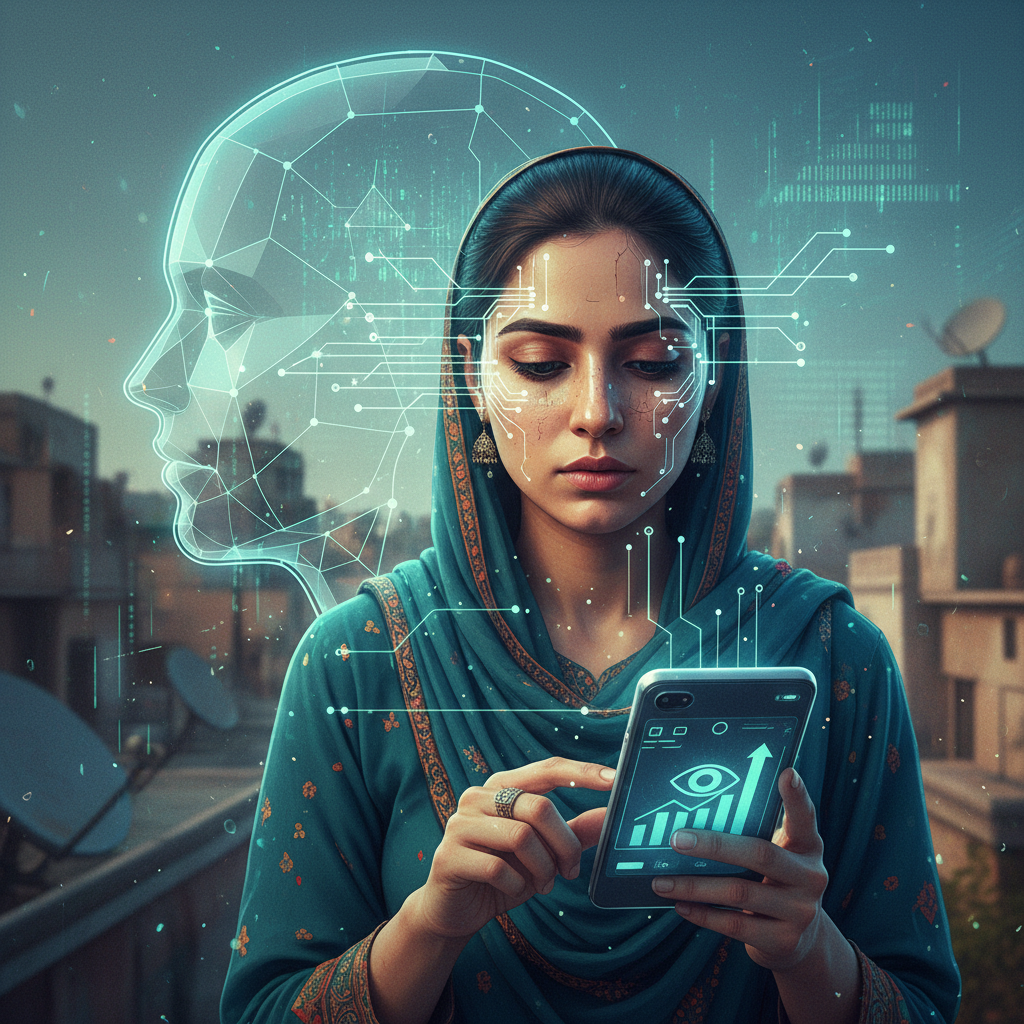
Think about it. For years, every interaction with an AI, every voice command to a digital assistant, every personalized recommendation, has meant sending your most intimate data to a remote server farm somewhere in the world. Your habits, your preferences, your voice, your face, all sucked into the maw of a few colossal corporations. We were told this was the price of convenience, the necessary evil for intelligent services. But what if it wasn't? What if the very act of processing AI locally, on the device itself, fundamentally alters that equation?
"The Western narrative around edge AI often prioritizes speed and cost reduction for businesses, overlooking the profound societal impact of data localization," says Dr. Kim Min-Joon, a leading AI ethics researcher at Kaist. "We've seen the vulnerabilities of centralized data. On-device intelligence offers a genuine path towards mitigating those risks, not just for individuals but for national security as well." He is not wrong. The K-wave is coming for AI too, and it is bringing a focus on user-centric design that prioritizes trust.
Consider the implications for health data. Imagine an AI on your Samsung Galaxy Ring or Apple Watch that can detect early signs of illness, analyze your sleep patterns, or even monitor your mental health, all without sending a single byte of raw biometric data to a third-party server. This is not science fiction, it is the immediate future. Companies like Samsung, with their deep expertise in hardware and consumer electronics, are uniquely positioned to lead this charge, integrating powerful NPU chips directly into their devices, making privacy a feature, not an afterthought.
Of course, the skeptics will argue that on-device AI is inherently limited. They will point to the massive, multi-billion parameter models that require server farms the size of small cities to train and run. They will say that true intelligence, the kind that powers generative AI breakthroughs, can never reside fully on a small, power-constrained device. And to some extent, they are right. For now. But that is missing the point. The trend is clear: smaller, more efficient models are constantly being developed, optimized specifically for edge deployment. MIT Technology Review often highlights the advancements in model compression and quantization, making powerful AI accessible on less robust hardware.
Furthermore, the hybrid approach is already taking hold. On-device AI can handle the immediate, privacy-sensitive tasks, while selectively offloading more complex, less personal queries to the cloud. This 'federated learning' model, where models are trained on decentralized data without ever exposing the raw information, is gaining significant traction. "We're moving towards an ecosystem where your device acts as your personal AI guardian," explains Lee Ji-Hye, Head of AI Research at LG Electronics. "It processes what it can locally, only sending anonymized, aggregated insights to the cloud for broader model improvement, never your raw data. This is a paradigm shift in how we conceive of data ownership and privacy." This is particularly relevant in a society like South Korea, where the line between public and private data has often been a contentious one, especially with the rise of smart city initiatives and ubiquitous surveillance.
The economic ramifications are also staggering. By reducing reliance on constant cloud connectivity and expensive data transfers, companies can lower operational costs. For consumers, it means more responsive applications and services, even in areas with spotty internet access. More importantly, it empowers local innovation. Startups in Seoul, like those focusing on personalized education or elder care, can develop AI solutions that respect user privacy from the ground up, without needing to navigate the complex and often prohibitive data governance policies of global cloud providers. This creates a fertile ground for bespoke, culturally relevant AI applications.
Anticipated counterarguments often revolve around the security of the devices themselves. If the AI is on the device, is it not more vulnerable to local attacks or tampering? This is a valid concern, but it is one that hardware manufacturers are actively addressing. Secure enclaves, hardware-level encryption, and robust operating system security are becoming standard features. The risk of a single device being compromised, while present, is arguably less catastrophic than a breach of a centralized cloud database containing billions of user profiles. A local breach affects one, a cloud breach affects millions or billions. The scale of potential damage is vastly different.
Moreover, the regulatory landscape is shifting. Governments worldwide are increasingly scrutinizing how personal data is collected, processed, and stored. The European Union's GDPR was just the beginning. In Asia, countries are developing their own stringent data protection laws. On-device AI offers a proactive solution to many of these regulatory challenges, allowing companies to comply with privacy mandates by design, rather than as an afterthought. This is a strategic advantage, not just a technical one.
My perspective is clear: the current obsession with cloud-centric AI is a relic of a bygone era. The future, particularly for consumer-facing AI, is undeniably on the edge. It is not merely about incremental improvements in speed, it is about a fundamental re-architecture of trust and control in the digital age. South Korea, with its powerhouse hardware manufacturers and a population acutely aware of digital privacy, is poised to lead this charge. We are not just building faster chips; we are building a more secure and private digital future. The rest of the world would do well to pay attention, because the real AI revolution is not happening in the cloud, it is happening in your pocket, on your wrist, and in your home, quietly, securely, and with a distinctly Korean emphasis on the human element. The future of AI is personal, and it is local. It is time everyone else caught up. For more insights on the broader implications of AI, check out Wired's AI section.