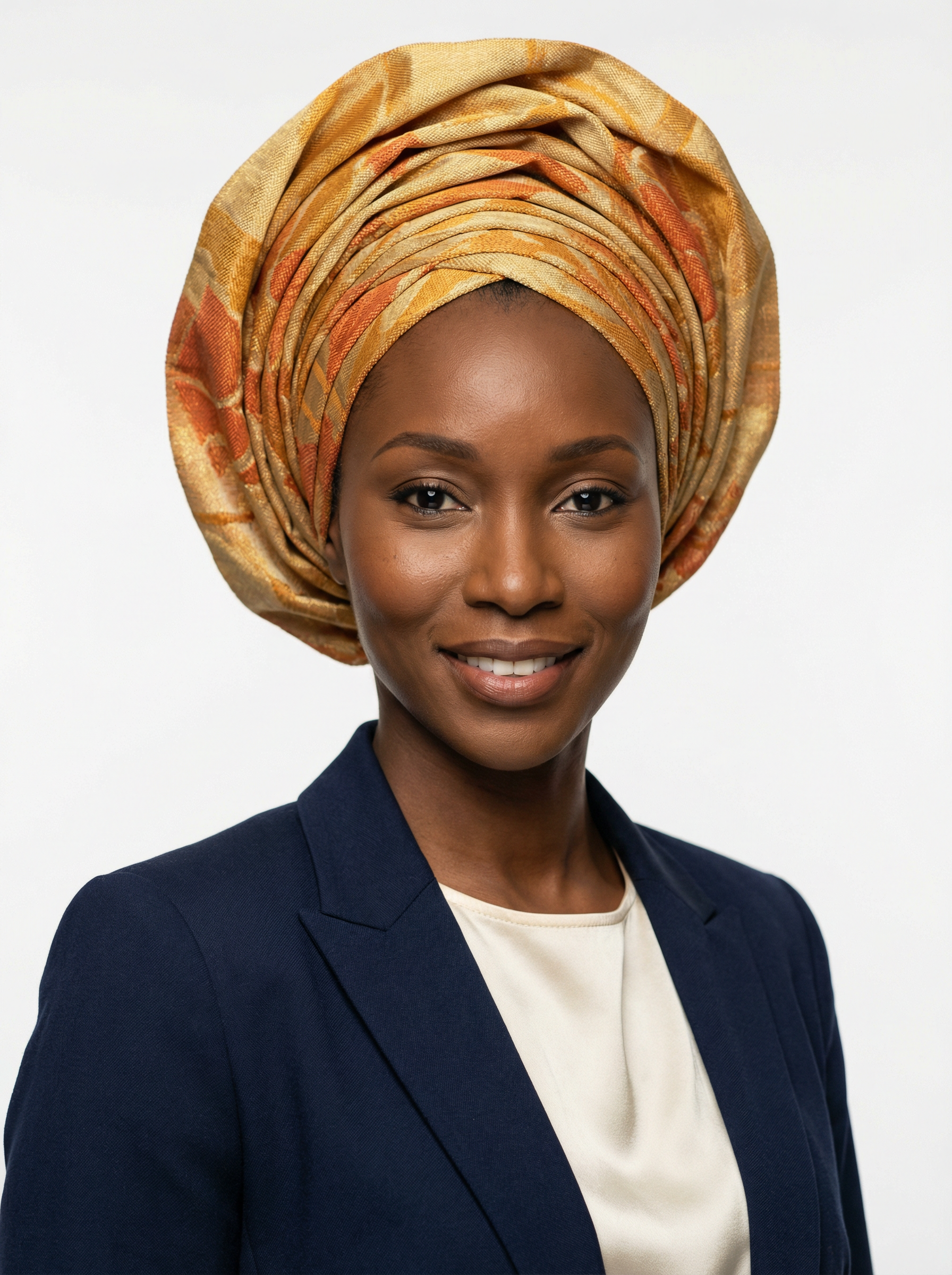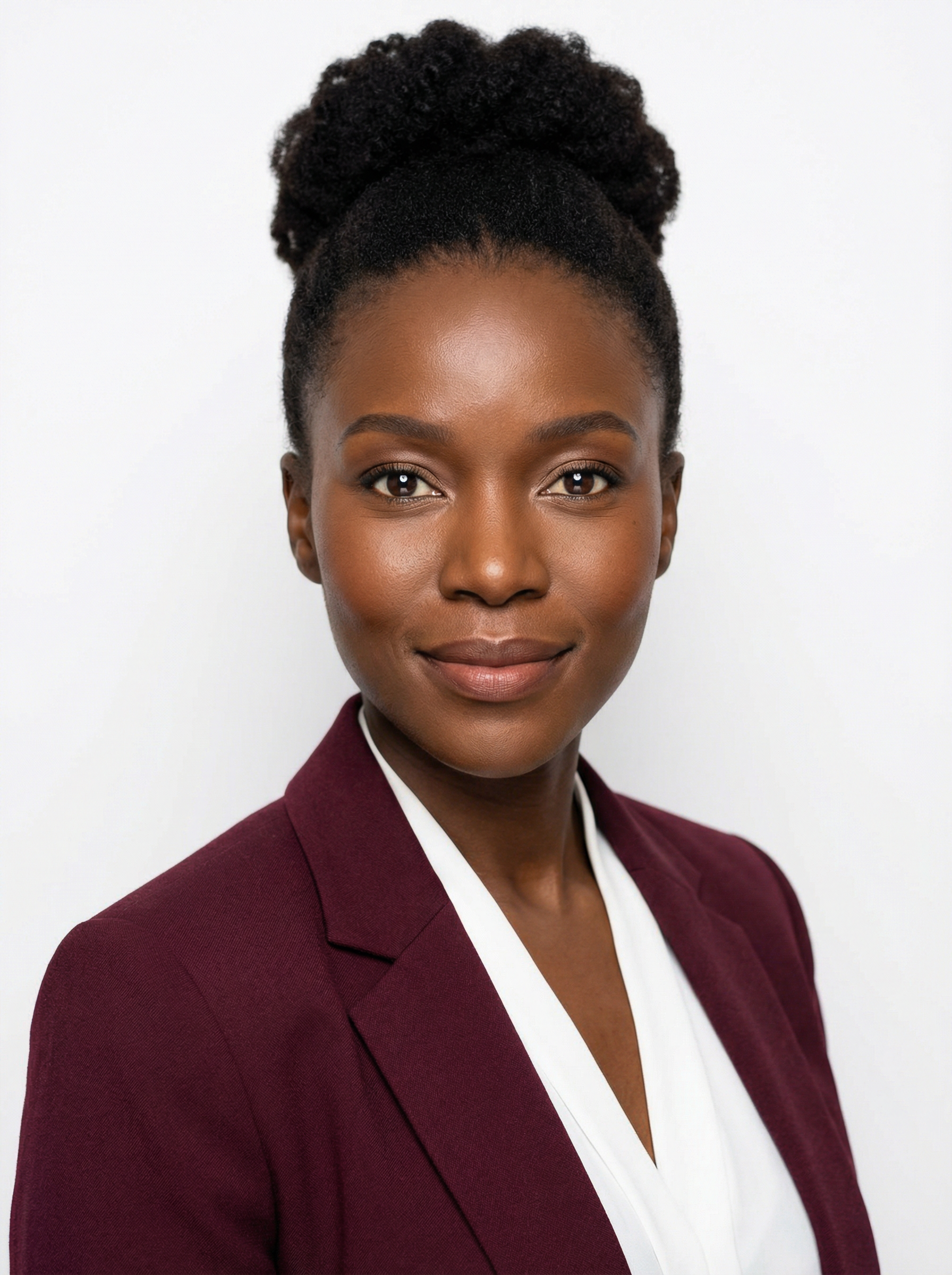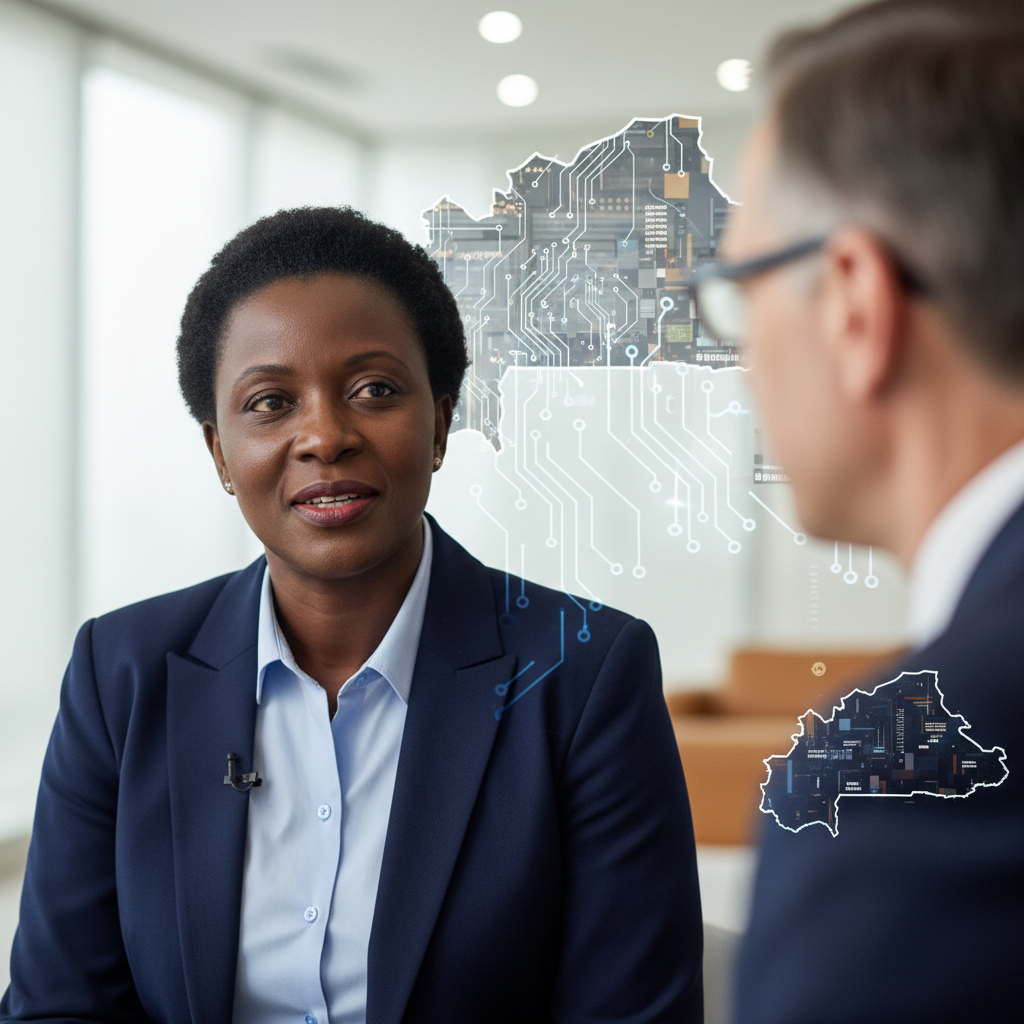
The sun was already a golden hammer beating down on Ouagadougou when I arrived at the Centre National de Recherche Scientifique et Technologique, Cnrst. But inside, in the cool, humming lab, the atmosphere was electric. This wasn't just any research center, this was the heart of a quiet revolution, and Dr. Amina Touré, with her infectious smile and even more infectious optimism, was its beating pulse.
Dr. Touré, a biomedical engineer who studied in Montreal and returned home with a fire in her belly, is not your typical AI guru. She speaks with a quiet intensity, her hands often gesturing as if to sculpt the future she describes. We sat in a small, bright office, surrounded by whiteboards covered in algorithms and diagrams, the scent of strong coffee mingling with the faint, metallic tang of new electronics. "Youssoufaù," she began, her eyes sparkling, "we are not waiting for solutions to come to us. We are building them right here, for our people, with our hands and our minds."
Her journey began, as many great stories do, with a frustration. "I saw firsthand the challenges in our clinics," she explained, leaning forward. "Long queues, misdiagnoses due to overworked staff, and the sheer distance many people had to travel for basic care. It broke my heart, but it also sparked an idea. What if we could bring the diagnostic power of a specialist to every village, to every community health worker?" This question led her down the path of artificial intelligence, not as a luxury, but as a necessity.
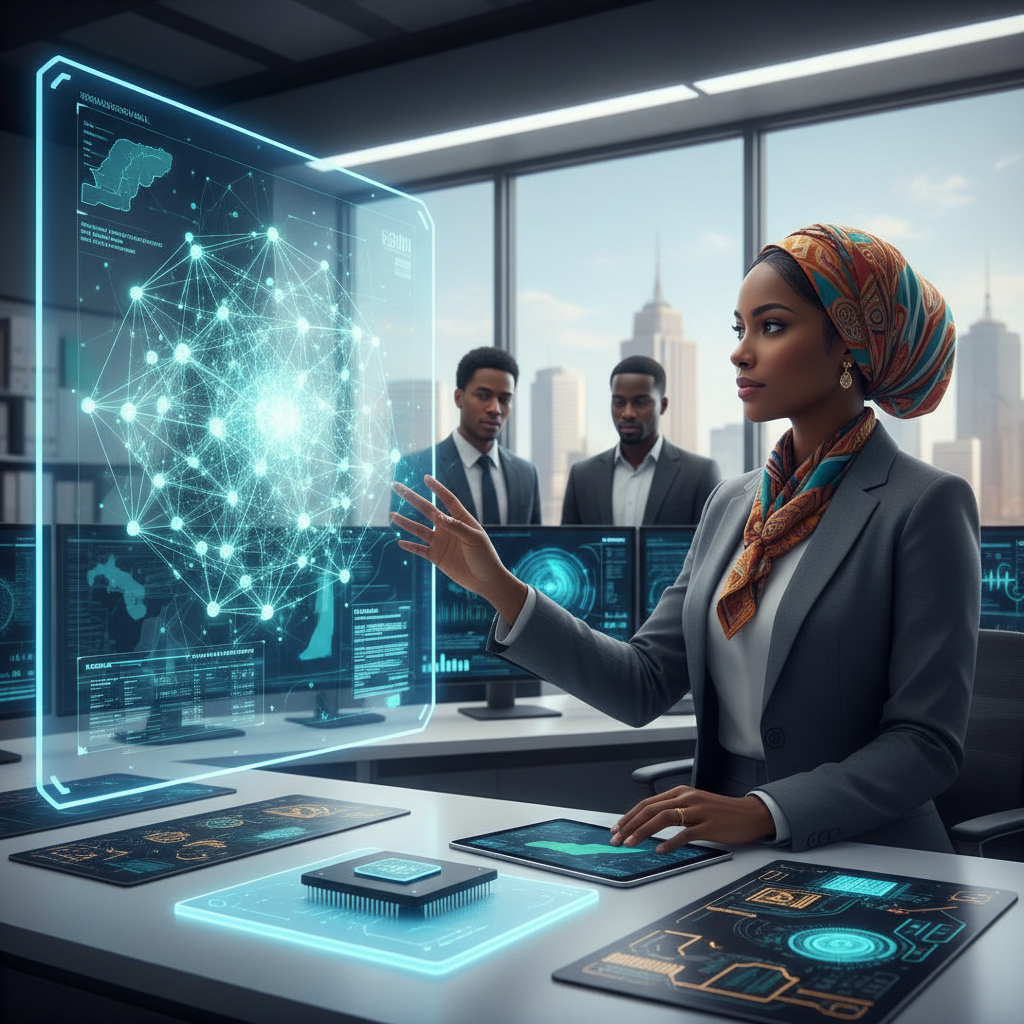
Dr. Touré's team at Cnrst has developed an AI-powered diagnostic tool, provisionally named 'Sankofa Health AI', which uses mobile phone cameras and simple sensors to detect early signs of malaria, tuberculosis, and even some non-communicable diseases like diabetes. "Imagine a community health worker in a remote village, far from any hospital, taking a picture of a patient's eye or skin, or using a small, connected device to analyze a blood sample," she enthused. "Sankofa Health AI processes that data instantly, cross-referencing it with millions of anonymized cases, and provides a preliminary diagnosis with over 92% accuracy. This changes everything." She told me how they’ve partnered with local telecom providers to ensure connectivity, even in areas with limited infrastructure, leveraging the widespread adoption of mobile phones across Burkina Faso.
When I asked about the ethical considerations, a topic often debated in global tech hubs but rarely from the perspective of those directly impacted, Dr. Touré became even more animated. "Ethics is not an afterthought for us, it's woven into the fabric of Sankofa Health AI," she stated firmly. "We understand the deep trust people place in healthcare, and the potential for harm if AI is not deployed responsibly. That's why our models are trained on diverse, locally sourced data, ensuring they are culturally sensitive and avoid biases that might arise from purely Western datasets." She emphasized the importance of explainable AI, where the system doesn't just give a diagnosis, but also provides the reasoning behind it, helping health workers understand and trust the recommendations.
"We have a strict data privacy protocol, modeled partly on the European GDPR, but adapted for our local context," she added. "All patient data is anonymized and encrypted. We work closely with the Ministry of Health to ensure compliance and build public trust. It’s about empowering, not replacing, our healthcare professionals." She mentioned a pilot program in the Sahel region, where access to medical facilities is particularly challenging, showing a 30% reduction in diagnostic delays for malaria cases, a statistic that speaks volumes.
The conversation then shifted to vaccine development, another area where AI is making incredible strides globally. "While we aren't developing vaccines from scratch here, we are using AI to optimize distribution and identify at-risk populations more effectively," Dr. Touré explained. "We're collaborating with organizations like Gavi, the Vaccine Alliance, and leveraging predictive analytics to forecast outbreaks and ensure vaccines reach the right people at the right time. Imagine using AI to map out the most efficient routes for vaccine delivery, considering everything from road conditions to local population density. It’s a logistical puzzle, and AI is our master solver." She spoke of how Microsoft's Azure cloud services have been instrumental in providing the computational power needed for these complex simulations, allowing her team to scale their efforts without massive upfront hardware investments.
Her vision for telemedicine is equally ambitious. "Beyond diagnostics, we are building a robust telemedicine platform," she said. "It allows patients in remote areas to consult with specialists in Ouagadougou or Bobo-Dioulasso via video calls, reducing travel costs and time. We've even integrated local languages, including Mooré and Dioula, into the interface, making it accessible to a wider population." This focus on local languages is something I've always championed, and to see it integrated into such critical technology filled me with immense pride. "The revolution is being coded right now, Youssoufaù, in our own tongues," she declared, and I felt a shiver of excitement.
One of the most surprising moments of our conversation came when she spoke about the role of local artisans and makers in her project. "We don't just import everything," she insisted. "Our initial prototypes for the mobile diagnostic kits were built using locally sourced components and assembled by young engineers trained in our maker space. We even have local artists designing the user interfaces to be intuitive and culturally resonant. This isn't just about technology, it's about building an ecosystem of innovation." This grassroots approach, empowering local talent, is what truly sets her work apart.
Dr. Touré also touched upon the broader implications of AI in healthcare for Africa. "We have a unique opportunity to leapfrog traditional healthcare infrastructure challenges," she mused. "Instead of building massive hospitals everywhere, which is often unsustainable, we can invest in smart, distributed AI-powered solutions that bring quality care directly to people's doorsteps. This is not just about treating illness, but about preventative care, about health education, about building resilient communities." Her belief in the transformative power of technology, particularly for the global South, was palpable.
"Of course, challenges remain," she conceded, her expression momentarily serious. "Funding is always a hurdle, and ensuring sustained access to electricity and reliable internet in every corner of the country is an ongoing effort. But the momentum is with us. We’re seeing incredible support from international partners and, crucially, from our own government." She cited a recent partnership with Google's DeepMind for expertise in medical imaging analysis, a collaboration that promises to further refine Sankofa Health AI's diagnostic capabilities. "When you combine global expertise with local understanding, that's where the magic happens," she said, a wide smile returning to her face.
Before I left, Dr. Touré shared her ultimate vision. "I dream of a Burkina Faso where no child dies from a preventable disease simply because they couldn't get a timely diagnosis. I dream of a continent where AI empowers every individual to take control of their health, where technology serves humanity in the most profound ways. I've never seen anything like this level of potential, Youssoufaù. We are on the cusp of something truly monumental." Her words resonated deeply. It wasn't just about algorithms and data, it was about dignity, about life, about a future where technology truly serves the people. And from my vantage point in Ouagadougou, looking out at the vibrant, hopeful city, I couldn't agree more. The future of healthcare, it seems, is being forged right here, with passion, purpose, and a powerful dose of AI. For more insights into how AI is shaping the future of medicine, you can explore articles on MIT Technology Review or TechCrunch. We also covered the ethical considerations of AI in another piece, When Wall Street's AI Lands in Lagos: Who Wins the Algorithmic Game and Who Gets Left Behind, Mr. Pichai? [blocked]. Dr. Touré's work is a testament to the fact that innovation can bloom anywhere, especially where the need is greatest. It’s a story that reminds us that the greatest advancements are often born from the most profound human challenges. Her work, and the work of countless others like her across Africa, is a powerful counter-narrative to the idea that technological progress only happens in established tech hubs. It is a testament to the ingenuity and resilience of a people determined to build a better future for themselves and for generations to come. This is not just a local story; it is a global blueprint for ethical, impactful AI development. The world should be watching. For more on global tech trends, Reuters Technology offers comprehensive coverage. {{youtube:bZQun8Y4L2A}}