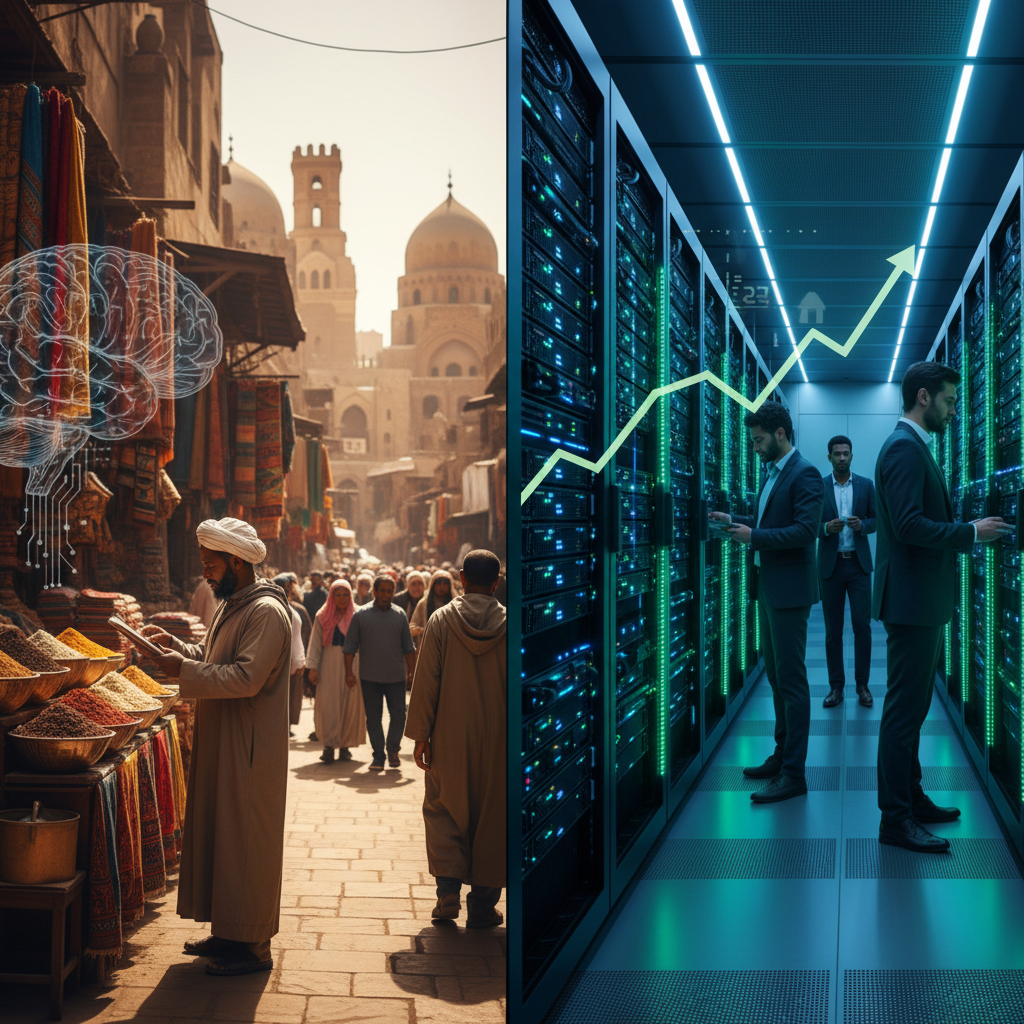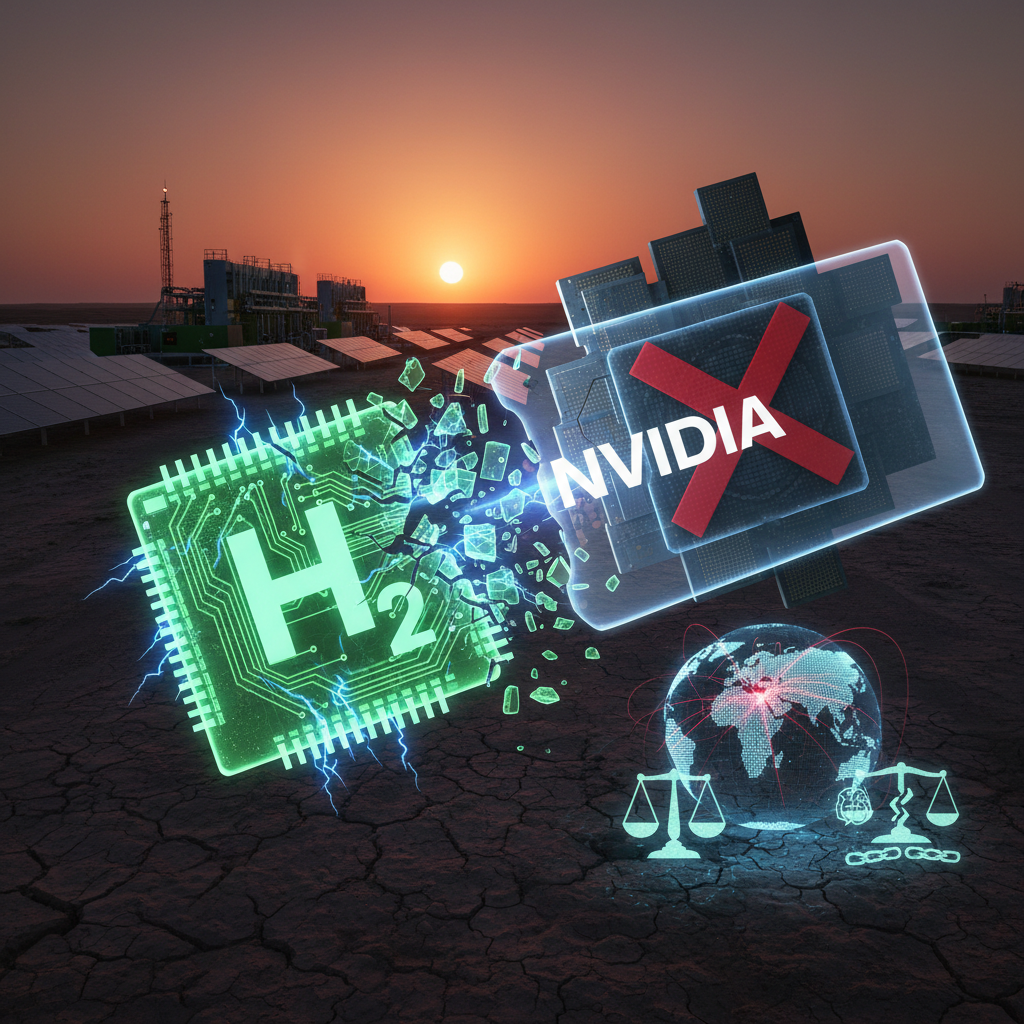
The air in Casablanca, usually thick with the scent of mint tea and the hum of commerce, is now charged with a new kind of tension. Just yesterday, a bombshell announcement from Washington landed with the force of an Atlantic wave: new export controls, specifically targeting advanced AI accelerators from NVIDIA, will now apply to a broader range of countries, including those in North Africa. The stated aim is to prevent these powerful chips from falling into the hands of nations deemed a national security risk, yet the immediate collateral damage is being felt keenly in Morocco, a nation positioning itself as a global leader in green hydrogen production, powered by cutting-edge AI.
This isn't just about a few computer chips, my friends. This is about the very nervous system of our future economy, particularly here in Morocco where we have staked so much on renewable energy and AI innovation. Our vision for a green hydrogen superpower, fueled by abundant solar and wind, relies heavily on sophisticated AI models for everything from optimizing electrolysis processes and managing smart grids to predicting energy demand and maintaining complex infrastructure. NVIDIA's H100 and upcoming B200 'Blackwell' chips were foundational to these plans, providing the computational muscle needed for the massive simulations and real-time data processing our projects demand. Now, that muscle has been effectively cut off.
“This is a significant setback, no doubt,” admitted Dr. Youssef El-Haj, Director of the Masdar Institute of Science and Technology in Rabat, speaking to DataGlobal Hub this morning. “We have invested heavily in AI research and infrastructure, partnering with international firms to develop models that can precisely manage our gigawatt-scale green hydrogen facilities. The computational requirements are immense. We were planning to deploy NVIDIA’s next-generation GPUs for our new AI-driven predictive maintenance systems and for optimizing our solar-to-hydrogen conversion rates. This embargo forces us to re-evaluate our entire hardware strategy, potentially delaying critical projects by months, if not years.”
The move comes amidst a broader landscape of escalating trade tensions and a global scramble for technological supremacy. The United States, increasingly wary of China's advancements in AI and its potential military applications, has been tightening export controls on advanced semiconductors for some time. What’s new is the expanded scope, catching nations like Morocco in the crossfire. Analysts suggest this is a preemptive measure, an attempt to create a wider buffer zone around cutting-edge AI capabilities, even if it means impacting allies and emerging markets.
“The geopolitical chess game being played out between global superpowers is now directly impacting our ability to innovate and build a sustainable future,” stated Aisha Benjelloun, a prominent tech entrepreneur and founder of an AI startup in Casablanca focused on smart grid solutions. “We are not a military power seeking to weaponize AI. We are a nation striving for energy independence and economic growth through green technology. Morocco sits at the crossroads of Africa, Europe, and the Arab world and that's our AI superpower, but this kind of broad-brush policy risks alienating potential partners and stifling innovation where it’s needed most.” Her frustration is palpable, mirroring the sentiment across the burgeoning Moroccan tech scene.
The data supports this concern. Morocco's National Energy Strategy aims for over 52% of its installed electrical capacity to come from renewable sources by 2030, with green hydrogen positioned as a key export commodity to Europe. The government has already signed several multi-billion dollar memorandums of understanding with international partners, including Germany and Portugal, for green hydrogen production. The success of these initiatives hinges on efficiency, and efficiency in this domain is increasingly synonymous with AI optimization. According to a recent report by the International Renewable Energy Agency (irena), AI can boost green hydrogen production efficiency by up to 15-20%, significantly reducing costs and accelerating deployment. This NVIDIA embargo directly threatens those gains.
So, what happens next? The immediate reaction from Moroccan officials has been one of diplomatic engagement. Sources within the Ministry of Energy Transition and Sustainable Development indicate that high-level discussions are already underway with US counterparts, seeking clarification and potential exemptions. The argument is clear: Morocco’s AI ambitions are purely civilian, focused on climate action and economic development, not military applications. The Sahara is vast, but the data flowing across it is vaster, and we need the tools to harness it for good.
Meanwhile, the local tech community is already pivoting. There’s a renewed focus on open source alternatives and exploring partnerships with other chip manufacturers. “This could be a wake-up call,” suggested Dr. Karim Alami, a professor of computer science at Mohammed V University in Rabat. “While NVIDIA has been dominant, this forces us to diversify our supply chain. Perhaps it will accelerate the development of indigenous AI hardware solutions or strengthen collaborations with companies like AMD or even Chinese manufacturers, despite the political complexities. It’s a challenge, yes, but also an opportunity to build more resilient, sovereign AI infrastructure.” He points to the growing interest in Risc-v architecture and specialized AI accelerators from European and Asian firms as potential avenues.
This incident underscores a critical lesson for emerging tech hubs like Morocco: reliance on a single, geopolitically sensitive supply chain is a precarious gamble. The dream of becoming a global green hydrogen leader, powered by AI, remains strong, but the path has just become significantly more complex. The question now is not just about securing chips, but about securing technological autonomy in a world increasingly fractured by trade wars and national interests. Casablanca is becoming the AI capital nobody expected, but its future hinges on navigating these turbulent global currents.
For businesses and governments alike, this breaking news serves as a stark reminder. Diversification, resilience, and strategic diplomacy are no longer optional in the global AI race. They are existential necessities. The ripple effects of this decision will be felt far beyond the data centers of Morocco, reshaping investment flows and technological partnerships across the African continent and beyond. The future of green energy and AI innovation in North Africa now hangs in the balance, awaiting the next move in this high-stakes geopolitical game. The world is watching, and so are we, here at DataGlobal Hub, as this developing story unfolds. For more on the global AI supply chain, you can read analyses on MIT Technology Review or follow breaking news on Reuters Technology.