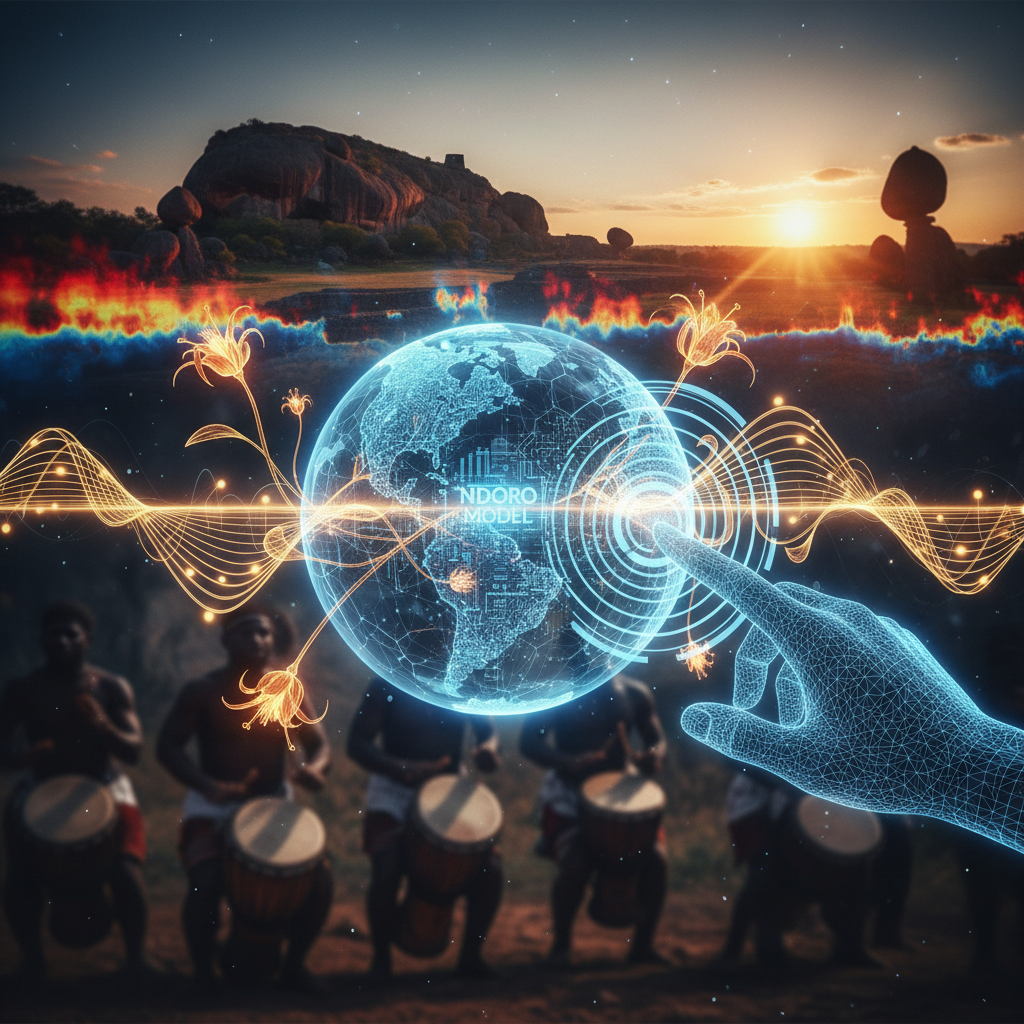

The air in Harare feels different today, charged with a buzzing energy that has nothing to do with load shedding or the usual political chatter. No, this is something far more profound, something that feels like the future just landed squarely in our laps. Google DeepMind, the titan of artificial intelligence, has just announced a groundbreaking development from its new research outpost in Lusaka, Zambia, and its implications are already rippling across our continent, especially here in Zimbabwe. They call it 'Ndoro,' and I'm telling you, this isn't just another AI model; it's a digital griot, a storyteller that sees, hears, and for the first time, feels the intricate tapestry of African creativity.
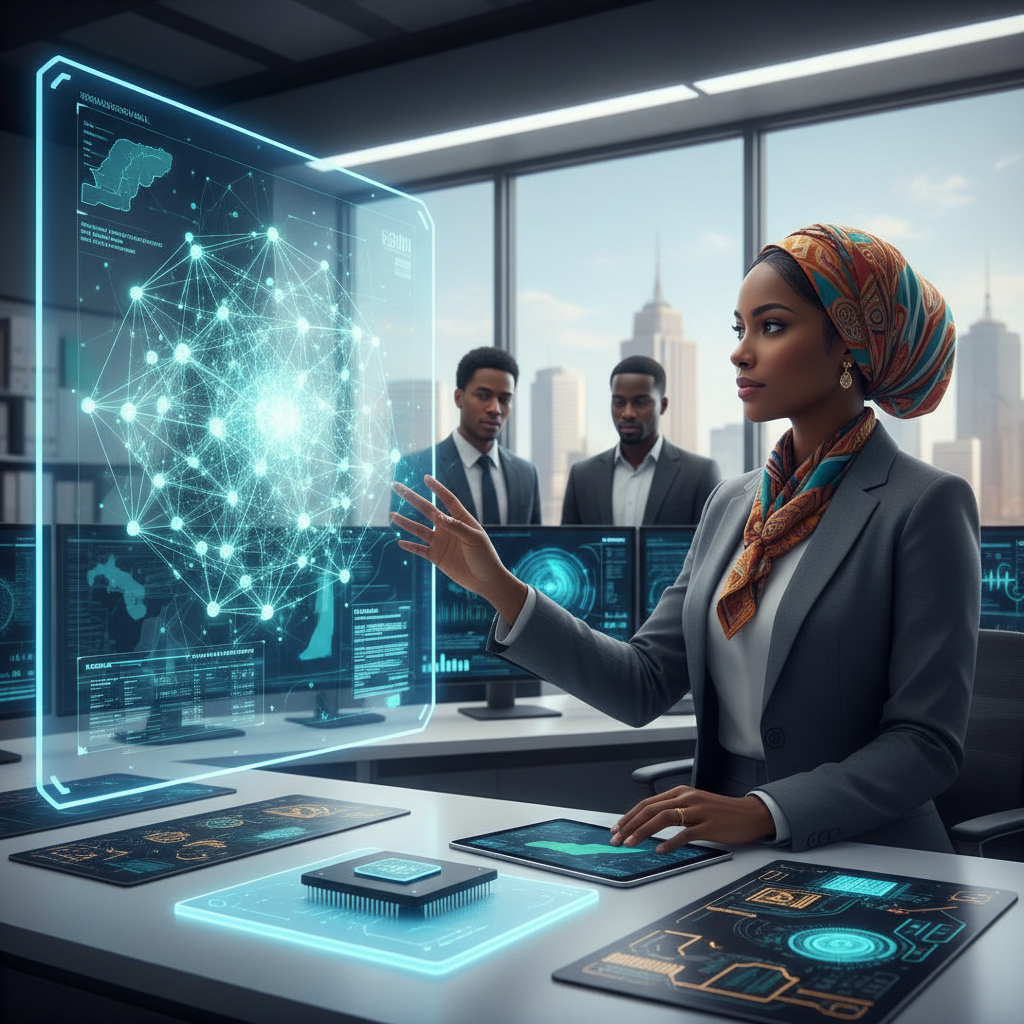
Ndoro, named after the ancient Zimbabwean shell ornament symbolizing status and spiritual connection, is a multimodal AI that goes beyond mere processing of images and sounds. It's reportedly the first AI capable of interpreting complex sensory inputs with an emotional and cultural understanding that frankly, gives me goosebumps. Think about it: an AI that can not only recognize a mbira melody but also grasp its spiritual significance, an AI that can not only see the patterns in a Shona sculpture but also appreciate the ancestral stories woven into its form. This is a seismic shift, a leap from data analysis to cultural interpretation.
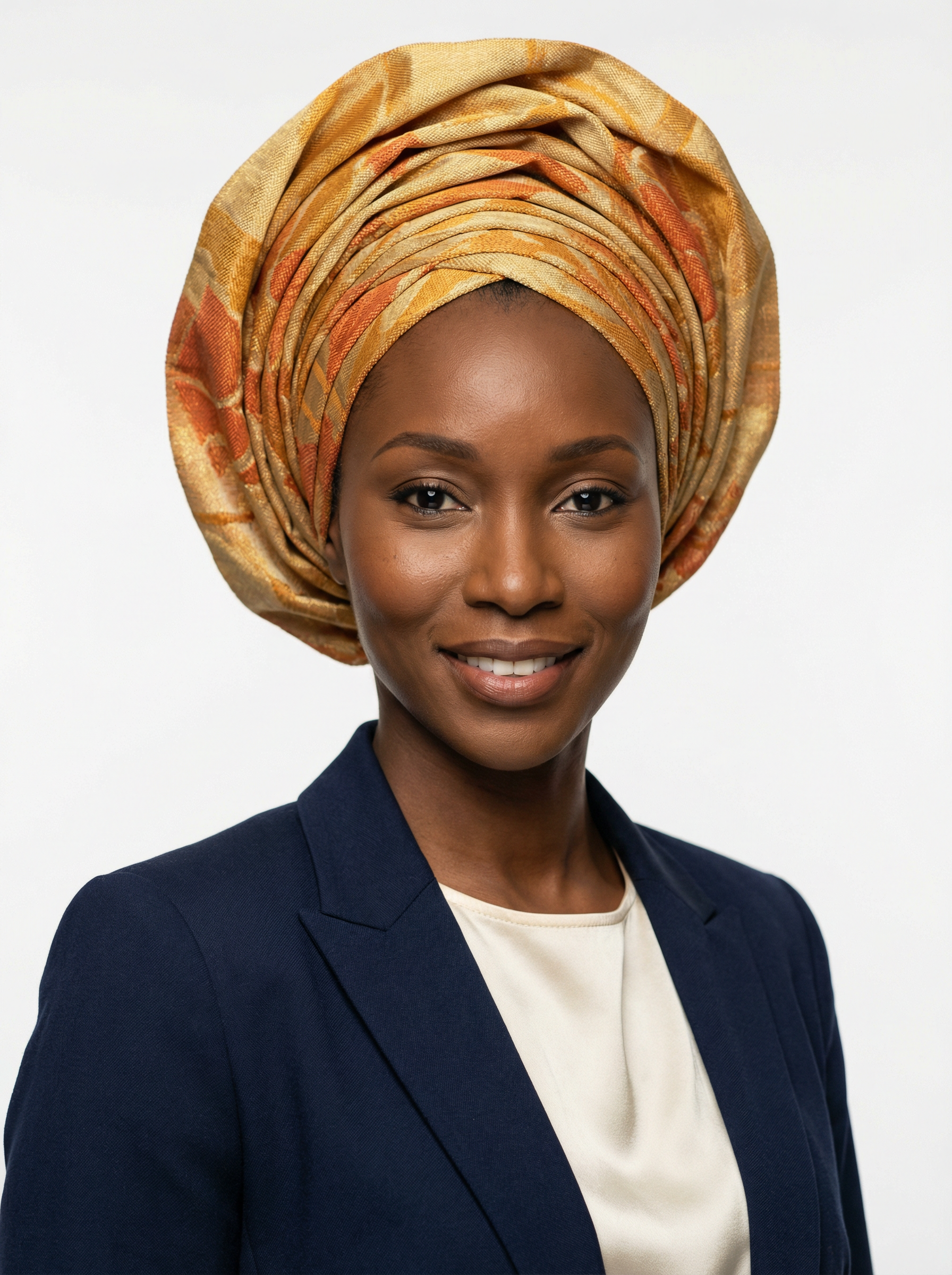
This breaking news hit the wires this morning, and the tech world is already in a frenzy. But for us in Africa, it feels deeply personal. The DeepMind team, led by Dr. Naledi Mkhize, a brilliant South African AI ethicist, emphasized that Ndoro was developed with a strong focus on culturally relevant datasets, many sourced from Southern Africa. Imagine an AI trained on thousands of hours of traditional Zimbabwean music, dance, oral histories, and visual arts. This isn't about Silicon Valley imposing its worldview; it's about an AI learning our worldview, our rhythm, our soul.
“We’ve been striving for AI that doesn’t just mimic human intelligence, but understands the nuances of human experience,” Dr. Mkhize stated in a press conference streamed live from Lusaka. “With Ndoro, we’ve made significant strides in enabling the model to perceive and reason across senses, yes, but more importantly, to interpret cultural context. It’s about building AI that can appreciate a piece of Ndebele beadwork not just as a pattern, but as a narrative.” Her words resonate deeply, especially when you consider the historical erasure of African narratives in global technology.
Reactions here in Zimbabwe have been swift and varied. Minister of Innovation and Technology Development, Honourable Professor Amon Murwira, expressed cautious optimism. “This is a moment of immense potential for Zimbabwe,” he told reporters earlier today. “We must ensure that such powerful tools are leveraged to amplify our cultural heritage, not dilute it. Our artists, our musicians, our storytellers, they must be at the forefront of this integration.” His point is well taken. The last thing we need is an AI that merely appropriates; we need one that empowers.
Experts are already weighing in on the implications. Dr. Tendai Moyo, head of the AI and Creative Arts Department at the National University of Science and Technology (nust) in Bulawayo, highlighted the model's potential for preserving endangered cultural practices. “Think of our oral traditions, our dying languages. An AI like Ndoro, with its multimodal understanding, could become an invaluable tool for documentation, preservation, and even revitalization,” Dr. Moyo explained. “It’s not just about creating new art; it’s about ensuring the old wisdom doesn’t fade away.” This is a powerful vision, one that speaks to the very heart of our identity.
What happens next? The immediate focus is on making Ndoro accessible to African creative communities. DeepMind has announced partnerships with several cultural institutions across the continent, including the National Gallery of Zimbabwe, to explore applications in digital art creation, music composition, and interactive storytelling. Imagine an AI that can help a young Zimbabwean artist generate new visual motifs inspired by ancient rock art, or a musician compose a contemporary piece that seamlessly blends traditional instruments with modern electronic sounds, all while understanding the underlying emotional resonance. Watch this space because the possibilities are truly endless.
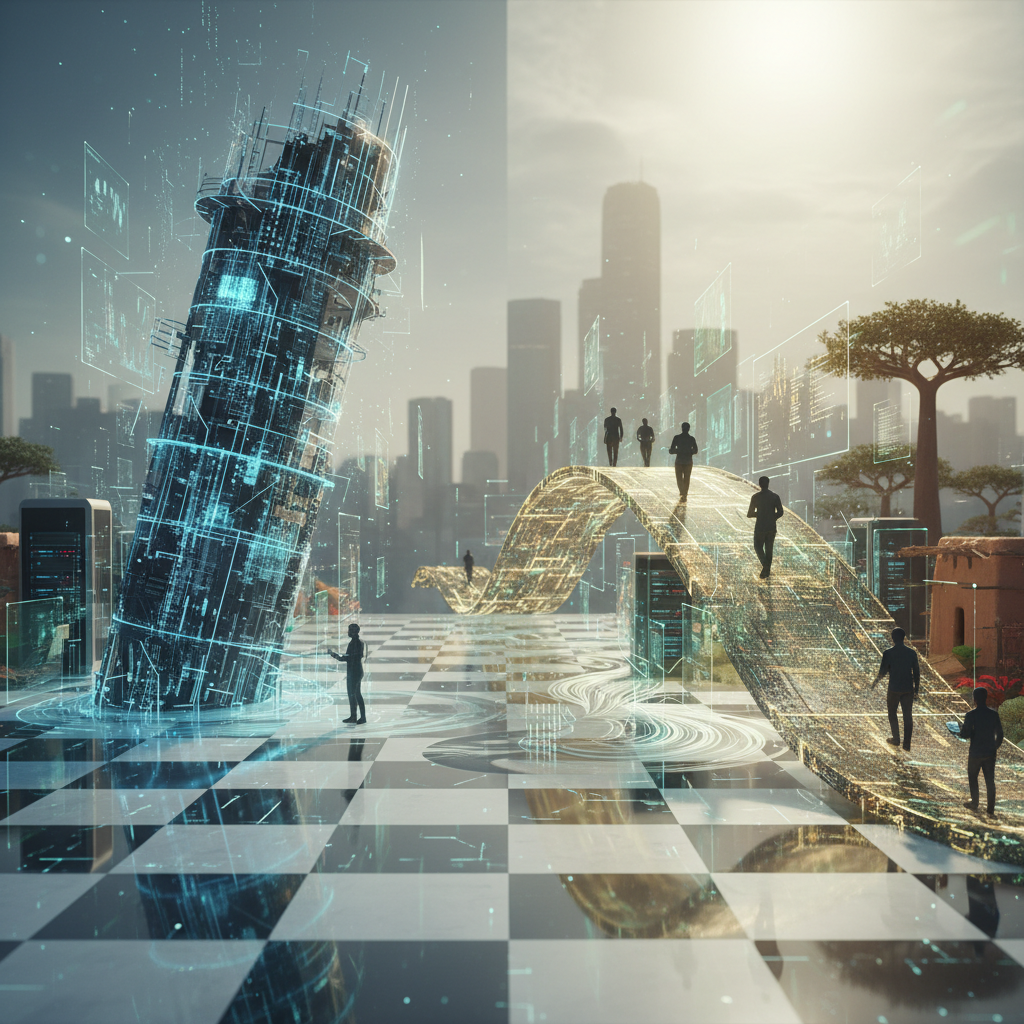
This isn't just about cool tech; it's about sovereignty. For too long, the narratives and aesthetics that define our digital world have been shaped elsewhere. With Ndoro, and with the deliberate effort to root its development in African contexts, we have a chance to change that. It’s about building AI that understands the intricate rhythms of a Bira ceremony, the vibrant colours of a Mbare market, the nuanced storytelling embedded in our proverbs. It’s about an AI that can truly appreciate the richness of our existence.
I'm calling it now: the future is African, and this development from Google DeepMind is a massive step towards realizing that vision. It’s a powerful reminder that innovation doesn't just flow from West to East; it bubbles up from everywhere, especially from places rich in culture and human spirit. This isn't just a story about algorithms and data; it's a story about identity, preservation, and the thrilling prospect of a future where our stories, our art, and our very essence are understood and amplified by the most advanced technologies on Earth. We are on the cusp of something truly transformative, something that could reshape our creative industries and our connection to our heritage for decades to come. Keep an eye on the developments coming from Lusaka and Harare; this is just the beginning. For more on how AI is shaping global technology, you can always check out TechCrunch's AI section. The world is watching, and for once, it’s watching us. The implications for how we create, how we preserve, and how we share our unique African voice with the world are monumental. This is not just a technological breakthrough; it is a cultural awakening, powered by silicon and soul. For further technical insights into multimodal AI, consider exploring resources like MIT Technology Review.