The air in Abidjan, even in the quiet of a late afternoon, always hums with a certain energy. It is a city of dreams and relentless hustle, where the scent of attieke and grilled fish mingles with the exhaust fumes of countless taxis. But step outside the bustling metropolis, beyond the paved roads and shimmering glass towers, and you enter a different world. A world where connection is not a given, but a luxury, a distant whisper on the wind.
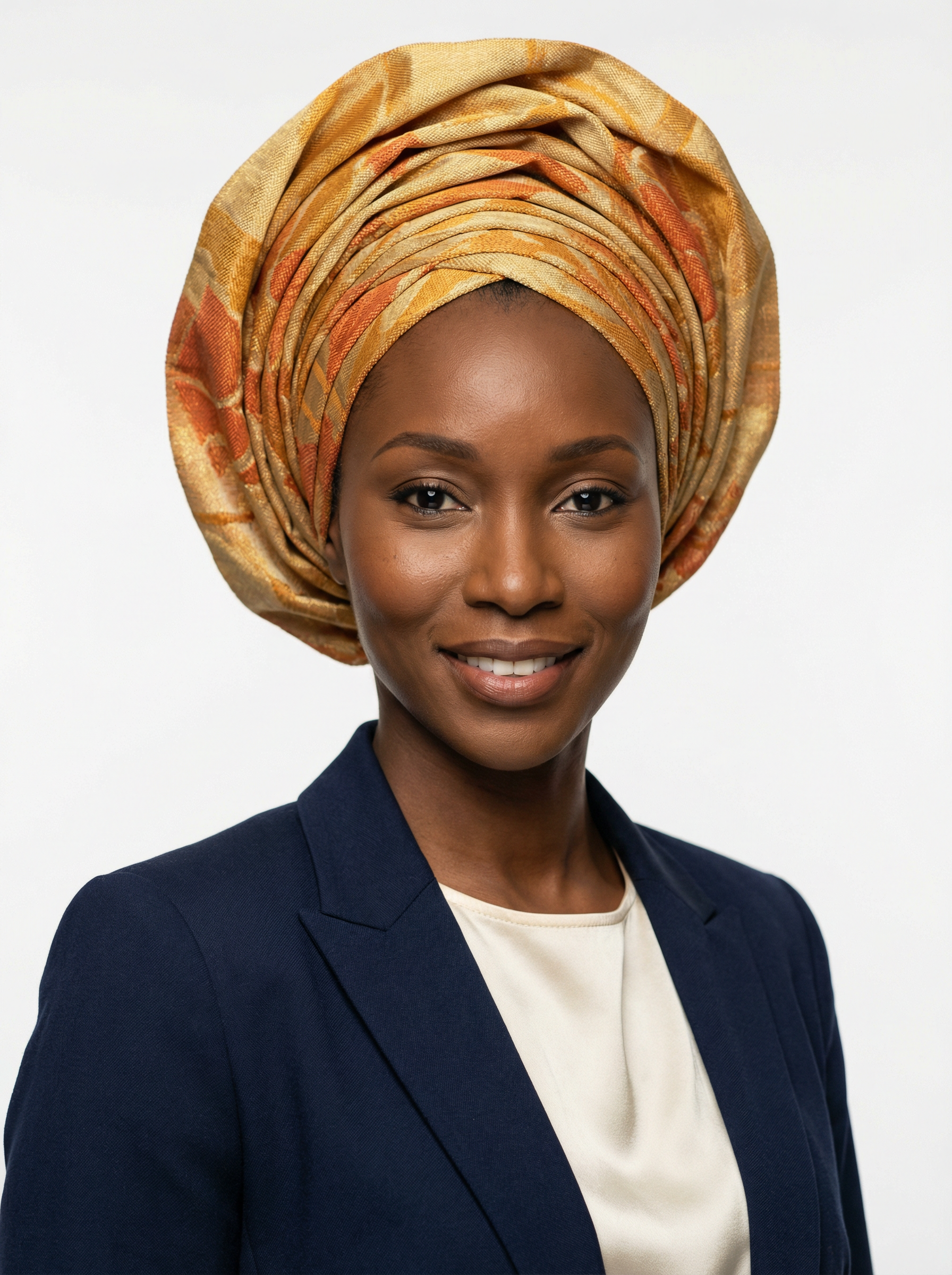
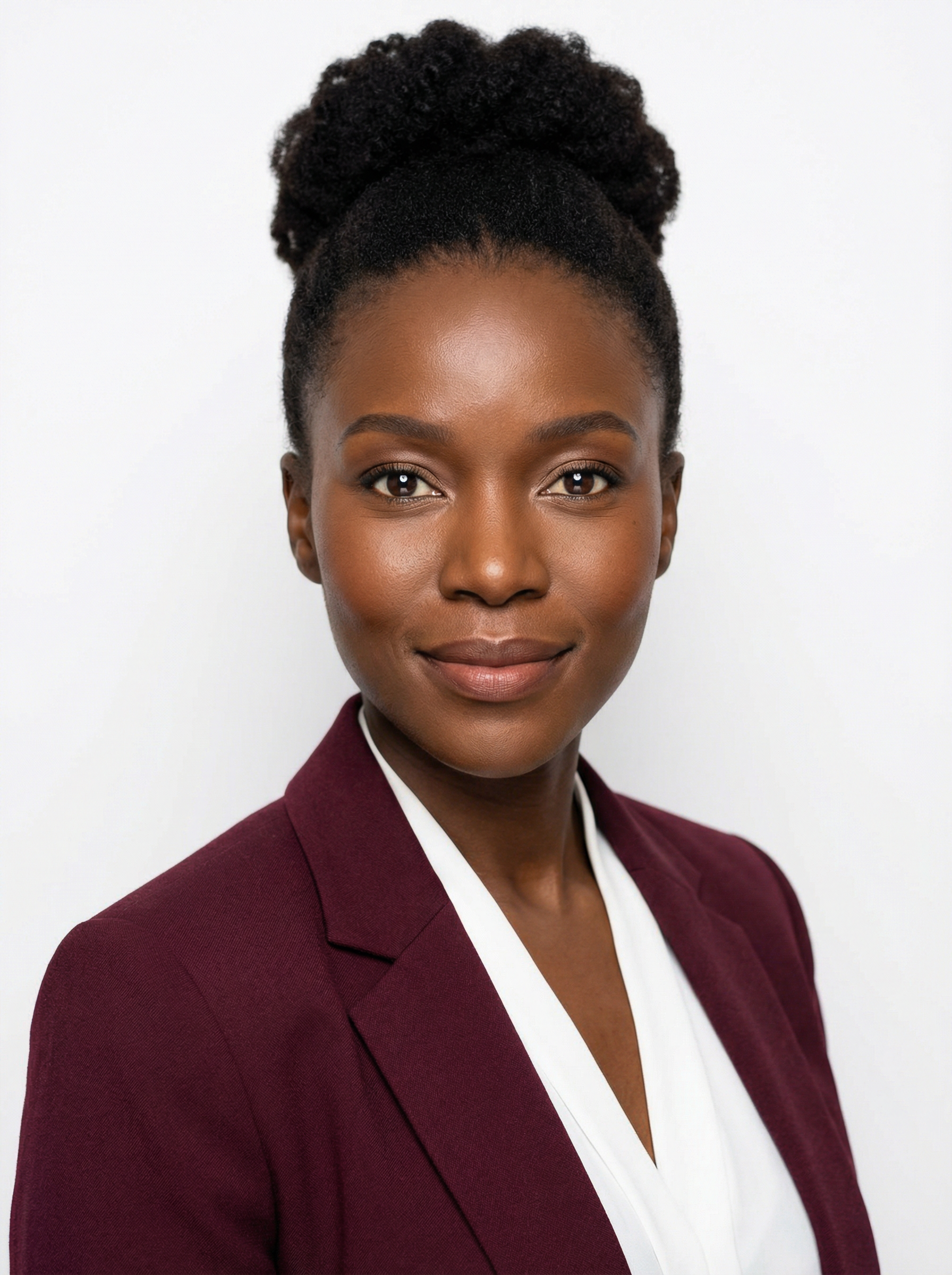
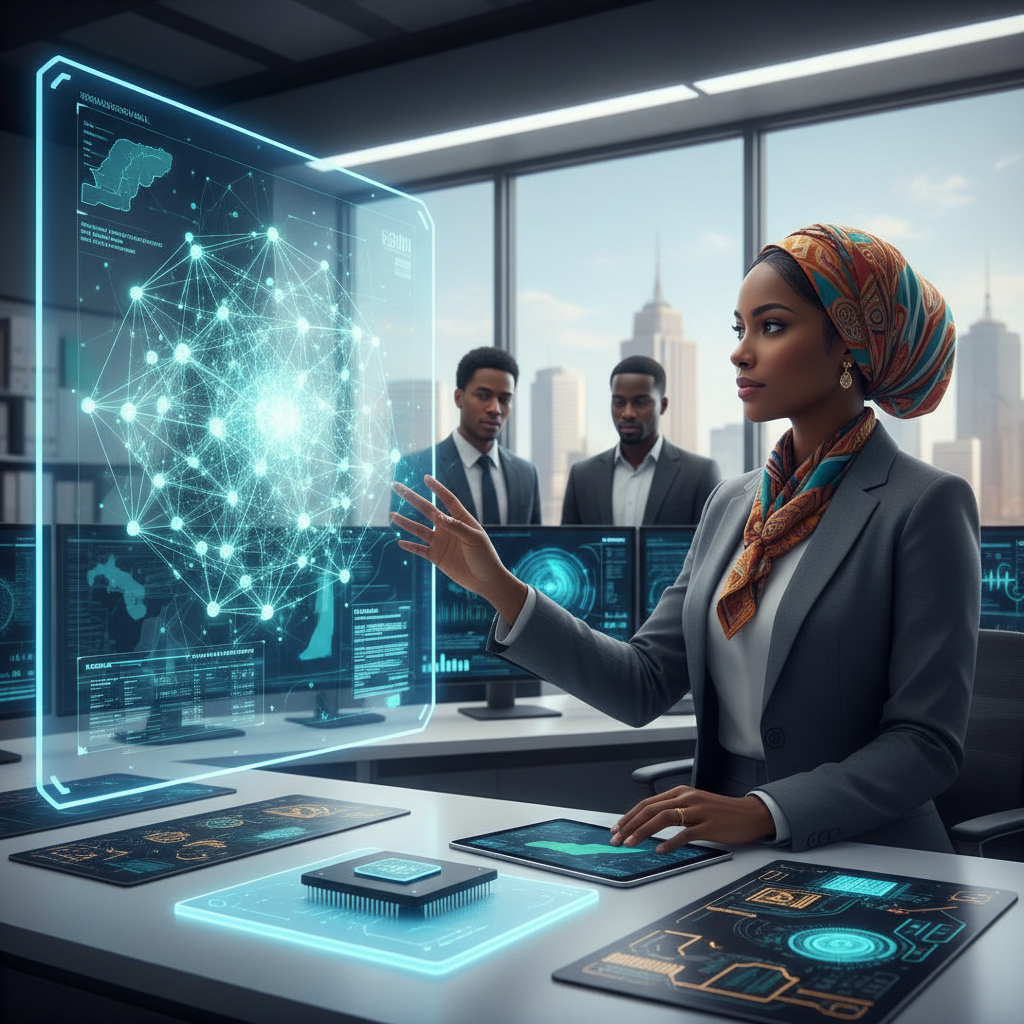
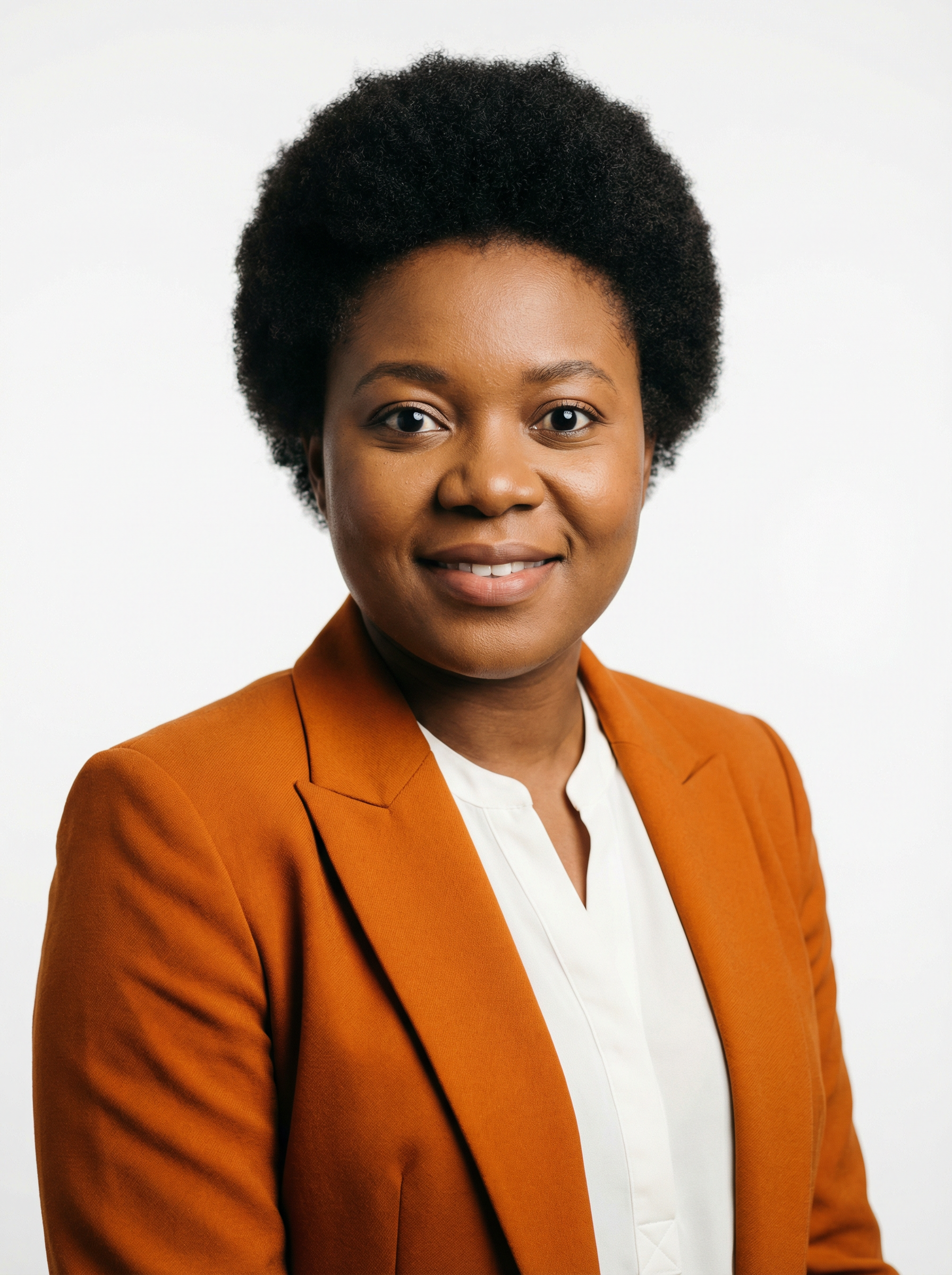
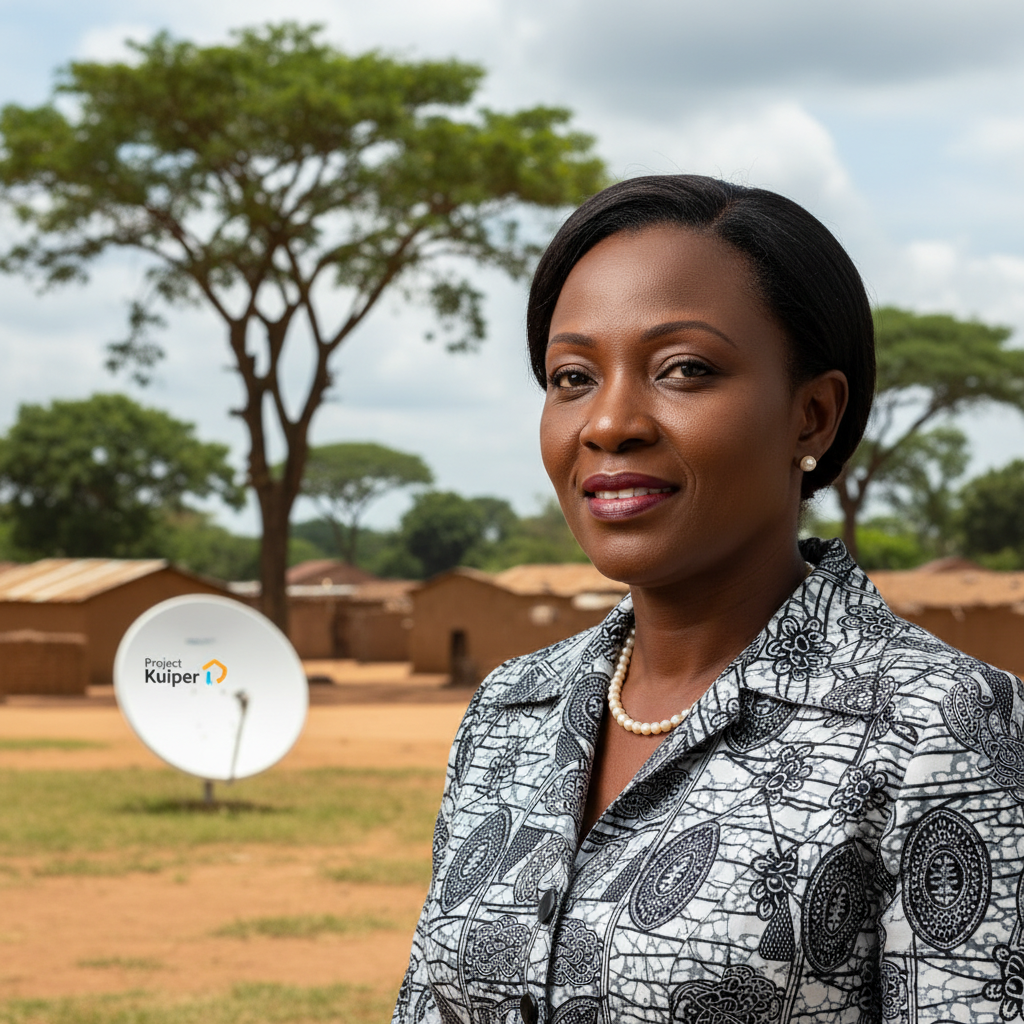
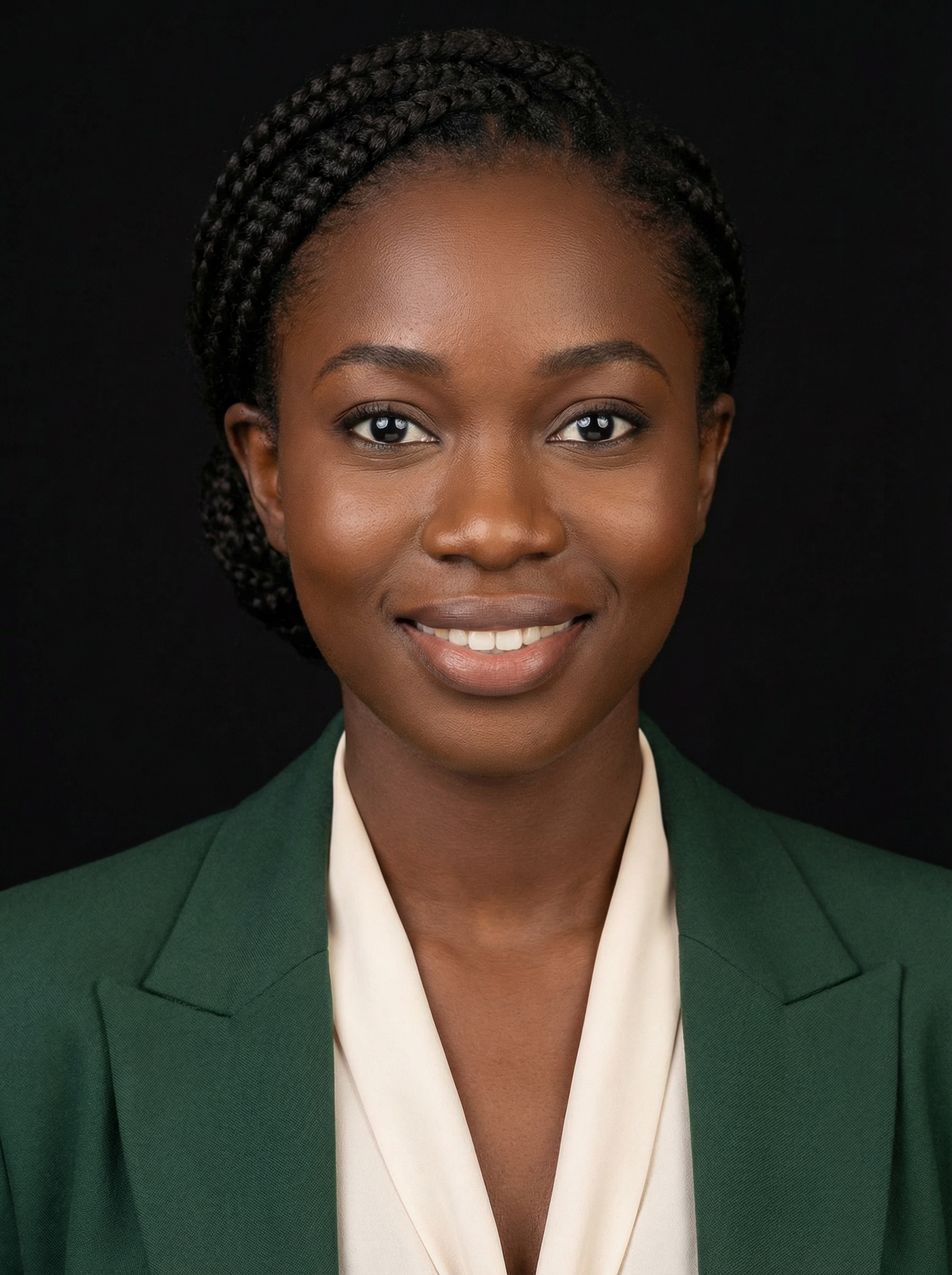
It was in this context that I found myself at the newly established Amazon Web Services (AWS) innovation hub in Cocody, a place buzzing with the quiet intensity of engineers and researchers. My appointment was with Dr. Aminata Diallo, a name that has become synonymous with digital transformation in our region. She is the lead architect for Project Kuiper’s African integration strategy, a role that places her at the forefront of bringing Amazon’s ambitious satellite internet constellation, coupled with AI-powered services, to communities like those I know so well from my own childhood.
Dr. Diallo greeted me with a smile that reached her eyes, a woman whose calm demeanor belied the immense responsibility on her shoulders. Her office, though modern, had touches of home: a vibrant Kente cloth draped over a chair, a small wooden sculpture from Korhogo on her desk. "Aïssatà, welcome," she said, her voice soft yet firm. "Please, sit. Let’s talk about connection, true connection."
A Journey Forged in Disconnection
Aminata’s journey to this pivotal role is as compelling as the technology she champions. Born in a small village near Man, in the mountainous west of Côte d'Ivoire, she understood the sting of isolation from a young age. "Picture this," she began, leaning forward slightly, "growing up, a phone call to a relative in Abidjan was an event. A trip to the nearest town with internet access was a full-day pilgrimage. Information, education, opportunities, they felt like distant stars only visible to those in the big cities." This personal experience, she explained, fueled her passion for technology, driving her to pursue computer science degrees first at Félix Houphouët-Boigny University, then abroad, eventually specializing in satellite communications and artificial intelligence.
Her early career saw her working with major tech firms in Europe and the United States, contributing to advancements in cloud computing and AI infrastructure. But the pull of home, and the stark reality of the digital divide in Africa, was constant. "I saw how AI was transforming industries globally, how cloud services were empowering businesses, yet so much of our continent was still offline, still waiting," she recalled, a hint of frustration in her voice. "When Amazon announced Project Kuiper, and then the opportunity arose to lead its integration here, I knew it was my calling. This is the story they don't want you to hear, the story of how global tech can truly serve local needs, not just global markets."
Kuiper's Promise: Beyond Just Internet
Project Kuiper, Amazon’s low Earth orbit (LEO) satellite constellation, aims to provide high-speed, low-latency broadband internet globally. But for Dr. Diallo, its impact in Côte d'Ivoire goes far beyond simple connectivity. "It’s not just about getting online, Aïssatà," she emphasized. "It’s about what being online enables. For our farmers, it means real-time market prices for their cocoa and coffee, weather forecasts powered by AI models, and even remote diagnostics for crop diseases. For our children, it means access to online libraries, virtual classrooms, and global knowledge that was once unimaginable."
She painted a vivid picture of a future where a small health clinic in a remote village, powered by Kuiper, could use AI-driven diagnostic tools. "Imagine a nurse, perhaps the only healthcare provider for miles, using an AI application on a tablet to help interpret an ultrasound, or to quickly identify a rare tropical disease," she explained. "This isn't science fiction; this is what we’re building towards. We’re collaborating with the Ministry of Health and local NGOs to pilot these solutions. The AI isn't replacing human expertise, it's augmenting it, making it accessible where it's needed most."
One of the key challenges, she noted, is not just deploying the technology but ensuring its adoption and responsible use. "Digital literacy is paramount," Dr. Diallo stated. "We can put terminals in every village, but if people don't know how to use them safely and effectively, we've only done half the job. That’s why our strategy includes extensive training programs, working with local community leaders and educators. We’re not just dropping technology; we’re cultivating understanding."
Navigating the Nuances of Development
I asked her about the skepticism, the concerns that such large-scale projects can sometimes bypass local communities, or even create new forms of dependency. She nodded thoughtfully. "Those are valid concerns, and we address them head-on. Our approach is deeply collaborative. We are not just an American company coming in; we are partnering with Ivorian businesses, hiring local talent, and ensuring knowledge transfer. For instance, our ground station infrastructure is being built with significant local input, creating jobs and fostering technical expertise right here."
She told me something I'll never forget, a reflection of her deep commitment: "True development isn't just about what you bring in, but what you build up from within. We are working with startups in our innovation hub, encouraging them to develop AI applications that are specifically tailored to our local context, our languages, our agricultural practices, our unique challenges. This isn't a one-way street; it's a shared journey."
One such startup, 'AgriConnect AI,' is developing a mobile application that uses satellite imagery and machine learning to predict crop yields and advise farmers on optimal planting times, taking into account local soil conditions and rainfall patterns. "Their pilot project in the Yamoussoukro region showed a 15% increase in maize yield for participating farmers," Dr. Diallo proudly shared, citing a statistic that speaks volumes about the tangible impact.
The Road Ahead: Challenges and Unwavering Hope
The rollout of Project Kuiper in Côte d'Ivoire is ambitious, targeting initial service availability in late 2026, with widespread coverage planned by 2028. The scale is immense: thousands of ground terminals, complex logistics, and the continuous launch of satellites by Amazon. "We face challenges, of course," she admitted. "Regulatory hurdles, ensuring affordability for end-users, protecting data privacy, and guarding against misinformation spreading through new channels. But these are challenges we are prepared to meet with robust policies and community engagement."
Dr. Diallo’s vision extends beyond mere economic growth. She sees Kuiper as a tool for social cohesion, for empowering women entrepreneurs in rural areas, and for preserving cultural heritage through digital archives. "Imagine artisans in Grand-Bassam being able to showcase their crafts to a global audience instantly, or our griots sharing their stories online, reaching new generations," she mused, her gaze drifting towards the window, perhaps seeing not the bustling street below, but the vast, connected landscape of her dreams.
As our conversation concluded, I felt a renewed sense of optimism. It is easy to become cynical about technology, to see only its pitfalls and the widening gaps it can create. But in Dr. Aminata Diallo, I saw a reminder that at its heart, innovation is driven by people, by their stories, and by their unwavering belief in a better future. Her work with Amazon’s Kuiper and its AI integration is not just about satellites and algorithms; it is about bringing light to the dark corners, about ensuring that no Ivorian, no African, is left behind in the digital age. It is a testament to the power of human ingenuity, guided by a compassionate heart.
For more insights into how AI is shaping global development, you can explore articles on MIT Technology Review and Reuters Technology. The journey towards a truly connected world, especially in places like Côte d'Ivoire, is complex, but with leaders like Dr. Diallo, the path seems clearer, and the promise, brighter. This initiative also represents a significant step in addressing the digital divide, a topic often discussed in the context of global technology trends, as highlighted by The Verge.
It is a story of hope, powered by the stars and grounded in the very real needs of our people. A story that, with every satellite launched, brings us closer to a future where every voice can be heard, and every dream, connected. For further reading on the impact of AI in various sectors, consider this article on AI and gender [blocked] which touches upon how technology affects different communities.