
The sun was just beginning its descent over the Atlantic, painting the sky in hues of orange and purple, a sight that always reminds me of the vibrant spirit of Senegal. I was thinking about how much our world is changing, how the digital tide is reaching even the most remote corners, and how sometimes, the biggest waves come from unexpected places. This is a story about people, not algorithms, about how a leader's journey shapes the technology that touches our lives.
Today, the air is thick with talk of artificial intelligence, a conversation that often feels distant, like something happening in far-off Silicon Valley boardrooms. But here, in Dakar, we know that technology, if wielded with care and understanding, can transform lives. It is why I was so keen to explore the enterprise-first strategy of Cohere, a company making significant waves in the B2B large language model market, and to understand it through the eyes of someone who truly gets the global picture: Aicha Evans.
Aicha Evans, a name that resonates with strength and vision, is a force in the technology world. Born in Senegal, her journey from our shores to the highest echelons of global tech is a testament to perseverance and brilliance. She has held leadership roles at Intel and was the CEO of Zoox, an autonomous vehicle company, before joining the board of directors at Cohere. Her path is a source of immense pride for many of us here, a living embodiment of the Wolof proverb, 'Ndeye ak baye, seen xel moo gën sa xel' meaning 'Your parents' wisdom is greater than your own,' a reminder that our roots often guide our greatest leaps.
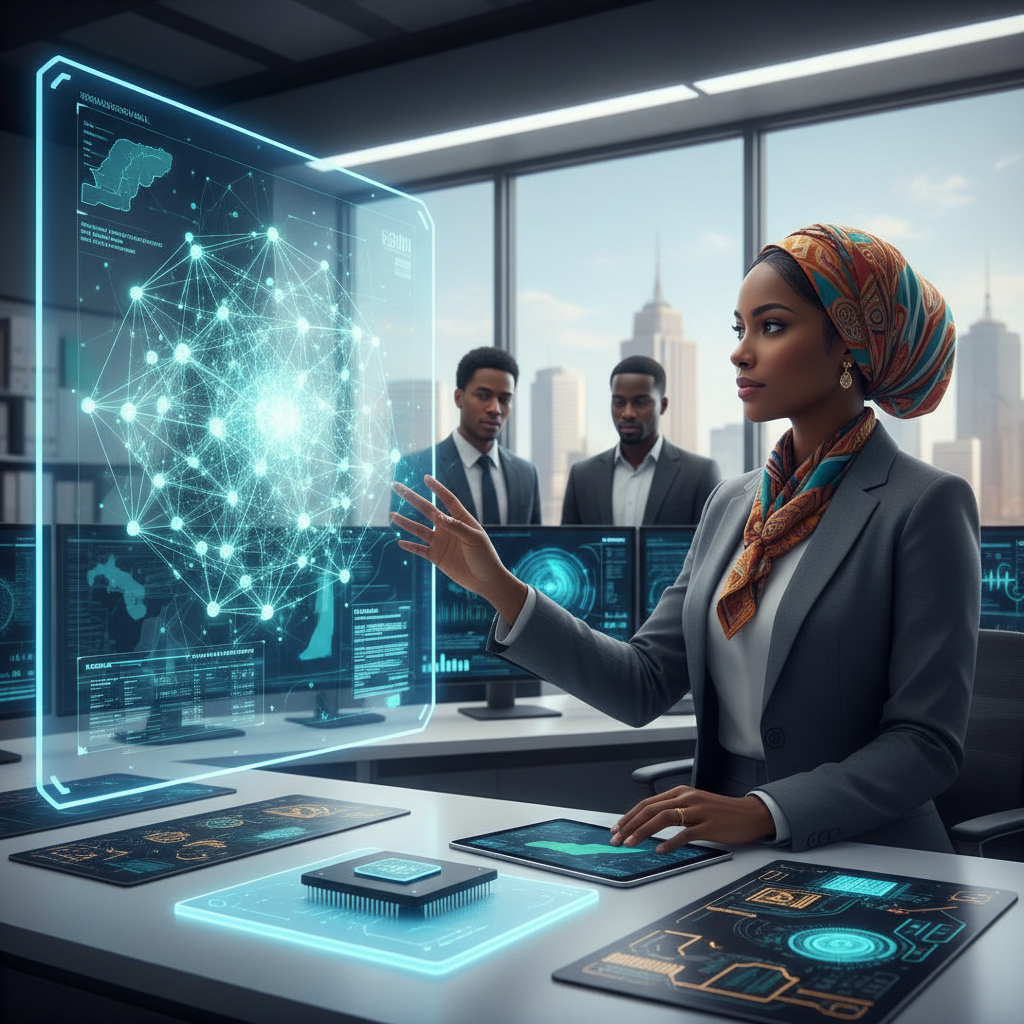
When I think about Cohere's approach, focusing on businesses rather than directly on consumers, I see a different kind of ambition. It is not about creating the flashiest chatbot for everyday use, but about building the foundational intelligence that powers industries. This strategy, as Cohere's CEO Aidan Gomez has often articulated, is about creating models that are 'enterprise-grade, secure, and customizable.' They are not just selling a product, they are selling a partnership, an understanding that businesses need AI that can adapt to their specific data, their specific challenges, and their specific regulatory environments.
I recall reading a piece in TechCrunch about Cohere's significant fundraising rounds, which have reportedly propelled them into the top tier of AI startups, competing with giants like OpenAI and Anthropic. This kind of investment speaks volumes about the belief in their enterprise-focused vision. It is a belief that the real value of large language models for businesses lies in their ability to understand complex, proprietary data and to integrate seamlessly into existing workflows, not just to generate creative text.
What truly excites me about Cohere's direction, especially through the lens of Aicha Evans's experience, is the potential for this enterprise-grade AI to be deployed in contexts beyond the typical Western corporate landscape. Imagine, for a moment, how a customizable, secure LLM could assist a Senegalese bank in processing loan applications more efficiently, or help a local agricultural cooperative analyze weather patterns and crop yields with greater precision. This is where the rubber meets the road for us, where technology moves from being a luxury to a necessity, a tool for development.
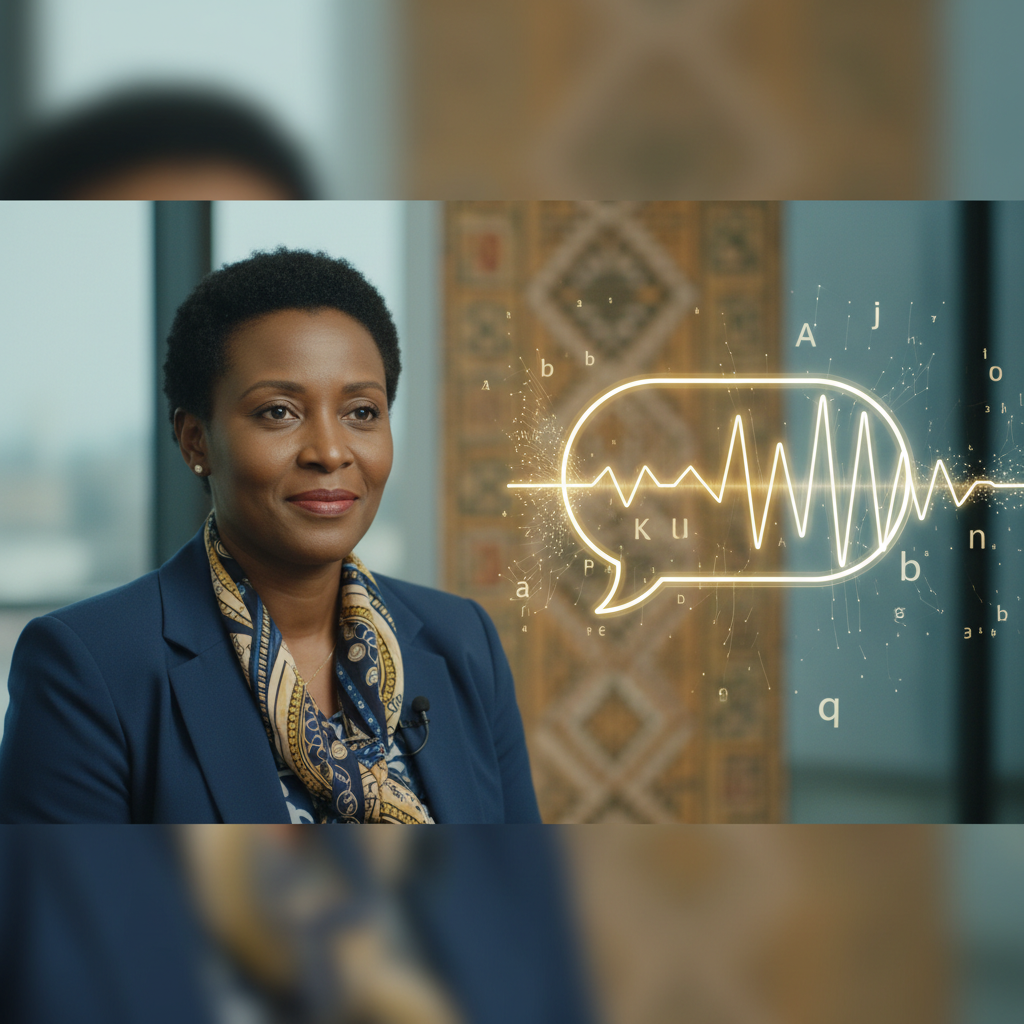
Aicha Evans has always been a champion for diverse perspectives in tech. Her public statements often emphasize the importance of building technology that serves a global population. She has spoken about the need for AI to be inclusive, to reflect the rich tapestry of human experience, not just the narrow views of a few. While at Zoox, she was quoted saying, 'I’m a huge believer in the fact that diversity is not just about doing the right thing, it’s about better business outcomes.' This philosophy, I believe, is deeply ingrained in her approach to Cohere's enterprise strategy. It is about understanding that a global enterprise, particularly one reaching into emerging markets, needs AI that can comprehend nuances, dialects, and cultural contexts that are often overlooked by models trained predominantly on Western data.
For us in Senegal, and across Africa, the question is always: how does this benefit our people? How does it empower our businesses? The enterprise-first approach, with its emphasis on customization and data privacy, offers a more promising path than generic, one-size-fits-all solutions. Businesses here are often smaller, more agile, and deeply rooted in local communities. They need AI that can be tailored to their specific needs, not a massive, unwieldy system that demands they change their entire operation.
Their eyes lit up when they told me about the possibilities of fine-tuning models with local data. Imagine a large language model trained on the rich oral histories and administrative documents of Senegal, capable of understanding the intricacies of our legal system or the specific challenges faced by small and medium enterprises here. This is not just about translation, it is about true cultural understanding, about an AI that can 'speak' the language of our local context, both literally and figuratively. This kind of localized AI could be a game-changer for economic development, for education, and even for preserving our cultural heritage.
However, the path is not without its challenges. The infrastructure needed to support advanced AI, the availability of clean, relevant data, and the skilled workforce to implement and manage these systems are still developing in many parts of Africa. As a recent article in MIT Technology Review highlighted, the digital divide remains a significant hurdle for many regions seeking to fully leverage AI's potential. It is a reminder that while the technology is powerful, its impact is only as strong as the human systems that support it.
Cohere's focus on enterprise solutions, therefore, carries a heavy responsibility. It is not enough to build powerful models; they must also facilitate their accessible and ethical deployment globally. This means investing in partnerships, in training, and in understanding local needs. It means listening to the voices from places like Senegal, understanding that our definition of 'enterprise' might look different from that in New York or London.
Ultimately, the race to own the B2B large language model market is more than a competition for market share. It is a race to define how AI will integrate into the very fabric of our global economy. With leaders like Aicha Evans, who carry the wisdom of our ancestors in their stride and the vision for a globally inclusive future in their hearts, there is hope that this powerful technology can truly serve all of humanity. It is about ensuring that when AI speaks, it speaks a language that everyone can understand, a language that resonates with the unique rhythms and needs of every corner of our beautiful world. Perhaps, one day soon, Cohere's enterprise models will not just be fluent in corporate jargon, but also in the rich proverbs and vibrant stories of Senegal.