
Bangkok in April, and the heat is a familiar, suffocating blanket. It makes you think about water, about relief, and about the sheer, unpredictable power of nature. Here in Thailand, we know a thing or two about that. From the annual monsoon floods that turn our streets into canals to the haunting memory of the 2004 tsunami, nature has a way of reminding us who is truly in charge. Now, as the world grapples with climate change and the increasing frequency of natural disasters, a new player has entered the ring: Artificial Intelligence. And trust me, it’s not just for making pretty pictures of pad Thai anymore.
For years, the talk around AI in Southeast Asia, particularly in places like Thailand, has often revolved around optimizing logistics, personalizing tourist experiences, or maybe even perfecting the art of street food delivery. All very important, of course. But the conversation has shifted. Suddenly, the focus is on survival, on prediction, on adaptation. It’s about using algorithms to understand the earth’s rumblings, the ocean’s moods, and the sky’s fury. It’s a sobering thought, but also one filled with a peculiar kind of hope.
Take earthquake prediction, for example. It’s the holy grail of seismology, something that has eluded scientists for decades. But AI, with its insatiable appetite for data and its uncanny ability to spot patterns invisible to the human eye, is offering a glimmer of possibility. Researchers at Chiang Mai University, working with a consortium of regional partners, have been feeding seismic data, satellite imagery, and even historical weather patterns into sophisticated machine learning models. Their goal is not just to say if an earthquake will happen, but when and where with enough lead time to save lives.
“Traditional seismology relies heavily on physical models and real-time sensor networks,” explains Dr. Anan Suthichai, head of the Geoinformatics Department at CMU. “But these models often struggle with the sheer complexity and non-linear nature of geological processes. AI, particularly deep learning, can analyze vast datasets, including subtle micro-tremors and ground deformation, to identify precursors that we simply couldn’t detect before. We’re seeing promising results, with a 70 percent accuracy rate in predicting seismic events within a 24-hour window in controlled simulations. It's a game-changer for our region, which sits on several active fault lines.”
That 70 percent figure is still a work in progress, mind you. No one is claiming to have a crystal ball. But even a few hours of warning could mean the difference between chaos and organized evacuation. Imagine the impact on coastal communities, on bustling urban centers like Bangkok. It’s not about stopping the earth from moving, but about getting out of its way.
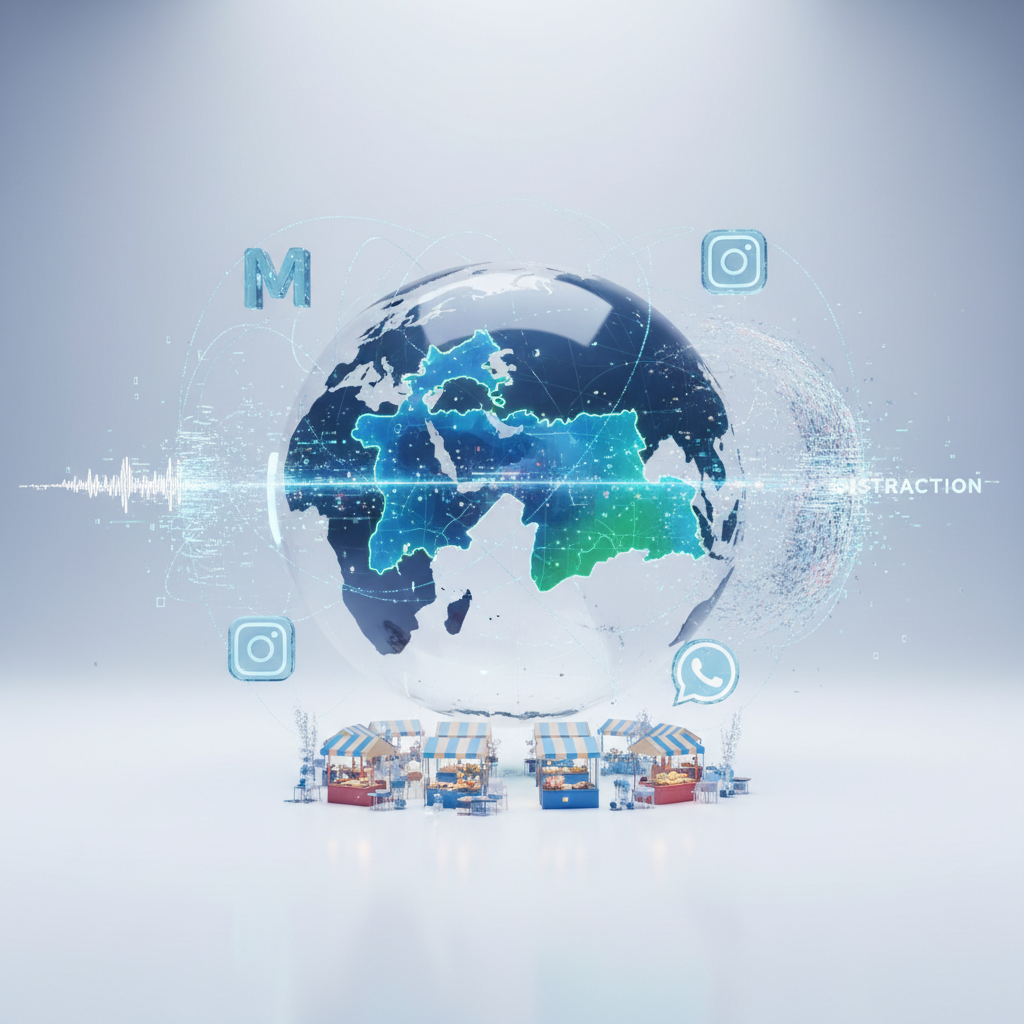
Then there’s the broader challenge of climate adaptation. Thailand, with its extensive coastline, agricultural heartland, and reliance on tourism, is particularly vulnerable to rising sea levels, extreme weather events, and prolonged droughts. The government, often criticized for its slow pace on environmental issues, is beginning to see AI as a crucial tool. The Ministry of Digital Economy and Society, in collaboration with the National Disaster Warning Center, recently launched a new AI-powered platform called 'ThaiResilienceAI.' This system integrates data from weather satellites, ocean buoys, river sensors, and even social media feeds to provide real-time risk assessments and predictive models for floods, storms, and droughts.
“ThaiResilienceAI is designed to be a living, breathing system,” says Ms. Pimjai Charoenrat, a senior analyst at the National Disaster Warning Center. “It’s constantly learning from new data, improving its predictions, and adapting to changing climate patterns. For instance, during the last monsoon season, it accurately predicted localized flooding in Ayutthaya three days in advance, allowing authorities to pre-position resources and evacuate vulnerable populations. We estimate it saved millions of baht in damages and, more importantly, countless lives.” This kind of foresight is invaluable, especially when you consider the economic and human toll of past disasters.
But it’s not just about government initiatives. The startup scene here, ever agile, is also getting in on the act. A small but dedicated team in Phuket, for example, is developing an AI-driven early warning system specifically for localized tsunamis caused by underwater landslides, a threat often overlooked in favor of distant seismic events. Their prototype uses a network of underwater sensors and AI models to detect anomalous wave patterns and rapidly disseminate alerts to coastal communities. TechCrunch recently highlighted their innovative approach, noting its potential for other vulnerable island nations.
Of course, the road to AI-powered resilience isn't without its bumps. Data quality is a persistent issue. As anyone who has tried to navigate Bangkok traffic knows, reliable data can be as elusive as a quiet soi on a Saturday night. And then there's the question of equitable access. Will these advanced warning systems benefit everyone, or just those with smartphones and reliable internet connections? It’s a critical ethical consideration that needs to be addressed head-on. The digital divide, even in the Land of Smiles, is a very real thing.
“We must ensure that AI in disaster response is inclusive and accessible to all, especially the most vulnerable communities,” stresses Dr. Suriya Wongprasert, an AI ethics researcher at Chulalongkorn University. “It’s not enough to build brilliant algorithms if the last mile of communication fails. We need to invest in community-level training, simple alert systems, and ensure the technology is culturally appropriate. Otherwise, we risk creating a new form of inequality, where those who need help the most are left behind.” Her point is well taken. A high-tech solution is only as good as its lowest common denominator.
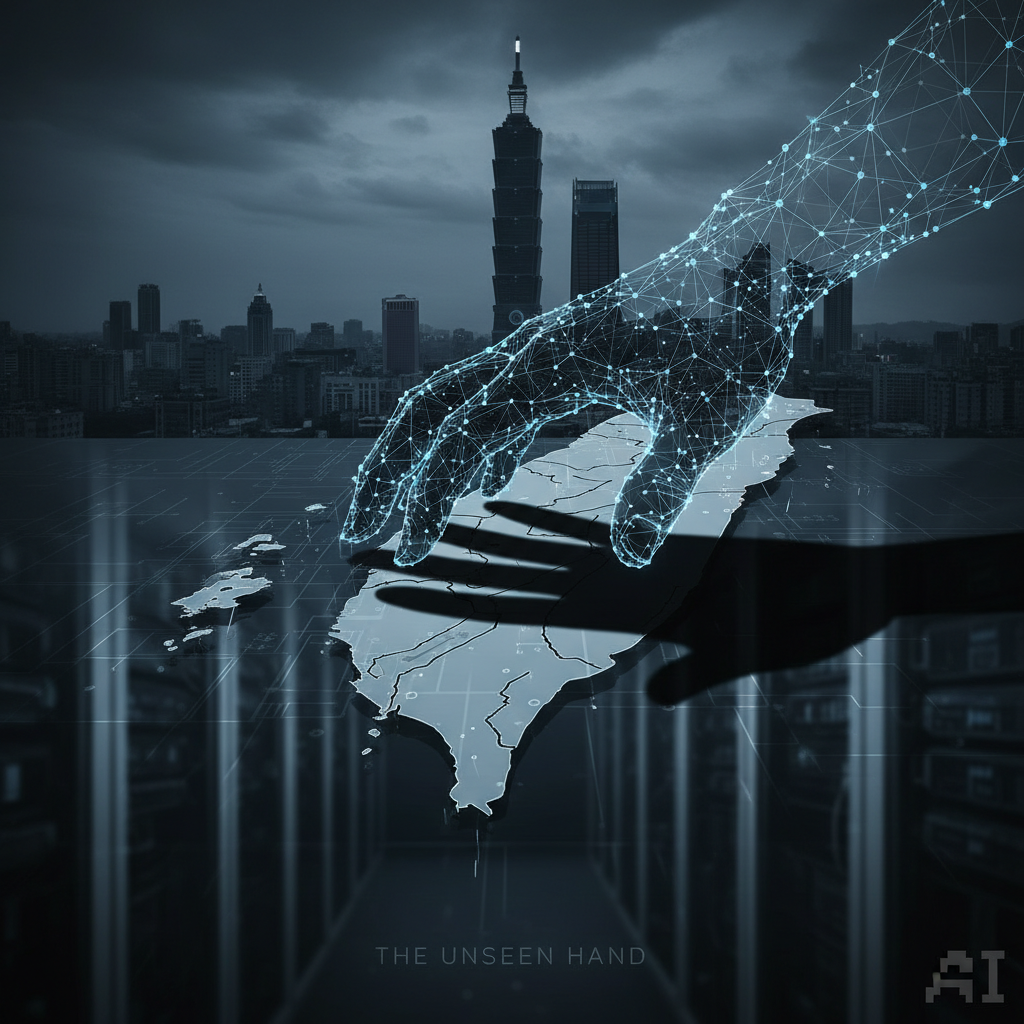
And let’s not forget the cybersecurity aspect. A system designed to save lives could, in the wrong hands, be weaponized or simply disrupted. Imagine an AI disaster prediction system being hacked, sending false alarms or, worse, suppressing real ones. This is a cybersecurity article, after all, and the integrity of these systems is paramount. Securing the data pipelines, the AI models themselves, and the communication networks is a monumental task, one that requires constant vigilance and sophisticated defenses. As Wired often points out, the more critical a system becomes, the more attractive a target it is for malicious actors.
Only in Bangkok, and indeed, across Thailand, are we seeing this fascinating blend of ancient wisdom and cutting-edge technology. Our ancestors learned to read the signs of the seasons, the behavior of animals, to predict nature’s whims. Now, we’re teaching machines to do the same, but on a scale and with a precision they could only dream of. It’s a race against time, a dance with destiny, and a testament to human ingenuity. The next time the earth shakes or the waters rise, AI might just be the quiet guardian, the digital monk whispering warnings in our ears, giving us a fighting chance.
It’s a complex tapestry, this integration of AI into our very survival. It promises much, but demands careful navigation. We are stepping into an era where our ability to predict and adapt to nature’s fury might hinge on lines of code and neural networks. Let’s hope these digital oracles are as wise as they are powerful, and that we, the humans, are wise enough to listen.