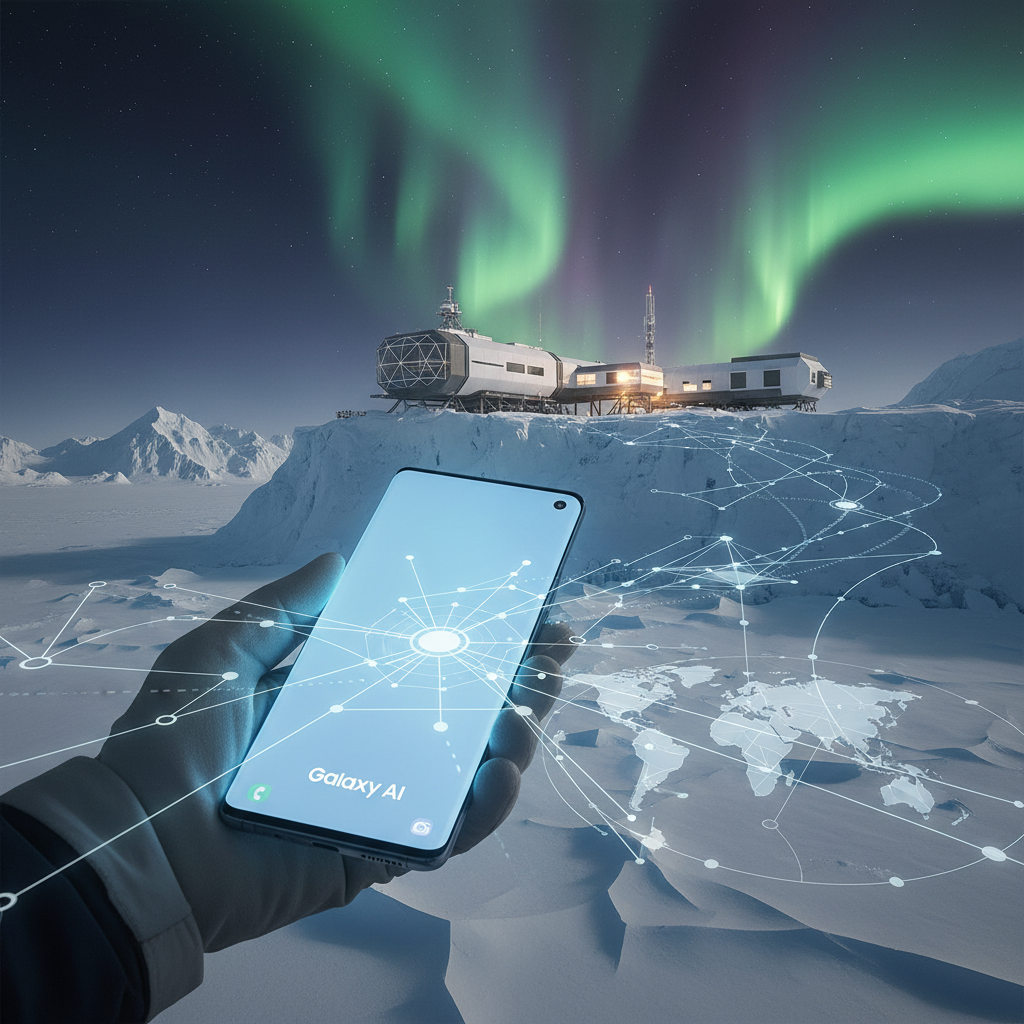

The wind howls outside our research station, a constant, ancient song against the modern hum of our servers. Last night, the aurora lit up our research station, painting the sky in greens and purples that defy description. It is moments like these, under the vast, indifferent sky of Antarctica, that you truly feel the scale of things, and how small yet interconnected we all are. And it is here, at the literal bottom of the world, that even the latest smartphone announcements from halfway across the globe resonate with a surprising weight.
Samsung, a titan in the technology world, recently unveiled its Galaxy AI features, a suite of on-device artificial intelligence capabilities designed to make our smartphones smarter, more intuitive, and frankly, a bit magical. Think real time translation during calls, advanced photo editing that can move objects around, and intelligent summarization of notes or web pages. For many, this might seem like just another incremental upgrade, a shiny new toy in an endless parade of tech. But I tell you, from my vantage point here, it is much more than that. It is a significant salvo in what I call the 'smartphone AI arms race,' a competition that will fundamentally alter our relationship with technology and, perhaps, even our planet.
Why most people are ignoring it: The attention gap
I understand why this might seem like background noise to many. We are constantly bombarded with news of AI breakthroughs, from OpenAI's latest large language models to Google's Gemini advancements. The sheer volume of information can be overwhelming, leading to a kind of digital fatigue. A new phone with smarter features might not grab headlines like a robot walking across a stage or an AI generating photorealistic images. People are busy with their lives, their jobs, their families. The subtle integration of AI into a device they already own, something they use every day, often goes unnoticed as a profound shift. It is like the slow creep of a glacier; you do not see it move day to day, but over time, it reshapes the entire landscape. We are so accustomed to our phones being smart that we often miss the deeper implications when they become truly intelligent, learning from us, anticipating our needs, and processing information locally, on the device itself, rather than always relying on distant cloud servers.
How it affects YOU: Personal impact on readers
So, how does this affect you, sitting there, perhaps scrolling on your own smartphone? Imagine you are a small business owner in Stockholm, trying to negotiate a deal with a client in Tokyo. With Galaxy AI's real time translation, that language barrier, once a significant hurdle, simply melts away. Or perhaps you are a student, struggling to keep up with lectures. Your phone could summarize complex notes, highlight key points, and even help you draft emails more effectively. For my colleagues here, working on critical climate research, these tools could be invaluable. Imagine our field scientists, far out on the ice, needing to quickly translate a scientific paper from a different language, or instantly summarize hours of recorded observations. The efficiency gains are tangible.
But it is not just about convenience. It is about access and empowerment. For individuals with disabilities, these features can open up new avenues of communication and interaction. For those in remote areas, like parts of northern Sweden or indeed, here in Antarctica, where internet connectivity can be sporadic or expensive, the ability to perform complex AI tasks on device means greater independence from the cloud. This shift towards on device AI also brings with it significant privacy implications, as your personal data is processed locally, potentially reducing the need for it to travel to and be stored on external servers. This is a crucial point that often gets overlooked in the rush for new features.
The bigger picture: Societal, economic, or political implications
This smartphone AI arms race, spearheaded by companies like Samsung, Apple, Google, and others, is not just about selling more phones. It is about controlling the next frontier of personal computing. The company that can best integrate AI into our daily lives, making it seamless and indispensable, will gain a massive competitive advantage. This has enormous economic implications, driving innovation, creating new jobs, and reshaping entire industries. We are talking about billions of dollars in research and development, all focused on making your pocket sized computer even more powerful.
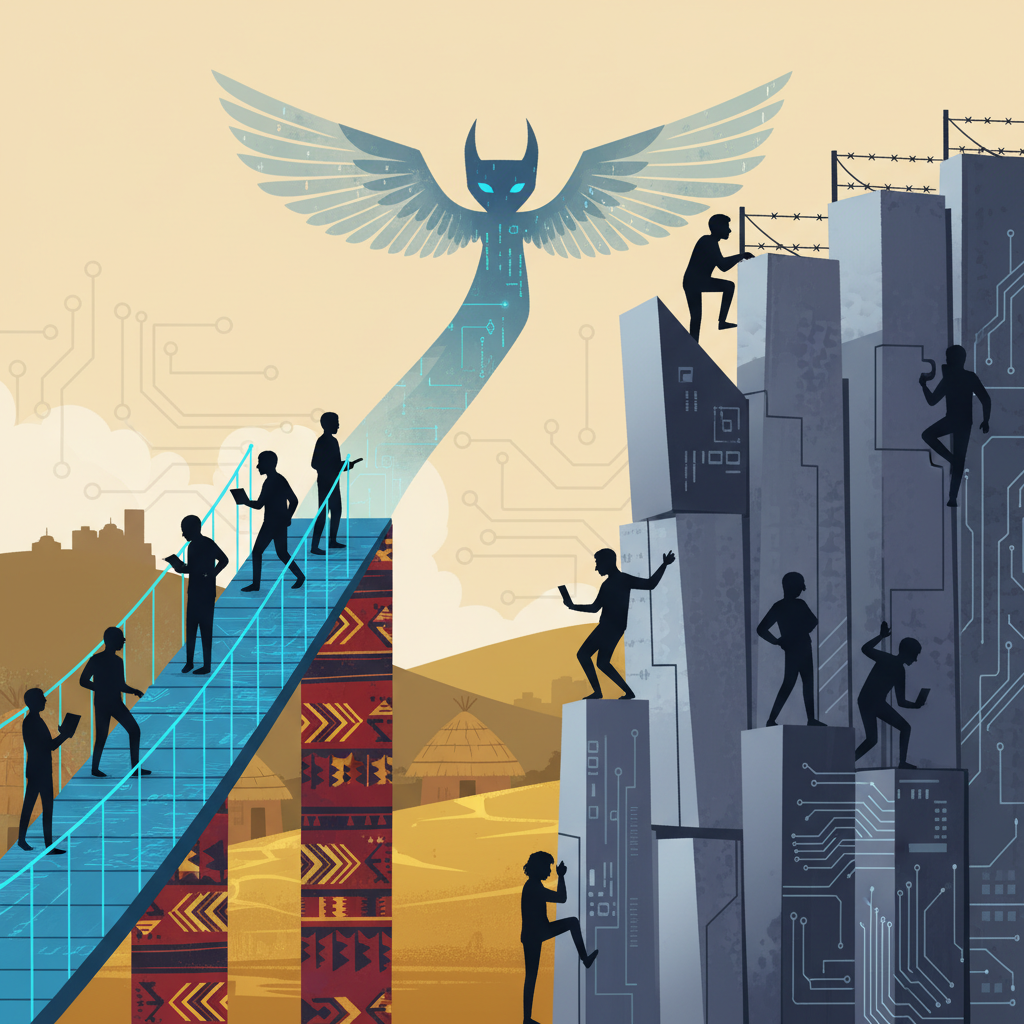
From a societal perspective, this widespread adoption of on device AI will accelerate our reliance on these intelligent assistants. It will change how we learn, how we work, and how we interact with the world. There are ethical considerations, of course, around data privacy, potential biases baked into the algorithms, and the digital divide. Who benefits most from these advancements? Will it exacerbate existing inequalities, or will it be a democratizing force? These are questions we must grapple with as these technologies become ubiquitous. In the silence of Antarctica, you hear things differently; the implications of these global shifts feel particularly stark when viewed against the backdrop of such pristine, vulnerable nature.
What experts are saying: 3-4 expert perspectives