The world of artificial intelligence often feels distant, a realm of Silicon Valley giants and academic breakthroughs that rarely touch the daily struggles of ordinary people, especially in places like Afghanistan. We hear of billions invested, of models with unfathomable parameters, and of a future transformed. But what does this truly mean for a mother in Kandahar, a student in Herat, or a small business owner in Kabul?
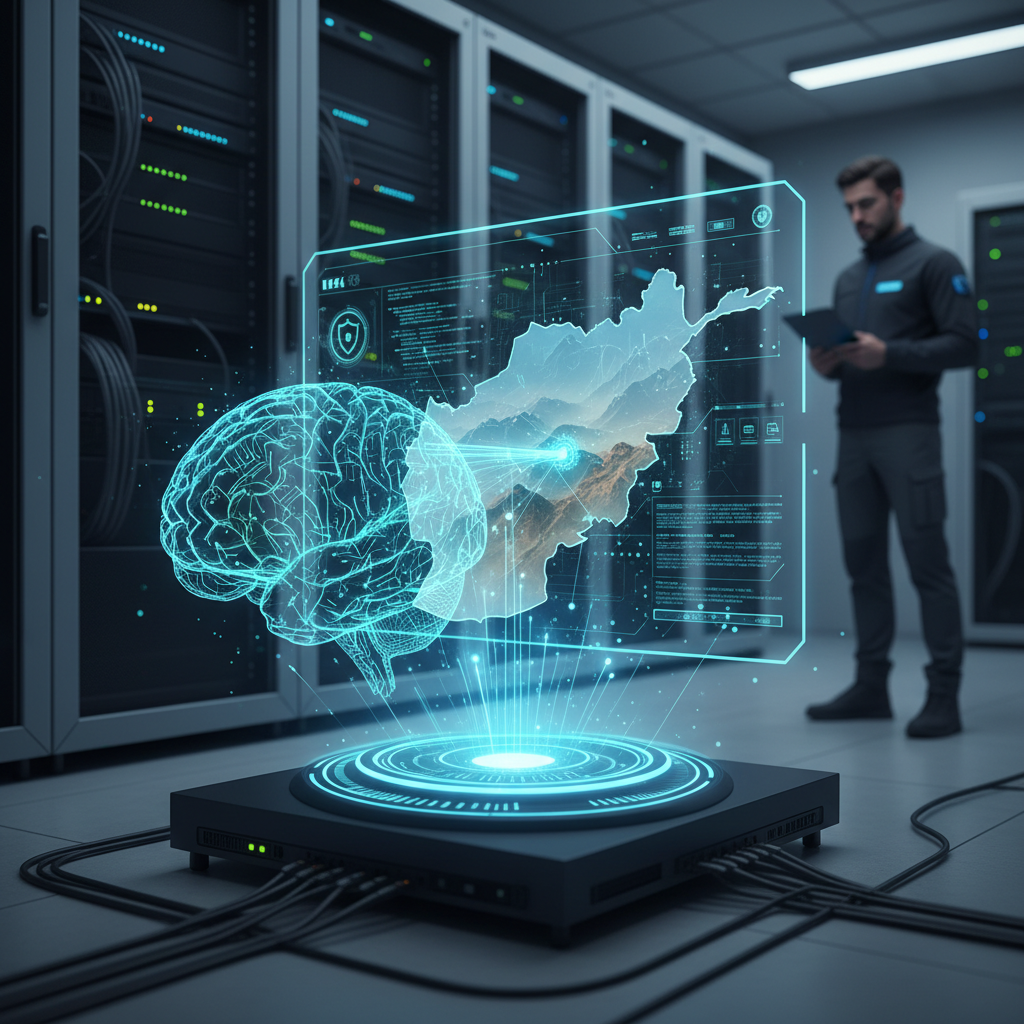
Today, the focus is shifting from consumer-facing AI spectacles to a more subtle, yet arguably more impactful, arena: enterprise large language models, with Cohere emerging as a significant player. While OpenAI's ChatGPT and Google's Gemini capture headlines with their generalist capabilities, companies like Cohere are meticulously crafting AI systems designed not for casual conversation, but for the complex, data-rich environments of businesses, governments, and non-governmental organizations. This is not merely about chatbots answering customer queries, it is about automating intricate workflows, synthesizing vast troves of information, and potentially redefining how institutions operate at their core.
Why Most People Are Ignoring It: The Attention Gap
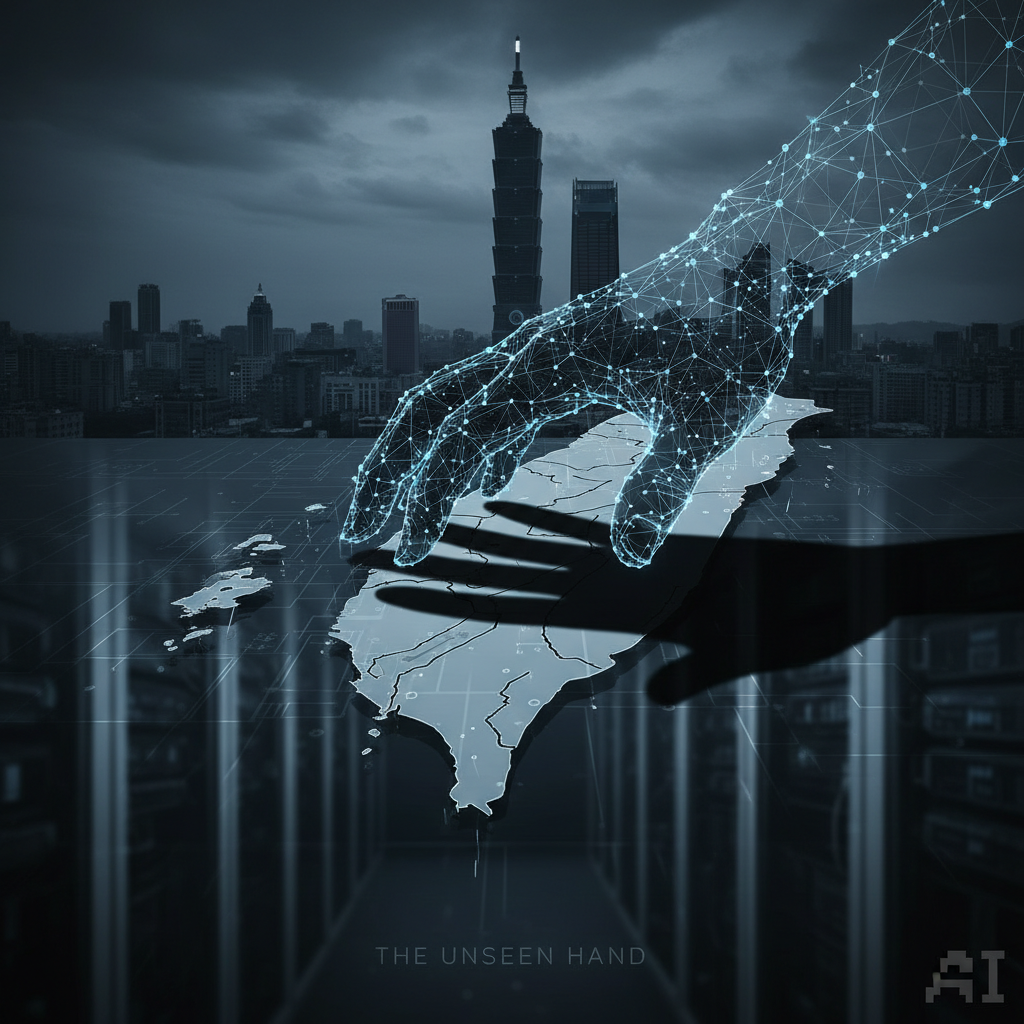
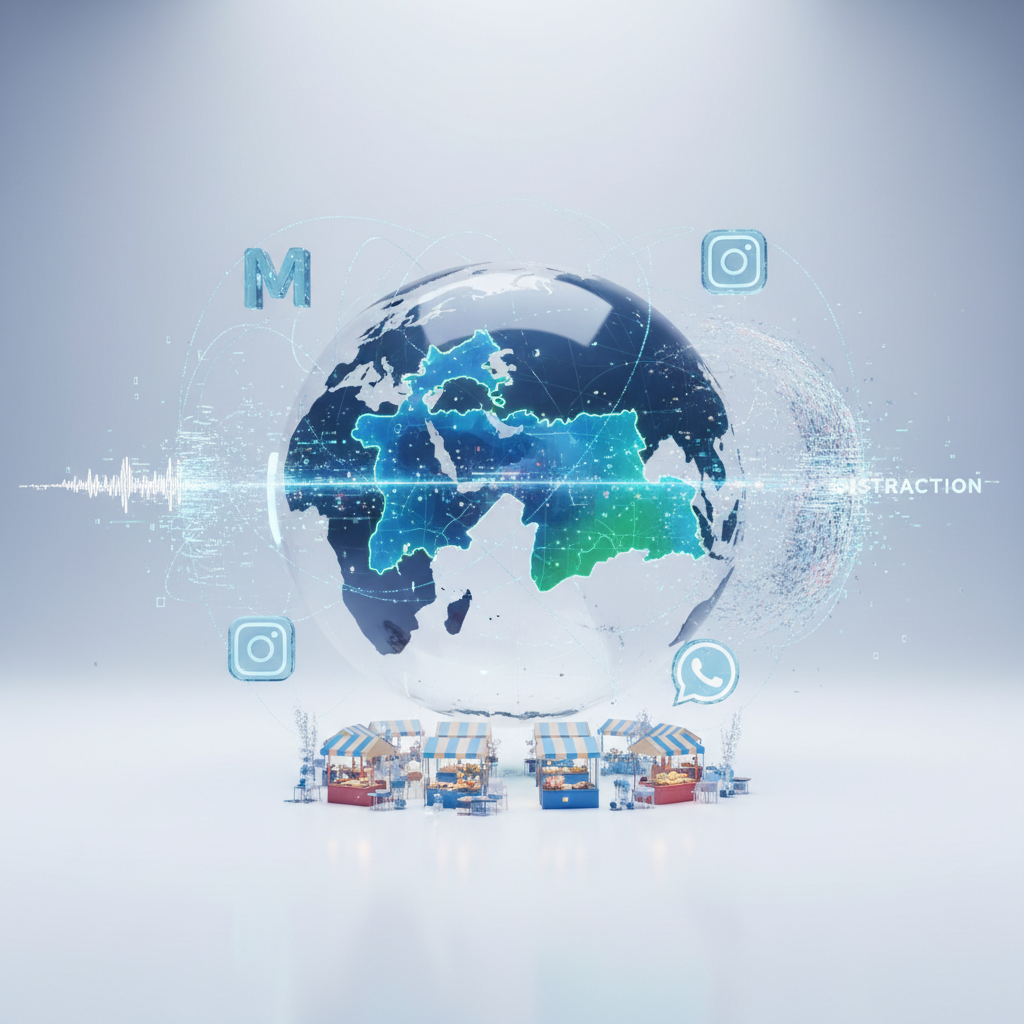
The public's imagination is often captivated by the flashy, the immediate, and the consumer-friendly. The allure of an AI that can write poetry or generate images overshadows the less glamorous, yet fundamentally transformative, work happening behind corporate firewalls. The enterprise LLM market operates largely out of sight, its innovations discussed in boardrooms and technical forums rather than on social media feeds. This creates a significant attention gap. While the world debates the philosophical implications of sentient AI or the latest viral deepfake, the foundational infrastructure that will power the next generation of global commerce and governance is being quietly laid. For many in Afghanistan, grappling with immediate humanitarian needs and systemic challenges, the nuances of enterprise AI might seem a luxury, a distant concern when basic necessities remain elusive. Yet, this quiet revolution holds profound implications for how aid is delivered, how economies might rebuild, and how information flows across borders.
How It Affects You: A Personal Lens
While you may not directly interact with Cohere's enterprise models today, their influence will inevitably ripple through your life. Consider the humanitarian organizations working tirelessly across Afghanistan. Imagine an AI system that can sift through thousands of reports, identify patterns in displacement data, predict resource needs, and optimize logistical routes for aid delivery. This is not a futuristic fantasy, it is the promise of enterprise AI. For a young Afghan woman seeking education or employment, an AI-powered platform could connect her to remote learning opportunities or job listings that were previously inaccessible. For a small business, an LLM could help navigate complex regulations, translate documents, or even draft business plans, opening doors to wider markets.
However, the impact is not uniformly positive. If these powerful tools are developed without diverse perspectives, without considering the unique linguistic, cultural, and infrastructural realities of places like Afghanistan, they risk perpetuating existing biases and inequalities. If access remains concentrated in the hands of the wealthy and powerful, the digital divide will only widen, further marginalizing those who already struggle for a voice. This is about dignity, about ensuring that technology serves the most vulnerable, not just the most privileged.
The Bigger Picture: Societal, Economic, and Political Implications
The shift towards enterprise-focused LLMs marks a critical juncture. Economically, it promises unprecedented efficiency gains, potentially boosting productivity across industries. Companies like Cohere, backed by significant investments from NVIDIA and Salesforce, are positioning themselves at the heart of this transformation, offering customizable, secure, and domain-specific models. This could lead to a concentration of economic power, as businesses that can afford and effectively deploy these technologies gain a substantial competitive advantage. For developing nations, this could mean either being left further behind or, if strategically adopted, finding new avenues for growth and participation in the global economy.
Societally, the implications are equally vast. The ability to process and generate human-like text at scale will transform information dissemination, education, and public services. Governments could leverage these tools for better policy analysis, public communication, and even disaster response. However, this also raises concerns about surveillance, censorship, and the potential for misuse in authoritarian contexts. Politically, the control over such powerful information processing capabilities could become a new frontier for geopolitical competition, influencing narratives and shaping international relations. The development of AI must be guided by principles of fairness, transparency, and accountability, particularly when deployed in sensitive contexts.
What Experts Are Saying
Experts are keenly aware of the dual nature of this technological wave. Dr. Fei-Fei Li, co-director of Stanford's Human-Centered AI Institute, has often emphasized the need for a human-centric approach. She stated,