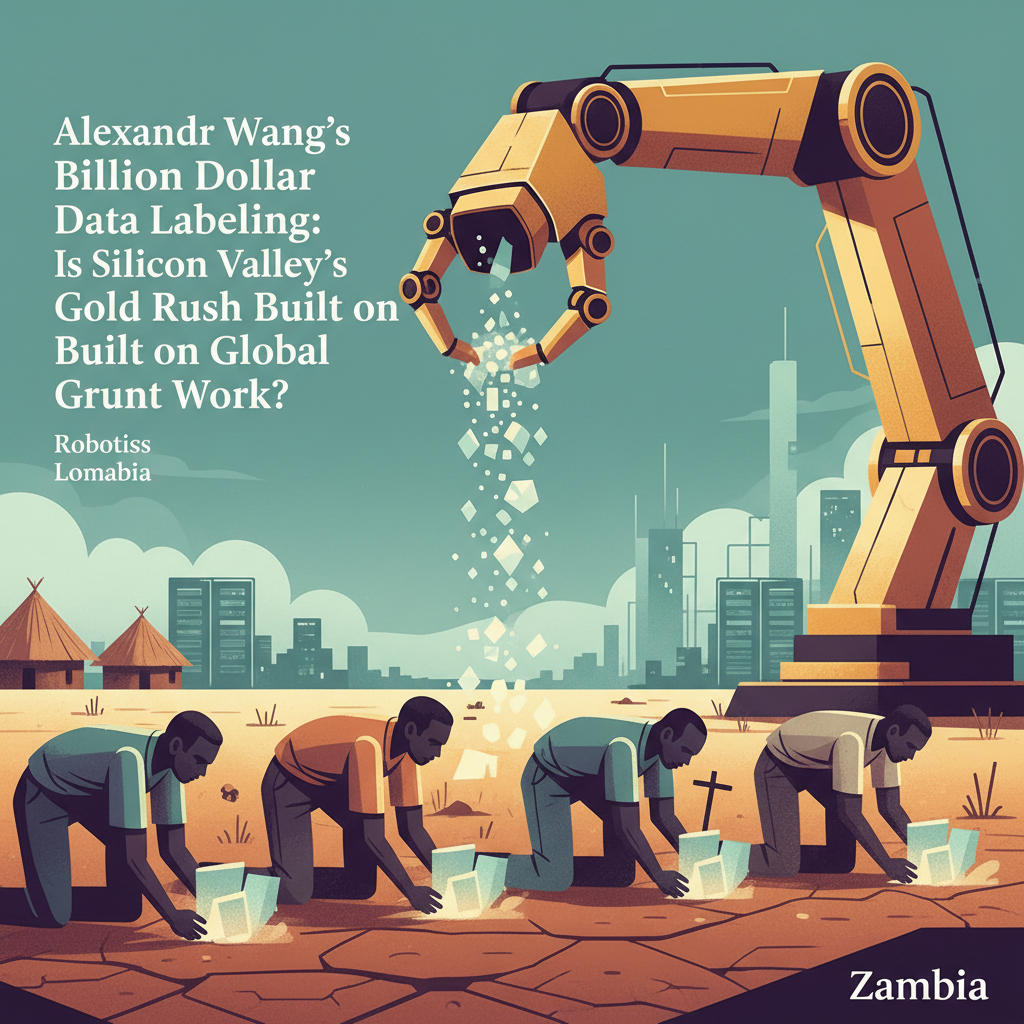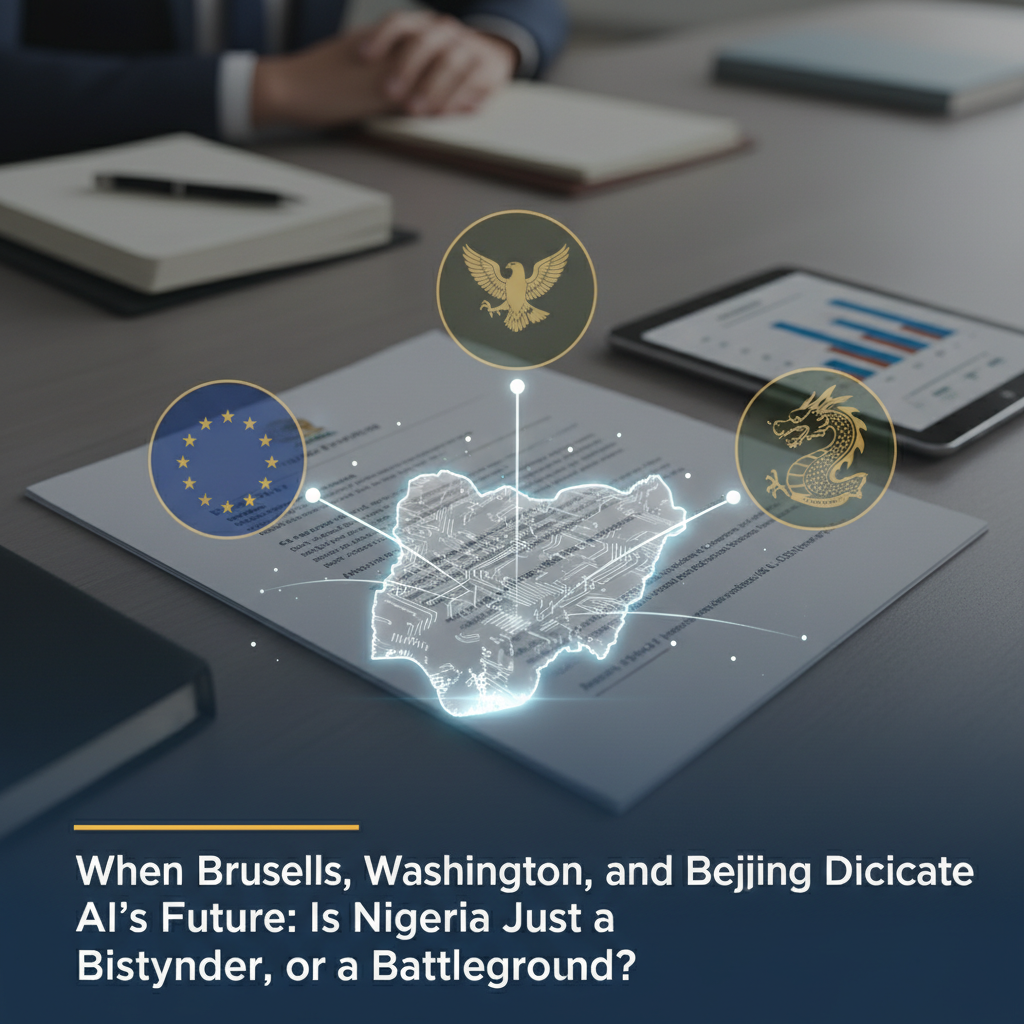

The world is finally waking up to the beast that is artificial intelligence, and with that awakening comes a flurry of regulatory activity. From Brussels to Washington to Beijing, the global powers are scrambling to lay down the law, to cage this digital genie before it grants wishes we never asked for. On the surface, this looks like progress, a collective sigh of relief that someone, somewhere, is thinking about guardrails. But let's be honest, from where I sit in Lagos, Nigeria, it looks less like global collaboration and more like a high-stakes game of chess where Africa isn't even at the board, much less moving its own pieces.
The Policy Move: Three Giants, Three Approaches
First, we have the European Union, with its landmark AI Act. This is the world's first comprehensive legal framework for AI, a bold, risk-based approach that classifies AI systems into different categories, from unacceptable to high-risk to minimal risk. It's a behemoth, years in the making, and it aims to protect fundamental rights and safety. Think of it as the EU trying to apply its GDPR playbook to AI, setting a global standard through sheer regulatory muscle. It’s all about consumer protection, transparency, and accountability, with hefty fines for non-compliance.
Across the Atlantic, the United States has opted for a more agile, less prescriptive approach, primarily driven by executive orders. President Biden's Executive Order on the Safe, Secure, and Trustworthy Development and Use of Artificial Intelligence, issued in October 2023, is a prime example. It focuses on developing standards, promoting innovation, and addressing risks across various sectors, from national security to civil rights. It's less about hard law and more about guiding principles, voluntary frameworks, and agency-specific directives, reflecting a desire to foster innovation without stifling it with heavy regulation. It’s a very American approach, prioritizing flexibility and market-driven solutions.
Then there's China. Their approach is, predictably, more centralized and state-controlled. China has been rapidly rolling out regulations targeting specific AI applications, particularly those related to content generation, algorithms, and data security. Their focus is on maintaining social stability, promoting national technological leadership, and ensuring that AI aligns with socialist core values. It’s a top-down, comprehensive strategy that integrates AI development with national strategic goals, often with strict enforcement and surveillance capabilities. For China, AI governance is inextricably linked to state power and control.
Who's Behind It and Why?
The EU's push, championed by figures like Commissioner Thierry Breton, is rooted in its commitment to human-centric technology and its history of robust data protection. They want to ensure AI serves people, not the other way around. The US, with its tech giants like Google, Microsoft, and OpenAI leading the charge in AI innovation, is trying to balance regulation with maintaining its competitive edge. They are wary of over-regulating and pushing innovation overseas. China, under President Xi Jinping, sees AI as a critical component of its national rejuvenation strategy, a tool for economic growth, military modernization, and social governance. Each superpower is acting from its own geopolitical and economic interests, framing their regulations as universal best practices.
What It Means in Practice for Nigeria
Here’s where it gets interesting, and frankly, a bit unsettling for us in Nigeria. These regulations, though crafted thousands of miles away, will inevitably shape the AI landscape here. How? Through what I call