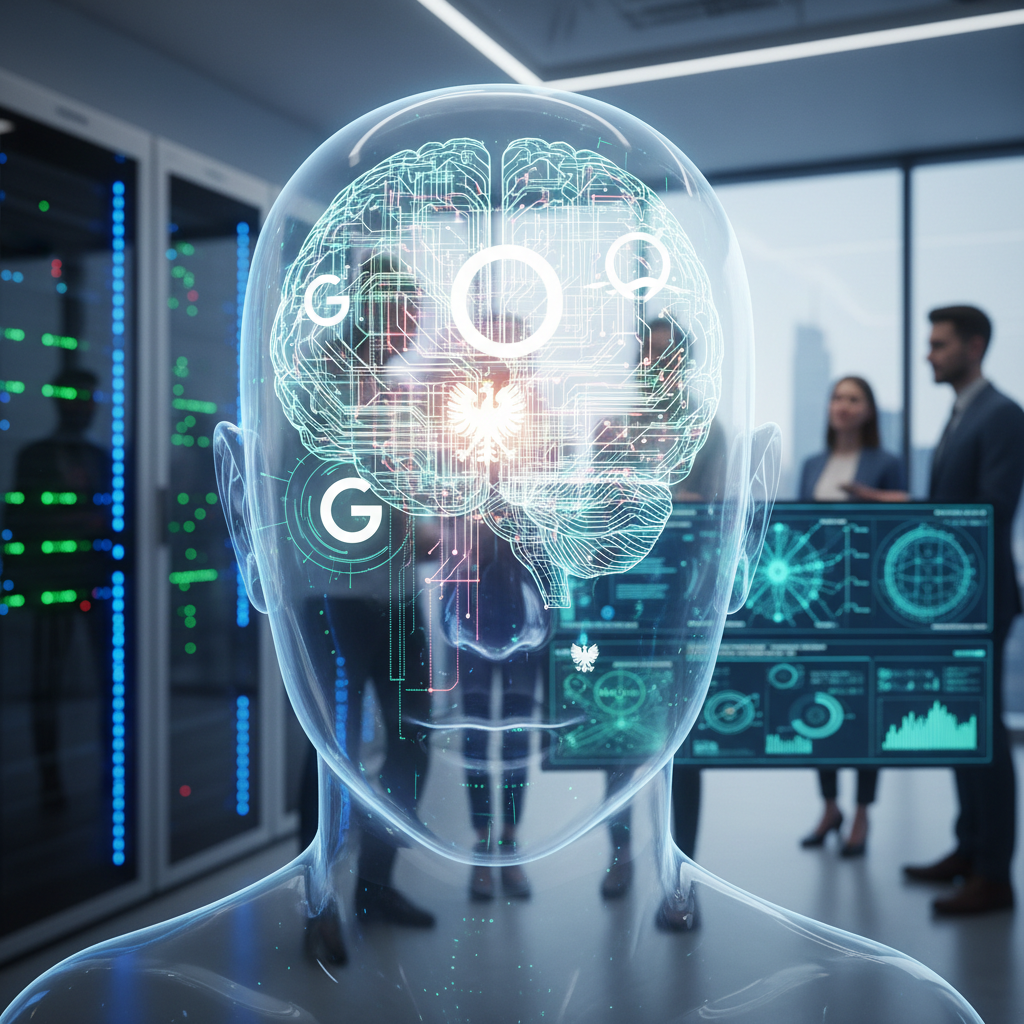
The human mind, a labyrinth of emotions, thoughts, and experiences, has long been the exclusive domain of human understanding. Yet, in our accelerating digital age, artificial intelligence is increasingly stepping into this most intimate of spaces. From therapy chatbots offering immediate support to sophisticated algorithms designed to detect patterns of addiction, the intersection of AI and mental health is no longer a distant concept but a present reality. As a journalist observing this phenomenon from Poland, a nation with its own distinct challenges and innovations in mental health care, the implications are particularly poignant.
The promise is undeniably compelling. Mental health services globally face significant access barriers, including stigma, cost, and a severe shortage of qualified professionals. In Poland, for instance, the ratio of psychiatrists to the population remains lower than the European average, a persistent issue that disproportionately affects rural areas and underserved communities. This is where AI, proponents argue, can act as a crucial bridge. Imagine a young person in a remote Polish village, struggling with anxiety, who can access a non-judgmental, always-available AI companion for initial support and guidance. This scenario, once science fiction, is now a tangible possibility.
Companies like Woebot Health have been at the forefront, developing conversational AI agents that deliver cognitive behavioral therapy (CBT) techniques. Their platforms, often accessible via smartphone applications, aim to provide scalable, evidence-based mental health support. Similarly, Limbic, a British startup, has developed AI tools to streamline mental health referrals and assessments, helping clinicians identify patients who might benefit most from specific interventions. These are not replacements for human therapists, but rather force multipliers, extending the reach of care. From a systems perspective, this efficiency is critical for overburdened healthcare systems.
However, the deployment of such powerful tools is fraught with ethical and practical complexities. The very intimacy of mental health care demands a level of trust and nuanced understanding that algorithms, no matter how advanced, may struggle to fully replicate. A human therapist can discern the subtle tremor in a voice, the unspoken anguish behind a forced smile, or the cultural context that shapes a patient's worldview. Can an algorithm truly grasp the unique cultural nuances of Polish stoicism, for example, or the historical trauma that might influence a patient's psychological landscape?
Consider the large language models from titans like Google and OpenAI. Google's Gemini and OpenAI's GPT models, with their increasingly sophisticated conversational abilities, are already being explored for therapeutic applications. They can generate empathetic responses, provide psychoeducational content, and even guide users through mindfulness exercises. The algorithm works like this: it processes vast datasets of human conversation and therapeutic texts, learning patterns to generate relevant and seemingly empathetic replies. Yet, their responses are statistical probabilities, not genuine understanding. A recent study published in MIT Technology Review highlighted concerns about these models' potential to generate harmful or inaccurate advice, particularly in sensitive areas like crisis intervention. The risk of misinterpretation or the propagation of biases embedded in training data is significant.
Dr. Anna Nowak, a leading clinical psychologist and researcher at the Jagiellonian University in Kraków, articulates this concern succinctly.