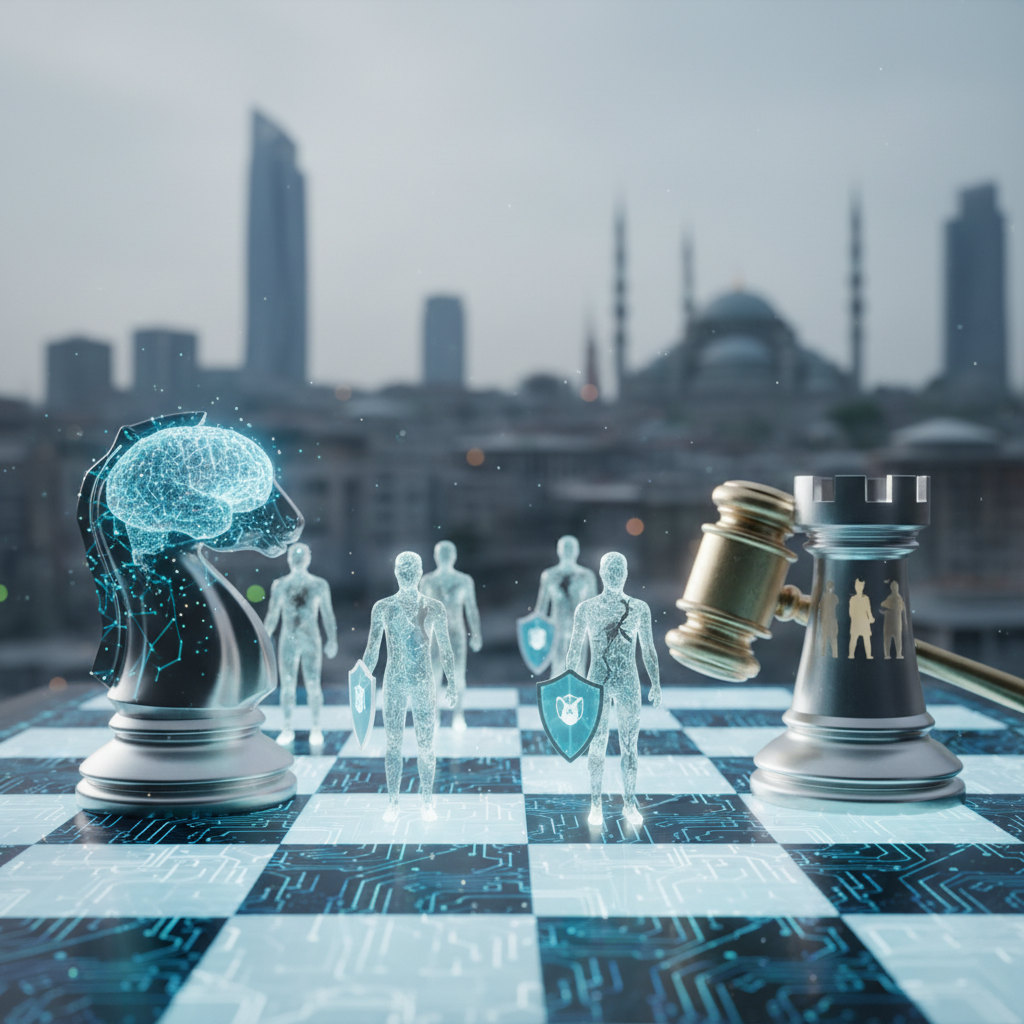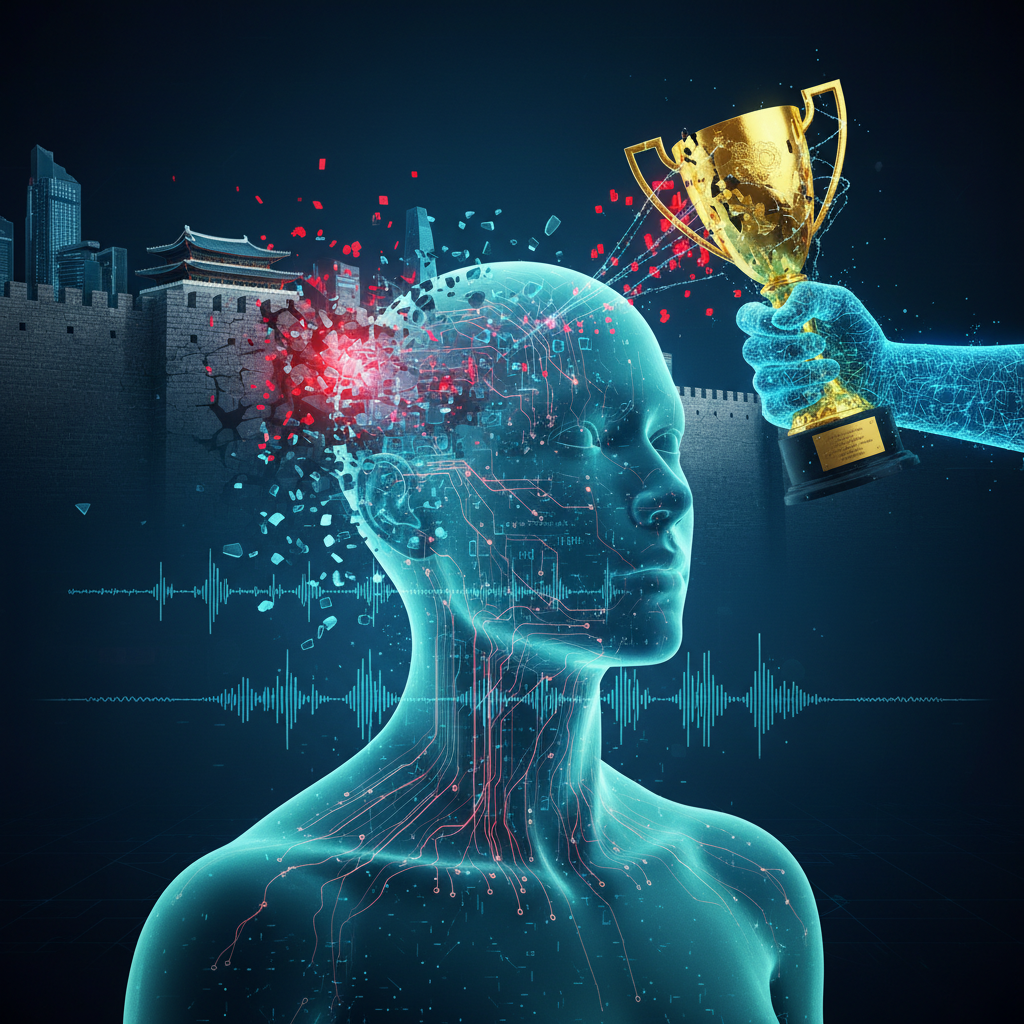

The headlines scream about AI's potential, the next big thing, the technological marvels that will reshape our lives. OpenAI's GPT models, Google's Gemini, Meta's Llama, they are all hailed as harbingers of a new era. But while the tech titans are busy building their empires, a darker, more insidious force is leveraging these very same tools: AI-powered criminals. They are not just evolving; they are perfecting their craft, turning cutting-edge AI into weapons of mass deception. This isn't some distant dystopian future, this is happening right now, and if you are not paying attention, your digital life, and your bank account, could be next.
Most people, especially here in South Korea, are still caught up in the K-wave of AI innovation, cheering on Samsung's latest on-device AI features or marveling at generative art. They see the flashy demos, the helpful chatbots, the promise of efficiency. What they are largely ignoring is the shadow economy thriving on the flip side of this technological boom. The attention gap is vast. We are so focused on what AI can do for us that we forget what it can do to us. This naive optimism is a luxury we can no longer afford.
How does this affect you? Imagine getting a phone call, the voice on the other end is unmistakably your child's, frantic, pleading for money, claiming an emergency. Except it is not your child. It is an AI-generated clone, trained on mere seconds of their voice from a social media video. This is not science fiction; it is a daily reality for victims of voice cloning scams. Or consider an email, perfectly crafted, mimicking your bank's tone and branding, leading you to a phishing site that looks identical to the real thing. It is not riddled with typos or grammatical errors anymore; AI ensures perfect linguistic fluency, making detection almost impossible for the untrained eye. Your personal data, your financial details, your very identity could be compromised with a single click or a moment of panic. In South Korea, where digital transactions are ubiquitous and trust in established institutions is high, this vulnerability is particularly acute. The elderly, often less tech-savvy, are prime targets, losing their life savings to these sophisticated schemes.
The bigger picture is even more alarming. These aren't just isolated incidents of petty theft; they are organized, large-scale financial crimes eroding trust in our digital infrastructure. According to the Financial Supervisory Service, financial fraud losses in South Korea continue to rise, with AI-powered methods making up an increasing percentage of reported cases. Globally, the FBI's Internet Crime Report noted a staggering $12.5 billion in losses from cybercrime in 2023, a significant portion attributed to phishing and business email compromise, now supercharged by AI. This impacts everything from individual savings to corporate espionage, even national security. The integrity of our financial systems, the privacy of our citizens, and the stability of our digital economy are all at stake. If we cannot trust who we are talking to, or what we are reading online, the very fabric of our interconnected society begins to fray.
Experts are not mincing words about the gravity of the situation. Dr. Lee Sang-hoon, a cybersecurity professor at Kaist, recently stated, "The speed and scale at which AI can generate convincing fake content, whether it is audio, video, or text, has completely outpaced our traditional detection methods. We are playing catch-up, and the criminals are always one step ahead." He added, "The K-wave is coming for AI too, but unfortunately, it is also bringing a wave of sophisticated cyber threats." Meanwhile, Sam Altman, CEO of OpenAI, has acknowledged the dual-use nature of AI, expressing concerns about misuse even as his company pushes boundaries. "We are trying to build powerful tools while also thinking deeply about safety and misuse," Altman told a recent tech conference, a sentiment echoed by other industry leaders. However, the pace of development often overshadows the pace of ethical implementation and security measures. On the regulatory front, Commissioner Kim Joo-hyun of the Financial Services Commission has emphasized the need for stronger collaboration between financial institutions and tech companies. "We need to develop AI-driven countermeasures that can detect these new forms of fraud in real-time," Kim stated, highlighting the urgency for a unified defense strategy.
So, what can you do about it? First, cultivate a healthy skepticism. If something feels off, it probably is. Verify, verify, verify. If you receive a suspicious call or message, hang up and call the person or institution back using a known, legitimate number. Never trust caller ID alone. Implement multi-factor authentication on all your accounts. Use strong, unique passwords. Educate yourself and your family, especially the vulnerable members, about these new scam tactics. Companies also have a responsibility. Tech giants like Google and Microsoft are investing heavily in AI-powered threat detection, but they must do more to integrate these defenses into their consumer products. Financial institutions must upgrade their fraud detection systems and offer better, more accessible educational resources to their customers. Governments, including South Korea's, need to enact stronger regulations and foster international cooperation to track and prosecute these transnational criminal networks. The National Police Agency is already working on specialized units, but the scale of the problem demands a global response.
The bottom line is this: AI is a double-edged sword. It offers incredible promise, but it also empowers those who seek to exploit and harm. In five years, the sophistication of AI-powered scams will make today's attempts look like child's play. We will see hyper-realistic deepfake video calls, personalized social engineering at scale, and autonomous AI agents designed solely for financial exploitation. Our digital identities will be under constant assault. If we do not act decisively now, if we continue to ignore the dark side of this technological revolution, we risk losing not just our money, but our trust, our privacy, and ultimately, our digital sovereignty. Everyone's wrong about this if they think AI will only bring good. The fight for our digital future is already here, and it is far more personal than you think. For more insights into the evolving landscape of AI and cybersecurity, you can always check out what the experts are saying at MIT Technology Review or follow breaking news on Reuters Technology. The future is not just about building AI, it is about defending against it. The time to prepare is now. You can also find more general AI news on TechCrunch.