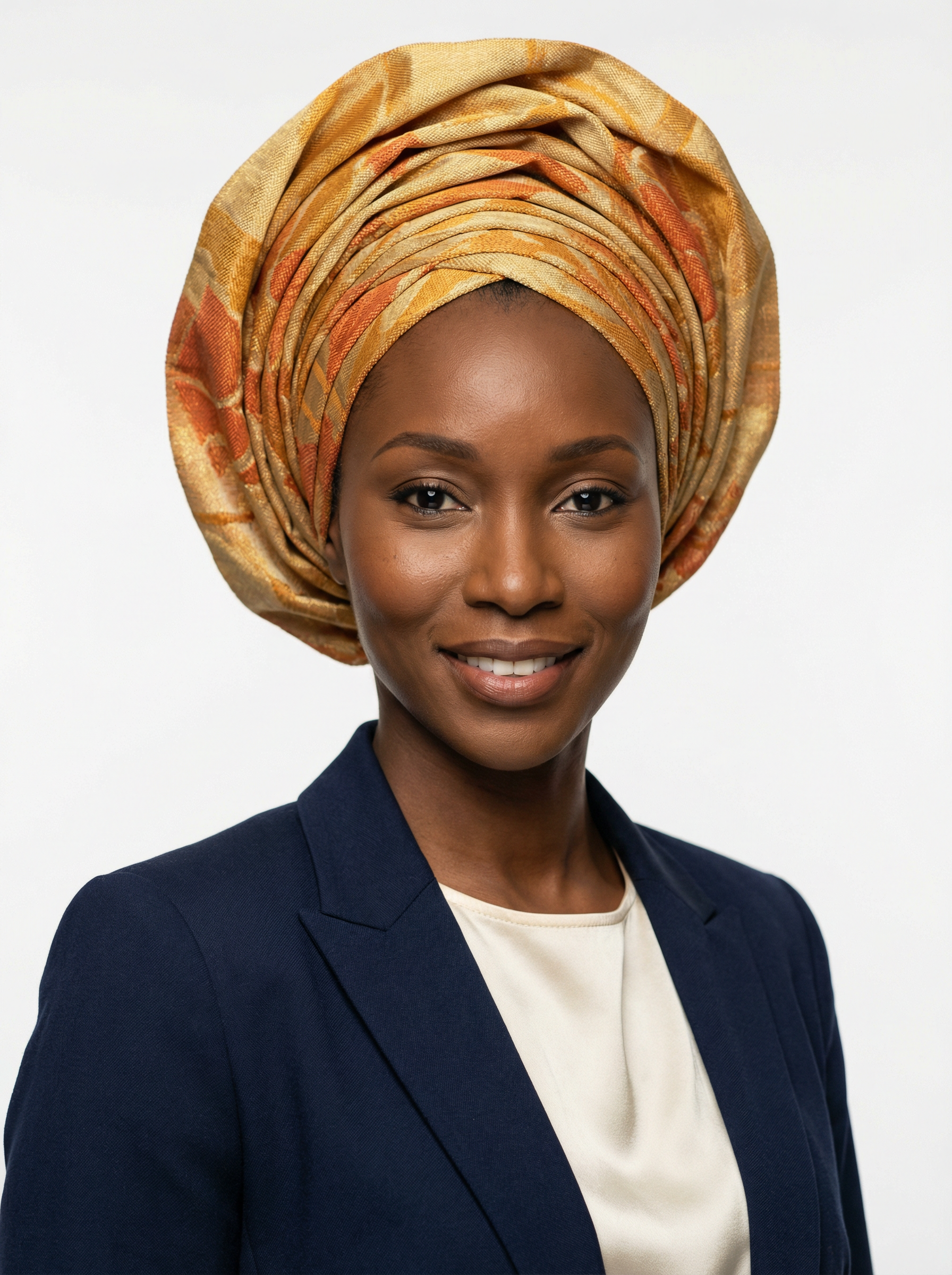

The fluorescent lights of Kijani Pharma's new research wing hummed, a stark contrast to the dusty, sun-baked streets of Dar es Salaam outside. Dr. Jabari Ndlovu, head of R&D, peered at a holographic display, a complex protein structure shimmering before him. "Two months, Zawadì," he said, his voice a low, almost reverent whisper. "Two months from concept to lead compound identification. Before, this would have been a two-year slog, minimum, with a team twice this size." He gestured to the sleek, silent workstations, many of them empty, where once a bustling cohort of chemists and biologists toiled.
This, my friends, is the new reality. Welcome to the future, because it's weird. The promise of AI-powered drug discovery, once a distant Silicon Valley dream, has landed squarely in Tanzania, promising to cut pharmaceutical R&D timelines from years to mere months. It's a tantalizing prospect for a nation grappling with endemic diseases and a desire to bolster its local manufacturing capabilities. But like a perfectly brewed kahawa, there's a bitter aftertaste to this sweet innovation.
For decades, the pharmaceutical industry has been a lumbering giant, its R&D cycles notoriously long and expensive. Developing a new drug could take 10 to 15 years and cost billions. Now, companies like Kijani Pharma, a homegrown Tanzanian success story, are leveraging sophisticated AI platforms from global players like Google DeepMind and NVIDIA to accelerate everything from target identification to molecule synthesis prediction. They are using models like Google's AlphaFold, which can predict protein structures with astonishing accuracy, and generative AI platforms that design novel compounds faster than any human chemist. Reuters has been tracking this global trend, but its local impact here is far more nuanced.
"Our adoption rate for AI in early-stage discovery has jumped by 60% in the last year alone," explained Ms. Amina Juma, CEO of Kijani Pharma, during a recent earnings call. "We've seen a 30% reduction in our preclinical research costs and a 40% acceleration in our lead optimization phase. This means we can bring more affordable, locally relevant medicines to market faster, addressing critical health needs like malaria and tuberculosis with unprecedented efficiency." Her words, delivered with the crisp confidence of a CEO whose stock price is soaring, painted a picture of unmitigated success.
Indeed, the numbers are compelling. A recent report by the Tanzania Pharmaceutical Manufacturers Association (tpma) indicated that 75% of its member companies with R&D capabilities have either implemented or are piloting AI solutions in their discovery pipelines. This represents a staggering 150% increase from two years ago. The average ROI reported by early adopters like Kijani Pharma and Mwezi Biotech is hovering around 25% within the first 18 months, primarily from reduced labor costs and faster project completion.
But what about those empty workstations Dr. Ndlovu pointed out? That's where the story gets a bit less glossy. While companies tout efficiency, the human element often gets lost in the algorithm. "We've had to re-skill about 40% of our traditional lab scientists," admitted Dr. Ndlovu, his brow furrowed. "Those who couldn't adapt to working alongside AI platforms, or whose roles became entirely redundant, well, they had to seek opportunities elsewhere. It's tough, but that's the nature of progress, isn't it?" Progress, it seems, often leaves a few casualties in its wake.
This phenomenon isn't unique to Tanzania, of course. Across the globe, the integration of AI is reshaping workforces. However, in a country where job creation is a paramount concern, the rapid displacement of skilled labor, even a fraction of it, sends ripples through communities. Dr. Asha Mshana, a labor economist at the University of Dar es Salaam, minced no words. "While the efficiency gains are undeniable, we must ask: at what cost? We are seeing a widening skills gap. The pharmaceutical sector needs fewer bench chemists and more computational biologists, data scientists, and AI ethicists. Our universities are struggling to keep pace, creating a mismatch that could lead to significant unemployment among traditional science graduates." You can't make this stuff up, the speed at which things change.
The winners in this new paradigm are clear: the large pharmaceutical companies, both local and international, that can afford the hefty investment in AI infrastructure and talent. Kijani Pharma, with its robust backing, is thriving. Mwezi Biotech, a smaller, agile startup founded by former university researchers, has also carved out a niche by focusing purely on AI-driven early-stage discovery, partnering with larger firms for later-stage development. Their lean model, powered by Anthropic's Claude 3 for complex data analysis, has allowed them to punch above their weight. TechCrunch has highlighted similar success stories globally, but the local context adds layers of complexity.
On the flip side, smaller, traditional pharmaceutical manufacturers who lack the capital for AI adoption are struggling. Many are finding their R&D capabilities becoming obsolete, unable to compete with the speed and cost-effectiveness of their AI-powered rivals. "We simply cannot afford a multi-million dollar investment in AI platforms and the specialized personnel needed to run them," lamented Mr. Bakari Hassan, owner of Tumaini Pharmaceuticals, a family-run business that has served the Tanzanian market for three generations. "We rely on our experienced chemists, but their methods are now considered slow. We risk becoming mere distributors for others' innovations, not creators of our own." This is a classic tale of disruption, played out on the shores of the Indian Ocean.
Expert analysis suggests this trend will only accelerate. "The next five years will see AI move beyond discovery into preclinical and even clinical trial optimization," predicted Dr. Elena Petrova, a lead AI researcher at DeepMind, speaking at a recent virtual summit. "We're already seeing promising results in using generative AI to design more effective and safer clinical trial protocols. This will further compress timelines and reduce the cost of bringing drugs to market." She also hinted at the potential for personalized medicine, where AI could design drugs tailored to an individual's genetic makeup, a prospect that sounds like science fiction but is rapidly becoming reality.
What's coming next? More integration, more disruption. We'll see AI not just discovering drugs, but potentially even manufacturing them in highly automated facilities. The demand for human skills will shift even further towards oversight, ethical governance, and the creative application of these powerful tools. Tanzania, like many developing nations, finds itself at a crossroads. Embrace the AI revolution fully, with all its benefits and challenges, or risk being left behind in the global race for health innovation. It's a choice that will define not just the future of its pharmaceutical industry, but the livelihoods of thousands of its citizens. Only in East Africa, where tradition and technology often clash in fascinating ways, do these questions feel so acutely urgent. For now, the hum of Kijani Pharma's AI-powered lab continues, a testament to a future that is already here, whether we are fully prepared for it or not.