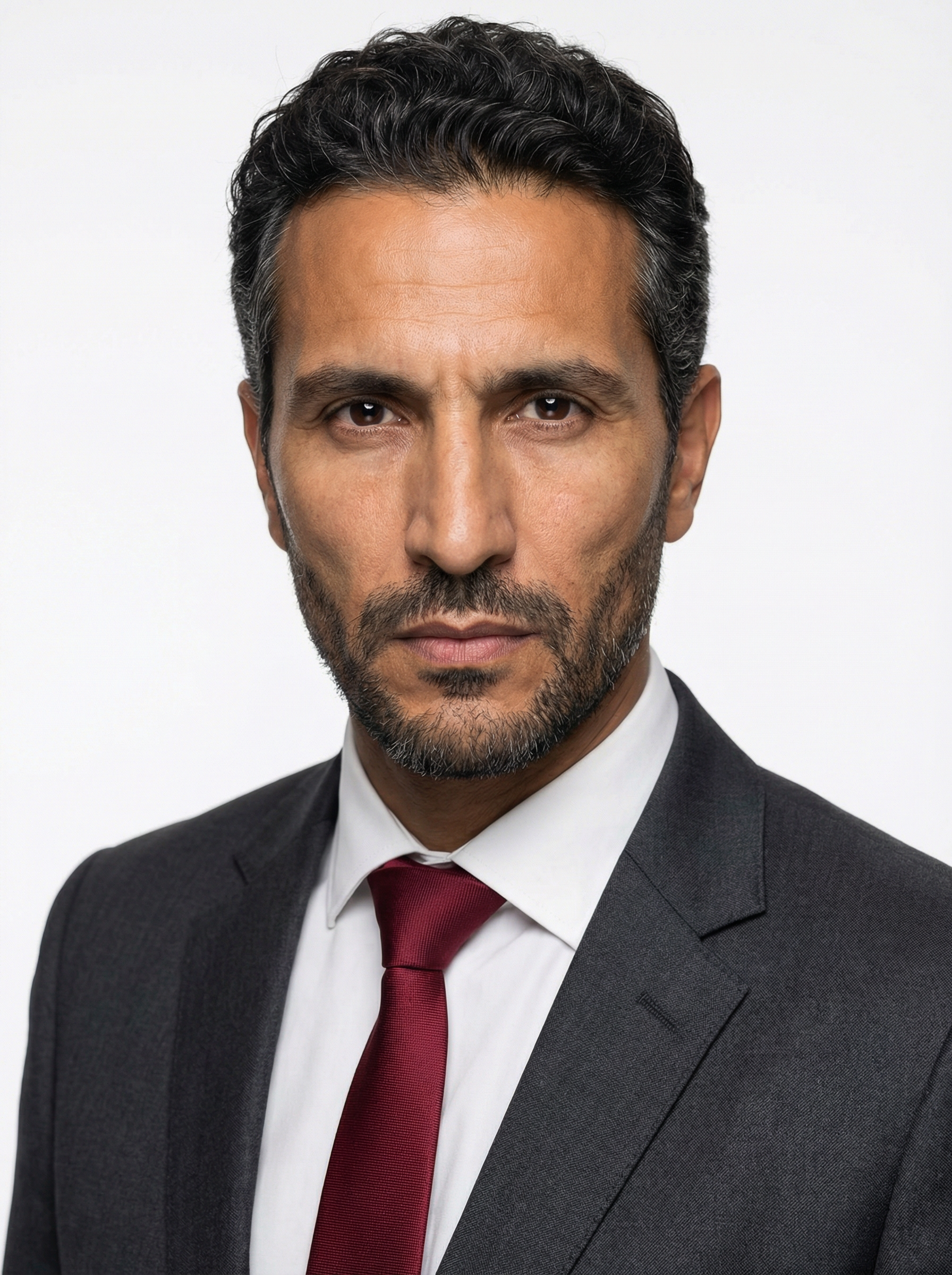
For years, the digital landscape has been slowly but surely populated by a new breed of celebrity: the AI influencer. We have seen their perfectly curated feeds, their flawless aesthetics, and their seemingly effortless engagement with millions of followers. But until recently, these virtual stars largely spoke a universal, often Western-centric, language and culture. The latest breakthrough from Meta AI, however, has decisively shifted this paradigm, and its implications for regions like North Africa are nothing short of monumental.
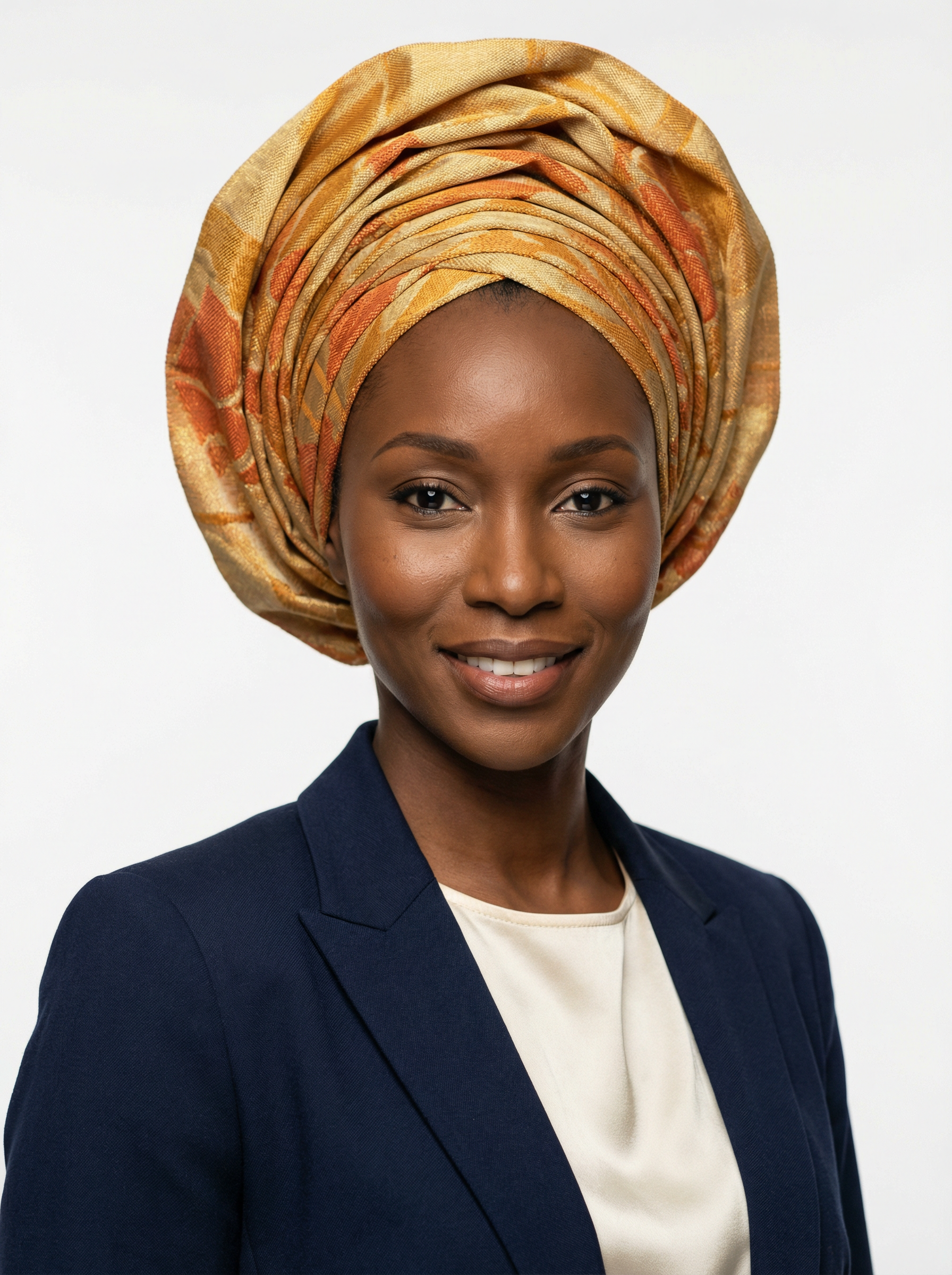
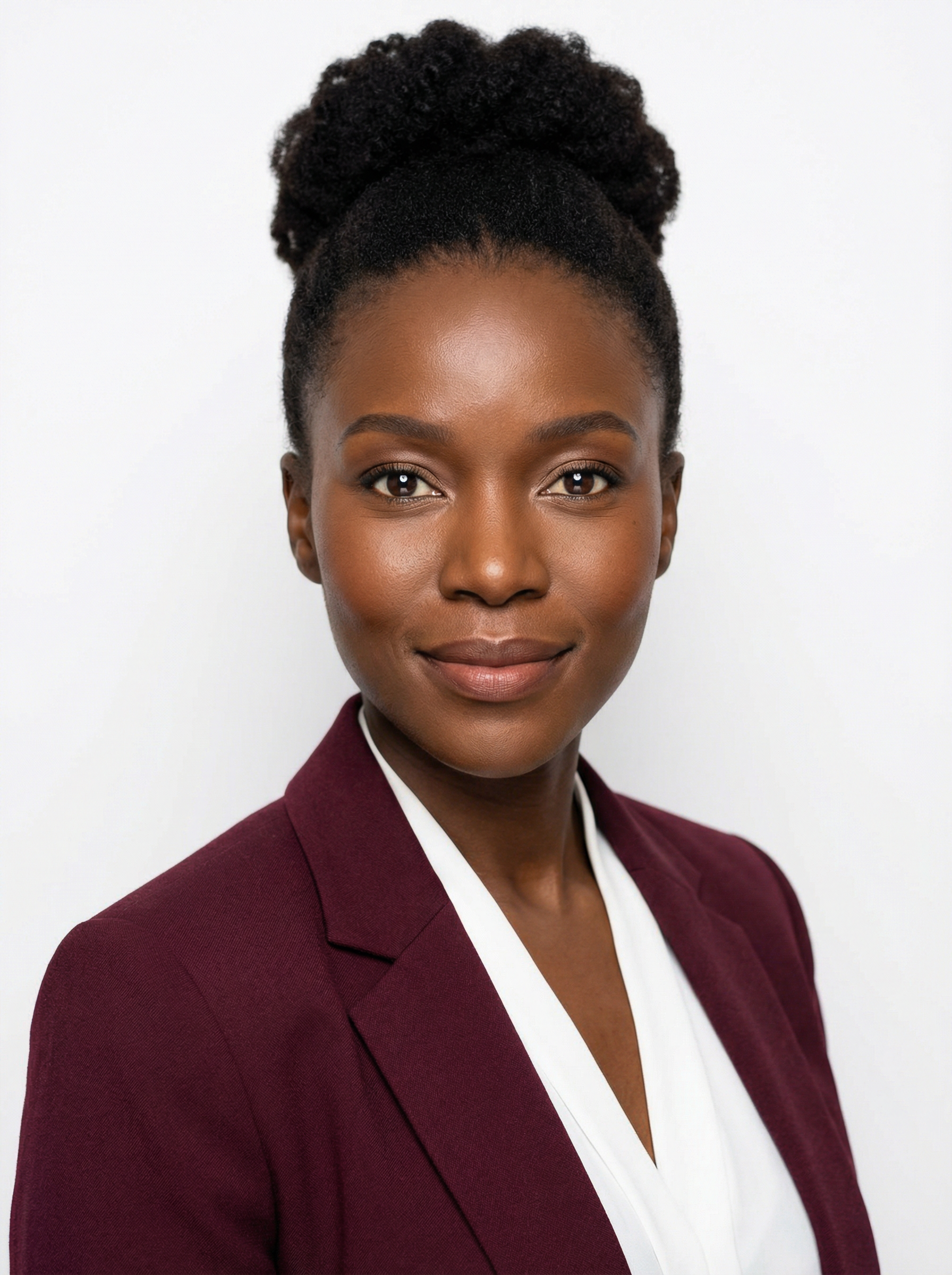
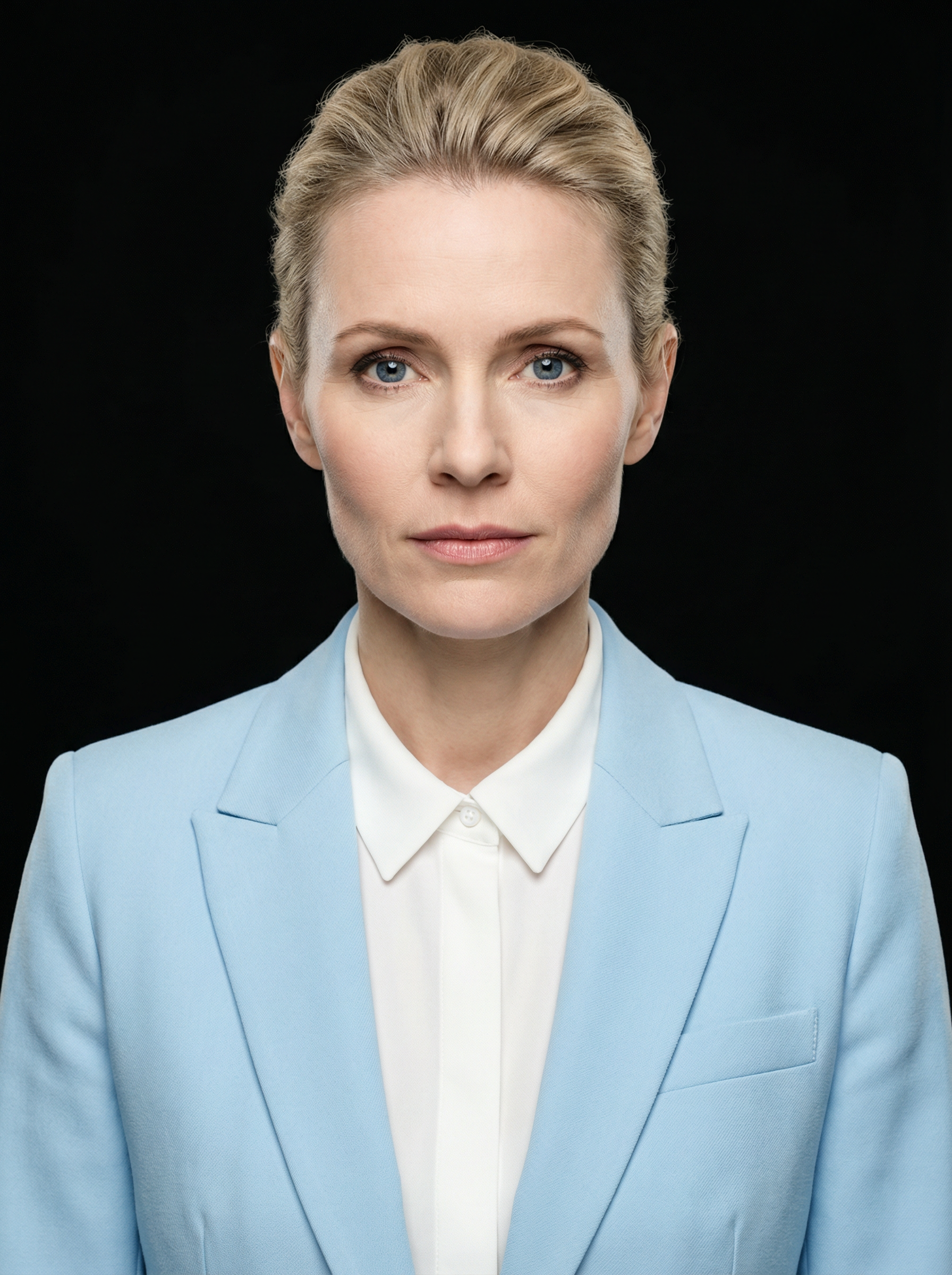
Imagine an AI influencer who not only speaks Darija, the Moroccan Arabic dialect, with perfect intonation and local idioms, but also understands the subtle nuances of Moroccan humor, social etiquette, and even fashion trends. This is no longer the stuff of science fiction, thanks to Meta AI's ambitious 'Project Sahara' initiative. Their recent paper, 'Multimodal Generative Models for Hyper-Realistic and Culturally Contextualized Virtual Personalities,' published in Nature Machine Intelligence [https://www.nature.com/natmachintell/], details the creation of AI models capable of generating virtual personas that are indistinguishable from human influencers, deeply embedded in specific cultural contexts.
The Breakthrough in Plain Language
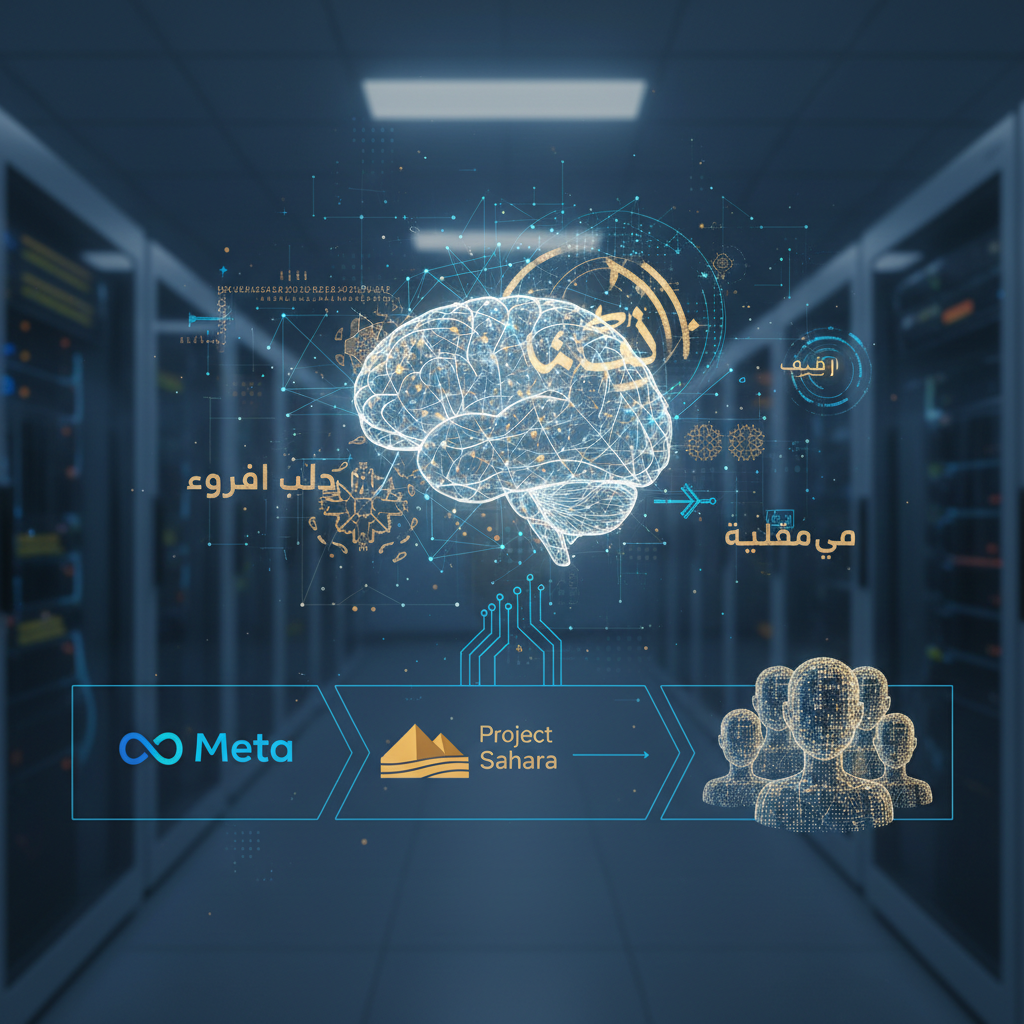
At its core, Project Sahara tackled the immense challenge of cultural and linguistic specificity. Previous AI models struggled with the subtle complexities of human interaction beyond basic language translation. They could generate pretty faces and generic captions, but they lacked soul, particularly when faced with the rich tapestry of non-Western cultures. Meta AI's researchers, led by Dr. Amina El-Fassi, a Moroccan-Canadian AI ethicist, developed a new architecture that combines advanced multimodal generative adversarial networks (GANs) with a novel 'Cultural Contextualization Layer' (CCL). This CCL was trained on vast datasets of region-specific media: local cinema, music, social media conversations, historical archives, and even ethnographic studies.
For North Africa, this meant feeding the model millions of hours of Moroccan, Algerian, and Tunisian content, including everything from classic Rai music videos to contemporary TikTok trends. The result is an AI that can not only generate photorealistic images and videos but also craft narratives, engage in banter, and even express emotions in a way that resonates authentically with a local audience. We are talking about virtual entities that can discuss the latest chaabi music release, comment on the beauty of a caftan, or share a thoughtful reflection on Ramadan traditions, all without missing a beat.
Why This Matters: A New Digital Frontier for North Africa
This isn't just about creating more sophisticated chatbots. This is about unlocking entirely new avenues for commerce, education, and cultural preservation. For too long, the global digital economy has been dominated by content tailored for English or Mandarin speakers. Project Sahara changes that equation entirely. "This research isn't just a technical achievement, it's a cultural bridge," explains Dr. El-Fassi from Meta AI's Paris lab. "We are empowering local voices and narratives to thrive in the digital space, not just mimic global trends. For a region as culturally rich and diverse as North Africa, this is truly transformative."
Consider the economic implications. The global AI influencer market is projected to reach over $25 billion by 2030, according to recent analyses. With culturally attuned AI influencers, Moroccan brands, for instance, can now engage with their audience in a way that feels authentic and personal, bypassing the often-expensive and logistically complex process of working with human celebrities. This could democratize access to high-quality digital marketing for small and medium-sized enterprises (SMEs) across the Maghreb.
The Technical Details: Beyond the Hype
The core innovation lies in the CCL. Traditional GANs are excellent at generating realistic data, but they operate on statistical patterns without inherent understanding of meaning or context. The CCL, however, acts as a filter and a guide, injecting semantic and cultural knowledge into the generative process. It leverages a combination of large language models (LLMs) fine-tuned on regional dialects and cultural ontologies, alongside specialized image and video generation models trained on local aesthetics. "We moved beyond just 'looking' human to 'feeling' human within a specific cultural framework," says Dr. Karim Benjelloun, a lead researcher on the project, formerly with Mohammed VI Polytechnic University in Ben Guerir. "The integration of ethnographic data into our training pipeline was crucial. It allowed the AI to learn not just what to say, but how to say it, and when to say it, in a way that respects local customs."
The team also incorporated a novel 'Ethical Alignment Module' (EAM) to mitigate biases and ensure cultural sensitivity. This module was developed in collaboration with local cultural experts and linguists, including professors from Al Akhawayn University in Ifrane, to prevent the generation of content that could be misrepresentative or offensive. This proactive approach to ethical AI development is a testament to the project's commitment to responsible innovation.
Who Did the Research?
Project Sahara was spearheaded by Meta AI, a division of Meta Platforms, Inc., with significant contributions from their research hubs in Paris and Menlo Park. Crucially, the initiative involved extensive collaboration with academic institutions and cultural organizations across North Africa. Key partners included the Moroccan Institute for Advanced Studies in AI (miai) in Rabat, the National Engineering School of Tunis (enit), and various cultural heritage foundations. This collaborative, cross-continental effort underscores the project's deep commitment to local relevance and expertise.
Dr. Amina El-Fassi, a prominent voice in AI ethics and a Moroccan national, played a pivotal role in guiding the cultural contextualization aspects. Her team ensured that the models were not just technically proficient, but also culturally intelligent and ethically sound. "Morocco sits at the crossroads of Africa, Europe, and the Arab world and that's our AI superpower," Dr. El-Fassi told me during a recent video call. "This project is a perfect example of how that unique position allows us to innovate in ways others cannot, bridging diverse worlds with technology."
Implications and Next Steps: Casablanca as an AI Hub?
The implications of Project Sahara are far-reaching. Beyond marketing, imagine AI-powered virtual teachers delivering lessons in local dialects, making education more accessible in remote villages. Consider AI cultural ambassadors promoting Moroccan heritage on a global scale, or even virtual assistants providing public services in a culturally sensitive manner.
This technology also presents a unique opportunity for Morocco to solidify its position as a regional AI leader. "Casablanca is becoming the AI capital nobody expected," remarks Omar Alami, CEO of MarTech Innovations, a Casablanca-based startup already exploring applications for Meta's new models. "The talent pool, the government's digital transformation initiatives, and now this culturally-aware AI, it all creates a fertile ground for innovation. We are already seeing interest from investors who recognize the immense potential of this localized approach."
Indeed, the Moroccan government has been proactive in fostering an AI ecosystem. Initiatives like the 'Digital Morocco 2025' strategy have laid the groundwork for technological adoption and skill development. The Sahara is vast, but the data flowing across it is vaster, and with this new research, that data can now speak directly to the hearts and minds of North Africans. The next decade will undoubtedly see a proliferation of these culturally nuanced AI entities, reshaping our digital interactions and perhaps, even our sense of identity in the connected world. The challenge now lies in ensuring equitable access and responsible deployment, so that this powerful technology truly serves the people it aims to represent. The conversation has just begun, and it's speaking in many new, familiar voices. For more insights into the broader impact of AI on global culture, you might find this article on AI culture and society interesting.