
¡Hola, amigos! Alejandroó Riveràs here, coming to you live from the heart of Mexico, where the future is not just arriving, it is being built with a vibrant energy you can almost taste. We are seeing incredible things happen here, from our booming tech scene to the incredible innovations in our traditional industries. But with all this excitement, there is also a buzzing conversation, a vital one, about what this future means for the people who make it all possible: the workers.
Right now, the world is captivated by AI, and Mexico is no exception. We are embracing it, yes, but we are also asking the tough questions. The nearshoring revolution is real, bringing incredible investment and opportunity, especially in manufacturing. Companies like Tesla are expanding their operations, and with them comes the promise of advanced automation and artificial intelligence. This is fantastic for productivity, for global competitiveness, but it also sparks a critical dialogue that cannot be ignored: what about the human element? What about the jobs, the livelihoods, the dignity of work?
This is where Mexico’s powerful labor unions, like the Confederación de Trabajadores de México, or CTM, step into the spotlight. For decades, the CTM has been a cornerstone of worker protection and advocacy in our country. Now, they are facing a new frontier: AI-driven automation. It is not about stopping progress, no, that is not the Mexican way. It is about ensuring that progress is inclusive, that it uplifts everyone. As Reuters reports, the global conversation around AI and labor is intensifying, and Mexico is right at the forefront.
Just last month, I had the chance to speak with a representative from the CTM, Ricardo Morales, during a tech and labor summit right here in Mexico City. He told me, with a passionate conviction that resonated deeply, “We understand the immense potential of AI to transform our industries, to make them more efficient and competitive on a global scale. But we also know that technology must serve humanity, not the other way around. Our role is to ensure that automation leads to upskilling, to better jobs, and to a shared prosperity, not just job displacement. We are not against robots, we are for people.” This sentiment, this balance, is crucial.
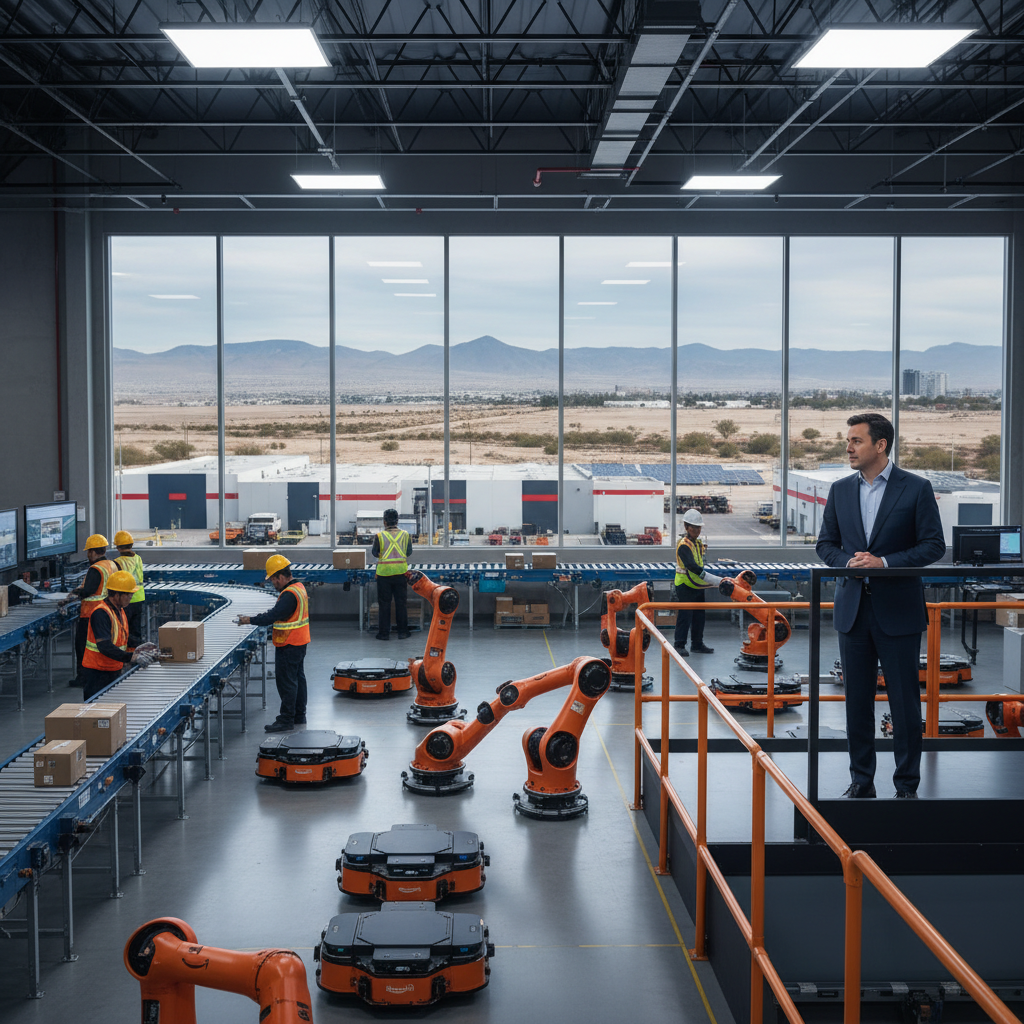
Think about our maquiladoras, those incredible factories along the border that have been the engine of our manufacturing might for so long. They are already seeing increased automation. From robotic arms assembling complex electronics to AI-powered quality control systems, the changes are palpable. While this brings efficiency, it also means that tasks previously performed by human hands are now being done by machines. The CTM, alongside other unions like the Croc and the Fesocem, is actively engaging with companies and government officials to develop strategies that mitigate potential negative impacts.
One of the key demands from unions is for robust investment in reskilling and upskilling programs. They are not asking for a halt to automation, but for a commitment to prepare the existing workforce for the jobs of tomorrow. Imagine a factory worker, whose job involved repetitive assembly, now being trained to program and maintain the very robots that took over their old tasks. This Mexican startup just launched an incredible platform, CapacitaTech, which is partnering with several unions to offer AI and robotics training to thousands of workers. It is a fantastic example of how innovation can be a bridge, not a barrier.
This is not a uniquely Mexican challenge, of course. Across the globe, from Detroit to Düsseldorf, labor movements are grappling with the same questions. In the United States, the United Auto Workers (UAW) have been vocal about the impact of automation on their members, pushing for job security clauses and retraining initiatives in their contracts with major car manufacturers. Even in Europe, unions are advocating for a “just transition” to an AI-powered economy, emphasizing social dialogue and worker participation. According to MIT Technology Review, these global trends highlight a universal concern for equitable technological advancement.
But Mexico's approach has its own flavor, its own rhythm. Our cultural emphasis on community, on familia, means that the social safety net and collective well-being are always part of the conversation. It is not just about individual contracts, but about the broader societal impact. The CTM, for instance, is pushing for national policies that would mandate companies investing in AI to also invest a percentage of their profits into a national retraining fund. This would ensure that the benefits of automation are distributed more broadly.
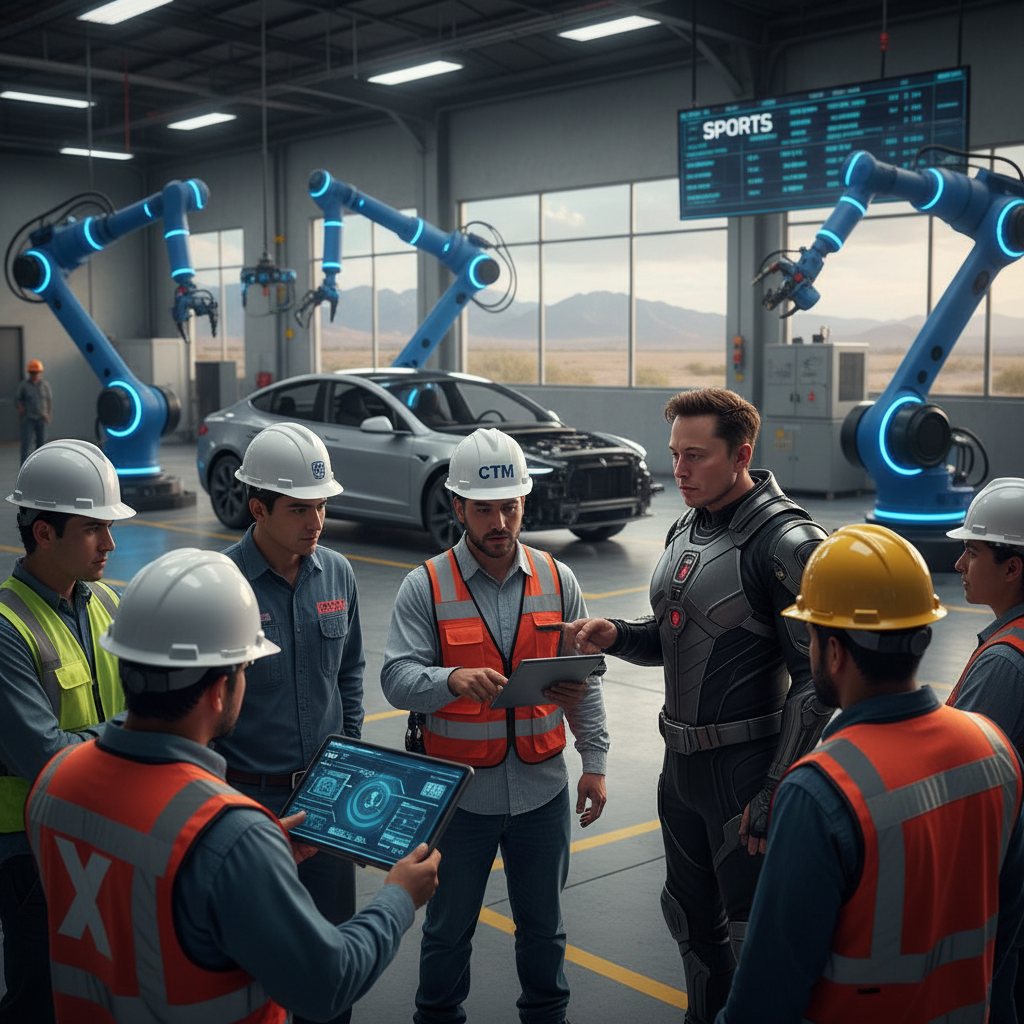
Consider the automotive sector, a massive employer here in Mexico. As Elon Musk's Tesla ramps up its presence, bringing its cutting-edge Gigafactory to Nuevo León, the unions are watching closely. Tesla is known for its highly automated production lines. The question is, how will this integrate with Mexico's established labor framework? Will Tesla embrace the local union structure, or will it seek alternative models? The negotiations are ongoing, and the eyes of the world are on this fascinating interplay. It is a real-time case study in how a global tech giant navigates local labor dynamics in the age of AI.
This is not just about manufacturing, either. We are seeing similar discussions in logistics, in customer service, even in creative industries. AI tools like OpenAI's GPT models and Google's Gemini are changing how we write, design, and analyze. While these tools can augment human capabilities, they also raise questions about intellectual property, fair compensation, and the future of creative labor. The National Union of Writers and Artists of Mexico (sogem) has begun discussions on how to protect its members' works from being used without consent to train large language models.
What does this all mean for the future? I am an optimist, always. I believe in Mexico’s ingenuity and its spirit. This is not a battle against machines, but a grand negotiation for a better, more equitable future. The unions are not standing in the way of progress; they are ensuring that progress serves everyone. They are demanding that the incredible wealth generated by AI and automation is shared, that workers are empowered, not replaced. This is a crucial moment for our country, a chance to show the world how to integrate advanced technology with social responsibility.
As Satya Nadella of Microsoft often says, AI should empower humanity. And here in Mexico, our labor movements are ensuring that this empowerment is not just for a select few, but for every single worker who contributes to our nation's vibrant economy. It is a complex challenge, yes, but one we are tackling with our characteristic passion and determination. The future of work, infused with AI, is being written right here, and I cannot wait to see the incredible story unfold. It is going to be amazing, truly amazing. And you can bet I will be here to tell you all about it. For more global insights on this topic, check out The Verge's AI coverage. This is Alejandroó Riveràs, signing off from Mexico City, where the pulse of innovation beats strong and true.