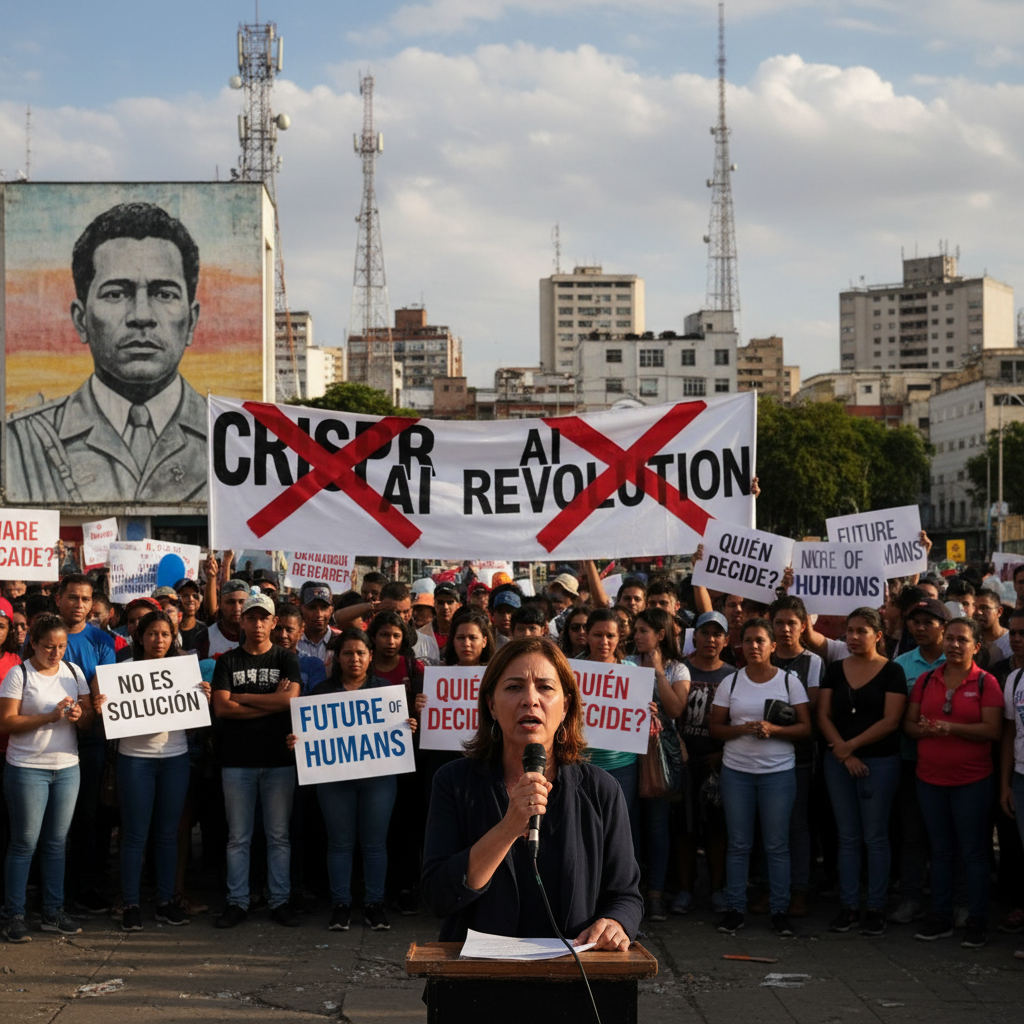
The global tech press, bless its heart, is in a frenzy. AI and Crispr, together at last, promising to cure everything from cancer to inherited diseases. It's a symphony of scientific marvels, they say, a new dawn for humanity. From my perch here in Caracas, I hear the same old tune, just with fancier instruments. Unpopular opinion from Caracas: this AI-powered gene editing revolution, for all its dazzling potential, is not a universal panacea. It's a high-stakes gamble that will exacerbate global inequalities, making healthcare a luxury item for the privileged few, not a right for all.
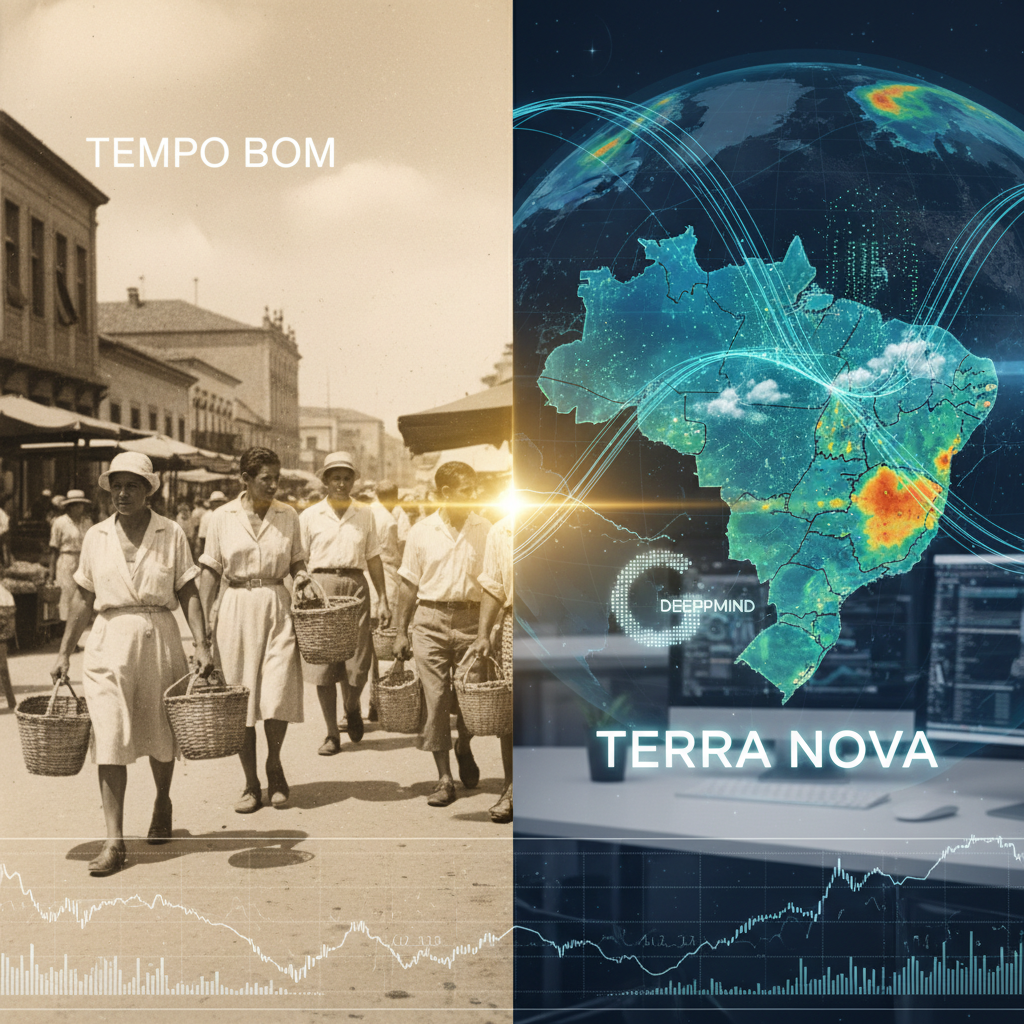
Everyone is talking about how machine learning is turbocharging Crispr. It's true, the advancements are breathtaking. Imagine algorithms, trained on vast genomic datasets, predicting off-target edits with unprecedented accuracy, designing guide RNAs that are more efficient, and even optimizing delivery methods. Companies like Google DeepMind, with their AlphaFold success, are now rumored to be pouring resources into biological applications, seeing the human genome as the ultimate data challenge. NVIDIA, not content with just powering the AI boom, is positioning its powerful GPUs as the indispensable backbone for these complex genomic computations. This isn't science fiction anymore, it's happening, and fast.
Researchers are using AI to sift through billions of genetic variations, identifying the precise mutations responsible for diseases with a speed and scale previously unimaginable. This allows for hyper-personalized Crispr therapies, tailored to an individual's unique genetic makeup. The promise is incredible: a future where genetic predispositions are corrected before they manifest, where intractable diseases are simply erased from our biological code. It's a vision that makes headlines and fills venture capital coffers.
But let's peel back the layers, shall we? Who exactly benefits from this miraculous future? When I look at the state of healthcare in Venezuela, or indeed across much of the Global South, I see crumbling infrastructure, chronic shortages of basic medicines, and a severe lack of trained medical personnel. We are still fighting against dengue and malaria, still struggling to provide basic vaccinations. How, then, are we supposed to access gene therapies that cost millions of dollars per patient, require highly specialized facilities, and depend on an army of bioinformaticians and genetic engineers?
This isn't just about access to the final treatment. It's about the entire ecosystem. The data used to train these powerful AI models, the foundational research, the patents, the manufacturing capabilities, all of it is concentrated in a handful of wealthy nations and corporate giants. We are not just talking about the cost of a single injection. We are talking about the entire R&D pipeline, the regulatory hurdles, the clinical trials, all of which are astronomically expensive and largely inaccessible to countries like mine.
Consider the words of Dr. Emmanuelle Charpentier, one of the Nobel laureates for Crispr, who has often emphasized the ethical implications of gene editing. While she champions the technology's potential, she has also expressed concerns about equitable access and the need for global dialogue. It is not enough to invent a cure if that cure remains locked behind an economic fortress. This is where my Venezuelan perspective kicks in. We have seen how global crises, even our own, can spur incredible innovation, often out of necessity. Venezuela's tech diaspora is reshaping AI globally, creating solutions born from scarcity and ingenuity. But even their brilliance cannot magically conjure multi-million dollar gene therapy clinics out of thin air.
And let's not forget the ethical minefield. The ability to edit the human germline, to make changes that are heritable, raises profound questions about human identity, diversity, and unintended consequences. Who decides what constitutes a