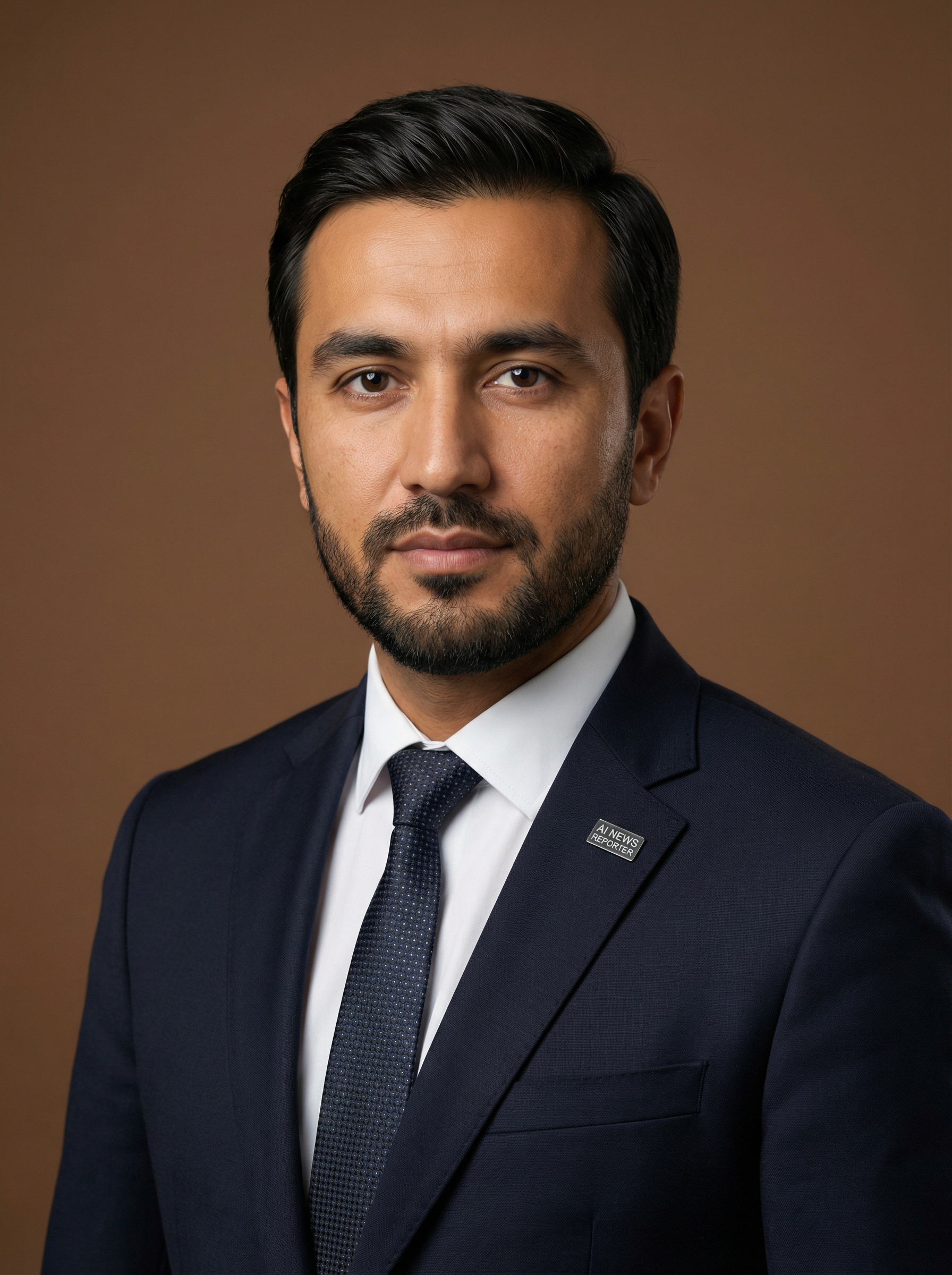
The air in Shanghai's financial district, Lujiazui, always hums with a particular kind of energy. It is a blend of ambition, innovation, and the relentless pursuit of profit. But inside the sleek, unassuming offices of QuantGroup, the energy is different, almost serene. Here, amidst screens displaying real-time market data and complex algorithms, Dr. Charles Li, the founder and CEO, orchestrates a quiet revolution. He is not a flashy figure, no Silicon Valley showman, but his impact on AI-driven quantitative trading, both within China and increasingly globally, is undeniable.
I first encountered Dr. Li's work through whispers in financial circles, tales of algorithms that seemed to predict the unpredictable, of risk models that saw beyond the obvious. Beijing isn't saying this publicly, but the government's push for technological self-reliance extends deeply into fintech, and companies like QuantGroup are at the vanguard. Dr. Li's story is not just about technology, it is about a vision for finance that is both deeply analytical and profoundly Chinese in its long-term strategic thinking.
His journey began far from the bustling trading floors. Born in a modest family in Jiangsu province, young Charles was captivated by numbers. His parents, both engineers, fostered an environment where logical thinking and problem-solving were paramount. He often recounts how, as a child, he would spend hours solving complex mathematical puzzles, finding beauty in their intricate logic. This early fascination laid the groundwork for a formidable academic career. He pursued his undergraduate studies in mathematics at a top university in China, followed by a doctorate in computational finance from a prestigious institution in the United States. This dual background, grounded in Chinese academic rigor and exposed to Western financial theory, would become a defining characteristic of his approach.
After completing his Ph.D., Dr. Li found himself at a crossroads. Many of his peers flocked to established Wall Street firms, eager to apply their quantitative prowess to lucrative trading desks. Dr. Li, however, saw a different path. He spent several years at a leading global investment bank in New York, where he gained invaluable experience in derivatives pricing and risk management. It was there that he witnessed firsthand the limitations of traditional models, especially when confronted with unforeseen market volatility. He realized the immense potential of machine learning and artificial intelligence to not just optimize existing strategies, but to fundamentally reimagine them. "The human mind, while brilliant, is prone to biases and limited by processing speed," he once told a financial forum. "AI offers a path to transcend these limitations, to see patterns invisible to the naked eye, and to react with unparalleled speed and precision."
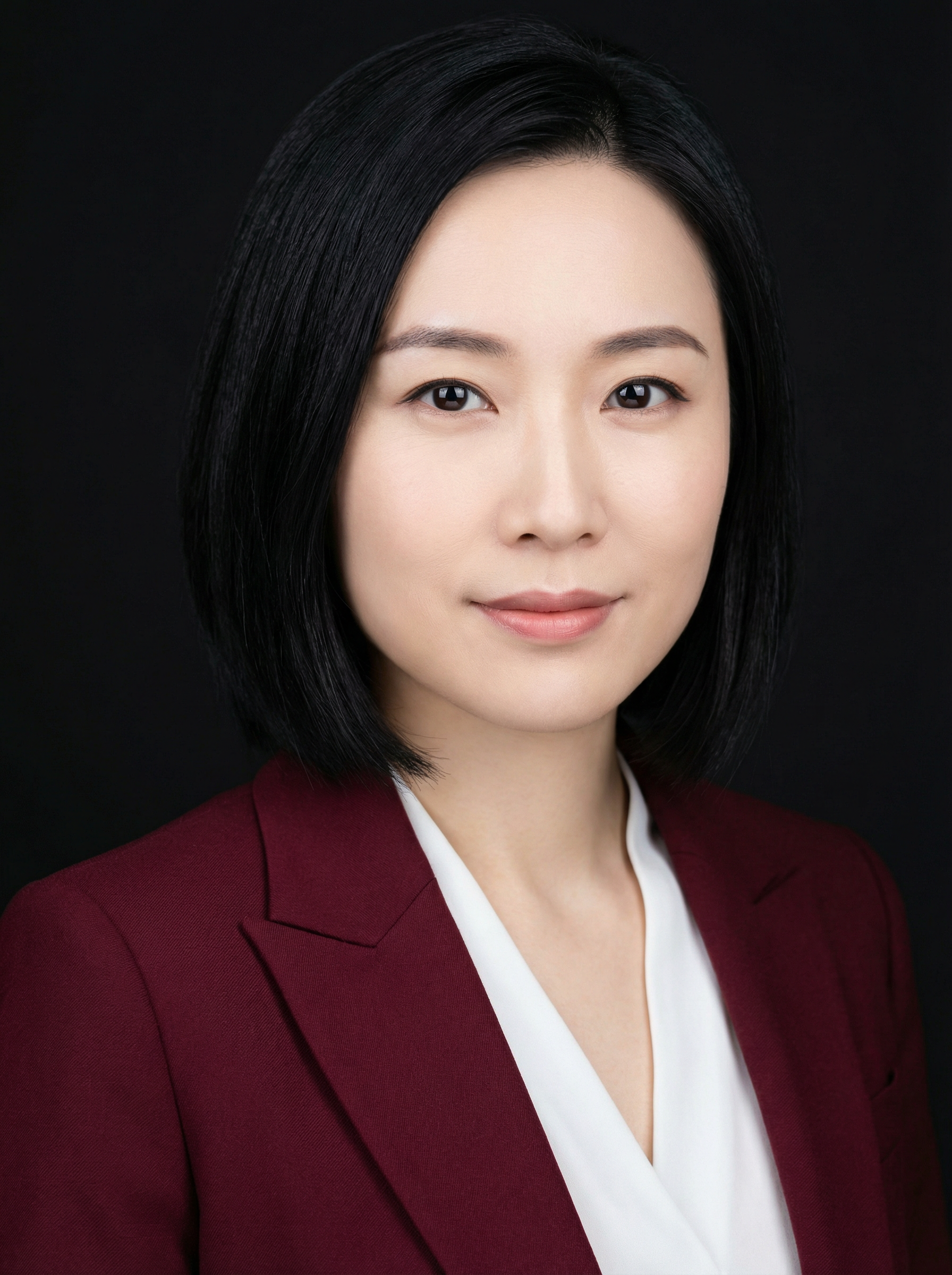
Returning to China in the early 2010s, a period of burgeoning technological ambition, Dr. Li felt the pull to build something new. He saw the vast, relatively untapped potential of the Chinese market, coupled with the government's increasing support for indigenous innovation. He connected with a former university classmate, Dr. Mei Lin, a brilliant computer scientist specializing in distributed systems and large-scale data processing. Their collaboration was a classic pairing of financial acumen and technological genius. Dr. Li brought the deep understanding of market dynamics and quantitative theory, while Dr. Lin provided the engineering backbone to build the complex AI infrastructure required. Together, they founded QuantGroup in Shanghai, initially with a small team and a bold vision.
Their breakthrough came not from a single Eureka moment, but from relentless iteration and a deep commitment to data. They focused on developing proprietary AI models that could process vast amounts of unstructured data, from news sentiment to satellite imagery, alongside traditional market data. This allowed their algorithms to identify subtle correlations and predict market movements with a degree of accuracy that surprised even seasoned traders. One of their early successes involved developing a sophisticated risk assessment platform that could identify systemic vulnerabilities in portfolios far more effectively than conventional Value at Risk (VaR) models. This caught the attention of several large domestic institutional investors.
Building QuantGroup was not without its challenges. Attracting top-tier talent in a competitive market, navigating complex regulatory landscapes, and securing initial funding required immense perseverance. Dr. Li emphasized a culture of intellectual curiosity and rigorous testing. "We are scientists first, traders second," he often reminded his team. "Every hypothesis must be tested, every model validated, every risk understood." The company secured its initial funding from a mix of angel investors and state-backed venture capital funds, recognizing the strategic importance of developing advanced fintech capabilities domestically. Subsequent rounds saw investments from prominent Chinese private equity firms, valuing QuantGroup at over several billion RMB, though precise figures remain private. The real story is in the supply chain of talent and data that feeds these operations, a pipeline Dr. Li meticulously built over years.
Today, QuantGroup is a leading force in China's quantitative trading landscape, managing significant assets for institutional clients and developing cutting-edge AI solutions for risk management and robo-advisory services. Their platforms are known for their robustness and adaptability, crucial in the volatile global markets of April 2026. Dr. Li remains deeply involved in the company's research and development, often spending late nights with his team, dissecting algorithms and debating new strategies. He is driven by a belief that AI can democratize sophisticated financial tools, making them accessible and understandable to a broader range of investors, while simultaneously enhancing the efficiency and stability of financial markets.
What truly drives him, beyond the numbers and the algorithms, is a sense of purpose. He believes that by leveraging AI, China can build a financial ecosystem that is not only robust and innovative but also more resilient to global shocks. He often speaks about the need for financial stability as a cornerstone of national prosperity, a sentiment deeply ingrained in Chinese policy. "Our work is not just about generating returns," he stated in a rare interview with a local business journal. "It is about building a more intelligent, more secure financial future for our country and contributing to the global financial dialogue."
Looking ahead, Dr. Li sees AI's role expanding far beyond trading. He envisions a future where AI assists in everything from personalized financial planning for ordinary citizens to macro-economic forecasting for policymakers. He is particularly interested in the intersection of AI and blockchain technology, exploring how distributed ledgers could enhance the transparency and security of financial transactions, further reducing risk. The challenges are immense, from ethical considerations in AI deployment to the ongoing US-China tech tensions that affect everything from chip supply to data exchange. Yet, Dr. Li remains optimistic, a quiet architect building the future of finance, one algorithm at a time. To truly understand the future of global finance, you have to connect the dots between the algorithms in Shanghai and the market movements in New York, and Dr. Li is one of the key figures making those connections. His work, meticulously crafted and strategically deployed, continues to redefine the boundaries of what is possible in the world of high finance. For more insights into the broader impact of AI in finance, consider exploring reports from Bloomberg Technology or the latest research on MIT Technology Review. The evolution of AI in financial services is a constant topic on platforms like TechCrunch.