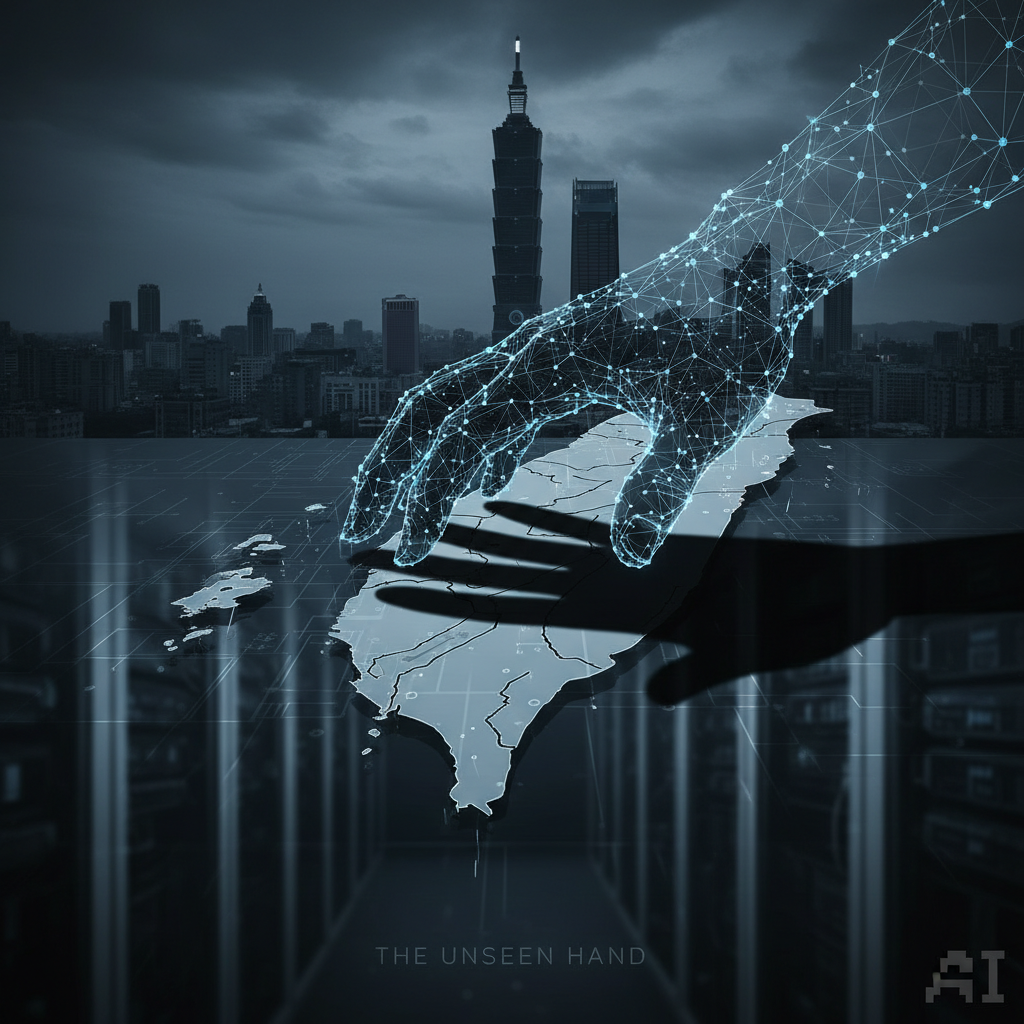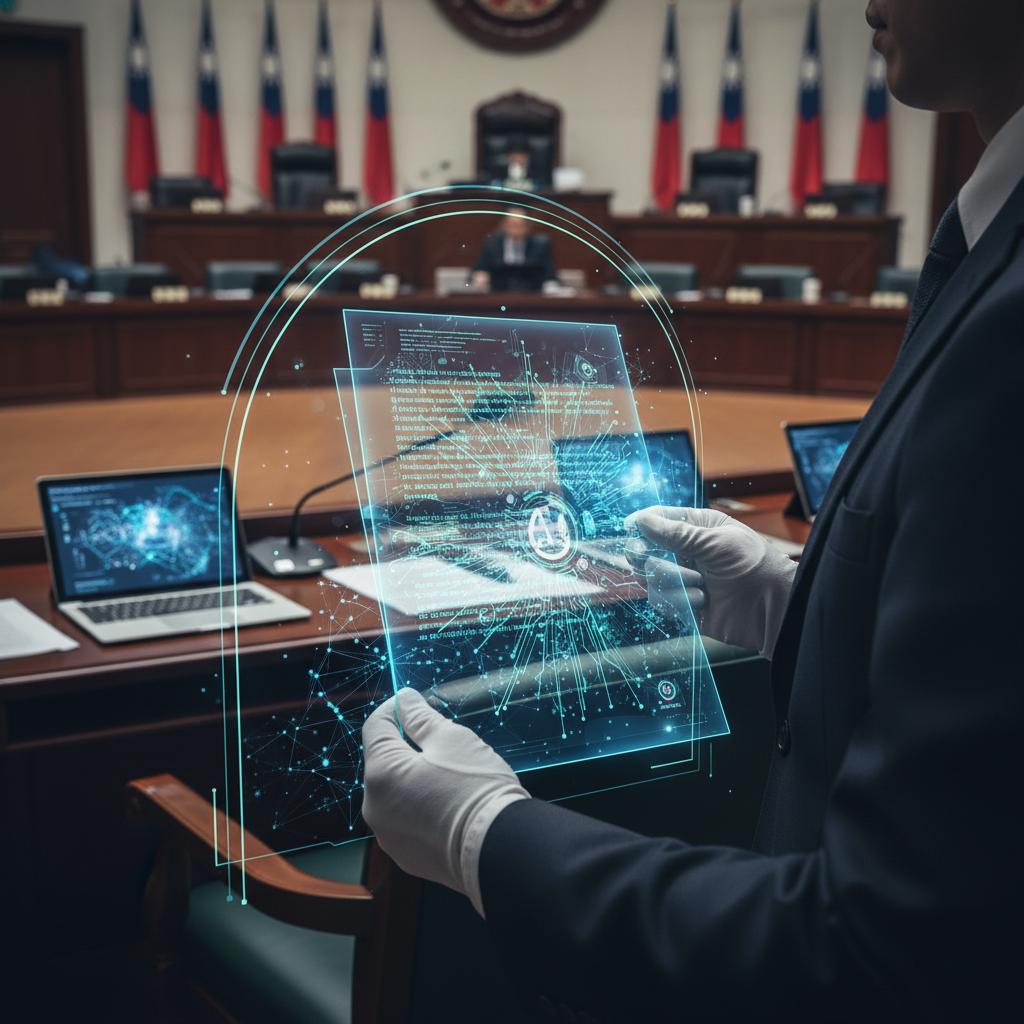
The digital canvas of creativity is undergoing a seismic shift, driven by artificial intelligence. From algorithms composing symphonies to neural networks generating photorealistic imagery, the lines between human and machine authorship are blurring with unprecedented speed. This technological evolution presents a profound challenge to established legal and ethical frameworks, particularly in jurisdictions like Taiwan, which boasts a thriving creative sector alongside a world-leading technology industry. The question is not merely academic; it strikes at the heart of economic viability for countless artists, musicians, and writers.
Recently, Taiwan's Intellectual Property Office, or Tipo, under the Ministry of Economic Affairs, unveiled a series of proposed amendments and interpretative guidelines aimed at addressing AI generated content. These proposals, currently undergoing public consultation, seek to clarify ownership, usage rights, and remuneration models for works created or significantly assisted by AI. The core of the proposed framework suggests that for a work to be eligible for copyright protection, it must still demonstrate a 'human creative input' sufficient to qualify as an original creation. This stance, while seemingly straightforward, opens a Pandora's Box of definitional complexities.
Who is truly behind these regulatory movements, and what are their motivations? The impetus for these guidelines stems from a growing chorus of concerns from Taiwan's creative guilds and associations. The Taiwan Association of Visual Artists, for instance, reported a 35 percent increase in AI generated art submissions to various online platforms over the past year, often without clear attribution or compensation to the original human artists whose styles or works were used as training data. Legislators, keenly aware of the economic and cultural significance of these industries, have pressured Tipo to act. “We cannot allow our creators to be disenfranchised by technology,” stated Legislator Chen Mei-Ling of the Democratic Progressive Party, a vocal proponent of stronger protections. “Our cultural heritage and future depend on ensuring fair compensation and recognition for human ingenuity.”
In practice, what do these proposals mean? The guidelines suggest a tiered approach. If an AI is merely a tool, like a paintbrush or a word processor, and the human operator exercises substantial creative control, then the human creator retains full copyright. However, if the AI autonomously generates content with minimal human intervention, the work may not qualify for copyright protection at all. A third, more ambiguous category involves AI systems that generate works based on prompts or parameters provided by a human. Here, Tipo proposes that copyright might be granted only to the 'human-directed' elements, leaving the AI's autonomous contributions in a legal grey area, potentially entering the public domain. This approach, while attempting to draw distinctions, introduces considerable ambiguity, particularly concerning what constitutes 'minimal' versus 'substantial' human intervention.
The industry reaction has been, predictably, bifurcated. Traditional creative industries, particularly those with established intellectual property portfolios, largely welcome the move. Ms. Lin Shu-Fen, CEO of Golden Melody Records, Taiwan's largest independent music label, expressed cautious optimism. “For years, we have seen our artists’ unique sounds and compositions absorbed into AI models without consent or compensation. These guidelines are a vital first step towards acknowledging the value of human artistic labor.” She added, “We need clear rules of engagement, not a free-for-all.”
Conversely, Taiwan's burgeoning AI startup ecosystem views the proposals with a degree of apprehension. Dr. Hsieh Ming-Chung, founder of 'CreativeFlow AI,' a Taipei based company specializing in AI driven content generation tools, voiced concerns about stifling innovation. “If every AI output is immediately deemed uncopyrightable or subject to complex, partial ownership, it removes the incentive for developing powerful generative models. The investment in these technologies is immense, and without clear paths to monetization, our competitiveness will suffer.” He pointed out that many AI models are trained on vast datasets, and retroactively disentangling ownership of every element is practically impossible. “We are not trying to steal; we are trying to create new tools for human expression. The data tells a more nuanced story than simply 'AI versus artist.'”
From the perspective of civil society, the debate extends beyond mere economic considerations to fundamental questions of cultural value and artistic identity. Groups like the Taiwan Digital Rights Association argue for a balanced approach that prioritizes public access and collaborative creation, while ensuring ethical AI development. “The danger is not just economic exploitation, but also the erosion of what it means to be human in the creative process,” stated Dr. Wu Chia-Hui, a legal scholar specializing in technology ethics at National Taiwan University. “We must ensure that AI serves humanity, not the other way around. The current proposals lean heavily towards protecting existing commercial models, but what about the public domain, open source AI, and the rights of future generations to build upon our collective knowledge?” She emphasized the need for transparency in AI training data and mechanisms for artists to opt out or receive fair compensation when their work is used.
Will these regulations work? That is the critical question. Taiwan's position is more complex than headlines suggest. While the intent to protect local creators is commendable, the practical enforcement of these nuanced copyright distinctions will be a formidable challenge. The global nature of AI development and content distribution means that Taiwan's regulations, however well-intentioned, may only offer partial protection. An AI model trained in another jurisdiction, operating under different legal norms, could still generate content that infringes on Taiwanese artists' rights, making cross-border enforcement a legal minefield.
Furthermore, the speed of AI advancement means that any fixed legal framework risks becoming obsolete almost as soon as it is enacted. The very definition of 'human creative input' is subject to continuous reinterpretation as AI capabilities evolve. Consider the scenario of an AI system that learns to mimic a specific artist's style so perfectly that even experts struggle to differentiate. Who then holds the copyright, or indeed, the moral right to the 'style' itself? Let's separate fact from narrative: the current proposals are a necessary first step, but they are far from a definitive solution. They highlight the urgent need for international cooperation on AI governance, a task that has proven elusive in other technological domains.
Ultimately, Taiwan's journey to regulate AI in creative industries reflects a global dilemma. The island's unique position at the nexus of technological innovation and a vibrant cultural scene makes it an important testbed for these policies. The challenge lies in crafting regulations that are robust enough to protect human creativity without inadvertently stifling the very innovation that drives economic growth. The future of art, music, and writing in the age of AI will depend not just on legal frameworks, but on a societal consensus about the value of human ingenuity in a world increasingly shaped by algorithms. The debate has only just begun.