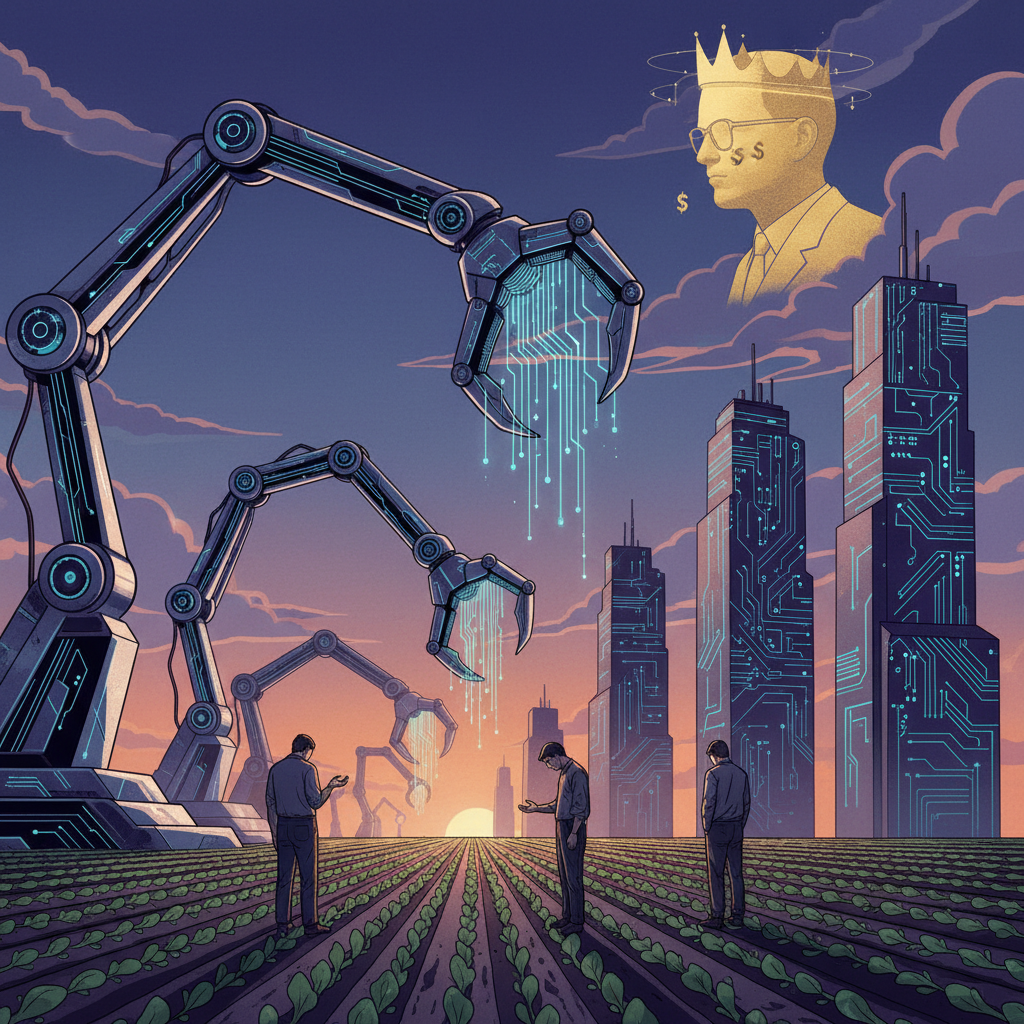
Alright, let's talk about the elephant in the room, or rather, the digital behemoth in the cloud: artificial intelligence and the absolute ruckus it's causing in the creative world. Everyone from novelists to musicians, artists to photographers, is up in arms, and rightly so. Their life's work, their intellectual property, is being hoovered up by these massive AI models, often without a 'by your leave' or a single cent in compensation. And who's at the center of this storm, making waves like a hurricane offshore? OpenAI, of course, with its charismatic leader Sam Altman at the helm.
The Strategic Move: OpenAI's Olive Branch, or a Trojan Horse?
OpenAI, facing a barrage of lawsuits from authors like Sarah Silverman and the New York Times, has been trying to play a delicate game. Their strategy, as far as I can tell, is a two-pronged approach: first, offer some rather vague licensing deals to large media houses, essentially trying to buy peace with the big dogs. Second, and perhaps more tellingly, they're pushing the narrative that AI is a tool for creators, an enhancer, not a replacement. They've launched initiatives, they've talked about future monetization for artists, and they've even suggested compensation models that sound suspiciously like crumbs from a very rich table. It's a classic Silicon Valley move: innovate first, apologize later, then try to co-opt the opposition. But is it enough? Especially when you consider the unique challenges and opportunities for a place like Jamaica.
Context and Motivation: The Data Gold Rush and the Creative Crisis
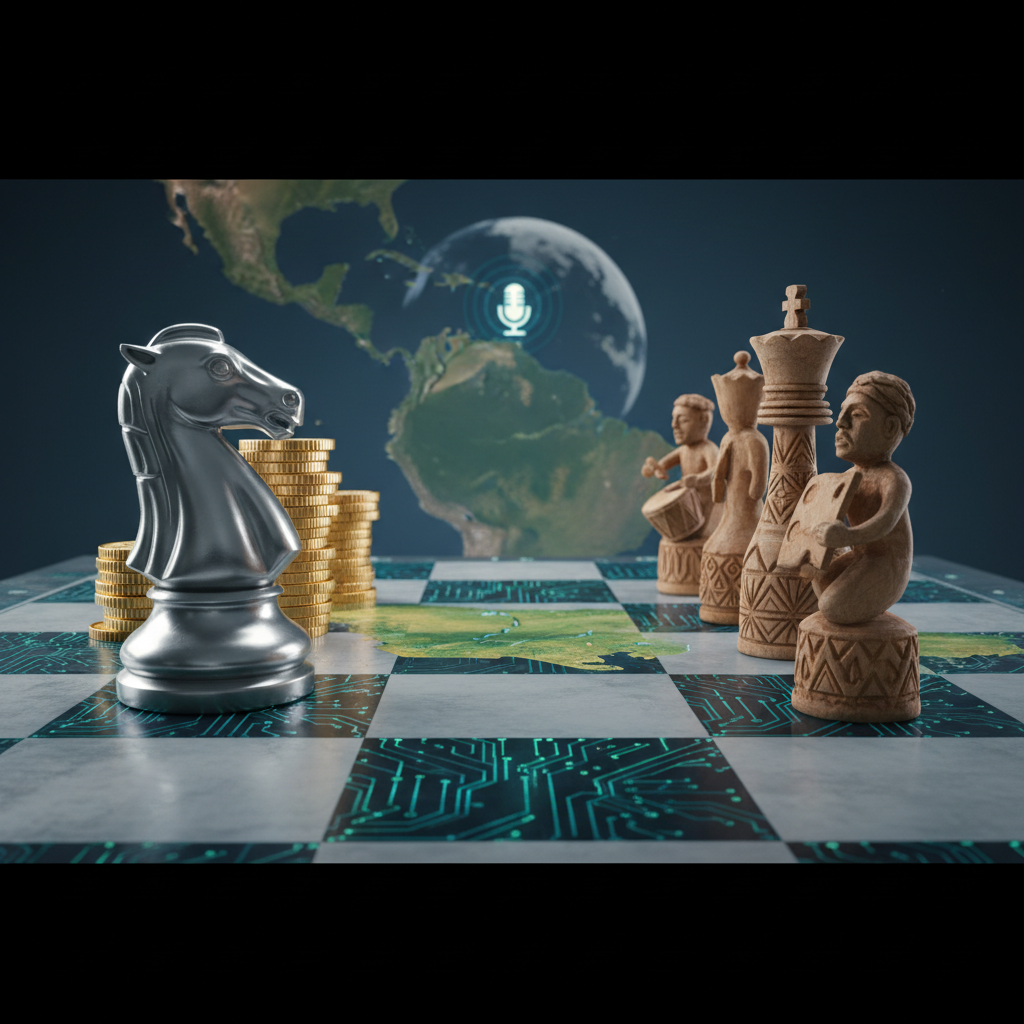
The motivation for OpenAI is simple, if not entirely ethical: data is the new oil, and creative works are the richest veins. To train their large language models and image generators, they needed vast quantities of human-created content. They took it. Now, with the legal system finally catching up, they're in damage control mode. The lawsuits are piling up, threatening not just their bottom line but their public image and, crucially, their ability to continue training these models on the open web. If every piece of content requires explicit licensing and payment, their entire business model shifts dramatically. They need to find a way to keep the data flowing, or at least appear to be doing so legally, while minimizing payouts. It's a high-stakes poker game, and the chips are creative livelihoods.
For us in Jamaica, this isn't just some abstract legal battle happening in a Californian courtroom. Our creative industries, from reggae and dancehall music to literature, visual arts, and even our unique culinary expressions, are the lifeblood of our culture and a significant part of our economy. [Jamaica's tech scene is like reggae, it'll surprise you], but our creative output has always been our global calling card. If AI models are trained on our music, our stories, our art, without proper attribution or compensation, it's not just an injustice; it's an economic threat. We're talking about potential erosion of income for artists who already operate in a challenging global market. The thought of a machine spitting out a 'new' reggae track or a 'Jamaican-inspired' painting, generated from the stolen essence of our culture, makes my blood boil.
Competitive Analysis: Who's Playing Fair, and Who's Not?
OpenAI isn't alone in this copyright quagmire. Google, with its Gemini models, and Meta, with Llama, are facing similar scrutiny. Adobe, interestingly, has taken a different route, explicitly training its Firefly AI on licensed content and public domain works, and offering indemnification to users. This makes Adobe a more palatable option for many commercial creators, even if its capabilities might not always match the raw output of the 'wild west' models. Stability AI, another major player, has been particularly aggressive in its stance, arguing for fair use and pushing back hard against copyright claims. This creates a fragmented landscape, with different companies adopting wildly different legal and ethical postures.
From a Jamaican perspective, this fragmentation is both a challenge and an opportunity. It's a challenge because it means there's no unified front for artists to fight against. It's an opportunity because it allows us to align with companies that prioritize ethical data sourcing and creator compensation. We can, and should, demand better. As Dr. Carla Powell, a leading intellectual property lawyer in the Caribbean, recently stated, "Small island nations often feel powerless against global tech giants, but our collective cultural heritage is a powerful asset. We must leverage international legal frameworks and regional solidarity to protect our creators." Her words resonate deeply here. We can't afford to be passive observers.
Strengths and Weaknesses: OpenAI's Strategy Under the Microscope
OpenAI's strategy has some clear strengths. By engaging with major media companies, they are attempting to legitimize their data acquisition process and create a precedent for future licensing. Their vast resources mean they can afford to fight protracted legal battles and invest heavily in lobbying efforts. They also benefit from the sheer momentum of AI development; the technology is advancing so rapidly that legal and ethical frameworks struggle to keep pace. This allows them to operate in a gray area for longer than they might otherwise.
However, their strategy is riddled with weaknesses. The 'ask for forgiveness, not permission' approach has alienated a significant portion of the creative community. Trust, once broken, is incredibly hard to rebuild. The lawsuits are not just about money; they're about principle and recognition. The public perception of AI companies as 'thieves' or 'pirates' could severely impact adoption and public support. Furthermore, their licensing deals with large corporations often leave individual artists, especially those from smaller markets like Jamaica, completely out in the cold. These deals are designed for the New York Times, not for the independent musician in Kingston or the visual artist in Port Antonio. The lack of transparency in their training data sources remains a huge liability. You can find more insights into the broader AI industry's struggles with copyright on TechCrunch's AI section.
Verdict and Predictions: A Long Road Ahead, but Hope for the Creative Soul
My verdict? OpenAI's current strategy is a desperate attempt to patch holes in a rapidly sinking ship, or at least, a ship that's taking on a lot of water. It's a reactive, rather than proactive, approach to a fundamental ethical problem. While they might secure some high-profile licensing agreements, the underlying issue of fair compensation for millions of individual creators remains largely unaddressed. They are trying to buy time, hoping that the legal landscape will eventually bend to the will of technological inevitability, or that they can simply outspend their opponents.
For Jamaica, and indeed for the entire Caribbean, this AI copyright war is a critical moment. We cannot afford to be bystanders. Our governments, our creative associations, and individual artists must come together to demand fair treatment. We need to push for international agreements that protect intellectual property in the age of AI, ensuring that our unique cultural contributions are not simply absorbed and regurgitated by machines without benefit to their original creators. We need to explore collective licensing models, perhaps through organizations like the Jamaica Society of Composers, Authors and Publishers (jacap), to negotiate with these tech giants from a position of strength.
I predict a prolonged legal battle, with some landmark cases setting precedents. OpenAI and its peers will likely be forced to evolve their models, perhaps moving towards more opt-in data collection or significantly more robust compensation mechanisms. The idea of a universal basic income for artists, paid by AI companies, might sound far-fetched now, but the conversation is certainly gaining traction. The Caribbean has entered the chat, and we're not just here for the sunshine and good vibes; we're here to protect our creative legacy. It's a small island, big ideas, and we're ready to fight for what's ours. The future of our creative economy depends on it. For more on how AI impacts society, Wired's AI coverage offers diverse perspectives.