The world feels smaller, yet more fragmented, than ever before. We speak of globalization, but the reality on the ground, particularly in the technology sector, is a complex tapestry of protectionism, strategic alliances, and resource competition. From my vantage point here in Casablanca, the seismic shifts in global economic policy and the escalating tech trade wars are not distant headlines, they are tangible forces reshaping our future, particularly for a nation like Morocco.
For decades, the technology supply chain was a relatively predictable, if intricate, affair. Design in the West, manufacture in Asia, and assemble globally. But the past few years have seen this model buckle under geopolitical pressures, exacerbated by the insatiable demand for artificial intelligence infrastructure. The chips that power AI, particularly the advanced GPUs from companies like NVIDIA, have become the new oil, and nations are scrambling to secure their access and production. This scramble, however, presents an unprecedented opportunity for regions previously considered peripheral, and Morocco is seizing it with both hands.
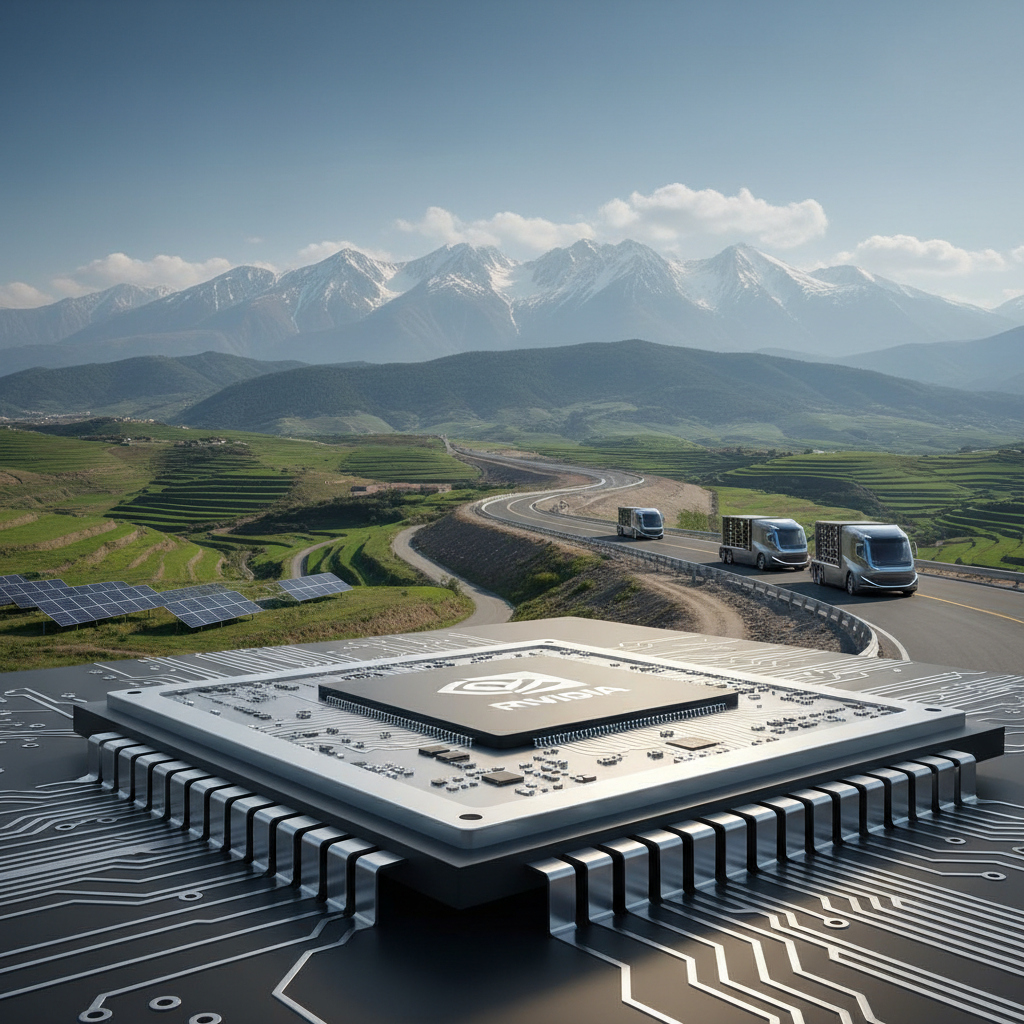
Consider NVIDIA, the undisputed king of AI silicon. Its market capitalization has soared past the trillions, fueled by the relentless demand for its H100 and upcoming B200 chips. Yet, even a behemoth like NVIDIA is not immune to the anxieties of a fragmented world. Export controls, tariffs, and the push for 'friendshoring' are forcing a reevaluation of where and how these critical components are made and distributed. This is where Morocco's unique proposition comes into sharp focus.
Morocco sits at the crossroads of Africa, Europe, and the Arab world and that's our AI superpower. We are not just a geographical bridge, but a cultural and economic one. Our long standing trade relationships with Europe, our burgeoning ties with sub Saharan Africa, and our strategic free trade agreements with the United States make us an attractive alternative in a world wary of single points of failure. The recent push by the Moroccan government, under King Mohammed VI's vision, to invest heavily in renewable energy, particularly solar, is not just about environmental stewardship, it is a calculated move to power the next generation of energy intensive industries, including chip manufacturing and data centers.
Dr. Amina El Hajjami, Director of the Moroccan Agency for Sustainable Energy (masen), recently stated, "Our commitment to green energy is not merely aspirational, it is foundational to our economic strategy. We aim to produce over 52% of our electricity from renewable sources by 2030, creating a stable, affordable, and clean energy supply that is critical for advanced manufacturing and data infrastructure." This kind of foresight is what sets Morocco apart. The Sahara is vast, but the data flowing across it is vaster, and powering that data requires immense, reliable energy.
The discussions around establishing semiconductor fabrication plants, or at least advanced packaging facilities, in North Africa have intensified. While the full scale fabrication of leading edge nodes remains a monumental undertaking, the ancillary industries, such as advanced materials processing, rare earth element refining, and even chip assembly and testing, are well within reach. Morocco has significant phosphate reserves, a key ingredient in some semiconductor processes, and its automotive industry has already demonstrated a sophisticated manufacturing capability that could be adapted.