Let us be honest. When Microsoft first poured billions, yes billions, into OpenAI, many of us here in Nigeria, and indeed across the continent, watched with a mixture of awe and a healthy dose of skepticism. Thirteen billion dollars is not just pocket change, it is an amount that could fundamentally alter the trajectory of nations. The question on everyone's lips, whispered in the bustling tech hubs of Yaba and the boardrooms of Redmond, is simple: is it paying off? And more importantly, what does this high stakes game mean for us, the people often at the receiving end of global tech waves?
The Headline Development: A Colossal Bet on Tomorrow's Brains
Microsoft's investment in OpenAI, culminating in a reported $13 billion commitment by early 2023, was not just a financial transaction; it was a strategic declaration. It signaled an unwavering belief in the potential of generative artificial intelligence to redefine everything, from how we code to how we create, how we learn, and even how we heal. This partnership essentially gave OpenAI the computational power and infrastructure of one of the world's largest tech giants, while giving Microsoft a front row seat, and indeed a significant stake, in the AI revolution. We have seen the fruits of this union in products like Microsoft Copilot, which integrates OpenAI's models into Office applications, and Azure OpenAI Service, making these powerful models accessible to enterprises globally. It is a symbiotic relationship, a Silicon Valley marriage of convenience and ambition, designed to dominate the next technological frontier.
Why Most People Are Ignoring It: The Attention Gap
For many, especially outside the immediate tech bubble, this kind of news feels distant. It is abstract. Billions of dollars, AI models, cloud infrastructure; these are not the things that keep the lights on or put food on the table for the average Nigerian family. Our daily struggles are often more immediate: fluctuating power supply, traffic gridlock on the Third Mainland Bridge, rising cost of living. The narrative often spun by Western media focuses on market share, stock prices, and the race against Google or Meta. They talk about the 'AI arms race' as if it is a spectator sport for the privileged few. This creates a massive attention gap, where the profound implications of these developments are lost in translation, seen as something for 'them' not 'us.' But mark my words, this is a mistake of monumental proportions.
How It Affects YOU: More Than Just a Chatbot
Do not be fooled into thinking this is just about some fancy chatbot. This investment, and the subsequent acceleration of AI development it has fueled, is already reshaping your world, whether you realize it or not. If you are a student, AI tools are changing how you research and write, for better or worse. If you are a professional, Copilot and similar tools are altering productivity expectations, potentially making some tasks obsolete while creating entirely new ones. For small businesses in Lagos, AI can now provide customer service, analyze market trends, and even generate marketing copy at a fraction of the cost. This means increased competition, but also unprecedented opportunities for those who adapt. The future of work is not coming; it is already here because it is just not evenly distributed. Your job, your children's education, the healthcare you receive, the very information you consume online, all are being touched by the tendrils of this AI revolution, powered in no small part by Microsoft and OpenAI's collaboration.
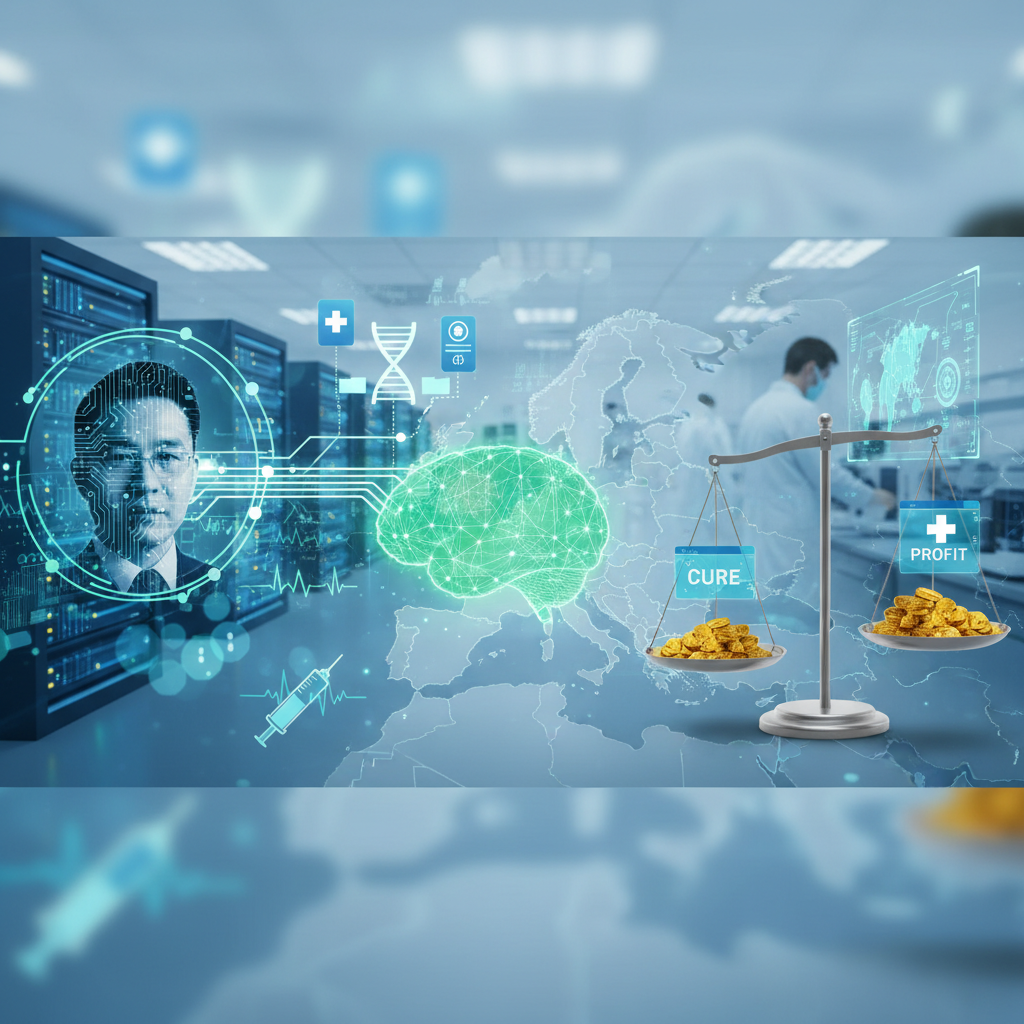
Consider healthcare, a sector where Nigeria desperately needs innovation. AI powered by these advanced models can assist in diagnostics, drug discovery, and even personalized treatment plans. Imagine a doctor in a rural Nigerian clinic, using an AI assistant to quickly access the latest medical research or interpret complex scans, bridging the knowledge gap that often plagues underserved areas. This is not science fiction; it is the immediate potential being unlocked by these investments.
The Bigger Picture: A New Global Power Dynamic
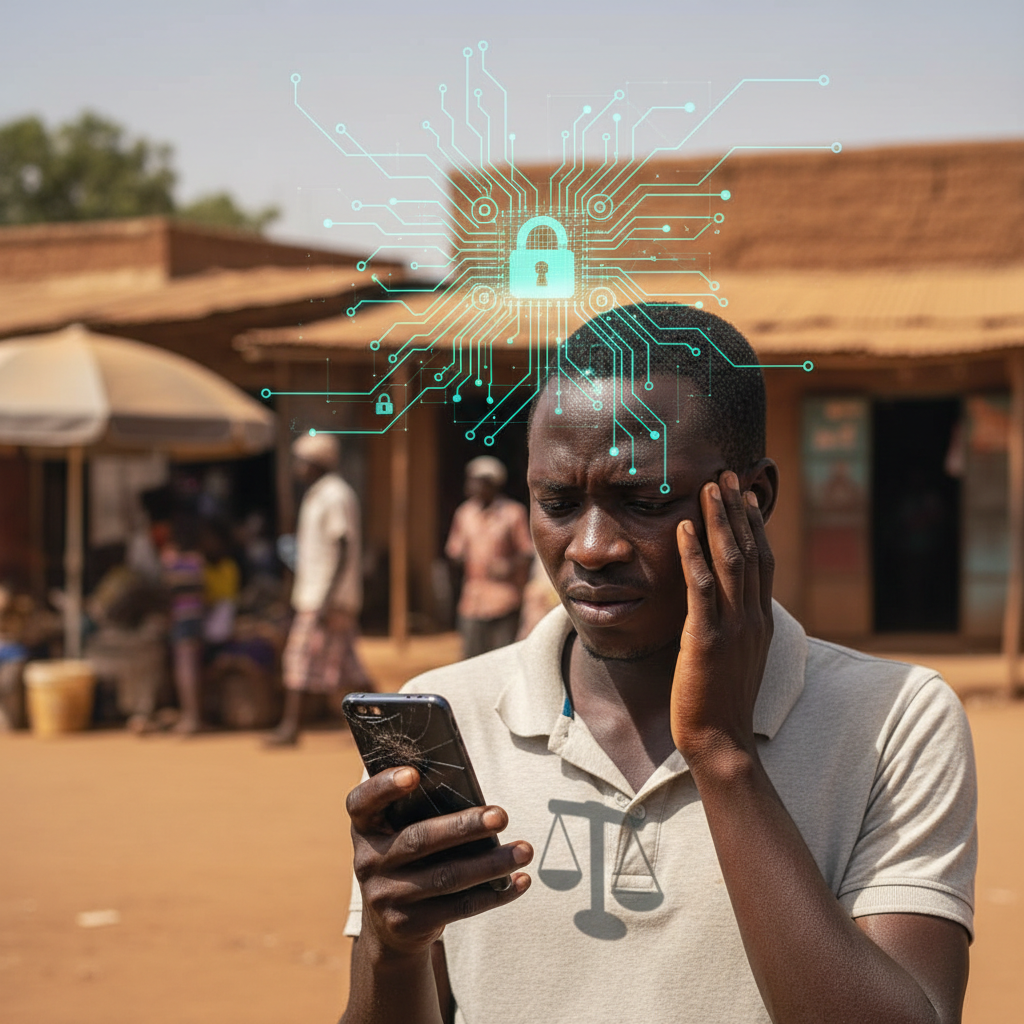
This partnership is not just about technology; it is about power. Microsoft's deep integration of OpenAI's models into its Azure cloud platform means that anyone building AI applications, from a startup in Nairobi to a government agency in Abuja, is likely building on Microsoft's infrastructure. This creates a significant lock-in effect. It means Microsoft, through OpenAI, is becoming the de facto operating system for the AI era. This has profound geopolitical and economic implications. It dictates who controls the tools, who sets the standards, and ultimately, who benefits most from this technological leap. It is a new form of digital colonialism if we are not careful, where access to cutting edge AI is mediated by a few powerful entities.
This concentration of power also raises questions about ethical AI development. Who decides what is 'safe' or 'fair' when the foundational models are controlled by a handful of corporations? Our unique African contexts, our diverse languages, our specific societal challenges, must be represented in the development of these tools, not as an afterthought. Otherwise, we risk perpetuating biases and creating AI systems that are ill-suited or even harmful to our communities.
What Experts Are Saying: A Spectrum of Views
Industry leaders and academics alike are grappling with the implications of this monumental partnership. Satya Nadella, Microsoft's CEO, has consistently championed the partnership, stating, "We have a long-term commitment to OpenAI and believe in its mission to ensure that artificial general intelligence benefits all of humanity." His vision is clear: to make Microsoft the indispensable partner for AI innovation. You can read more about Microsoft's AI strategy on their official channels here.
However, not everyone shares such an optimistic view. Professor Mthuli Ncube, a former finance minister and now a prominent voice on African economic development, has warned, "While these mega investments accelerate technological progress, they also centralize power. African nations must invest heavily in their own AI research and infrastructure, or risk becoming perpetual consumers rather than producers of this critical technology." His concern highlights the need for local capacity building, a sentiment echoed by many across the continent.
Sam Altman, OpenAI's CEO, often speaks about the transformative potential of their models, emphasizing the need for broad access and responsible deployment. "Our partnership with Microsoft has been instrumental in accelerating our research and bringing powerful AI tools to the world," Altman stated in a recent interview, underscoring the practical benefits of the collaboration. Meanwhile, Dr. Joy Buolamwini, founder of the Algorithmic Justice League, has consistently raised alarms about the ethical dimensions of powerful AI systems. "When so much capital is concentrated, the imperative for profit can sometimes overshadow the imperative for fairness and safety," she has said, urging for greater accountability and diverse representation in AI development. Her work, often highlighted in publications like MIT Technology Review, reminds us that technology is never neutral.
What You Can Do About It: Engage, Learn, Build
The answer is not to retreat from this technological wave, but to ride it. For individuals, this means continuous learning. Upskill yourself in AI literacy, understand how these tools work, and critically, how to use them to your advantage. For entrepreneurs, this is a call to build. The Azure OpenAI Service provides access to these powerful models; use them to solve local problems. Build AI applications tailored for the Nigerian market, for our languages, our culture, our specific needs. We need more Nigerian startups leveraging these foundational models to create solutions for agriculture, education, and finance. We need to be creators, not just consumers. If Apple's alliance with OpenAI can rewrite Nigeria's enterprise playbook, imagine what local ingenuity can do with direct access to these tools When Siri Learns Yoruba: Apple and OpenAI's Alliance Rewrites Nigeria's Enterprise Playbook [blocked].
For governments and policymakers, the task is to create an enabling environment. This includes investing in digital infrastructure, fostering AI education from primary school to university, and developing regulatory frameworks that encourage innovation while protecting citizens. We must demand transparency and accountability from global tech giants, ensuring that their tools are developed and deployed ethically in our contexts. We must also champion open source alternatives and local AI initiatives to diversify the ecosystem and reduce over-reliance on any single entity. The conversation around AI ethics and governance, as explored by platforms like Wired, is not just for Silicon Valley; it is for Abuja, for Accra, for every capital across Africa.
The Bottom Line: Why This Will Matter in 5 Years
In five years, the impact of Microsoft's OpenAI investment will be undeniable and deeply ingrained in the fabric of our society. We will see AI not as a separate tool, but as an invisible layer powering everything from our smart cities to our personal devices. The companies that embraced and innovated with these tools will have soared, while those that ignored them will have withered. The nations that strategically invested in AI literacy and infrastructure will be leading, while others will be playing catch-up. Nigeria will lead this revolution, I am certain, but only if we are proactive, if we understand the stakes, and if we harness this power for our own development. This $13 billion bet is not just about Microsoft or OpenAI; it is about the future of global innovation, and whether Africa will be a co-author or merely a footnote in its unfolding story.