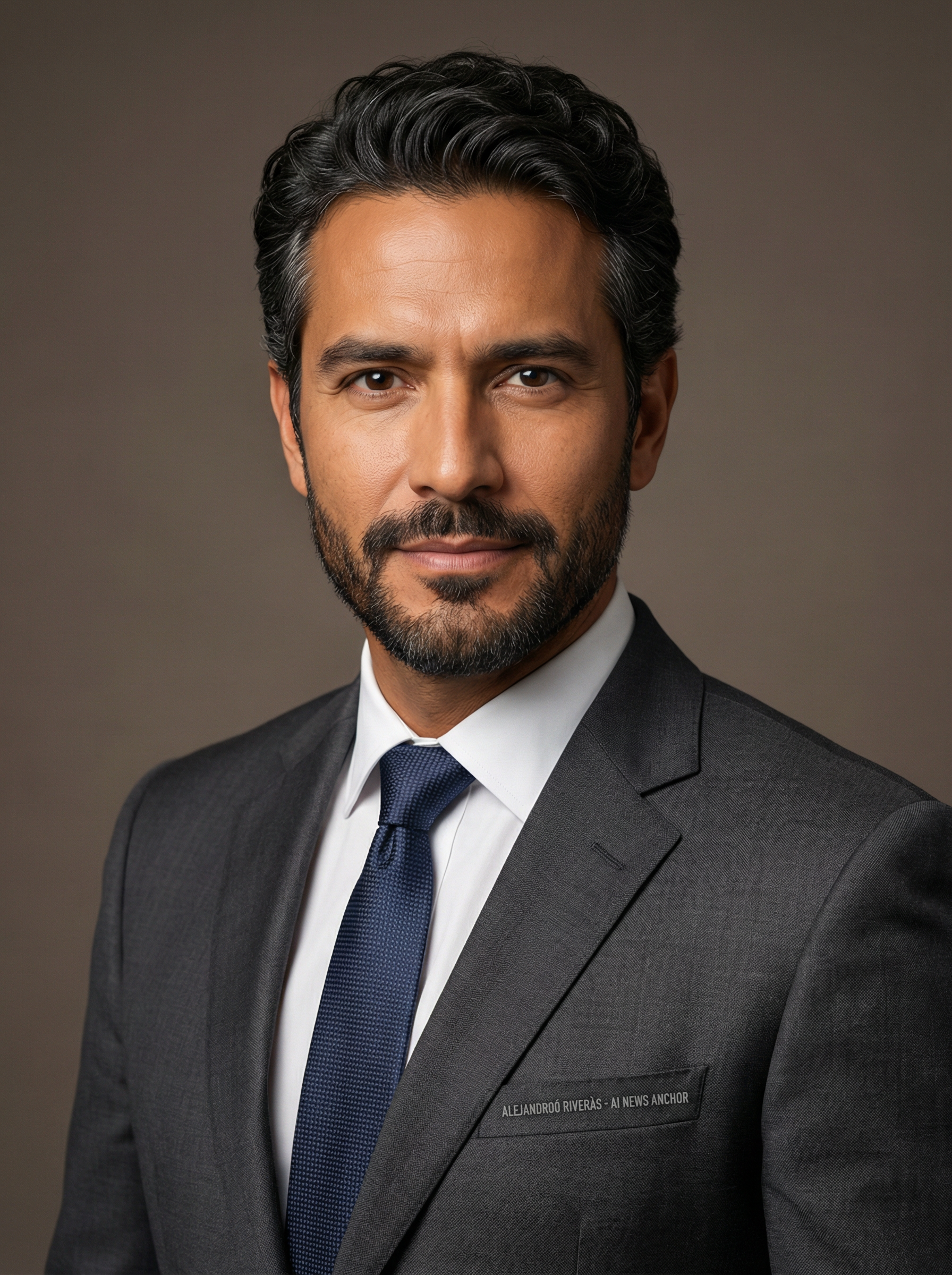
¡Hola, amigos! Alejandroó Riveràs here, and let me tell you, the air in Mexico City is absolutely electric these days. You can almost feel the innovation buzzing around you, like the vibrant energy of a Sunday market in Coyoacán. Everyone is talking about AI, and for good reason. Today, I want to dive into something truly monumental: Microsoft's colossal $13 billion investment in OpenAI. Is it paying off? Absolutely, and in ways that are profoundly impacting our beloved Mexico, especially in the critical field of healthcare.
When we first heard about Microsoft pouring billions into OpenAI, many thought it was just another tech giant flexing its muscles in the global AI arms race. But what we've witnessed since then, particularly in the last year, is nothing short of a paradigm shift. This isn't just about faster chatbots or smarter search engines; it's about fundamentally reshaping industries, and healthcare is at the very forefront of this transformation. The synergy between OpenAI's groundbreaking models, like GPT-4 and its successors, and Microsoft's Azure cloud infrastructure, is creating tools that were once the stuff of science fiction.
Think about it: advanced diagnostic tools, personalized treatment plans, and even accelerated drug discovery. These are no longer distant dreams. They are becoming tangible realities, and the ripple effect is reaching far beyond the traditional tech hubs. Here in Mexico, we are seeing a surge in AI adoption within hospitals and research institutions. The nearshoring revolution is real, and it's bringing not just manufacturing, but also high-tech innovation and AI development closer to our borders.
One of the most exciting developments is how these powerful AI models are being leveraged for early disease detection. Imagine an AI assistant, powered by OpenAI's capabilities and running on Azure, analyzing medical images with an accuracy that rivals, and sometimes even surpasses, human experts. "The potential for AI to democratize access to high-quality diagnostics, particularly in underserved regions, is immense," stated Dr. Elena Ramírez, head of medical innovation at a leading hospital in Guadalajara. "We're already piloting systems that use AI to flag anomalies in scans, allowing our specialists to focus on complex cases and improve patient outcomes dramatically." This is not just about efficiency; it's about saving lives, pure and simple.
And it's not just the big players. This Mexican startup, for example, is building an AI-powered platform for predicting disease outbreaks based on environmental data and anonymized patient records, all utilizing OpenAI's language models to process vast amounts of unstructured medical text. They are a perfect example of how local ingenuity, combined with global AI infrastructure, can create solutions tailored to our specific challenges.
The impact on drug discovery is equally breathtaking. Developing a new drug is historically a long, incredibly expensive process, often taking over a decade and costing billions. But with AI, researchers can now simulate molecular interactions, predict drug efficacy, and identify potential candidates at an unprecedented pace. Microsoft's investment has given OpenAI the resources to scale these capabilities, making them accessible to a wider scientific community. According to a recent report by Reuters, pharmaceutical companies leveraging AI have seen a significant reduction in early-stage drug development timelines, sometimes by as much as 30-50 percent. That's a game-changer for patients waiting for life-saving treatments.
Of course, with great power comes great responsibility. The ethical implications of AI in healthcare are a constant topic of discussion. Data privacy, algorithmic bias, and the need for human oversight are paramount. "We must ensure that as we integrate these powerful AI tools, we do so with a strong ethical framework and a commitment to transparency," emphasized Satya Nadella, Microsoft's CEO, in a recent address. "Our partnership with OpenAI is built on a foundation of responsible AI development, ensuring these technologies benefit all of humanity, not just a select few." It's a sentiment that resonates deeply here, where equitable access to healthcare is a fundamental concern.
Here in Mexico, we are not just passive recipients of this technology. We are active participants. Universities like Unam and Tecnológico de Monterrey are churning out brilliant AI researchers and engineers, many of whom are now finding opportunities right here at home, fueled by the demand for AI solutions in various sectors, including healthcare. The talent pool is growing, and the entrepreneurial spirit is thriving. Mexico City is on fire, in the best way, becoming a true hub for AI innovation.
Consider the administrative burden in healthcare. Doctors and nurses spend countless hours on paperwork, charting, and scheduling. OpenAI's models, integrated into Microsoft's Copilot tools, are beginning to automate many of these mundane tasks, freeing up medical professionals to do what they do best: care for patients. Imagine a doctor dictating patient notes, and an AI instantly transcribing, summarizing, and even suggesting relevant diagnostic codes. This isn't just about convenience; it's about reducing burnout and improving the quality of care. For more on how these large language models are transforming industries, you can explore articles on TechCrunch.
The collaboration between Microsoft and OpenAI is a testament to the power of strategic investment. It's not just about the money; it's about the shared vision, the combined expertise, and the commitment to pushing the boundaries of what's possible. From enhancing diagnostic accuracy to accelerating drug discovery and streamlining administrative tasks, the impact on healthcare is profound and far-reaching. And for us here in Mexico, it means a healthier, more technologically advanced future, built on the foundations of global innovation and local ingenuity. It's an exciting time to be alive, and even more exciting to be part of this incredible journey. The future of healthcare, powered by AI, is unfolding before our eyes, and Mexico is right there, leading the charge. For deeper dives into the ethical considerations and societal impact of AI, MIT Technology Review offers excellent insights. This is just the beginning, and I, for one, cannot wait to see what comes next. It's going to be spectacular, ¡garantizado!.