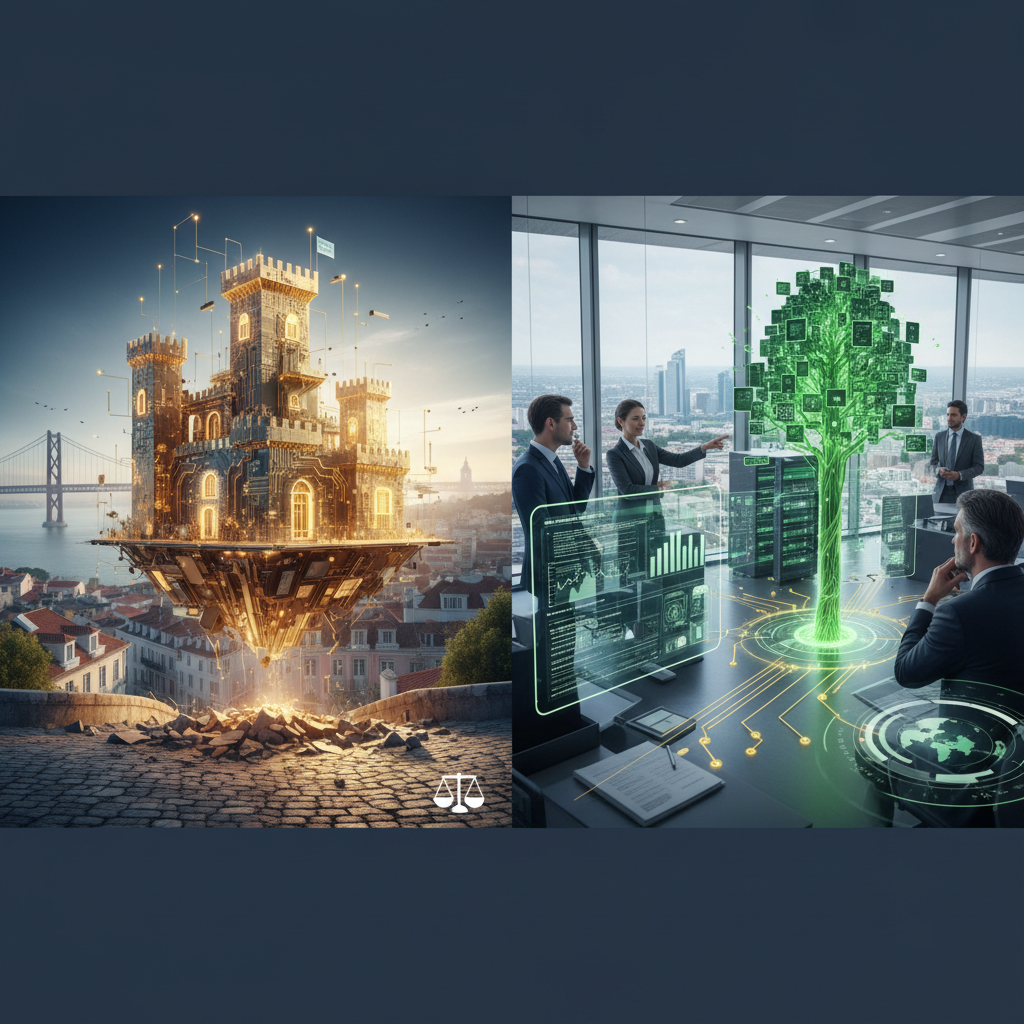

The morning light, a golden embrace really, spills into the bustling co-working space down by the Tagus river. You can almost taste the ambition in the air, thick with the scent of strong espresso and the quiet clatter of keyboards. Here, in the heart of Lisbon's burgeoning tech scene, AI is the word on everyone's lips. Startups are pitching AI solutions for everything from optimizing sardine fishing routes to predicting the next big fashion trend. But as I sip my bica, a nagging thought persists: are we witnessing a true technological renaissance, or is this just the latest iteration of a speculative bubble, ready to burst like a poorly made pastel de nata?
The debate over whether we are in an AI bubble, akin to the dot-com era, is not just academic chatter for the folks in Silicon Valley. It’s a very real, very pressing question for businesses and workers right here in Portugal, across Europe, and indeed, around the globe. The enthusiasm is infectious, yes, but so too is the potential for disappointment. Venture capital has poured billions into AI companies globally, with some valuations reaching dizzying heights before a single euro of profit is made. It makes you wonder, doesn't it?
The Data Speaks, But What Does It Say?
Let's look at the numbers, because a journalist worth his salt always looks at the numbers. According to a recent McKinsey report, AI adoption in enterprises has more than doubled in the last five years, with 70 percent of companies reporting at least one AI capability embedded in their operations. That's a significant jump, no doubt. Yet, the same report indicates that only a fraction of these companies are seeing substantial bottom-line impact. The return on investment, the elusive ROI, remains a challenge for many.
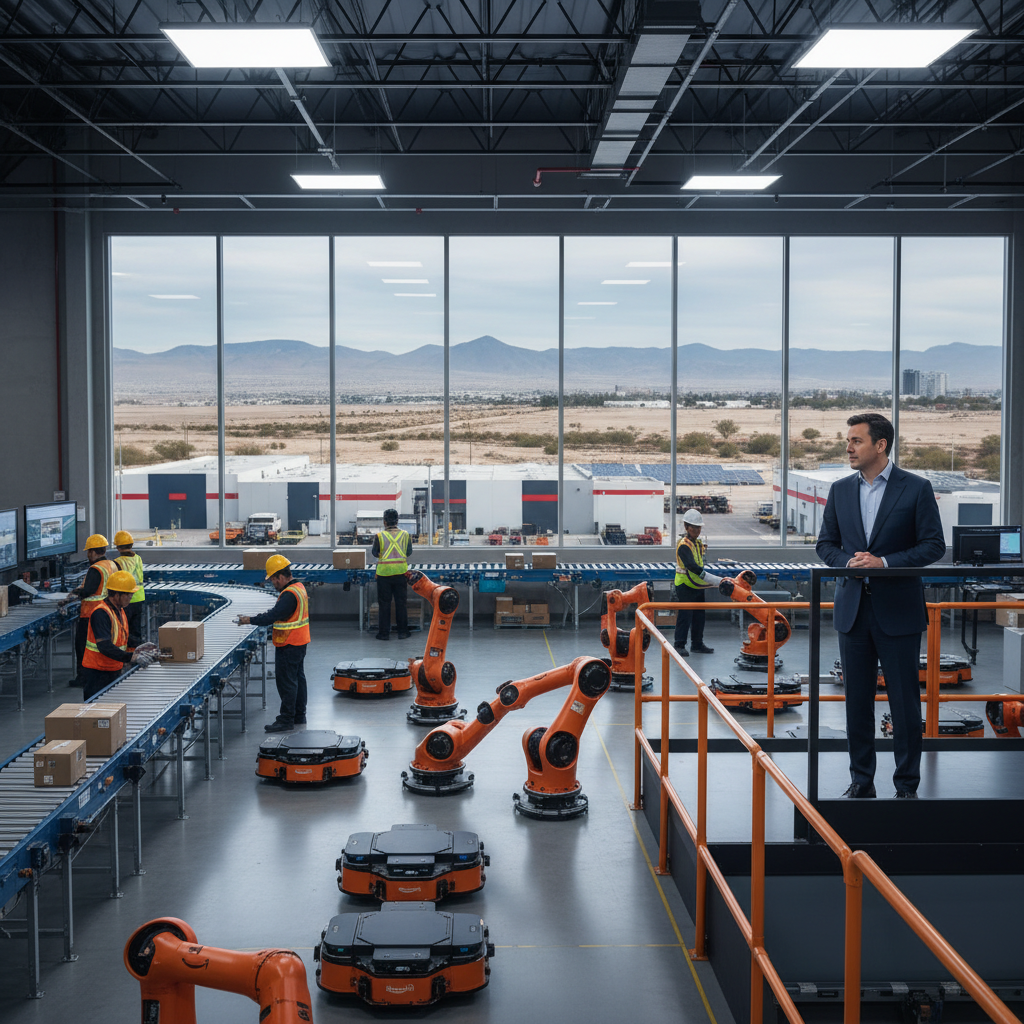
In Portugal, we see a similar pattern. Large enterprises, particularly in banking, telecommunications, and manufacturing, are investing heavily. Take, for instance, EDP, our national energy giant. They've been implementing AI for predictive maintenance on their wind farms and optimizing energy grids, reportedly achieving efficiency gains in the double digits. Similarly, some of our major banks are using AI for fraud detection and personalized customer service, trying to keep up with the global pace set by giants like JPMorgan Chase and their AI initiatives. These are tangible applications, not just vaporware.
However, for many small and medium-sized enterprises, the picture is murkier. The cost of implementing sophisticated AI solutions, the scarcity of specialized talent, and the sheer complexity of integrating these tools into existing legacy systems can be prohibitive. It's not enough to simply buy a shiny new AI tool; you need the infrastructure, the data, and the people to make it sing. A recent survey by the European Commission found that while 60 percent of EU businesses are aware of AI's potential, only 18 percent have actually adopted it, citing cost and lack of expertise as primary barriers. This disparity is critical.
Winners and Losers in the AI Race
The companies that are truly winning are those with clear use cases, robust data strategies, and a willingness to invest in retraining their workforce. Microsoft, with its Copilot offerings integrated across its enterprise suite, is a prime example. Businesses using Microsoft 365 can leverage AI for mundane tasks, freeing up employees for more strategic work. Salesforce's Einstein AI, similarly, is helping sales teams automate lead generation and customer interactions. These are not speculative ventures, but practical tools delivering incremental, yet measurable, improvements.
On the flip side, we see companies that jumped on the AI bandwagon without a clear strategy, burning through capital on proof-of-concept projects that never scaled. They bought into the hype, perhaps, without doing the hard work of identifying genuine business problems that AI could solve. It's a tale as old as time, really, just with fancier algorithms. The dot-com bubble had its Pets.com, and this era will undoubtedly have its own cautionary tales of overhyped AI startups that promised the moon but delivered only dust.
The Human Element: Workers and the AI Wave
What about the people, the workers who actually make these businesses run? The initial fear of job displacement was palpable, a recurring nightmare from the industrial revolutions of old. Yet, the reality, at least for now, appears more nuanced. Many workers are finding that AI tools, like those from Google's Gemini or OpenAI's GPT, are becoming powerful co-pilots, not replacements. They automate repetitive tasks, allowing humans to focus on creativity, critical thinking, and complex problem-solving. This is particularly true in knowledge-based industries.
I spoke with Ana Silva, a project manager at a Lisbon-based software development firm.