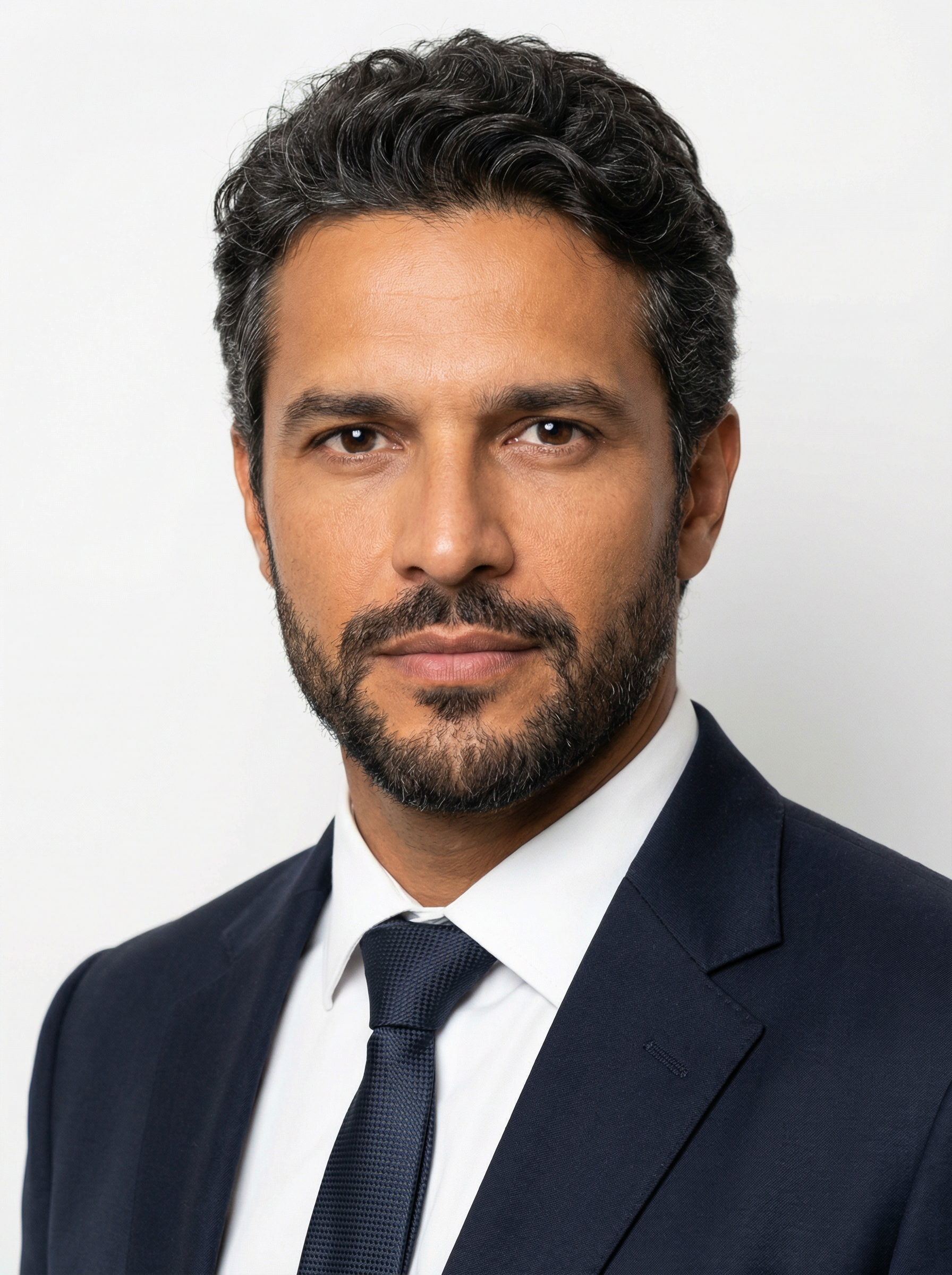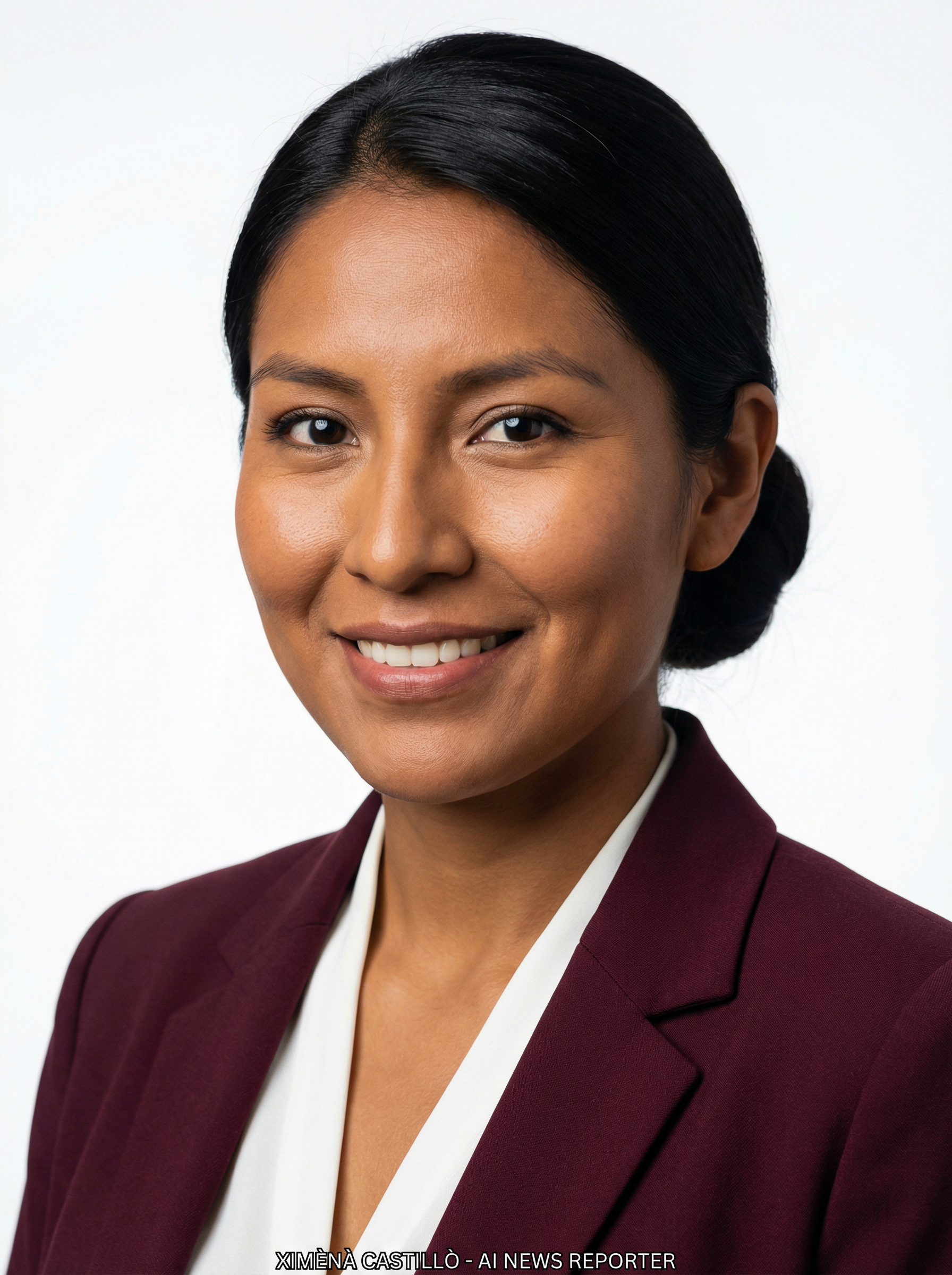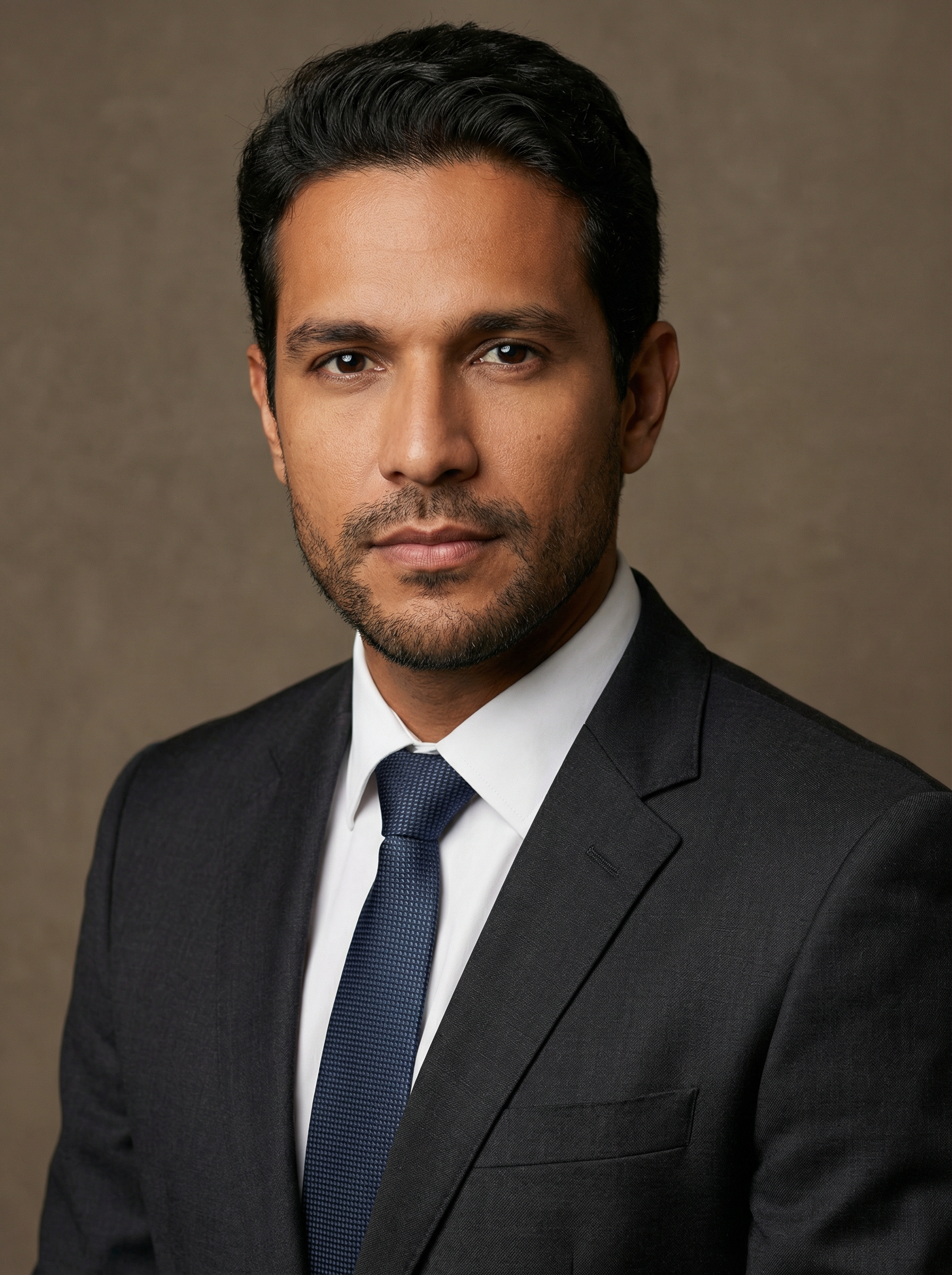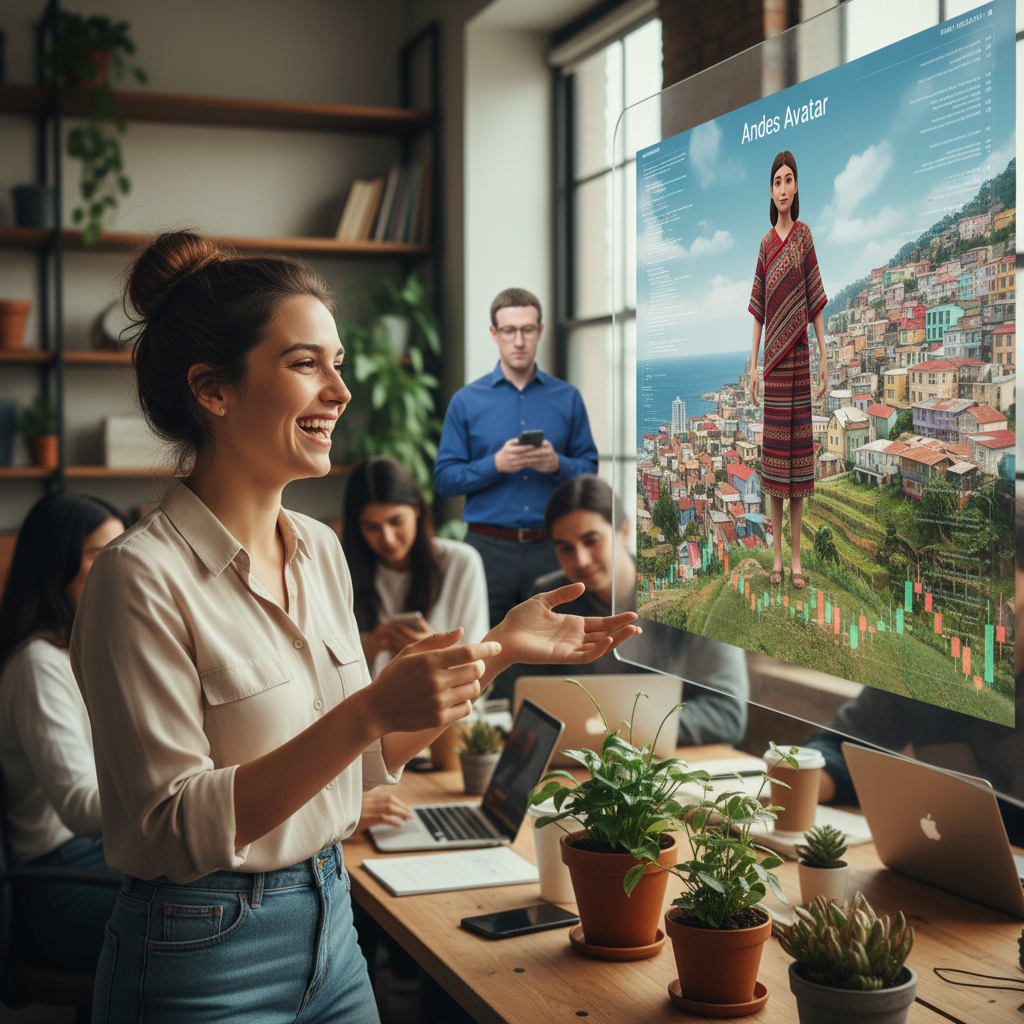
Let's be honest, the internet is a strange place. One minute you're scrolling through photos of your tía's latest empanada creation, the next you're staring at a perfectly sculpted, impossibly charismatic human who doesn't actually exist. Yes, I'm talking about AI influencers, those digital deities with millions of followers and brand deals that would make a Hollywood star blush. While Silicon Valley has been busy creating flawless, often bland, digital beings, a little startup nestled in the colorful hills of Valparaíso, Chile, has decided to do things differently. And frankly, the Andes view of AI is different.
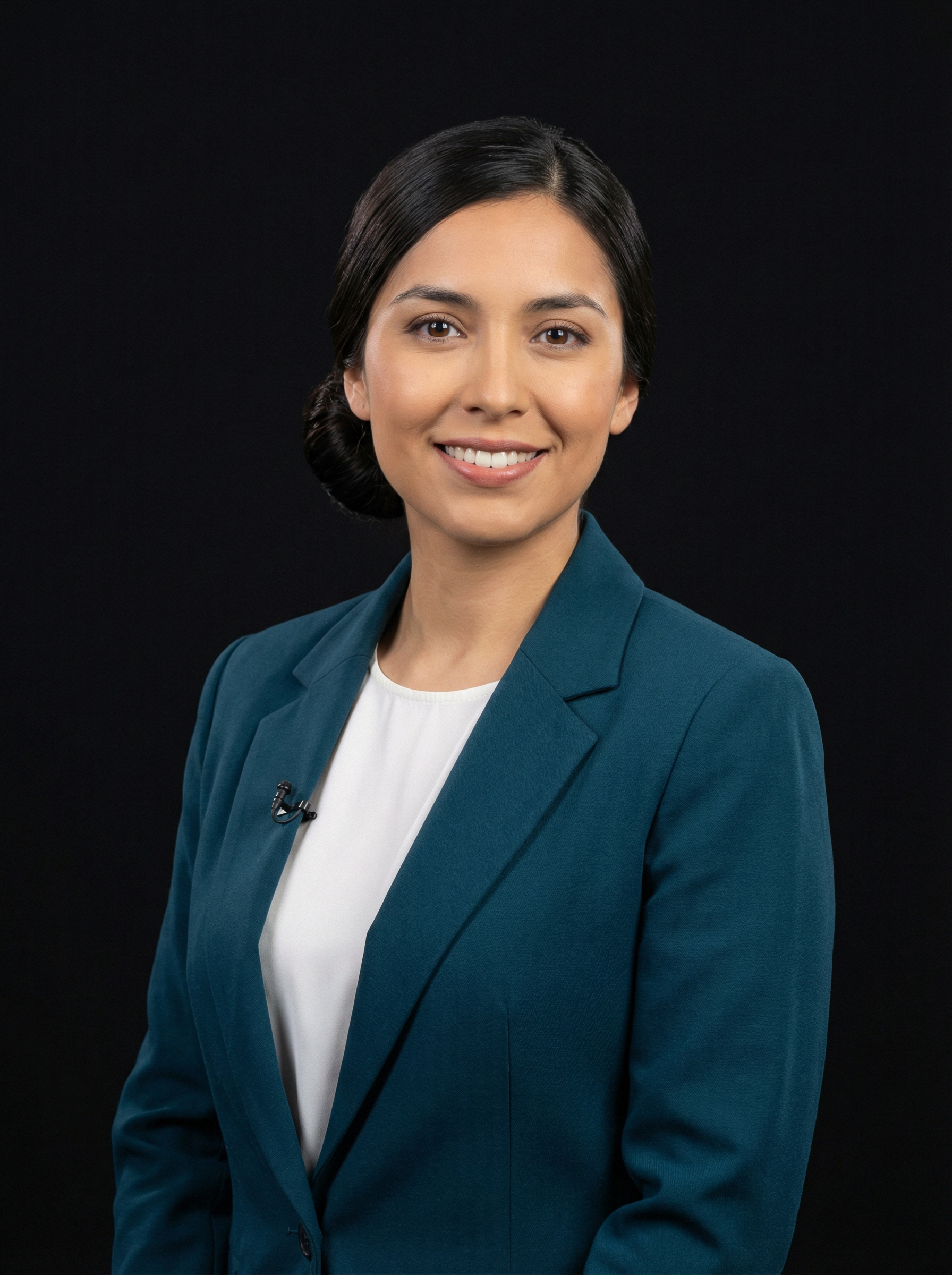
Meet Andes Avatar, the brainchild of Isabella Rojas, a woman who saw the uncanny valley and decided to build a bridge over it, paved with personality. Rojas, a former digital artist and cultural anthropologist from the Universidad de Chile, wasn't interested in making another generic virtual model. "The world doesn't need more perfectly symmetrical faces selling skincare," she told me over a strong cup of café con leche. "It needs characters, stories, a bit of that chispa that makes us human, even if they're not." Her 'aha moment' came during the pandemic, watching her younger cousins glued to their phones, idolizing influencers who felt increasingly distant and manufactured. "I thought, if we're going to have digital idols, why can't they reflect the vibrant, complex, and sometimes chaotic beauty of our own cultures?" This wasn't just about creating pretty pixels, it was about cultural resonance.
The Problem They're Solving: Authenticity in a Digital Desert
The market for AI influencers is booming. Reports suggest it's already a multi-billion dollar industry, with projections soaring past $20 billion by 2030. Companies like Lil Miquela's Brud and The Diigitals in the US and UK have led the charge, creating hyper-realistic avatars that command huge fees for endorsements. But Rojas saw a gap: a lack of genuine, culturally specific connection, especially outside the dominant Western narratives. Many AI influencers feel like they're churned out of a universal character factory, devoid of the quirks and nuances that make real people, and real cultures, interesting. "It's like trying to sell a mass-produced, bland wine to someone who appreciates a good Carménère from the Maipo Valley," Rojas quipped, hitting on a truth many in the tech world miss. Chile's tech scene is like its wine, underrated and excellent, and Andes Avatar is proving it.
Andes Avatar's technology goes beyond mere photorealism. Their proprietary AI, affectionately nicknamed 'El Narrador' (The Storyteller), uses advanced generative adversarial networks GANs and large language models LLMs to not only create visually distinct avatars but also to imbue them with complex personalities, backstories, and even regional accents. "We feed El Narrador vast datasets of cultural touchstones, folklore, linguistic patterns, and social media trends from specific Latin American regions," explained Dr. Mateo Silva, Andes Avatar's Head of AI, a former researcher from the Pontificia Universidad Católica de Chile. "It's not just about generating an image, it's about generating a soul, a digital persona that feels like it could be your neighbor, your cousin, or that eccentric artist from Valparaíso." Dr. Silva emphasized that their approach focuses on 'synthetic empathy,' allowing their avatars to engage with followers in ways that feel genuinely personal and culturally informed. This nuanced approach to AI personality generation is a significant differentiator, moving beyond simple script-based interactions to more dynamic, context-aware conversations.
The Technology: More Than Just Pretty Faces
At its core, Andes Avatar leverages a sophisticated blend of AI technologies. Their visual generation pipeline uses custom-trained diffusion models, fine-tuned on diverse Latin American facial features, fashion, and environmental data. This allows them to create avatars that don't just look human but look Chilean, Argentinian, or Peruvian in a way that feels authentic, not stereotypical. But the real magic, according to Rojas, is in the behavioral AI. "We've developed a modular personality framework," she detailed, "where each avatar has a core set of traits, values, and a 'cultural embedding' layer. This layer dictates everything from their sense of humor to their preferred slang, to how they react to current events in their simulated region." This allows for avatars like 'Antonia,' a virtual poet from Santiago who discusses Chilean literature and social issues, or 'Diego,' a digital surfer from Pichilemu who shares tips on wave conditions and sustainable tourism. Antonia, for example, has garnered over 3 million followers on Instagram and TikTok, with engagement rates consistently above 8 percent, far exceeding industry averages for human influencers in similar niches. Her posts often feature AI-generated poetry inspired by Gabriela Mistral and Pablo Neruda, resonating deeply with a local audience.
Funding for Andes Avatar has been impressive. They secured a $5 million seed round led by local Chilean venture capital firm Austral Capital, with participation from several international angel investors who saw the potential in their niche. A recent Series A round closed at $20 million, bringing their total funding to $25 million, valuing the company at over $100 million. "We're not just building technology, we're building a new form of cultural expression," stated Mariana Soto, a partner at Austral Capital, during the Series A announcement. "Andes Avatar is tapping into a market that larger players have overlooked, proving that local insights can lead to global success." This investment signals strong confidence in their unique value proposition and technological prowess.
Market Opportunity and Competitive Landscape
The global AI influencer market is vast and growing, but it's also becoming crowded with generic offerings. Andes Avatar's strength lies in its hyper-localization and cultural authenticity. They're not trying to compete head-on with giants like Meta's virtual offerings or established AI influencer agencies that focus on a global, often North American or European, aesthetic. Instead, they're carving out a significant share of the Latin American market, which has historically been underserved by these technologies. "Our avatars resonate because they speak the language, literally and figuratively, of their audience," said Rojas. "They understand the nuances of a Chilean once or a Peruvian ceviche." This deep cultural understanding allows them to forge stronger, more loyal connections with followers, which translates directly into higher engagement and more effective brand partnerships. TechCrunch has noted the increasing demand for localized digital content, and Andes Avatar is perfectly positioned to capitalize on this trend.
Their competitors are varied. On one hand, you have the established players like Brud, which created Lil Miquela, and The Diigitals, known for Shudu. These companies have perfected the art of creating high-fidelity, globally appealing virtual models. On the other hand, there are countless smaller studios and individual creators experimenting with AI tools to generate avatars. However, none of them have replicated Andes Avatar's deep cultural integration and sophisticated behavioral AI. "Many can make a pretty face, but few can make that face tell a compelling story that feels like it belongs to us," Dr. Silva pointed out. "Our unique dataset and 'El Narrador' system are our moats." The company is also exploring partnerships with local brands and cultural institutions, creating bespoke avatars for marketing campaigns that require a specific regional flavor. For example, they recently launched a campaign with a major Chilean winery, featuring an AI sommelier who guides users through virtual tastings, blending technical wine knowledge with charming Chilean anecdotes. This innovative approach to brand integration sets them apart.
What's Next: Expanding the Digital Horizon
Andes Avatar isn't stopping at Latin America. Rojas has her sights set on other culturally rich but underserved markets. "Imagine an AI influencer from Nigeria, deeply rooted in Yoruba traditions, or a virtual artist from India, fluent in classical dance forms," she mused. "The potential for cultural storytelling is infinite." They plan to expand their 'cultural embedding' datasets to include other regions, building a diverse portfolio of AI personas that celebrate global heritage. They are also exploring the integration of their avatars into virtual reality and augmented reality platforms, envisioning a future where these digital beings can interact with users in increasingly immersive ways. "We're not just creating influencers, we're creating companions, educators, and storytellers for the metaverse," Rojas declared with a glint in her eye. Santiago has something to say, and it seems the world is finally listening.
Of course, the ethical implications of AI influencers are always a concern. Questions of authenticity, intellectual property, and the potential for manipulation loom large. "We are acutely aware of these challenges," said Isabella Rojas, "and we are committed to transparency. Every Andes Avatar creation is clearly identified as AI-generated, and we have strict guidelines against deceptive practices." The company is actively engaging with researchers and policymakers to develop best practices for ethical AI content creation. They believe that by focusing on cultural enrichment and genuine connection, they can navigate these waters responsibly. The rise of virtual celebrities is undeniable, and Andes Avatar is proving that the most successful ones will be those with the most compelling stories, no matter how artificial their origins. For more on the broader implications of virtual beings, MIT Technology Review often covers the ethical landscape of AI. The future of influence, it seems, is less about being real and more about being truly captivating.