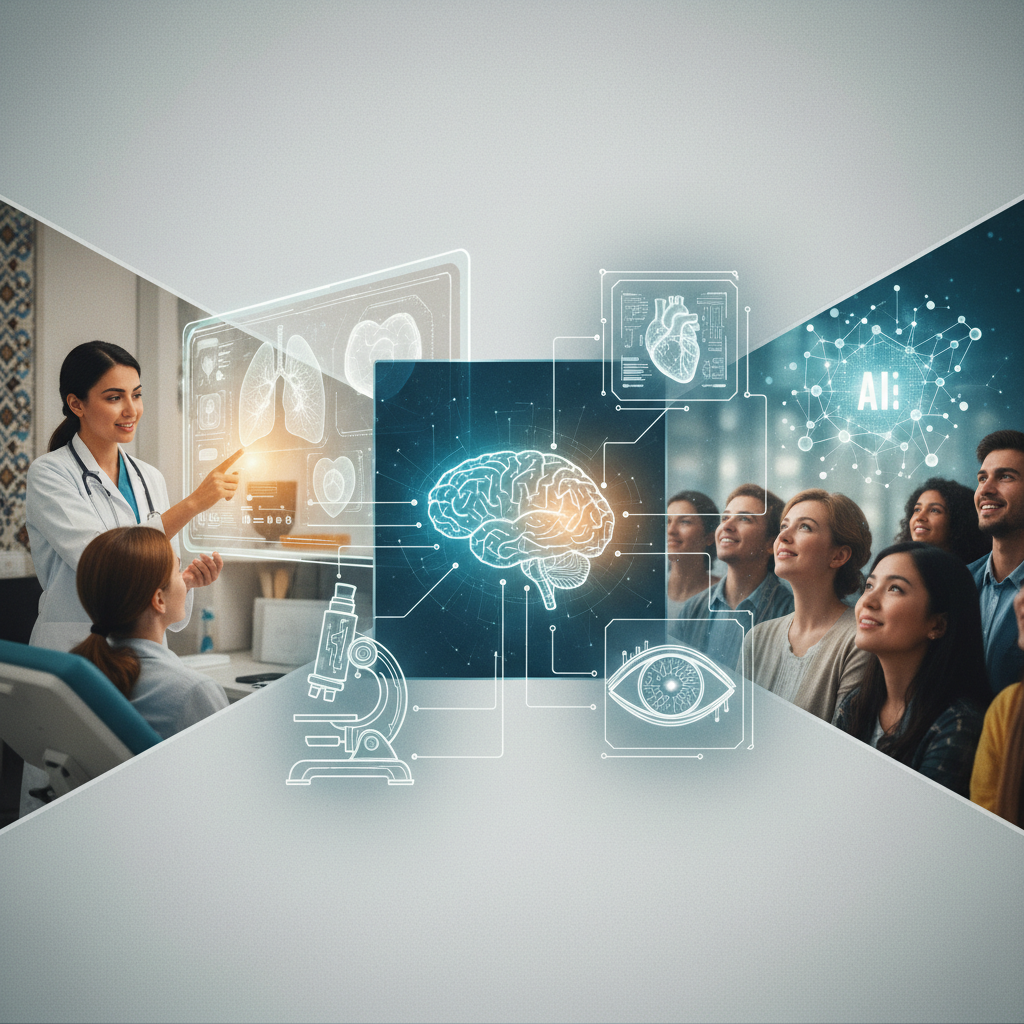
The scent of freshly brewed chai and the murmur of morning greetings still fill the air in Tashkent’s bustling markets, but in the quiet corridors of our city’s medical centers, a different kind of revolution is unfolding. It is a revolution not of political shifts or economic reforms, but of sight, of understanding, and of hope. Artificial intelligence, once a concept whispered about in distant Silicon Valley labs, is now making its way into the very heart of healthcare, offering a new pair of eyes to doctors grappling with some of humanity’s most formidable foes: cancer and heart disease.
For many years, the idea of a machine diagnosing complex medical conditions felt like science fiction. Now, with a growing list of FDA-approved AI tools, this future is very much present. These aren’t just experimental algorithms; these are validated, regulated systems designed to assist clinicians in detecting subtle anomalies that even the most experienced human eye might overlook. This is particularly poignant for us in Uzbekistan and across Central Asia, where advanced diagnostic capabilities are not always as readily available as in wealthier nations.
I recently spoke with Dr. Alisher Saidov, a cardiologist at the Republican Specialized Scientific Practical Medical Center of Cardiology in Tashkent. He has been closely following these global developments. “Imagine a tool that can analyze an echocardiogram or an MRI scan with a precision that rivals, or even surpasses, a human expert, and do it in minutes, not hours,” Dr. Saidov told me, his eyes alight with a blend of skepticism and excitement. “For patients in remote areas, for doctors facing overwhelming caseloads, this is not just an improvement; it is a lifeline. We are talking about reducing diagnostic delays, which for heart disease or cancer, can mean the difference between life and death.”
Indeed, the statistics are stark. According to the World Health Organization, cardiovascular diseases remain the leading cause of death globally, claiming an estimated 17.9 million lives each year. Cancer is not far behind, responsible for nearly 10 million deaths annually. Early and accurate diagnosis is paramount for improving patient outcomes in both cases. This is where AI steps in, not to replace doctors, but to augment their capabilities, acting as a tireless, ultra-observant assistant.
One of the most significant breakthroughs has been in radiology. Companies like Google Health and NVIDIA have been at the forefront, developing AI models that can analyze medical images for signs of disease. For instance, AI algorithms are now approved to detect early signs of diabetic retinopathy from retinal scans, identify pulmonary nodules in CT scans that could indicate lung cancer, and even flag potential breast cancer in mammograms with remarkable accuracy. These systems are trained on vast datasets of anonymized images, learning to recognize patterns that correlate with disease progression.
Take, for example, the work being done by companies like Viz.ai, which has developed FDA-cleared AI software for stroke detection. Their system analyzes CT scans and alerts specialists to suspected large vessel occlusions in minutes, drastically cutting down the time to treatment. In a field where every second counts, this can preserve brain function and save lives. Similarly, Paige.AI has received FDA approval for its AI-powered pathology software, which assists pathologists in detecting prostate cancer in biopsies. This is not just about speed; it is about reducing diagnostic errors and improving consistency across different labs and pathologists.
“The integration of AI into our diagnostic workflow is no longer a hypothetical scenario, it is a strategic imperative,” stated Dr. Elena Petrova, a leading radiologist and researcher from the European Society of Radiology, during a recent online conference I attended. “We are seeing a paradigm shift where AI is moving from being a research curiosity to a vital clinical tool. The FDA’s rigorous approval process ensures these tools are safe and effective, building trust among both clinicians and patients.” Her words resonate deeply, particularly when considering the cautious approach often taken in adopting new technologies in healthcare.
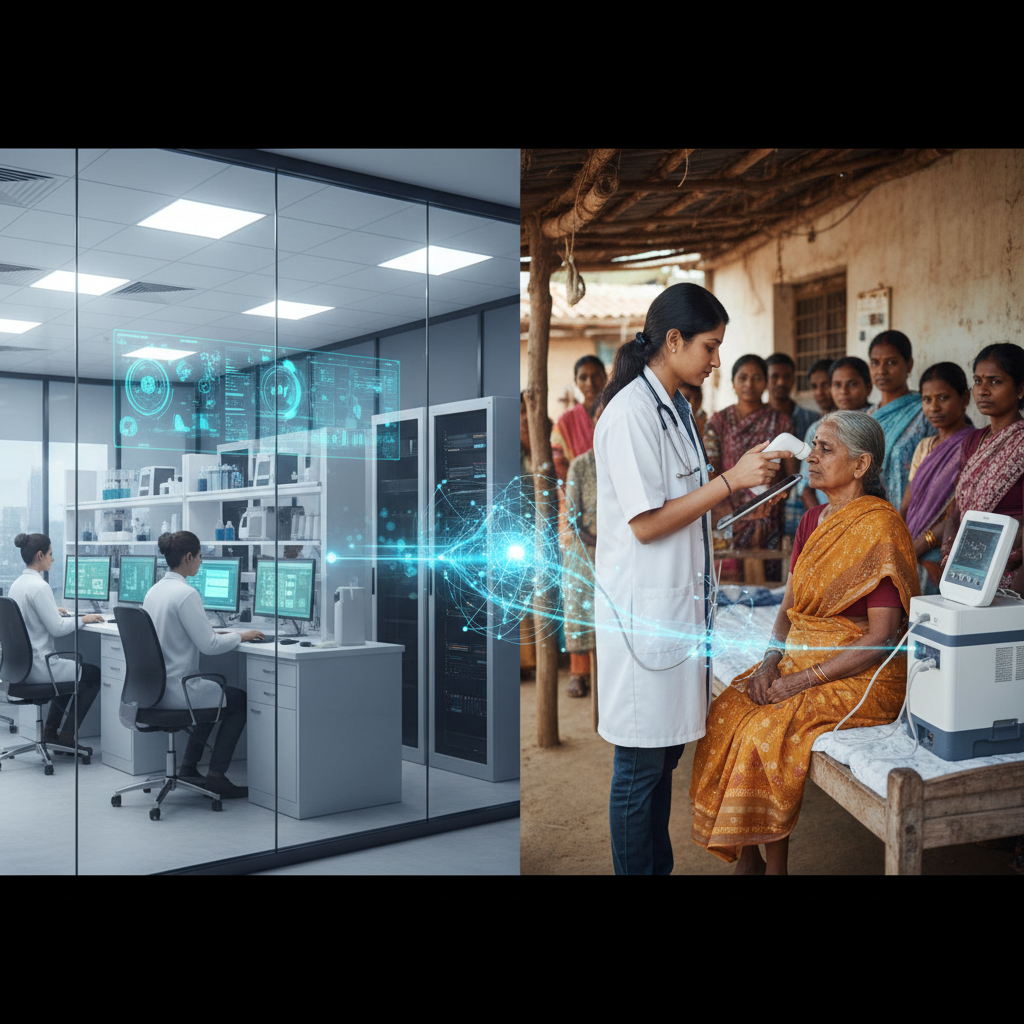
What does this mean for Uzbekistan and our neighbors? The potential is immense. In a small office in Tashkent, I met with Dilshodbek Karimov, a young entrepreneur who is passionate about bringing these technologies to our region. He showed me something remarkable: a demonstration of an AI tool, still in its pilot phase, that could analyze basic ultrasound images of the heart, flagging potential abnormalities for further review by a human cardiologist. “Our goal is not to replace the doctor, but to empower them, especially in rural clinics where specialists might be hundreds of kilometers away,” Dilshodbek explained. “Imagine a general practitioner, perhaps in a remote village near Samarkand, having access to an AI assistant that can help them identify a critical cardiac issue that might otherwise go unnoticed until it is too late.”
The challenges, of course, are significant. Infrastructure, particularly reliable internet connectivity and access to advanced computing power, remains a hurdle. Data privacy and security are paramount, especially when dealing with sensitive patient information. Furthermore, the cost of implementing and maintaining these sophisticated AI systems can be substantial. Yet, the long-term benefits, both in terms of human lives saved and reduced healthcare costs due to earlier intervention, are compelling arguments for investment.
Uzbekistan’s Ministry of Health has been actively exploring digital transformation initiatives, recognizing the transformative power of technology. While the immediate focus might be on digitizing patient records and improving telemedicine, the long-term vision includes integrating advanced AI diagnostics. This is where international partnerships and knowledge sharing become crucial. Collaborations with global leaders in AI healthcare can accelerate our progress, allowing us to adapt and localize these technologies to our specific needs and patient populations.
The future of healthcare in Central Asia is not just about building more hospitals or training more doctors, though these are vital. It is also about intelligently leveraging technologies that can extend the reach and enhance the capabilities of our existing medical professionals. The FDA-approved AI tools for detecting cancer and heart disease are not just technological marvels; they are instruments of compassion, offering earlier detection, more precise diagnoses, and ultimately, a greater chance at life for countless individuals. As we look ahead, the integration of these intelligent assistants into our healthcare system promises to be one of Central Asia’s best-kept secret weapons in the fight against disease, transforming how we care for our people, one accurate diagnosis at a time. The journey will be long, but the destination, a healthier, more informed populace, is worth every step. For more insights into how AI is shaping global health, you can explore articles on MIT Technology Review and TechCrunch. The conversation around AI in healthcare is dynamic, and understanding its implications is vital for everyone, from policymakers to patients. You can also find more business news on the topic at Reuters.
This is not merely about algorithms and data points; it is about the human story behind every diagnosis, the family waiting for answers, and the doctor striving to provide the best care possible. AI is becoming a powerful ally in this deeply human endeavor.