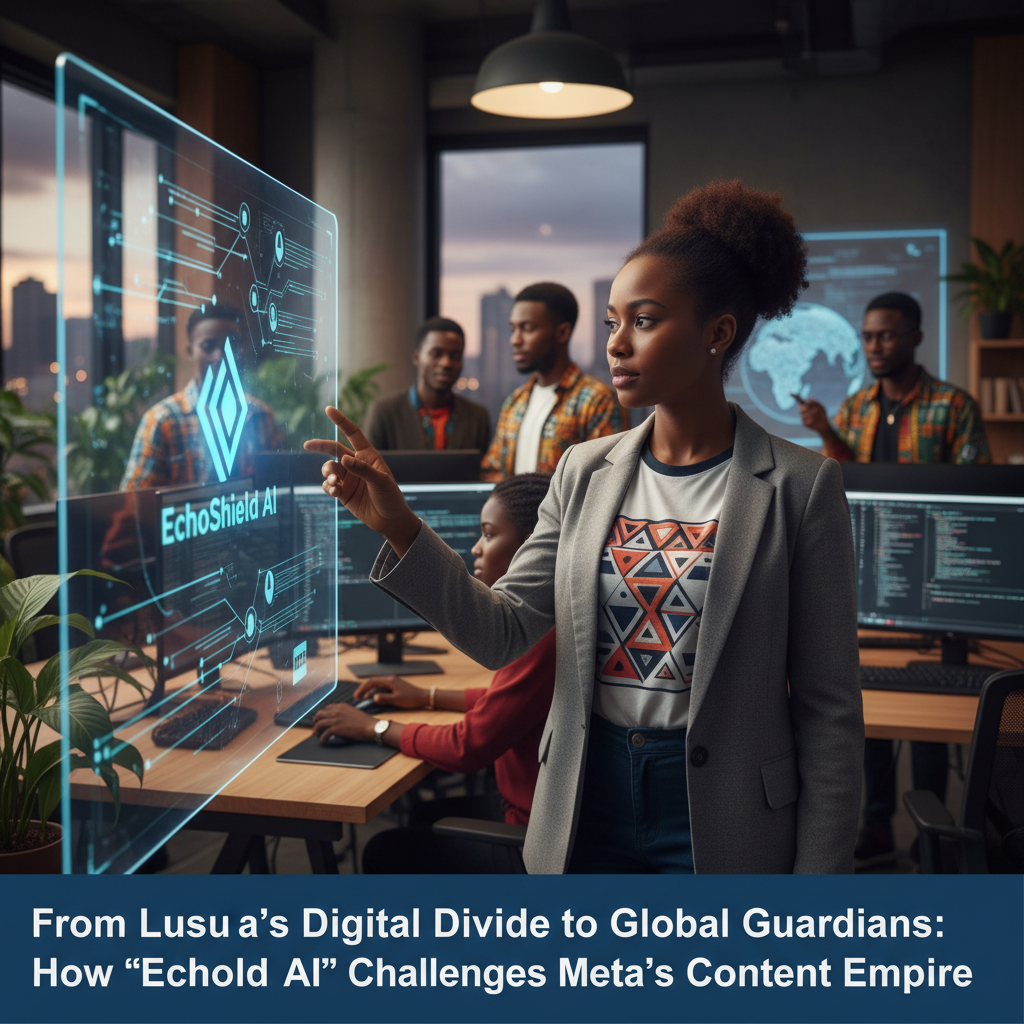
The internet, they say, is a global village. But if you’ve spent any time online in places like my beloved Zambia, you’ll know that some villagers have much bigger megaphones and much sharper censors than others. For years, we’ve watched as content moderation rules, often crafted in Silicon Valley boardrooms, are clumsily applied to our diverse African contexts, leading to everything from legitimate political discourse being stifled to local slang being flagged as hate speech. It’s a mess, a digital nshima that’s been overcooked and under-seasoned.
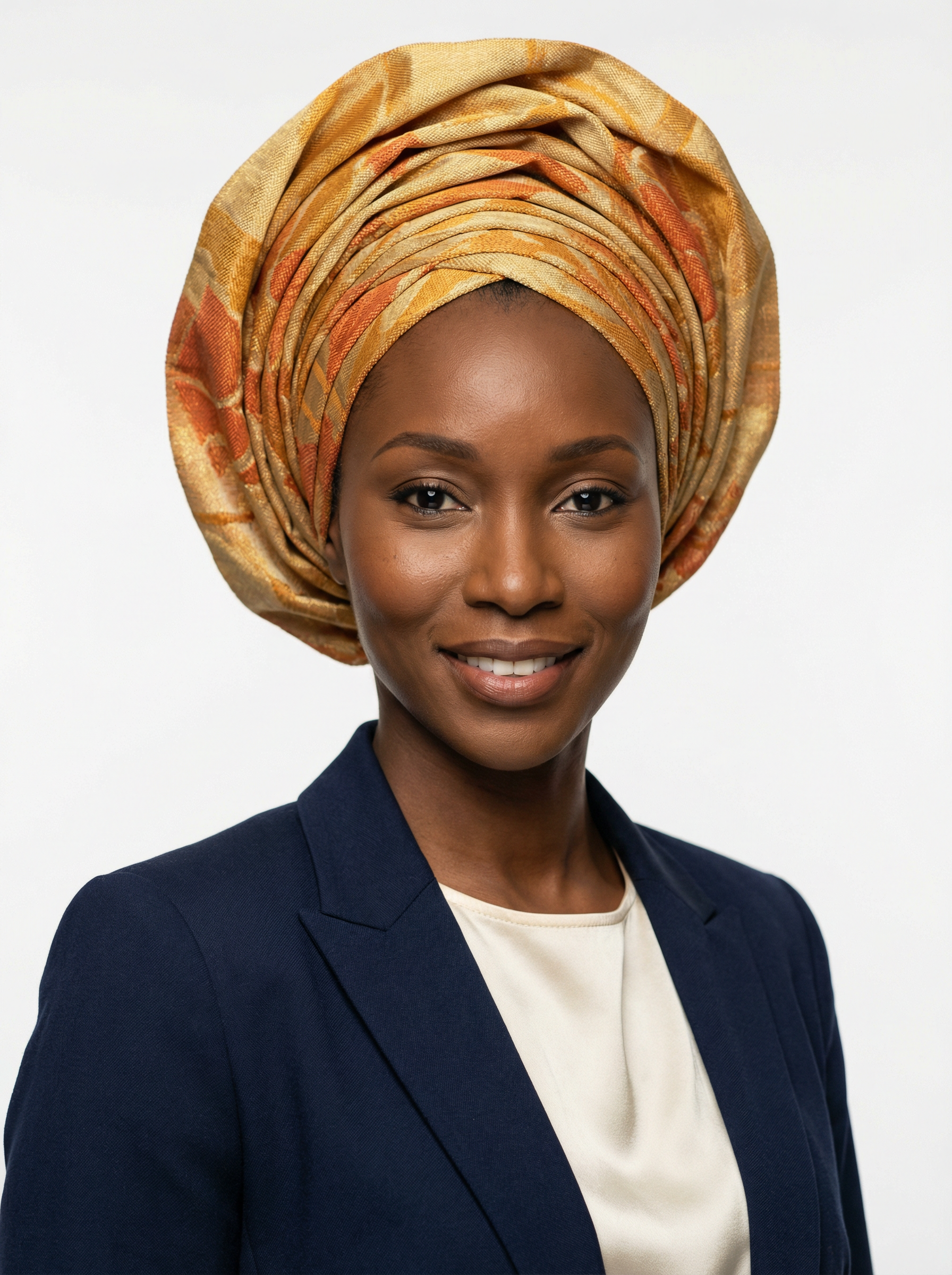
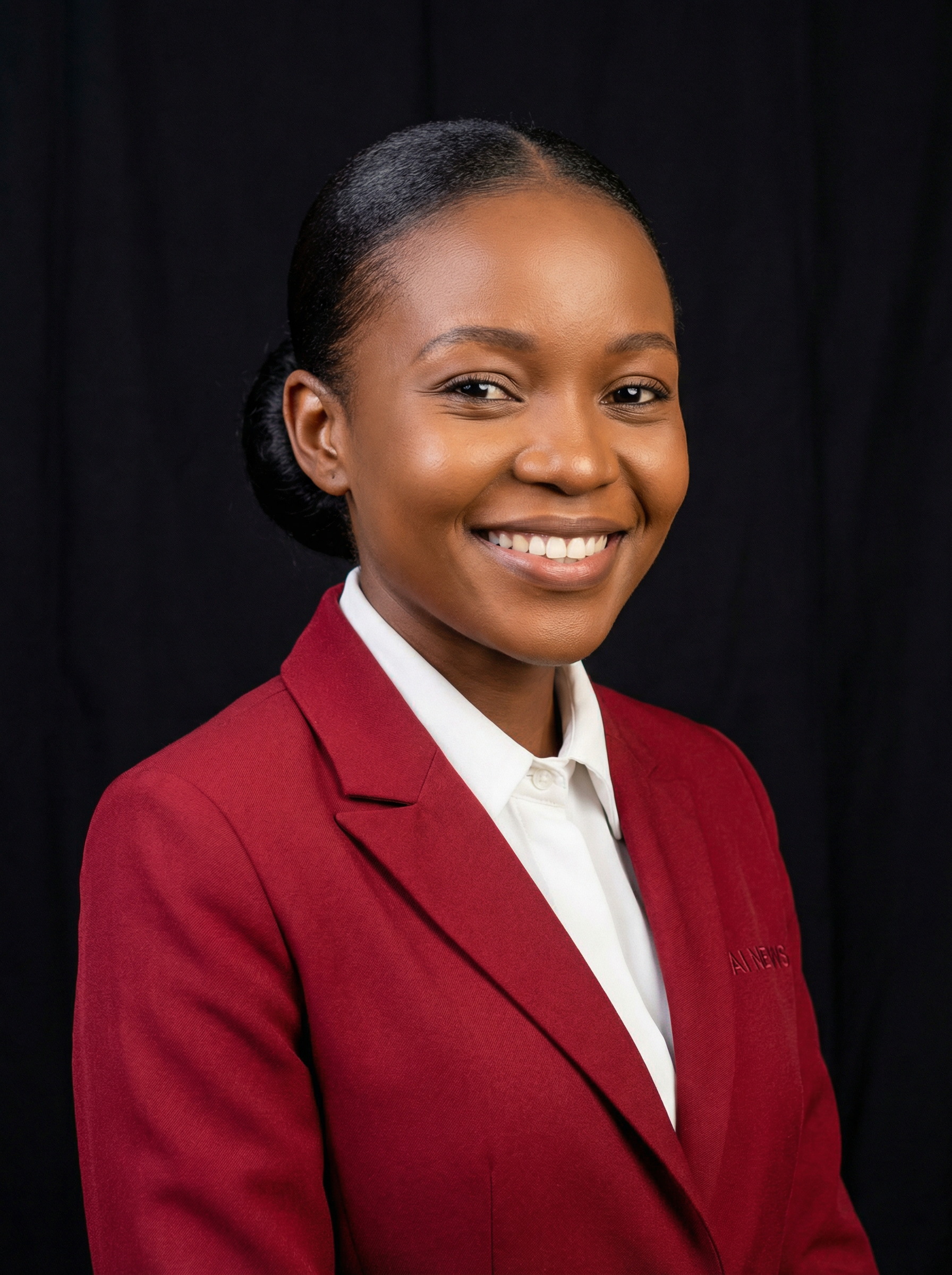
This is the world that gave birth to EchoShield AI, a startup that’s not just talking about fixing content moderation but actually building the tools to do it. And in a twist that surprised absolutely no one who understands the ingenuity bubbling up from this continent, it’s being spearheaded by a Zambian woman, Dr. Chipo Mwale, whose journey from a dusty Lusaka market stall to the cutting edge of AI is as compelling as her company’s mission.
The Seed of Discontent: Dr. Chipo Mwale's 'Aha Moment'
Dr. Chipo Mwale isn't your typical tech founder. She wasn't born with a silver spoon or a coding textbook in her hand. Her early life was spent helping her grandmother sell vegetables at Soweto Market, learning the rhythms of community, negotiation, and the subtle nuances of communication. She eventually earned a scholarship to study computer science at the University of Zambia, then pursued her PhD in natural language processing at the University of Cape Town, focusing on underrepresented African languages.
Her 'aha moment' wasn't a sudden flash of genius in a lab. It was a slow burn of frustration. "I remember vividly in 2020, during the height of the pandemic, when a local health initiative's educational content about Covid-19, translated into Bemba and Nyanja, was repeatedly taken down by a major social media platform," Dr. Mwale recounted to me over a video call, her voice calm but firm. "They flagged it as 'misinformation' because their AI, trained predominantly on English and European languages, couldn't understand the cultural context or the linguistic subtleties. It was a wake-up call. Our voices, our truths, were being silenced by algorithms that didn't even know we existed."
This wasn't an isolated incident. Activists, journalists, and everyday citizens across Africa have faced similar challenges, their posts disappearing, their accounts suspended, all because a foreign algorithm couldn't grasp the local dialect, the satire, or the political undertones. It’s like trying to understand a Zambian proverb by translating it word-for-word into English; you lose the soul of it.
The Problem: A Global Algorithm with a Local Blind Spot
The core problem EchoShield AI is tackling is the profound imbalance in global content moderation. Platforms like Meta, Google, and ByteDance wield immense power over what billions of people see and hear. Their AI systems, while sophisticated, are overwhelmingly trained on data from the Global North, primarily in English and other major European and Asian languages. This creates a massive blind spot for the linguistic and cultural diversity of Africa, Latin America, and parts of Asia.
This isn't just about inconvenience; it's about freedom of speech, access to information, and even national security. False accusations of hate speech can derail political movements. Legitimate news can be suppressed. The digital public square, meant to be open, becomes a gated community where only certain accents are understood. "The current system is a digital colonialist project, plain and simple," stated Dr. Mwale. "It dictates what is acceptable based on a narrow, often Western, worldview, and that is simply unsustainable and unjust."
The Technology: Contextual AI for a Diverse World
EchoShield AI's solution is a multi-layered, context-aware artificial intelligence system designed from the ground up to understand linguistic and cultural nuances. Their proprietary model, dubbed 'UbuntuNet,' is built on a massive dataset of African languages, dialects, and cultural expressions, collected and annotated by a network of local experts across the continent.
"We're not just translating words; we're interpreting meaning, intent, and cultural context," explained Dr. Mwale. "UbuntuNet uses a combination of advanced natural language understanding, multimodal analysis, and a dynamic feedback loop from human moderators. For instance, it can differentiate between a genuine threat in a local dialect and a common idiom that sounds aggressive to a foreign ear but carries no malicious intent locally. It learns from community input, adapting and refining its understanding constantly."
The system offers a suite of tools: real-time content flagging and review, sentiment analysis tailored for specific regional contexts, and even proactive identification of emerging disinformation campaigns in local languages. Unlike the 'black box' approach of many large tech companies, EchoShield AI emphasizes transparency, allowing platform administrators to understand why a piece of content was flagged.
The Market Opportunity: A Continent Hungry for Fair Play
The market for EchoShield AI is enormous and largely underserved. Africa alone has over 1.3 billion people, with internet penetration rapidly increasing. Social media platforms are primary sources of news and communication. The demand for fair, culturally sensitive content moderation is not just a 'nice to have' but a critical necessity for governments, media organizations, and even the global tech giants themselves, who are increasingly facing regulatory pressure and public backlash over their moderation failures.
According to a recent report by DataGlobal Hub, the global content moderation market is projected to reach over $20 billion by 2028, with a significant portion of that growth expected from emerging markets. "Platforms are desperate for solutions that don't alienate their users or invite government intervention," said Mr. Kwesi Nkrumah, a senior analyst at Africa Tech Insights. "EchoShield AI is perfectly positioned to capture a substantial share of this market, especially in regions where current solutions are failing spectacularly. Their localized approach isn't just a feature; it's the product."
EchoShield AI has already secured pilot programs with several African telecommunication companies and a major regional news aggregator. They've also begun discussions with a prominent global social media platform, which, while unnamed, is reportedly keen to avoid another public relations nightmare concerning content moderation in Africa. The irony is almost too perfect: the very platforms that created the problem are now looking to a Zambian startup to fix it.
The Competitive Landscape: David vs. Goliath, with a Smarter Sling
EchoShield AI faces a competitive landscape dominated by giants. Google, Meta, and OpenAI, with their vast resources and advanced AI research, have their own internal content moderation systems. Companies like Cognizant and Accenture also offer content moderation services, often relying on large human teams supported by basic AI tools.
However, EchoShield AI's differentiation lies in its deep specialization and cultural embeddedness. "The big players are trying to build a one-size-fits-all solution, which simply doesn't work for global diversity," explained Dr. Mwale. "Our advantage is our focus. We understand the specific challenges of African languages and cultures because we are part of them. We're not an afterthought; we're the starting point."
Their UbuntuNet model, with its unique training data and contextual understanding, offers a level of granularity that larger, more generalized models struggle to achieve. While a global platform might use OpenAI's GPT-4 or Meta's Llama 3 for general language tasks, these models still lack the specific, localized intelligence that EchoShield AI has cultivated. "You can't just throw more computing power at a problem of cultural understanding and expect it to magically resolve itself," commented Dr. Aisha Khan, a leading AI ethics researcher at the University of Nairobi. "EchoShield AI's approach is not just technologically sound; it's ethically imperative."
What's Next: Scaling UbuntuNet and Expanding the Shield
EchoShield AI recently closed a seed funding round of $3.5 million, led by a consortium of African impact investors and a European venture capital firm known for backing ethical AI. This funding will be used to expand their team of linguists and AI engineers, further refine UbuntuNet, and scale their operations across more African countries.
Dr. Mwale envisions EchoShield AI becoming the go-to standard for culturally intelligent content moderation, not just in Africa but globally. "Our vision is to empower every community to have a say in how their digital spaces are governed, without fear of being misunderstood or silenced," she asserted. "We believe that true freedom of speech online means speech that is understood, respected, and protected, regardless of the language or cultural context."
As the digital world continues to expand, and the complexities of online communication grow, the need for intelligent, empathetic moderation will only intensify. EchoShield AI, born from the vibrant, often overlooked, digital landscape of Zambia, is poised to offer a solution that is not just technically advanced but profoundly human. They are building a shield, not just for content, but for the voices of a continent. It’s a story that reminds us that innovation, true innovation, often comes from those who have been ignored the longest, and their solutions are often the most profound. For more insights into the evolving landscape of AI and its societal impact, you can always check out MIT Technology Review. The journey of AI is far from over, and companies like EchoShield AI are ensuring it takes a more inclusive path. For more on AI startups making waves, see TechCrunch's AI section.
As for the future, Dr. Mwale and her team are already exploring partnerships with academic institutions to establish open-source datasets for underrepresented languages, ensuring that the next generation of AI models is built on a foundation of true global diversity. It's a long road, but if anyone can navigate it, it's someone who learned the art of negotiation and community at Soweto Market.