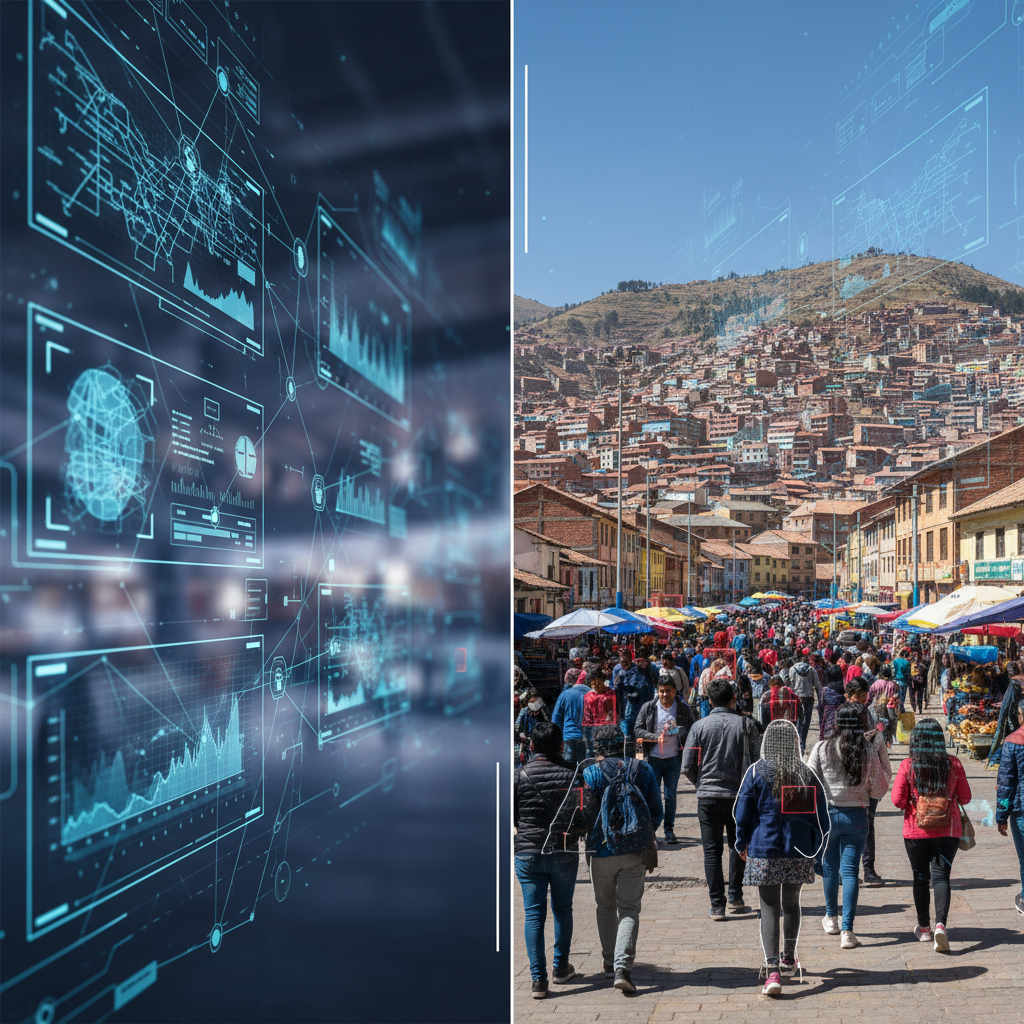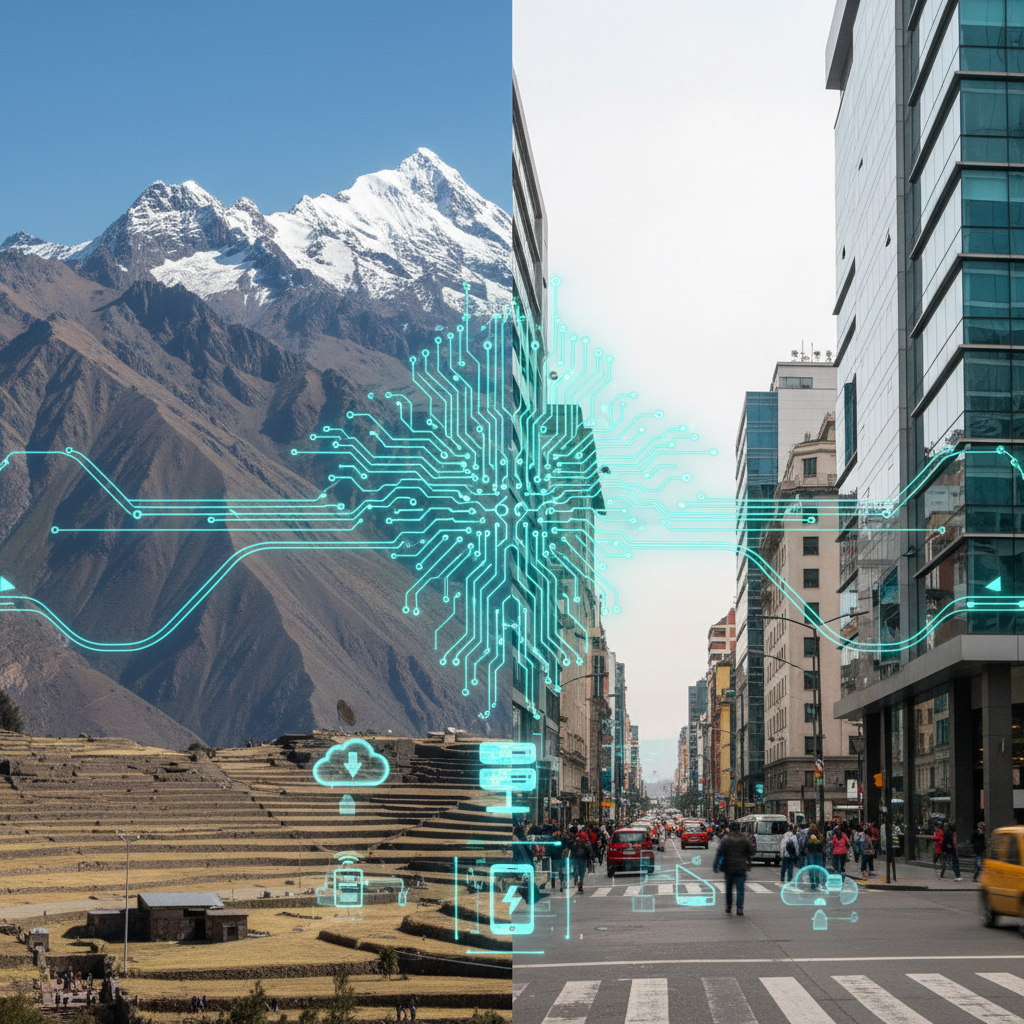

The sun rises over the Andes, casting long shadows across ancient terraces carved into the mountainside. In villages where Quechua is still the first language, a new kind of connection is taking root, one powered by invisible algorithms. We often talk about AI in grand terms, about self-driving cars or generative art, but in Peru, and across the world, some of its most profound impacts are happening silently, beneath our very fingertips, in the networks that connect us all. This is a story about ancient wisdom meeting modern AI, specifically within the realm of telecommunications. It is about how companies like Claro and Telefónica, major players here, are quietly weaving artificial intelligence into the very fabric of our digital lives, from the bustling markets of Lima to the remote communities high above the clouds.
Why Most People Are Ignoring It
Most of us, myself included until I started digging, take our phone signals and internet connections for granted. We expect our calls to go through, our videos to stream, and our messages to deliver instantly. When they don't, we get frustrated, but we rarely think about the complex dance of data and infrastructure that makes it all possible. The algorithms optimizing these networks are largely invisible, working behind the scenes. They are not flashy like a new chatbot or a robot dog; their magic lies in efficiency, in predicting demand, and in fixing problems before we even notice them. This quiet revolution lacks the dramatic headlines of other AI advancements, making it easy to overlook. Yet, its impact on our daily lives, especially in a country as geographically diverse as Peru, is nothing short of transformative.
How It Affects You
Imagine trying to call your grandmother in a remote village in the highlands of Peru, where the signal used to be unreliable at best. Now, thanks to AI, that call is clearer, more stable. Or consider the frustration of waiting endlessly for a customer service representative when your internet goes down. AI-powered chatbots and predictive maintenance are drastically cutting down those wait times, sometimes resolving issues before you even pick up the phone. For students in rural areas, this means more consistent access to online learning resources. For small businesses, it means more reliable payment systems and better communication with suppliers and customers. AI is making our digital experiences smoother, more equitable, and more resilient. It is about ensuring that the digital divide, a chasm that has long separated urban centers from rural communities, begins to narrow, one optimized signal at a time.
The Bigger Picture: Bridging Distances, Empowering Communities
In a country like Peru, where towering mountains and dense Amazonian jungles create natural barriers, connectivity is not just a convenience; it is a lifeline. AI in telecommunications is critical for expanding 5G and planning for 6G, ensuring that these advanced networks are deployed efficiently and effectively, even in challenging terrains. This technology allows providers to analyze vast amounts of data on network traffic, predict congestion, and dynamically reallocate resources. It can identify potential equipment failures before they happen, dispatching maintenance teams proactively. This means fewer dropped calls, faster internet speeds, and a more robust infrastructure that can withstand the demands of a rapidly digitizing world. For Peru, this translates into greater economic inclusion, improved access to healthcare through telemedicine, and enhanced educational opportunities. It is about empowering communities that have historically been marginalized by geography, giving them a voice and a connection to the wider world. The implications for national development are immense, fostering innovation and creating new possibilities for our people.
What Experts Are Saying
Leaders in the telecommunications industry are keenly aware of AI's transformative power. I recently spoke with Juan Carlos Vásquez, the CEO of Claro Peru, who emphasized the strategic importance. “AI is no longer a luxury, it is a necessity for us to serve our diverse customer base effectively,” he told me. “From optimizing our cell tower placements in the Andes to personalizing customer support in Lima, AI drives our commitment to universal connectivity.”
Across the competitive landscape, José Luis Calvo, Chief Technology Officer at Telefónica Hispam, echoed this sentiment in a recent industry conference. He stated, “The deployment of 5G and the future of 6G demand intelligence at every layer of the network. AI allows us to manage complexity, reduce energy consumption, and deliver unparalleled service quality. It is fundamental to our vision of a truly connected Latin America.”
Even global tech giants are investing heavily in this space. Sundar Pichai, CEO of Google, has often spoken about AI's role in infrastructure. In a recent earnings call, he mentioned, “Our investments in AI are not just about search or cloud, but also about the foundational technologies that power global connectivity. We see AI as key to unlocking the full potential of 5G and beyond, making networks smarter and more accessible worldwide.” These insights underscore a consensus: AI is not just enhancing telecommunications; it is redefining it.
What You Can Do About It
As citizens and consumers, understanding this shift is crucial. Demand transparency from your service providers about how AI is used to manage your data and improve your service. Support policies that promote equitable access to high-speed internet, recognizing that robust telecommunications infrastructure, powered by AI, is a public good. For young Peruvians, this also presents a new frontier for innovation. Learning about data science, network engineering, and AI development can open doors to careers that directly contribute to our nation's digital future. The digital transformation of our country needs bright minds to guide it, ensuring that technology serves all our people, not just a select few. This is an opportunity for local talent to shape the future of connectivity.
The Bottom Line: Why This Will Matter in 5 Years
In five years, the idea of a telecommunications network without AI will seem as antiquated as a rotary phone. We will see 5G networks not just as faster internet, but as intelligent grids that anticipate our needs, manage energy consumption, and self-heal from disruptions. The rollout of 6G, with its promise of truly immersive experiences and ubiquitous connectivity, will be entirely dependent on sophisticated AI systems. For Peru, this means a more integrated nation, where the wisdom of our ancestors, the vibrancy of our culture, and the ingenuity of our people can be shared and amplified across seamless digital highways. Connectivity will cease to be a barrier and instead become a bridge, fostering innovation, education, and economic growth in ways we are only just beginning to imagine. It is about building a future where every Peruvian, no matter where they live, has a strong, reliable connection to the world, powered by the unseen hand of artificial intelligence. MIT Technology Review has highlighted the critical role of AI in next-generation networks, and its impact here in Peru will be profound. The digital landscape will be dramatically different, more intelligent, and more responsive, touching every aspect of our lives. The journey of digital transformation in Peru is just beginning, and AI is its compass. For more on how AI is shaping global industries, you can explore reports on Reuters Technology. The future of communication is intelligent, and it is already here. OpenAI's blog also offers insights into the broader AI landscape that influences these advancements.