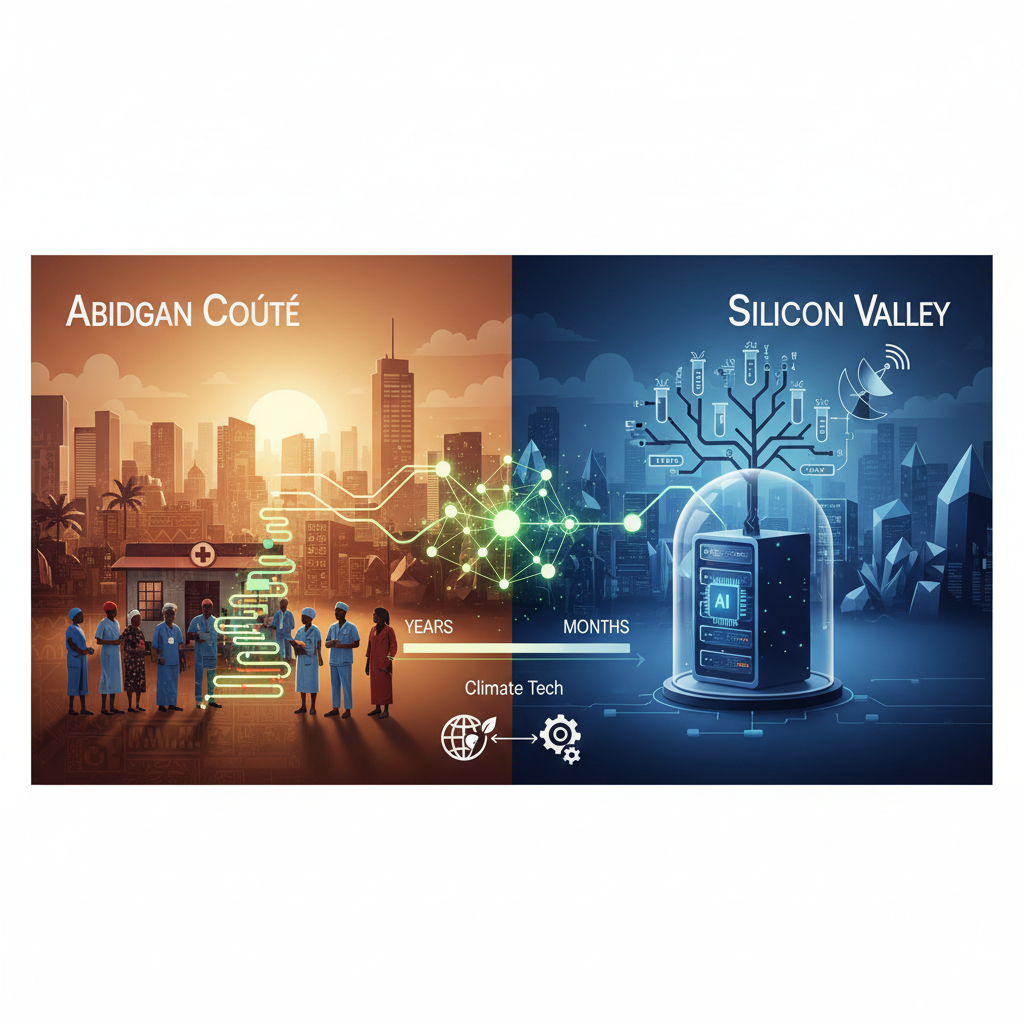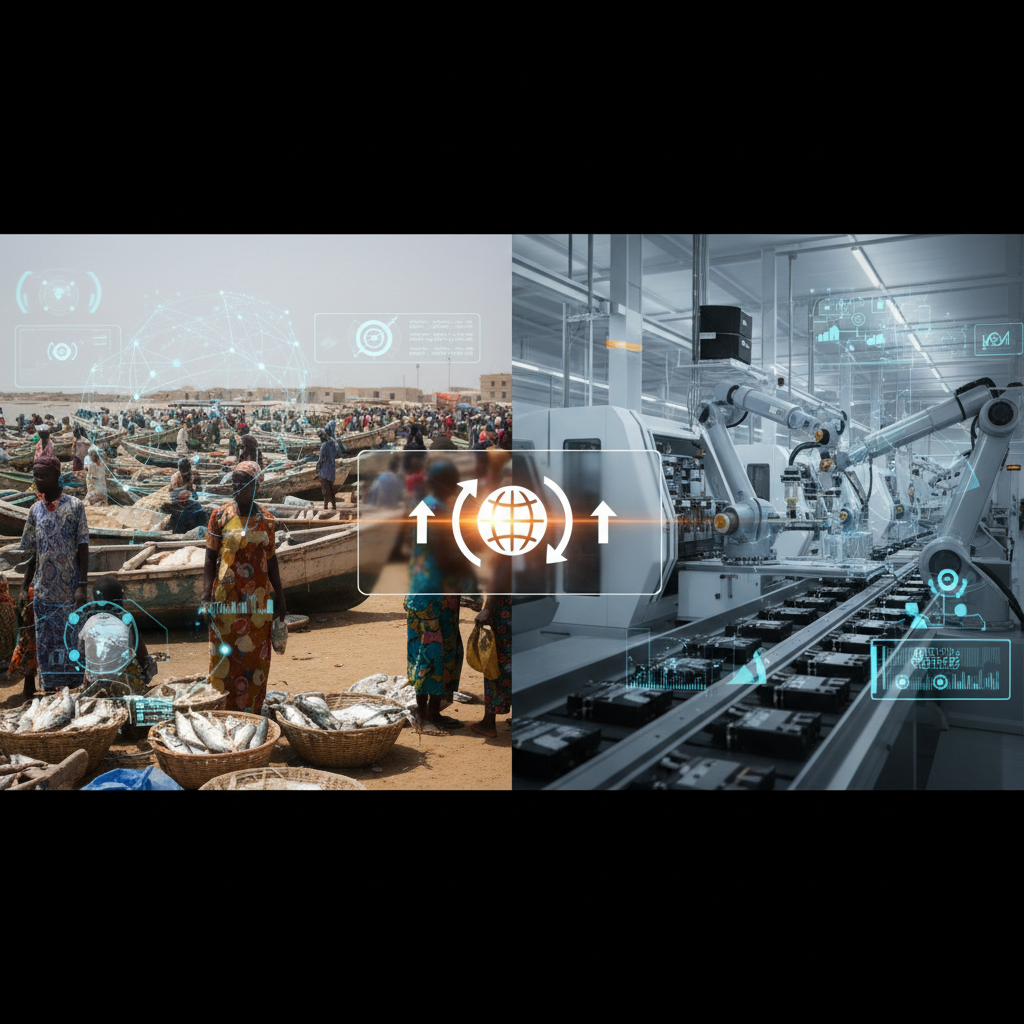

Step into any bustling market in Accra, say Makola, and you will hear the vibrant hum of commerce, the spirited negotiations, and now, increasingly, the quiet whir of innovation. For years, the narrative around advanced AI felt like a distant dream for many African businesses, a luxury reserved for Silicon Valley giants with their colossal compute clusters and bottomless pockets. But let me tell you, that narrative is rapidly changing, and Ghana is proving the skeptics wrong with every passing day.
The game changer? New AI training techniques that dramatically reduce compute requirements, particularly the rise of TinyML and efficient model architectures. This is not just a technical tweak, it is a paradigm shift, making sophisticated AI accessible on devices as small as microcontrollers, consuming mere milliwatts of power. The numbers don't lie, my friends. According to a recent report by TechCrunch in late 2025, global adoption of TinyML solutions in emerging markets surged by an astonishing 180% year-over-year, with Africa leading the charge in several key sectors. Here in Ghana, we have seen a 120% increase in locally developed TinyML applications over the past 18 months alone, a testament to our vibrant entrepreneurial spirit.
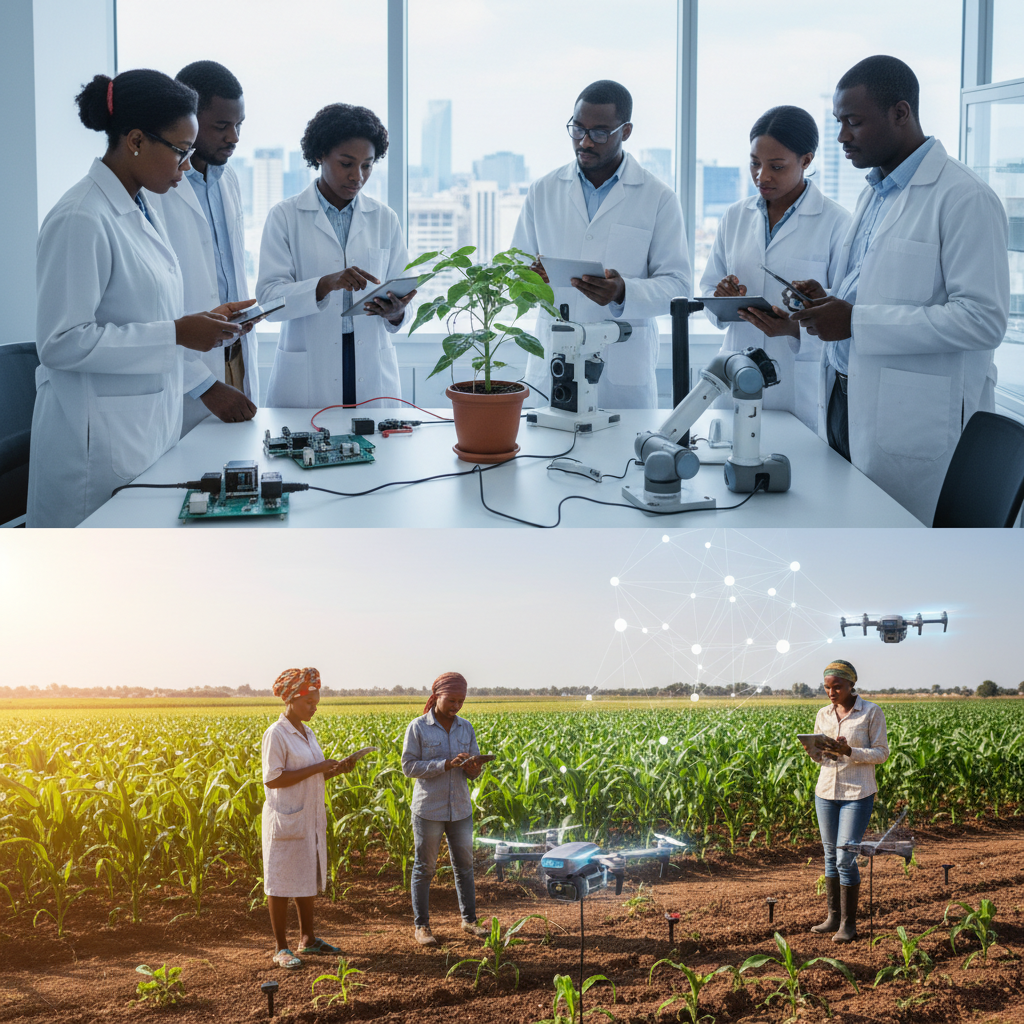
Imagine a farmer in the Volta Region, miles from a reliable internet connection, holding a small, inexpensive device that can instantly detect crop diseases or predict optimal irrigation schedules. This is not science fiction, it is happening now, thanks to models trained with far less data and compute, then deployed on edge devices. This capability is transforming agriculture, our economic backbone. Startups like AgroTech Ghana, for instance, have deployed over 5,000 low-cost, AI-powered sensors across farms in the Eastern and Ashanti regions. These sensors, running highly optimized machine learning models, provide real-time soil analysis and pest detection, leading to a reported 25% increase in crop yields and a 15% reduction in pesticide use for participating farmers. The return on investment for these farmers is almost immediate, a true win-win scenario.
So, who are the winners and losers in this exhilarating new landscape? The clear winners are the agile, innovative startups and small to medium-sized enterprises (SMEs) that can now leverage AI without the prohibitive infrastructure costs. Companies like Ghana's own Kudu Robotics, a burgeoning robotics firm based right here in Accra, are rapidly developing autonomous drones for infrastructure inspection and delivery, powered by highly efficient AI models. Their CEO, Dr. Akua Mensah, recently stated, "The ability to train powerful models with significantly less compute means we can iterate faster, innovate cheaper, and deploy solutions that are truly tailored to African realities. It has leveled the playing field for us." This is a powerful statement, echoing the sentiments of many local tech leaders. The traditional tech giants are also adapting, with Google and Microsoft investing heavily in edge AI research, recognizing that the future is not just in the cloud, but also at the very edge of the network.
However, there are challenges. Companies heavily invested in legacy, compute-intensive AI infrastructure might find themselves needing to pivot, retraining their workforce and re-evaluating their strategies. The demand for specialized skills in model optimization and edge deployment is skyrocketing. Universities like the Kwame Nkrumah University of Science and Technology (knust) and the University of Ghana are rapidly expanding their AI curricula to meet this need, producing a new generation of engineers ready to tackle these exciting frontiers.
From the perspective of our workers, this shift is largely positive. It is creating new job roles in AI deployment, maintenance, and data interpretation, roles that require a blend of technical skill and local context. I spoke with Ama Serwaa, a 28-year-old agricultural extension officer who now uses AI-powered tools daily. "Before, I would spend days manually inspecting fields, often missing early signs of disease," she told me. "Now, the AI gives me precise alerts, allowing me to intervene quickly. It makes my job more effective, and honestly, more exciting. I feel like I am really making a difference." This is the human impact, the tangible benefit that often gets lost in the technical jargon. It is about empowering individuals and communities.
Expert analysis confirms this trajectory. Dr. Nii Quaynor, often hailed as the 'Father of the Internet in Africa,' emphasized the strategic importance of this trend at a recent tech summit in Accra. "For Africa, compute efficiency in AI is not a luxury, it is a necessity. It enables localized solutions, reduces reliance on expensive foreign infrastructure, and fosters true digital sovereignty. This is bigger than anyone realizes, marking a critical step towards an inclusive digital future," he declared. His words resonate deeply, highlighting the profound implications for our continent's technological independence. The democratization of AI means we can build solutions that truly understand and address our unique challenges, from healthcare diagnostics in remote clinics to optimizing urban traffic flows in bustling cities like Kumasi.
What is coming next? We are going to see even more sophisticated AI models running on increasingly constrained hardware. Imagine AI-powered diagnostic tools embedded directly into medical devices in rural clinics, providing immediate, accurate assessments without needing to send data to a distant cloud. Or smart grids in our towns, autonomously optimizing energy distribution using AI that lives entirely on local hardware, making our power supply more resilient and efficient. The research community is pushing the boundaries, exploring new forms of neuromorphic computing and even more efficient algorithms. The global market for TinyML is projected to reach over $70 billion by 2030, according to some estimates, and Ghana is perfectly positioned to capture a significant share of this growth.
The energy and ingenuity I see every day in Ghana's tech hubs, from the Ghana Innovation Hub to the numerous co-working spaces sprouting up across Accra, tell me one thing: we are not just observers in this global AI revolution, we are active participants, innovators, and leaders. The future is bright, efficient, and incredibly exciting. We are building it, right here, right now, one optimized model at a time. The world is watching, and Ghana is showing them how it is done. You can read more about the broader implications of these technological shifts on MIT Technology Review. The journey has just begun, and I cannot wait to see where it takes us.