
The airwaves across Cairo, from the bustling streets of Khan el-Khalili to the quiet corners of Zamalek, have always pulsed with music. It is the heartbeat of our cities, a reflection of our souls. But lately, a new kind of rhythm has emerged, one not born of human hands or voices, but of algorithms and data sets. AI-generated music is no longer a futuristic concept; it is here, topping charts, and it is forcing governments, including our own, to confront an existential question: Who owns creativity when machines learn to compose?
Just last month, Egypt's Ministry of Culture, in a move that sent ripples through the regional music industry, announced a groundbreaking set of directives aimed at regulating AI-generated musical content. This is not just about a few catchy tunes; it is about the very fabric of our creative economy and cultural identity. Let me break this down for you, because what seems like a technicality is actually a profound policy shift with far-reaching implications.
The Policy Move: A Cultural Copyright Shield
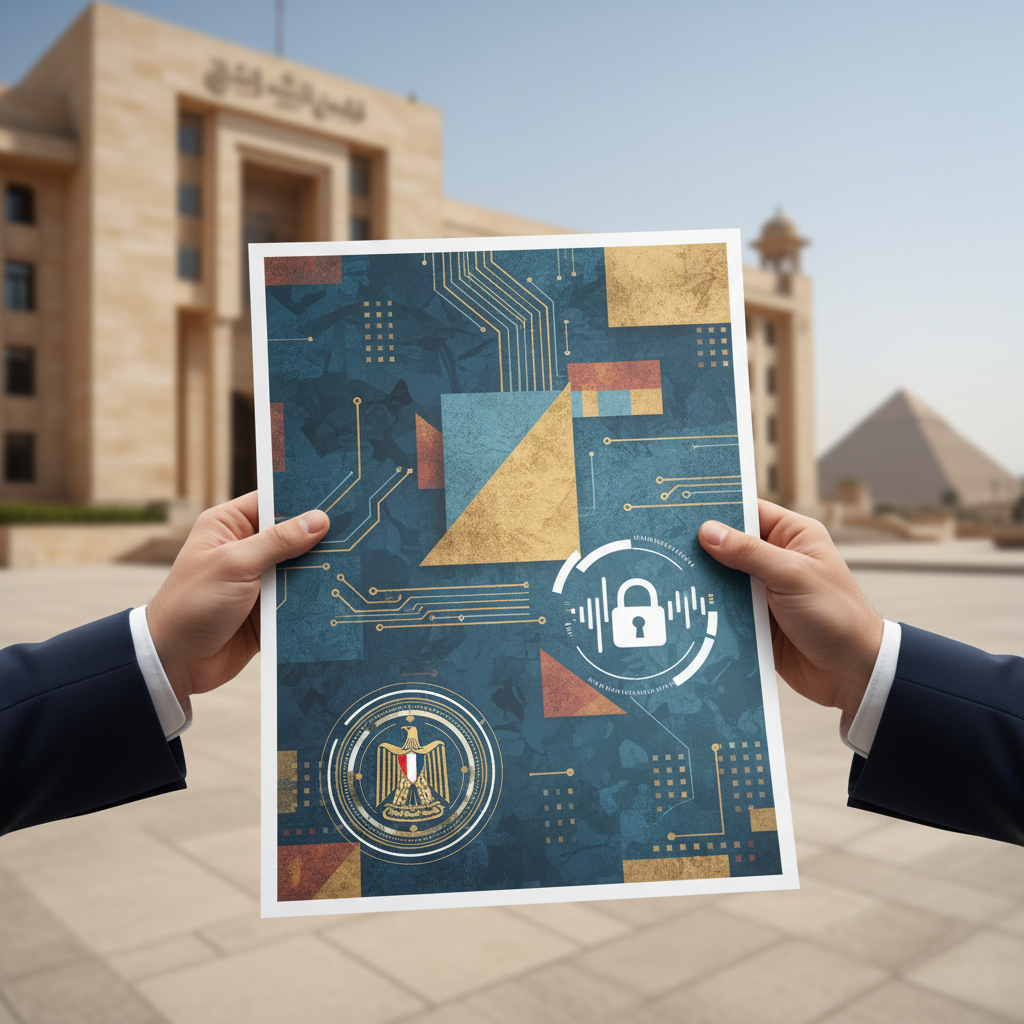
The core of the new Egyptian directive, which is still in its draft stages but has a clear direction, mandates that all AI-generated music intended for public release or commercial use within Egypt must be explicitly labeled as such. Furthermore, it proposes a registration system for the underlying AI models and their creators, requiring transparency about the data used for training, especially if that data includes copyrighted Egyptian works. The most contentious part, however, is the proposed 'cultural heritage levy,' a percentage of revenue from AI-generated music that utilizes or mimics traditional Egyptian musical styles, to be channeled into a fund supporting human artists and cultural preservation initiatives.
This is a bold step, positioning Egypt as one of the first nations in Africa, and indeed globally, to directly address the economic and cultural impact of generative AI in music through legislative means. It is a response to a rapidly changing landscape where AI tools from companies like Google's MusicLM and OpenAI's Jukebox, or even smaller, specialized platforms, can produce tracks indistinguishable from human compositions, often in mere seconds.
Who's Behind It and Why: Protecting the Nile's Melodies
The driving force behind this initiative is a coalition of artists, cultural preservationists, and, crucially, the Egyptian Musicians' Syndicate, led by figures like the respected singer and Syndicate head, Hany Shaker. For years, the Syndicate has been vocal about protecting artist rights in the digital age, and AI presents their biggest challenge yet. "Our heritage, our melodies, they are not just data points for an algorithm to sample and reproduce without acknowledgment or compensation," Shaker stated in a recent press conference in Cairo. "This directive is about safeguarding the future of Egyptian music, ensuring that human creativity remains at its heart." He continued, "We must not allow our cultural treasures to be commodified and diluted by machines without fair play." This sentiment resonates deeply in a country where music is not just entertainment, but a vital part of identity and history.
From the Ministry of Culture's perspective, this is about digital sovereignty and cultural protection. Think of it this way: just as we protect our ancient monuments from erosion, we must protect our intangible cultural heritage from algorithmic appropriation. The concern is that without regulation, AI models trained on vast datasets, including traditional Egyptian music, could flood the market with derivative works, devaluing original human artistry and potentially eroding the unique characteristics of our musical traditions. It is a pre-emptive strike against a potential 'race to the bottom' in creative compensation.
What It Means in Practice: A New Bureaucracy for Beats
For artists, producers, and tech companies operating in Egypt, the new rules will introduce a layer of compliance. Any AI-generated track destined for platforms like Spotify or Anghami within Egypt will need its 'AI origin' clearly marked. This could manifest as a metadata tag, a specific icon, or even a spoken disclaimer within the track itself. The proposed registration system for AI models means that companies developing these tools will need to be transparent about their training data, a significant hurdle for proprietary models. This is where things get tricky, as many AI developers guard their training data as trade secrets.
Furthermore, the cultural heritage levy could impact the profitability of AI music ventures that leverage Egyptian musical styles. While the exact percentage is still under discussion, early proposals suggest it could range from 5% to 15% of gross revenues. This money is intended to directly support human musicians, music education programs, and initiatives to digitize and preserve traditional Egyptian music archives, creating a virtuous cycle of cultural investment.
Industry Reaction: A Cacophony of Concerns and Cautious Optimism
The reaction from the music industry has been, predictably, mixed. Major international labels with a presence in Egypt, like Universal Music Group and Sony Music Entertainment, are reportedly engaging in intense discussions with the Ministry. Their primary concerns revolve around the feasibility of implementing the labeling and registration requirements, especially for content distributed globally. "The digital music ecosystem is interconnected," a representative from a major label, who wished to remain anonymous due told me, "Applying national-level labeling to a global stream creates significant technical and logistical challenges." They fear a fragmented regulatory landscape could stifle innovation and complicate distribution.
However, local independent labels and many Egyptian artists have largely welcomed the move. "For too long, our work has been sampled, re-mixed, and re-used without proper credit or compensation," said Dina El-Sherbiny, a rising independent artist based in Alexandria. "This gives us a fighting chance, a way to ensure our culture benefits from technological advancements, rather than being consumed by them." Startups in the generative AI music space, particularly those based in Egypt, are watching closely. Some see an opportunity to develop compliant, culturally sensitive AI tools, while others worry about increased regulatory burdens stifling their growth. TechCrunch has been tracking similar debates in other creative industries globally, highlighting the growing tension between innovation and protection.
Civil Society Perspective: Balancing Innovation and Equity
Civil society organizations, particularly those focused on digital rights and cultural preservation, have largely applauded the Ministry's initiative. Groups like the Egyptian Initiative for Personal Rights, while emphasizing the need for clear definitions and due process, see this as a necessary step to ensure that AI development serves societal benefit, not just corporate profit. "The ethical implications of AI are not just about data privacy, but also about cultural ownership and economic equity," explained Dr. Mona Attia, a legal expert specializing in intellectual property and AI at Cairo University. "This policy, if implemented thoughtfully, could set a precedent for how nations in the Global South protect their creative economies from unchecked AI proliferation." She also highlighted the importance of distinguishing between AI-assisted creation and fully autonomous AI generation, a nuanced point that the draft directive is still grappling with.
However, some tech advocacy groups express concerns that overly strict regulations could inadvertently hinder local AI innovation. They argue that requiring detailed disclosure of training data could be an insurmountable barrier for smaller Egyptian AI startups, potentially creating a monopoly for larger, established international players. The delicate balance, they contend, is to foster responsible AI development without stifling the very innovation Egypt hopes to cultivate.
Will It Work? The Long Road Ahead
Here's what's actually happening under the hood: Egypt is attempting to draw a line in the sand, or perhaps, in the digital ether. The success of this policy will hinge on several factors. Firstly, enforcement will be critical. How will the Ministry monitor global streaming platforms for non-compliant AI music? This will likely require international cooperation and robust digital forensics. Secondly, the technical definitions of 'AI-generated' and 'cultural heritage' will need to be precise and legally defensible. What constitutes 'mimicking' a traditional style? These are complex questions with no easy answers.
Thirdly, the 'cultural heritage levy' model, while conceptually sound, needs to be transparent and effective in its distribution. If the funds genuinely empower human artists and preserve traditions, it could become a blueprint for other nations. If it becomes bogged down in bureaucracy, it risks losing its intended impact. The global nature of AI and digital music means that unilateral national policies face inherent limitations. For true effectiveness, Egypt's initiative might need to inspire a broader, regional, or even international framework, perhaps through organizations like the African Union or Unesco. The Verge often covers the challenges of regulating global tech with local laws, and this situation is a prime example.
Ultimately, Egypt's move is more than just a regulatory tweak; it is a declaration. It is a statement that in the age of algorithms, human creativity, cultural identity, and fair compensation still matter. The world is watching to see if Cairo's bold stance can indeed harmonize the future of music, ensuring that the melodies of the Nile continue to flow, enriched by technology, but never overshadowed by it.