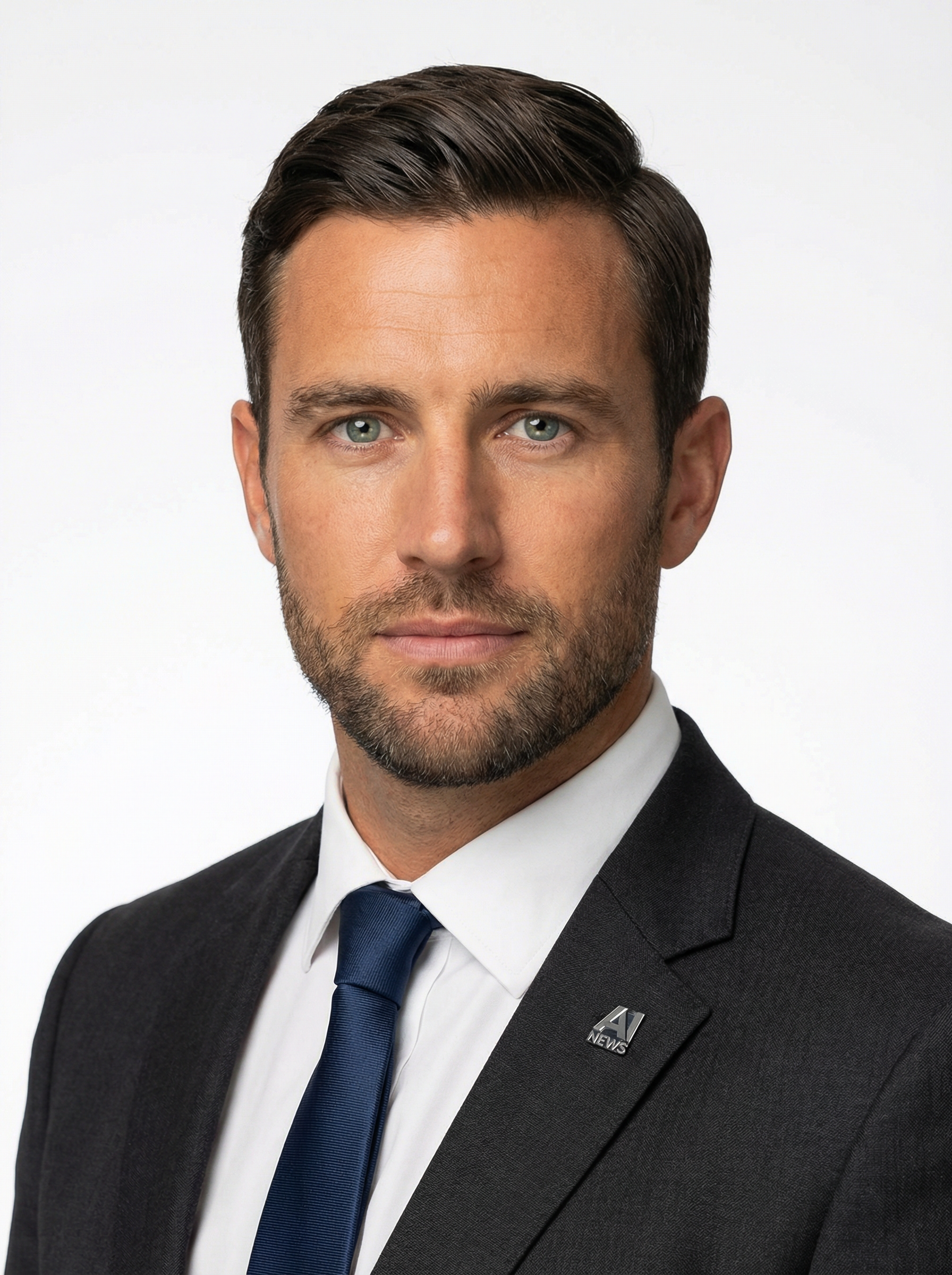
G’day, everyone. Braideùn O'Sullivàn here, buzzing with the kind of energy you only get when you’re on the cusp of something truly monumental. And let me tell you, what’s unfurling in the world of AI and creativity right now, it’s not just monumental, it’s a full-blown cultural reckoning. We’re talking about the AI copyright war, a battle being waged in courtrooms and cultural spaces across the globe, pitting artists, authors, and musicians against the titans of tech like OpenAI and Google. It’s a thorny issue, as tangled as a fishing line after a big catch, but absolutely vital to get right.
My Irish roots taught me to question, my Australian home taught me to build, and right now, I’m questioning everything about how we’re going to build a fair future for creators. This isn't just about algorithms; it's about livelihoods, about the very definition of human ingenuity in the age of machines. And who better to help us navigate this swirling vortex than one of Australia’s most brilliant minds in AI ethics, Kate Crawford?
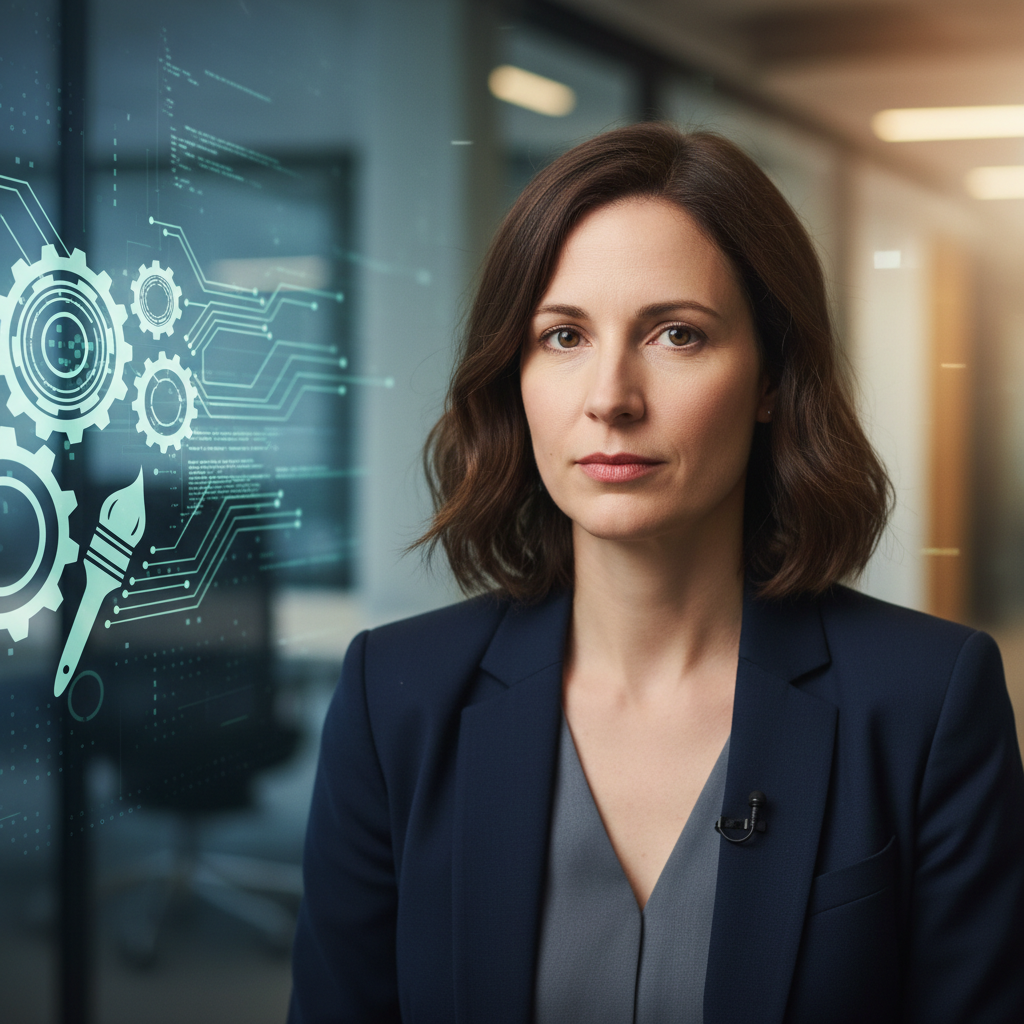
Kate, a distinguished research professor at USC Annenberg and a senior principal researcher at Microsoft Research, has been a beacon of critical thought in the AI space for years. She’s not just observing the future; she’s actively shaping the conversation around it. Her work, particularly her book 'Atlas of AI,' has laid bare the hidden costs and power structures behind our shiny new technologies. She’s a voice that Silicon Valley has to listen to, even if they sometimes wish they didn't. Her insights are particularly pertinent now, as the legal battles over AI training data intensify, with major lawsuits filed by groups like the Authors Guild and artists against companies like OpenAI and Stability AI.
“We’re seeing a profound shift in how culture is produced and consumed, and the legal frameworks simply haven’t caught up,” Kate has publicly stated, a sentiment I’ve heard echoed in many of her interviews and talks. She’s consistently highlighted the enormous datasets, often scraped from the internet without explicit consent or compensation, that fuel these powerful generative AI models. Imagine a vast digital library, filled with the life’s work of millions, being ingested by machines to create new works. It’s breathtaking in its scope, but also deeply unsettling for those whose work forms the very foundation of this new creative frontier.
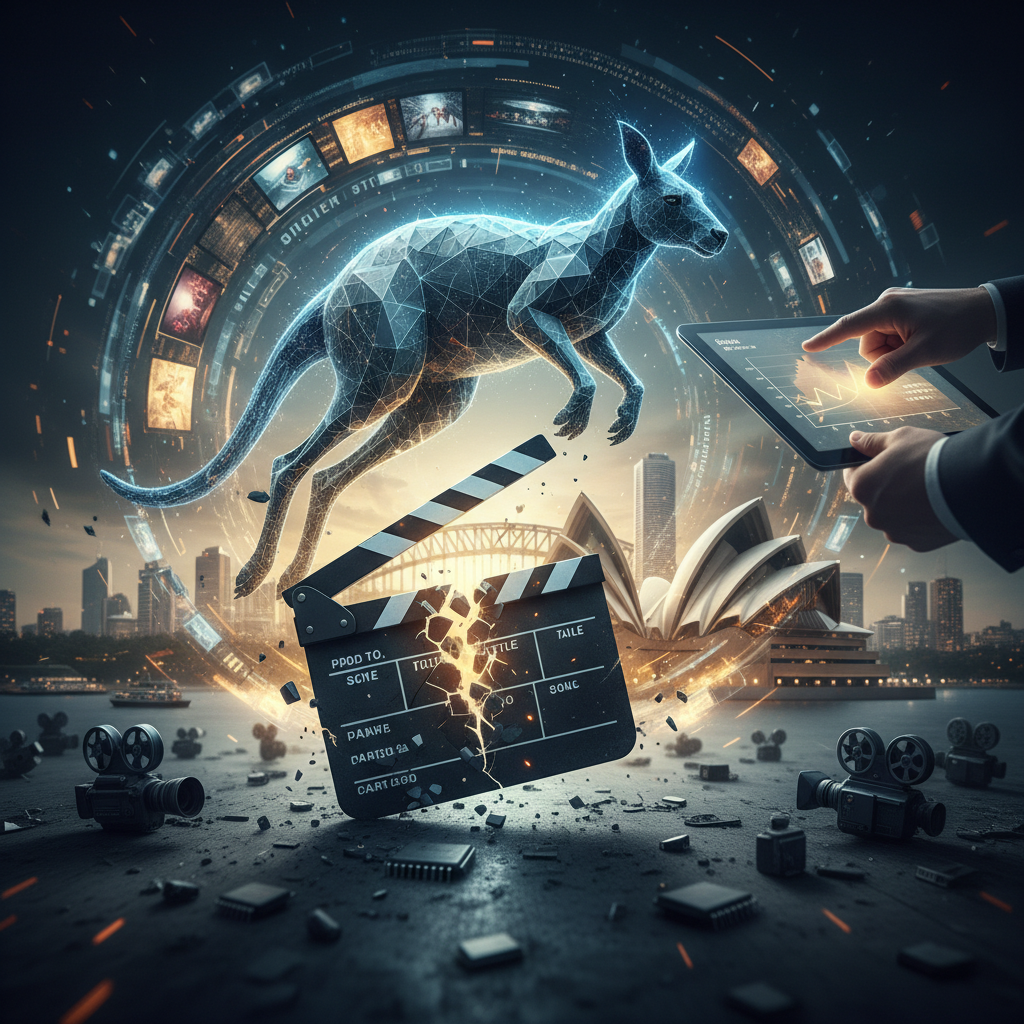
The core of the conflict, as Kate often frames it, lies in the notion of 'fair use' or 'fair dealing' in different jurisdictions. Is the ingestion of copyrighted material for training a large language model transformative, or is it simply mass infringement? The answer to that question will define the economic landscape for creators for generations. In Australia, our Copyright Act 1968, while robust for its time, couldn't possibly have foreseen a world where AI could generate a passable rendition of a Kylie Minogue song or a Tim Winton novel in seconds. The legal system is playing catch-up, and it’s a sprint, not a marathon.
Kate has been a vocal advocate for transparency and accountability in AI development. She's called for a deeper examination of the provenance of training data, arguing that without it, we cannot truly understand the biases or the ethical implications embedded within these systems. “We need to ask not just what these systems can do, but how they were made, and who benefits,” she emphasized in a recent discussion on AI governance, a point that resonates deeply with the Australian spirit of a fair go. This is not just about a few big tech companies; it’s about the entire ecosystem of creativity.
The lawsuits are coming thick and fast. The New York Times sued OpenAI and Microsoft, alleging copyright infringement of its articles. High-profile authors like George R.R. Martin and John Grisham have joined a class-action lawsuit against OpenAI, claiming their works were used without permission to train ChatGPT. Artists have launched similar actions against image-generating AI companies. The stakes are incredibly high, potentially amounting to billions in damages and fundamentally altering how AI models are developed and deployed. It's a bit like the wild west, but instead of gold, everyone's digging for data, and the prospectors are not always playing by the rules.
What’s particularly fascinating is how Kate, coming from an academic and ethical perspective, often points out the societal implications beyond just the legal ones. She’s not just talking about royalties; she’s talking about the very fabric of our culture. If AI can mimic any style, any voice, what does that mean for the unique contributions of human artists? How do we ensure that the next generation of Australian storytellers, musicians, and painters can still make a living when their work can be replicated or remixed by an algorithm that learned from their predecessors?
“The question isn’t whether AI will create; it’s how we ensure that human creativity remains valued and viable in an AI-powered world,” Kate has stated, urging policymakers and tech developers to engage in a more profound dialogue. She advocates for mechanisms that ensure fair compensation and attribution for creators whose work is used as training data. This could involve new licensing models, collective bargaining agreements, or even a form of digital rights management specifically designed for AI. It’s a massive undertaking, but one that’s absolutely necessary.
This isn't just an American problem, mind you. The ripples are felt globally. Here in Australia, our government is grappling with how to update copyright law for the AI age. The Australian Copyright Council has been actively engaging with creators and tech companies to find a path forward. There's something happening in the Southern Hemisphere that Silicon Valley hasn't noticed yet, a growing movement for responsible AI development that prioritizes human values and creative integrity. We’re not just consumers of tech; we’re contributors, and we demand a seat at the table.
Looking ahead, Kate’s vision isn’t about stopping AI, but about guiding it responsibly. She envisions a future where AI can be a powerful tool for human creativity, not a replacement for it. This requires thoughtful regulation, ethical design principles, and a commitment from tech companies to engage transparently with the creative community. It’s a monumental task, but one that is absolutely achievable if we approach it with the right mindset.
As we stand here in April 2026, the legal battles are far from over. The outcomes of these high-profile cases against OpenAI, Stability AI, and others will set precedents that will reverberate for decades. But one thing is clear: the conversation has shifted. Thanks to voices like Kate Crawford, the ethical and economic implications of AI for creators are now front and center. It’s a challenging time, but also an incredibly exciting one, where we have the chance to build a future where technology truly serves humanity, and creativity continues to flourish, unhindered and fairly compensated. It’s a future worth fighting for, and I, for one, am optimistic we can get there. For more on the ongoing legal landscape, you can often find updates on Reuters Technology or TechCrunch. And if you're keen to dive deeper into the ethical considerations of AI, MIT Technology Review is always a brilliant read.