
The air in Medellín crackles with innovation, a city constantly reinventing itself, much like the very fabric of life that scientists are now learning to edit. We hear the whispers of a revolution, a future where diseases are not just managed but eradicated, thanks to the breathtaking convergence of Crispr gene editing and the predictive power of machine learning. It sounds like a miracle, a dream for a nation like ours, scarred by conflict and health disparities. But I, Valentinà Lopèz, a journalist from Colombia, cannot help but ask: a miracle for whom?
My heart swells with hope when I read about the potential. Imagine, for a moment, a child born in a remote village in La Guajira, no longer condemned by a genetic predisposition to a devastating illness. Picture our elderly, suffering from conditions that AI-driven gene therapies could precisely target and correct. This is the promise, the vision that companies like Google DeepMind and NVIDIA are pushing, with their immense computational power fueling discovery. They are building models that can predict protein structures, optimize guide RNAs for Crispr, and analyze vast genomic datasets at speeds unimaginable just a few years ago. This is about more than technology, because it's about justice, or at least, it should be.
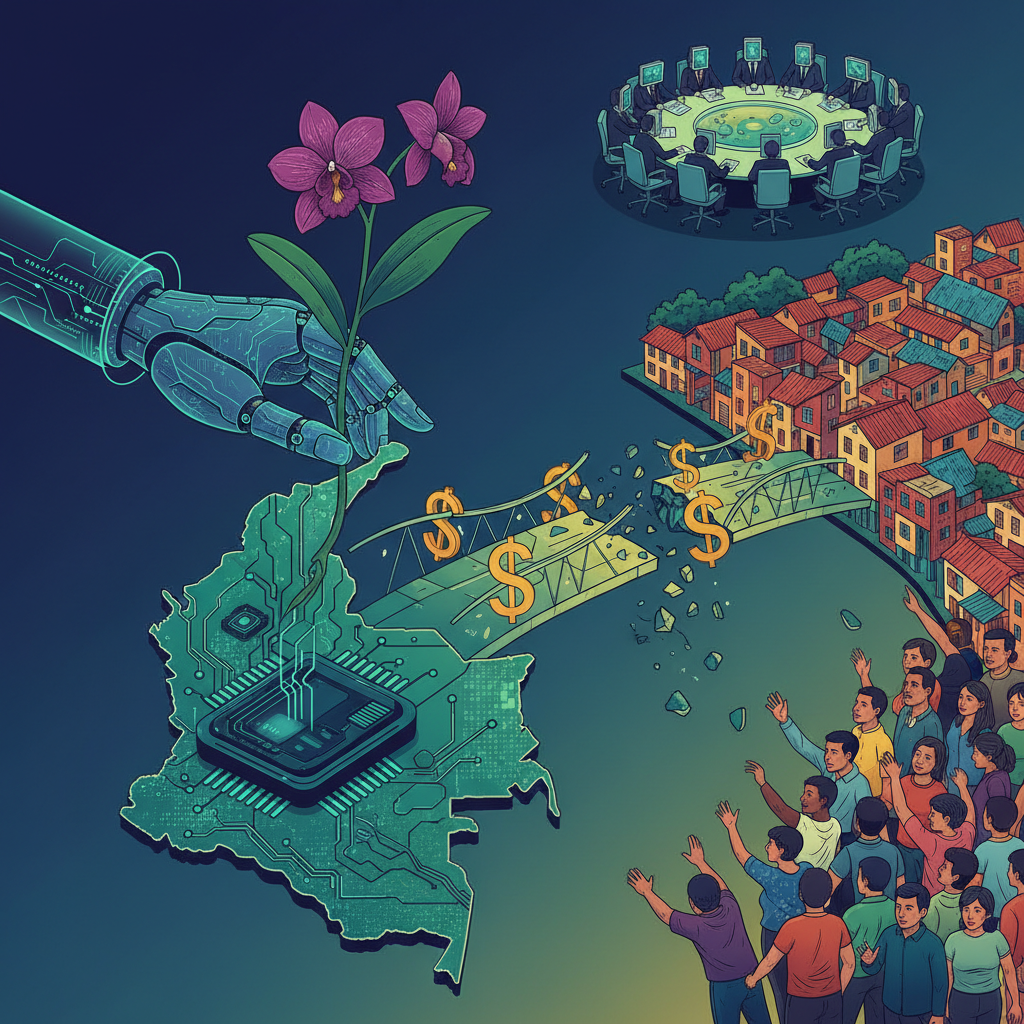
But the reality, as I see it from my home in Bogotá, is often far more complex. While the headlines celebrate breakthroughs in Silicon Valley labs, I worry about the accessibility of these advancements. Who will own these life-altering technologies? Who will pay for them? And how will they reach the people who need them most, especially in regions like Latin America, where healthcare infrastructure is often stretched thin and equitable access remains a constant struggle?
We are talking about a field where a single therapy could cost millions of dollars, a price tag that would make it a luxury, not a right. "The ethical implications are immense, and the economic ones are even more daunting for developing nations," stated Dr. Elena Rojas, a bioethicist at the Universidad Nacional de Colombia, during a recent panel discussion. "Without robust public health policies and international collaboration, these technologies risk becoming another tool that exacerbates global inequalities, rather than bridging them." Her words echo a fear that many of us carry.
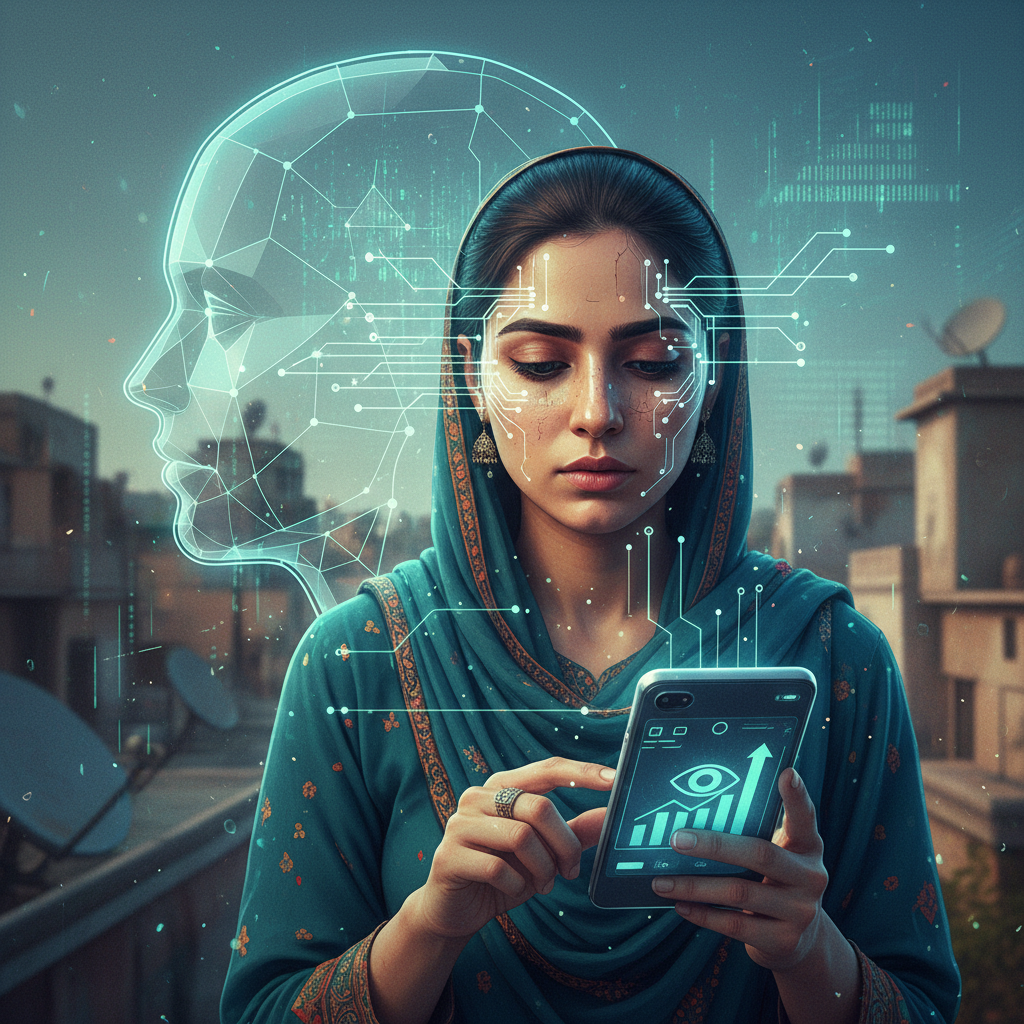
Indeed, the very algorithms driving these discoveries are often trained on datasets that are overwhelmingly biased towards populations of European descent. This is not a minor detail; it is a fundamental flaw. If the AI models are not trained on diverse genomic data, including that from Indigenous communities, Afro-Colombians, and other underrepresented groups, then the precision medicine they enable will simply not be precise for everyone. It will be precise for some, and dangerously imprecise, or even harmful, for others. This is a scientific apartheid in the making, and we cannot stand by silently.
Some might argue that these are early days, that the focus now must be on pure scientific advancement, and that questions of access and equity can be addressed later. They might point to the immense investment from tech giants like Microsoft, pouring resources into AI research that indirectly benefits these fields. They might say that the sheer complexity of the science demands a singular focus. They might even suggest that the market will eventually drive down costs, making these therapies more affordable over time, much like other technological innovations.
But I say to them, with all due respect, that this perspective is dangerously naive, or worse, willfully ignorant. "Waiting to address equity is like building a magnificent hospital in the desert and then wondering why no one can reach it," remarked Professor Carlos Gómez, a public health expert at the Pontificia Universidad Javeriana. "The foundational design, the very blueprint of this new medical future, must include justice from day one. Otherwise, we are simply repeating the mistakes of the past, where technological progress outpaced social responsibility." He is right. We have seen this story before, and Colombia's AI story deserves to be heard in this context.
Consider the case of rare diseases, often neglected by pharmaceutical giants because of smaller market sizes. Machine learning can identify patterns and potential targets for these conditions with unprecedented speed. This is a powerful tool, one that could bring hope to countless families. But if the intellectual property is locked behind exorbitant patents, and the manufacturing capacity is concentrated in a few wealthy nations, then what good is the discovery for a child in a rural Colombian clinic?
We need to demand that the development of AI-powered gene editing is guided by principles of global health equity. This means pushing for open science initiatives, fostering local research and development capabilities in countries like Colombia, and creating international frameworks that ensure fair pricing and technology transfer. It means holding companies like OpenAI and Anthropic, who are shaping the broader AI landscape, accountable for their role in creating a just technological future.
We must also invest in our own talent. Our universities, our startups, our brilliant minds are capable of contributing to this global effort. Imagine a Colombian startup, leveraging local genomic data and AI expertise, developing affordable, targeted gene therapies for diseases prevalent in our region, perhaps even neglected tropical diseases. This is not a fantasy; it is a possibility if we cultivate the right ecosystem and demand a seat at the table. Latin America is rising, and our scientists and innovators are ready to contribute.
The promise of AI-powered gene editing is immense, a beacon of hope for a healthier future. But hope without justice is merely a mirage. We cannot allow this powerful technology to become another divide, another barrier between those who have and those who have not. We must ensure that the precision medicine of tomorrow is truly for all, reaching every corner of our world, from the gleaming labs of California to the humble homes of our Colombian countryside. The time to demand this future is now, before the algorithms solidify a world we cannot unmake.