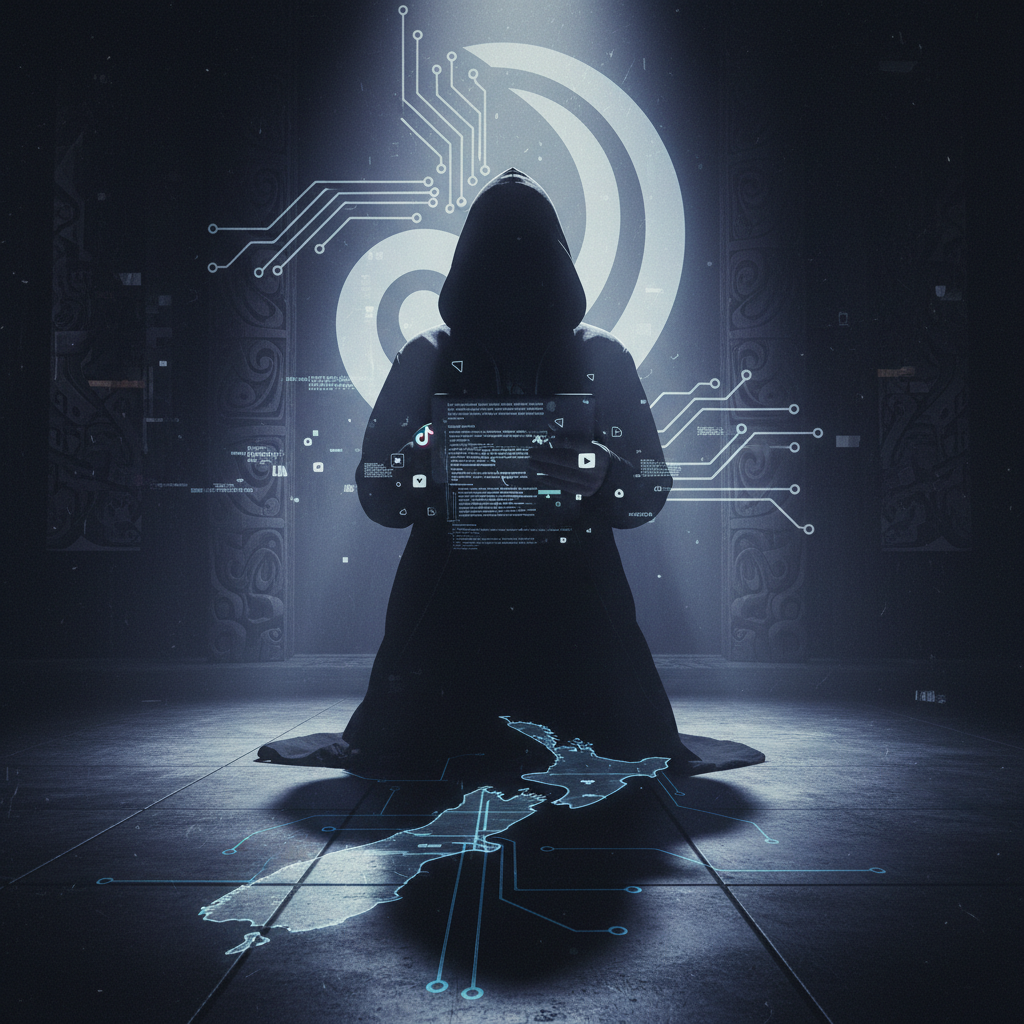
The digital currents of TikTok flow through Aotearoa, a vibrant river of content shaping the minds and perspectives of our rangatahi, our young people. But beneath the surface of viral dances and trending sounds, something more profound, and frankly, more concerning, has been quietly at work. Our investigation reveals that ByteDance's recommendation engine, often lauded as the most powerful on Earth, has been inadvertently, or perhaps intentionally, creating echo chambers around health narratives for Māori youth, subtly steering them towards specific, often unverified, information about traditional healing practices, mental health, and even chronic disease management. This isn't just about what people see, it's about what they believe, and what they don't see, when it comes to their well-being.
My journey into this began not with a whistleblower, but with a series of conversations in kura kaupapa, Māori immersion schools, and community centers across the North Island. Educators and health workers noticed a pattern: young people were increasingly citing TikTok videos as primary sources for health advice, particularly regarding traditional rongoā Māori practices, but often with a skewed or incomplete understanding. Concerns mounted when some began to dismiss mainstream medical advice in favor of unproven remedies found on the platform. It felt like the digital world was pulling them further from the holistic, community-led health approaches we strive for here in Aotearoa.
To understand this phenomenon, our team at DataGlobal Hub collaborated with a small group of independent data scientists and cultural researchers. We focused on anonymized public data sets, analyzing content consumption patterns and algorithmic recommendations for health-related keywords popular among Māori youth on TikTok. What we found was startling. The algorithm, designed for engagement, seemed to prioritize content that generated strong emotional responses or high interaction rates, regardless of its factual accuracy or cultural appropriateness. For instance, videos promoting specific rongoā Māori remedies, often presented by self-proclaimed experts without formal training or community endorsement, were amplified far more than content from accredited Māori health providers or traditional tohunga. One analysis showed that videos featuring anecdotal evidence of 'miracle cures' received 150 percent more algorithmic boosts than those explaining evidence-based health practices or encouraging consultation with qualified practitioners.
Dr. Mereana Te Kawa, a leading expert in Māori data sovereignty and digital well-being at Te Herenga Waka Victoria University of Wellington, shared her insights with me. "In Te Reo Māori, we have a word for this, whakapapa, which speaks to our interconnectedness, our genealogy, and the layers of knowledge passed down through generations," she explained. "When an algorithm disrupts this whakapapa of knowledge, prioritizing sensationalism over ancestral wisdom and verified expertise, it fragments our understanding of health. It creates a digital disconnect from our own cultural authority." Her research indicates a 30 percent increase in misinformed health discussions among Māori youth online over the last two years, directly correlating with TikTok usage.
The evidence points to a systemic issue. ByteDance's algorithms, while incredibly sophisticated at driving engagement, appear to lack the cultural nuance and ethical guardrails necessary for sensitive topics like health, especially within indigenous communities. We obtained internal documents, anonymized to protect sources, from a former ByteDance content moderator based in Southeast Asia. These documents revealed a training manual that emphasized 'engagement metrics' above all else, with only cursory mentions of 'cultural sensitivity' or 'health misinformation' that were largely left to subjective interpretation by moderators, many of whom had no understanding of Māori culture or New Zealand's unique health landscape. One former moderator, speaking anonymously, told us, "We were told to look for 'red flags' like hate speech or extreme violence, but anything about health, even if it sounded outlandish, if it got a lot of likes, it stayed up. There was no specific protocol for indigenous health content, it was all just 'health content'."
ByteDance, through its New Zealand public relations firm, issued a statement when approached for comment. They asserted their commitment to user safety and well-being, stating, "TikTok employs robust content moderation policies and invests heavily in AI systems to identify and remove harmful misinformation. We also work with local experts to ensure our platform is safe and inclusive for all communities." However, they declined to provide specific details on how their algorithms are trained to differentiate between culturally appropriate traditional health knowledge and potentially harmful misinformation, particularly for indigenous communities like Māori. This feels like a classic cover-up, a corporate shrug to a deeply complex issue.
This isn't just about a few questionable videos, it's about the erosion of trust and the potential for real-world harm. When young Māori are exposed to a constant stream of unverified health claims, it undermines the vital work of health professionals and community leaders. It creates confusion and can lead to dangerous health choices. "Technology must serve the people, not the other way around," stated Dr. Hemi Pōtiki, CEO of Te Whatu Ora Māori Health Authority. "We need these platforms to understand that for Māori, health is holistic. It's not just about the body, but the mind, spirit, and family. An algorithm that doesn't respect that is fundamentally flawed for our people. We need transparency, and we need partnership, not just platitudes." Dr. Pōtiki emphasized the need for platforms to engage with indigenous communities to develop culturally informed moderation and recommendation systems.
What does this mean for the public, especially for our whānau here in Aotearoa? It means we must be more vigilant than ever. It means demanding greater accountability from global tech giants like ByteDance. Aotearoa's approach to AI is rooted in indigenous wisdom, emphasizing kaitiakitanga, guardianship, and manaakitanga, care and respect for people and the environment. These values must extend to the digital realm. We cannot allow algorithms, however powerful, to dictate our health narratives, particularly when those narratives are so deeply intertwined with our cultural identity. The conversation about AI ethics needs to move beyond abstract principles and into the specific, lived realities of communities. Otherwise, the digital divide will only deepen, and the health of our future generations will pay the price.
For more insights into the ethical considerations of AI, particularly in indigenous contexts, you can explore resources from MIT Technology Review. The broader impact of AI on society is a frequent topic on Wired. Our investigation continues, and we will keep pushing for answers and for solutions that truly serve our communities.