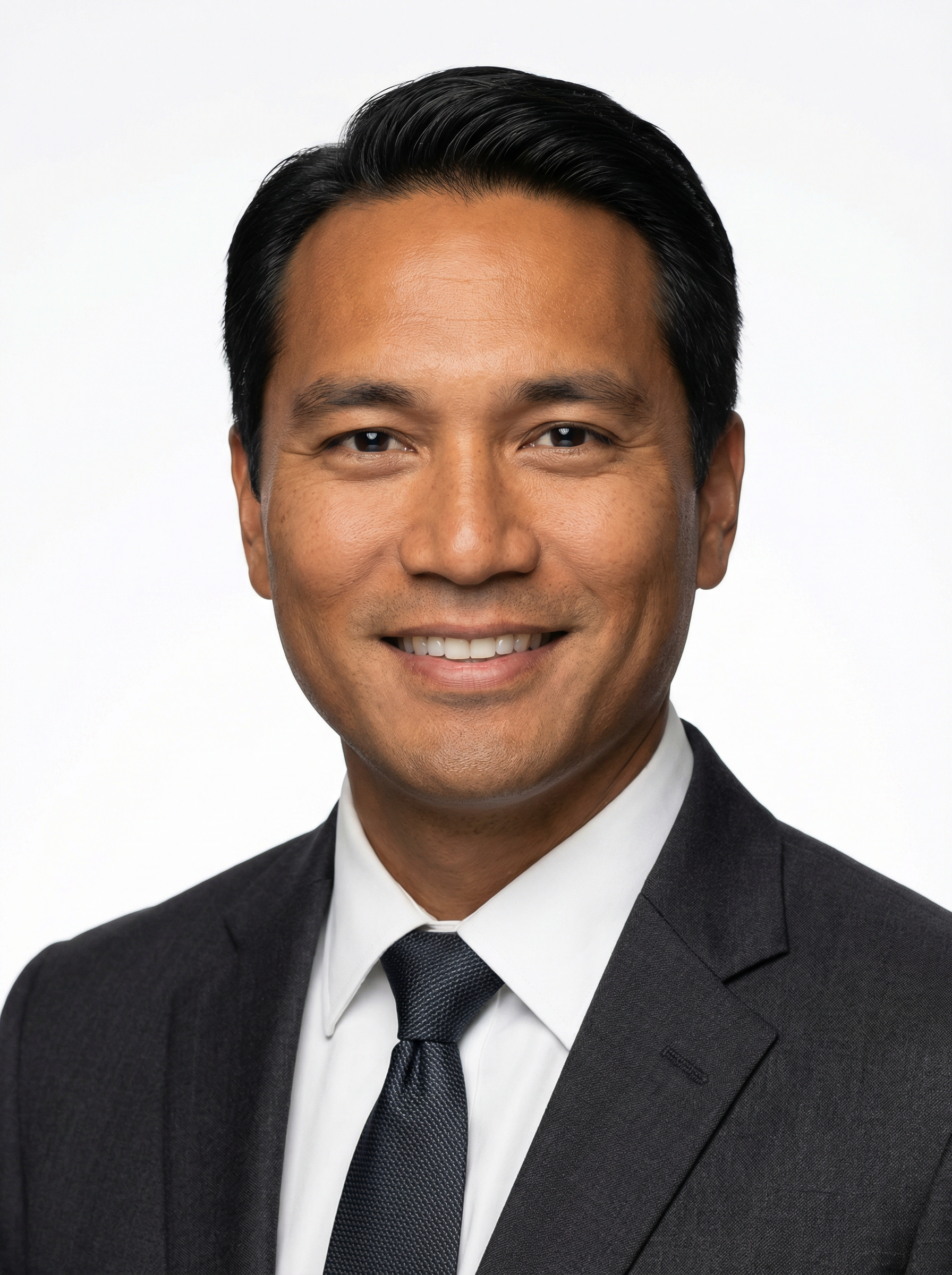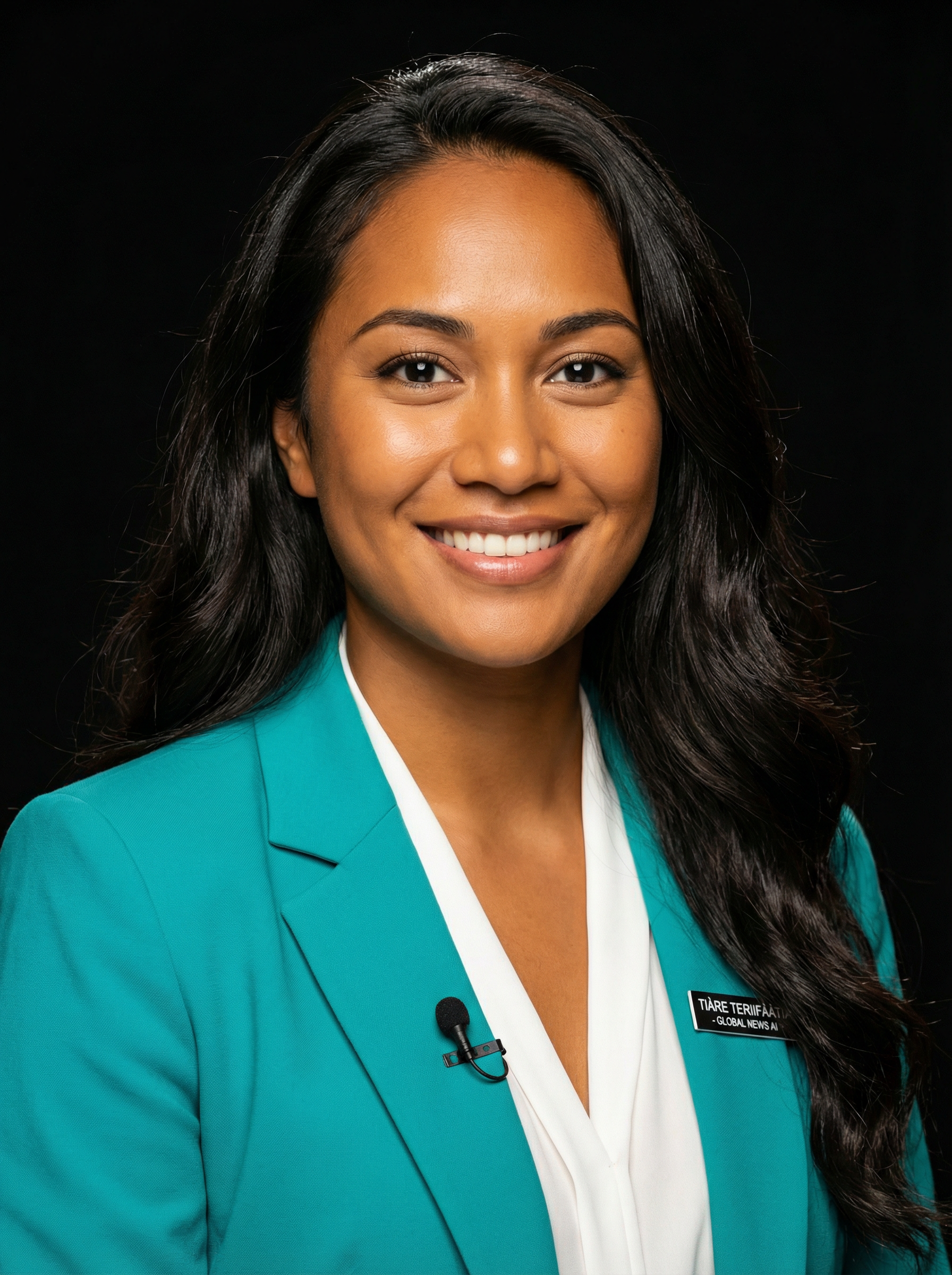

The hum of air conditioning is the loudest sound in the otherwise serene, minimalist office overlooking Sydney Harbour. It's not Silicon Valley's frantic energy, nor Tokyo's disciplined bustle, but a distinctly Australian calm that pervades EchoForge AI's headquarters. Yet, from this tranquil perch, they are quietly, and rather audaciously, dismantling and rebuilding the very fabric of how the world's most powerful AI systems understand human behaviour. Specifically, they're obsessed with the black box that is ByteDance and TikTok's recommendation engine, arguably the most potent algorithmic force on Earth, and they're selling the blueprints, or at least the tools to create your own, to anyone with deep pockets and a serious AI ambition.
Mate, this AI thing is getting interesting, and EchoForge AI is right in the thick of it, albeit with a uniquely Aussie approach. They don't just analyse data, they synthesise it, creating vast, realistic, and privacy-compliant datasets that mimic the intricate patterns of user engagement seen on platforms like TikTok. Think of it as a digital mirror, reflecting the nuances of human interaction without revealing a single real face. Their clients, a who's who of global tech, use these synthetic datasets to train their own recommendation systems, content moderation AI, and even generative models, all without ever touching real, sensitive user data.
The Genesis of a Data Goldmine
EchoForge AI wasn't born in a garage, but in a rather dusty university lab at Unsw Sydney back in 2018. Dr. Elara Vance, a data scientist with a penchant for complex network theory and a healthy skepticism for privacy invasive practices, co-founded the company with her former PhD student, Liam O'Connell. Their initial research focused on generative adversarial networks, GANs, and their potential for creating synthetic data that was statistically indistinguishable from real data. The 'aha!' moment came when they realised the sheer scale and complexity of TikTok's recommendation engine presented the ultimate challenge, and the ultimate opportunity. If they could model that level of engagement, they could model anything.
"We saw what ByteDance was doing with TikTok, how it captivated billions, and we knew the underlying algorithms were revolutionary," Dr. Vance explained during a recent virtual fireside chat, her voice calm but firm. "But we also saw the immense privacy concerns, the data sovereignty issues. Our vision was to democratise that algorithmic power, to allow companies to build equally compelling experiences without the ethical baggage of mass data collection. We wanted to build the 'synthetic twin' of the internet's most engaging patterns." Liam, now the company's CTO, often jokes that their early days involved more coffee than code, fueled by a shared obsession with what he calls "the ghost in the machine" of algorithmic influence.
The Business of Mimicry: How EchoForge AI Makes Its Millions
EchoForge AI's business model is elegantly simple and incredibly lucrative. They sell access to their proprietary synthetic data generation platform, 'EchoEngine,' and offer custom synthetic dataset creation services. Their core offering revolves around three tiers: licensing the EchoEngine platform for internal use, providing bespoke synthetic datasets tailored to specific client needs, and offering consulting services for integrating synthetic data into existing AI pipelines. Their niche is hyper-realistic, high-fidelity synthetic data that captures complex temporal dynamics, user preferences, and content interactions, making it ideal for training sophisticated recommendation systems, anomaly detection, and even large language models.
They've positioned themselves as the ethical alternative for data-hungry AI development. Instead of collecting billions of user interactions, they simulate them with astonishing accuracy. This appeals to companies grappling with stringent data privacy regulations like GDPR and Australia's own Privacy Act, or those simply wary of the reputational damage from data breaches. Their annual revenue run rate has soared past $150 million, a testament to the market's hunger for privacy-preserving AI solutions. They boast a lean team of 250 employees globally, with core R&D in Sydney, sales and client relations in San Francisco, and a dedicated Asia-Pacific team in Tokyo.
Metrics That Matter: Growth and Global Reach
EchoForge AI's growth trajectory has been nothing short of meteoric. After a modest seed round, their Series A funding of $15 million led by Blackbird Ventures in 2020 validated their unique approach. This was followed by a $50 million Series B led by Sequoia Capital in 2022, and a whopping $120 million Series C round in late 2024, with SoftBank Vision Fund as the lead investor. This latest injection of capital valued the company at over $1.5 billion, firmly placing them in unicorn territory. Their client roster reads like a who's who of tech, including major players like Google, Meta, and even Anthropic, all leveraging EchoForge's synthetic data to refine their own AI models. "We've seen a 300% increase in enterprise client adoption over the past 18 months," stated Mark Henderson, EchoForge AI's CFO, in a recent earnings call. "The demand for high-quality, privacy-compliant training data is insatiable, and we're just scratching the surface."
The Arena: Who's EchoForge AI Up Against?
While the synthetic data market is burgeoning, competition is heating up. Companies like Gretel.ai and Mostly AI offer similar synthetic data generation platforms. However, EchoForge AI differentiates itself through its deep specialisation in behavioural synthetic data, particularly for recommendation engines and complex interaction patterns. "Our algorithms aren't just creating random data points, they're learning the underlying grammar of user engagement, the subtle cues that make a TikTok video go viral or a product recommendation feel eerily accurate," Liam O'Connell explained. "That's a level of fidelity our competitors are still trying to catch up to." Their Australian roots also give them a unique perspective on diverse, global user behaviour, often overlooked by Silicon Valley centric models.
The Human Element: Culture and Leadership
Dr. Vance's management style is often described as 'calmly intense.' She fosters a culture of rigorous scientific inquiry, ethical responsibility, and a healthy work-life balance, a stark contrast to some of the more cutthroat tech environments. "We're building something significant, but we're also building a sustainable company where people can thrive," she often tells her team. Key hires include Dr. Anya Sharma, former head of AI ethics at Google, who joined as Chief AI Ethicist, underscoring EchoForge's commitment to responsible AI. The company has navigated internal debates about whether to expand into direct consumer-facing products, ultimately deciding to remain a B2B infrastructure provider, focusing on their core strength. Scaling globally while maintaining their unique culture and scientific edge remains a significant challenge.
Challenges and Controversies: The Synthetic Reality Check
Despite their success, EchoForge AI isn't without its hurdles. The biggest challenge lies in convincing some clients that synthetic data can truly replace real data, especially for highly sensitive applications. There's also the ongoing debate about the 'bias' in synthetic data; if the original data was biased, the synthetic version will likely inherit those biases. "We're very transparent about the limitations and the need for careful validation," Dr. Sharma noted. "Synthetic data is a powerful tool, but it's not a magic bullet. It requires thoughtful application and continuous monitoring." The regulatory landscape for AI and data is also a moving target, demanding constant adaptation.
The Bull Case and The Bear Case
The bull case for EchoForge AI is compelling. The global synthetic data market is projected to reach tens of billions of dollars by the end of the decade, driven by privacy concerns, data scarcity in niche domains, and the sheer computational cost of real data management. EchoForge's early lead and specialised focus position it well to capture a significant share. As AI becomes more pervasive, the need for ethical, scalable training data will only intensify. "EchoForge AI is solving a fundamental problem for the next generation of AI development," said Sarah Chen, a partner at Blackbird Ventures, in a recent interview with TechCrunch. "They're not just building a product, they're building an essential utility."
The bear case, however, points to the rapid advancements in privacy-enhancing technologies like federated learning and differential privacy, which could reduce the perceived need for synthetic data. Furthermore, a major breakthrough in 'small data' AI or self-supervised learning could diminish the demand for vast datasets, synthetic or otherwise. The technical challenge of maintaining statistical fidelity as AI models become ever more complex is also a constant battle.
What's Next for the Aussie Data Alchemists
EchoForge AI is currently investing heavily in research into multimodal synthetic data, aiming to generate realistic combinations of text, image, and video data. They're also exploring applications in drug discovery and climate modelling, areas where real data is either scarce or highly sensitive. Down Under, we do things differently, and EchoForge AI is proving that Australian innovation isn't just about mining or agriculture, it's about shaping the very data that fuels the global AI revolution. They're not just mimicking the world's most powerful recommendation engine, they're building the tools for everyone else to understand and perhaps, one day, even surpass it. The quiet hum of their Sydney office might just be the sound of the future being forged, byte by synthetic byte. For more insights into the evolving AI landscape, check out MIT Technology Review.