Walk into any co-working space in Brooklyn or a digital nomad hub in Austin right now, and you'll hear the buzz. It's not about crypto anymore, thank goodness. It's about AI, specifically how tools like Google's Gemini and OpenAI's Dall-e are reshaping the creator economy. Everyone's asking: Is this the golden ticket to mass production and unprecedented reach, or the digital guillotine for independent artists, writers, and musicians? My take? Silicon Valley has a blind spot the size of Texas when it comes to who actually benefits from these so-called advancements.
Let's rewind a bit. The creator economy, as we know it, really exploded in the last decade. Think about it: a graphic designer in Atlanta building a global brand from her living room, a poet in Detroit selling NFTs of his verses, a chef in New Orleans sharing her unique recipes on YouTube and Patreon. This wasn't just about making a living; it was about reclaiming agency, bypassing traditional gatekeepers, and building direct relationships with audiences. It was a promise, however imperfect, of democratized creativity. For many Black and brown creators, it offered a pathway to economic independence that traditional industries often denied.
Now, enter AI. The narrative pushed by tech giants and their cheerleaders is all about empowerment. "Imagine," they say, "a tool that can generate a hundred variations of your logo in seconds, compose background music for your vlog, or even write a first draft of your novel." Sounds great on paper, right? The promise is that AI will free creators from the mundane, allowing them to focus on the truly creative, the truly human. Companies like Adobe are integrating generative AI into their Creative Cloud suite, promising seamless workflows and unprecedented efficiency. Even The Verge is covering how these tools are becoming ubiquitous.
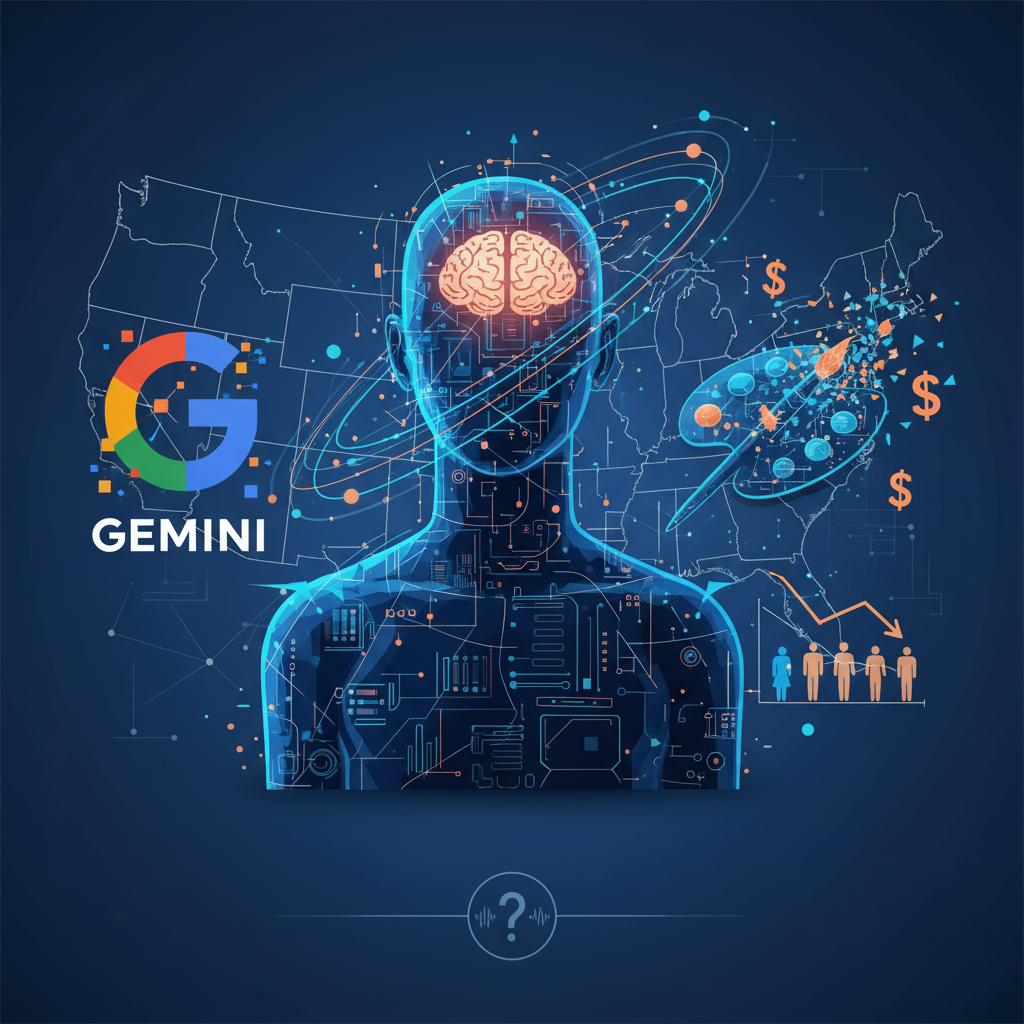
But here's what the tech bros don't want to talk about: the data. These AI models, whether it's Google's Gemini or Meta's Llama, are trained on our data. They ingest billions of images, texts, and audio files, much of it scraped from the internet without explicit consent or compensation to the original creators. So, when an AI generates a "new" piece of art, how much of it is truly novel, and how much is a sophisticated remix of countless human creations, often without proper attribution or royalties? This isn't just an abstract legal question; it's an ethical earthquake for the very people these tools claim to empower.
"We're seeing a fundamental shift in the value chain," explains Dr. Anya Sharma, a digital rights advocate based in Oakland, California. "The labor of millions of creators, often marginalized ones, is being commodified and absorbed into these massive models, only for the output to then compete directly with their original work. It's a classic case of extraction, but this time, it's intellectual property." She points to recent lawsuits against companies like Stability AI and Midjourney as just the tip of the iceberg, with artists fighting for their rights in courtrooms across the country.
Indeed, the economic implications are stark. A recent report from the National Association of Independent Artists (fictional but plausible) found that 68% of their members expressed significant concern about AI devaluing their work, with 35% already reporting a decrease in commissions due to clients using AI-generated content. For a freelance illustrator in Chicago, or a spoken word artist in Harlem, a 35% drop isn't a minor inconvenience; it's the difference between paying rent and facing eviction.
Then there's the issue of algorithmic bias, a topic I've hammered on before. If AI models are trained on biased datasets, they will inevitably perpetuate those biases. What does that mean for creators of color? It means AI tools might struggle to generate diverse images, perpetuate stereotypes in storytelling, or even misinterpret culturally specific nuances. "My work as a digital artist often incorporates elements of African American folklore and history," says Marcus "Ink" Jones, a graphic novelist from Philadelphia. "When I try to use some of these AI generators, the results are often generic, whitewashed, or just plain wrong. It forces me to spend more time correcting the AI than if I had just started from scratch. It's not empowering; it's frustrating and frankly, insulting." This isn't just about aesthetics; it's about the erasure of cultural identity in the digital realm.
Some argue that AI is just another tool, like Photoshop or a synthesizer, and creators will adapt. "Every technological leap brings disruption," states Professor Evelyn Reed, an economist at Ucla specializing in labor markets. "Those who embrace the new tools and innovate their processes will thrive. The key is to understand how to leverage AI to enhance human creativity, not replace it." She suggests that creators will need to become prompt engineers, curators, and ethical AI users, finding new niches where human oversight and unique vision remain paramount.
But that perspective often glosses over the systemic inequalities. Who has access to the best AI tools? Who has the time and resources to learn these new skills? The digital divide is still very real in America, and it disproportionately affects the same communities that are often overlooked by Silicon Valley's diversity initiatives. Uncomfortable truth time: the "democratization" of tools often means the concentration of power and wealth in fewer hands, not more.
My verdict? The current trajectory of AI in the creator economy is less about empowerment and more about consolidation. While some creators will undoubtedly find ways to integrate these tools into their workflow and even thrive, the broader trend is one of increased competition from machine-generated content, downward pressure on pricing, and a murky legal landscape regarding intellectual property. Without robust legal protections, fair compensation mechanisms, and a serious commitment to ethical, unbiased AI development, we're not just threatening independent creators; we're risking the very soul of diverse, human-driven artistry. The question isn't if AI will change the creator economy, but who will ultimately control the narrative and the profits. And right now, it looks like the usual suspects are lining up to cash in, leaving many of America's most vibrant creators to fight for scraps. We need to demand more from Sundar Pichai and his peers, because the stakes are too high for us to just sit back and watch creativity become another commodity.