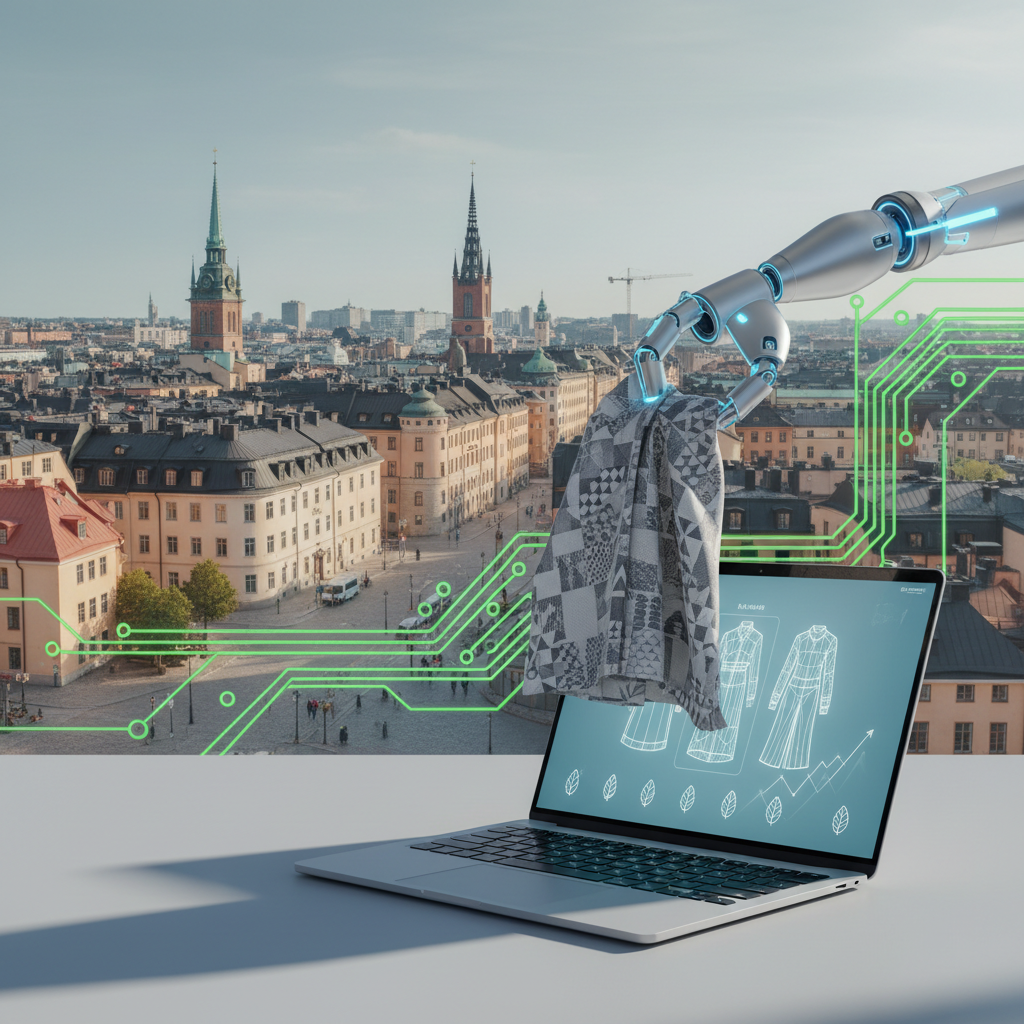

The Vltava River, a symbol of Prague's enduring spirit, flows steadily, yet its pace is a gentle reminder of time's relentless march. For the Czech Republic, and indeed for much of Europe, this march is increasingly defined by an aging demographic. Our population, like many across the continent, is growing older, presenting profound challenges to healthcare systems, social structures, and economic stability. It is here, at this intersection of demographic reality and technological ambition, that artificial intelligence emerges not merely as a tool, but as a potential architect of our future eldercare.
According to Eurostat projections, by 2050, the share of people aged 65 and over in the European Union is expected to reach nearly 30 percent. In the Czech Republic, this figure is projected to be even higher, nearing 33 percent. This demographic shift places immense pressure on traditional care models, which are already strained by labor shortages and rising costs. The question is no longer if we need new solutions, but how quickly we can implement them, and what form they will take.
Eldercare robots are perhaps the most visible, and sometimes the most contentious, aspect of this technological revolution. Imagine a small, unassuming device, perhaps resembling a friendly pet or a simple tablet, capable of reminding an elderly individual to take their medication, initiating video calls with family, or even detecting a fall and alerting emergency services. These are not concepts from science fiction, but prototypes and products already in deployment. In Japan, for instance, robotic caregivers have been assisting the elderly for years. Here in Central Europe, we are observing these developments with keen interest, adapting them to our own cultural nuances.
"The integration of robotics into eldercare is not about replacing human connection, but augmenting it, especially where human resources are scarce," explains Dr. Eliška Kovářová, Head of Robotics at the Czech Technical University in Prague. "Our research focuses on creating intuitive, non-intrusive systems that enhance independence and provide peace of mind. For example, our 'Pavel' prototype, a small mobile assistant, can navigate a home environment, monitor vital signs, and engage in simple conversational interactions. It is designed to be a helpful presence, not a substitute for a loved one." Dr. Kovářová's team is currently piloting 'Pavel' in several assisted living facilities in the Central Bohemian Region, gathering crucial user feedback.
Beyond the physical presence of robots, AI is making significant inroads into longevity research, aiming to extend not just lifespan, but 'healthspan', the period of life spent in good health. This involves complex genomic analysis, personalized medicine, and predictive analytics. Companies like Calico, backed by Google, and various startups across Europe are pouring billions into understanding the fundamental mechanisms of aging. AI algorithms are sifting through vast datasets of genetic information, lifestyle factors, and medical histories to identify biomarkers and therapeutic targets that could slow or even reverse age-related decline. The promise is not eternal youth, but a longer, more vibrant life, free from the debilitating diseases often associated with old age.
"The sheer volume of biological data generated by modern research is beyond human capacity to process effectively," states Professor Jan Marek, a computational biologist at Charles University in Prague. "AI, particularly machine learning, acts as our microscope and our telescope, revealing patterns and correlations that were previously invisible. We are using AI to accelerate drug discovery for age-related diseases, to personalize nutritional plans based on an individual's genetic makeup, and to predict disease onset years in advance. The Czech approach is methodical and effective, focusing on robust data validation and ethical deployment." This data-driven approach is critical, ensuring that promising leads are rigorously tested before moving to clinical trials.
Healthcare AI, in a broader sense, encompasses a spectrum of applications designed to improve diagnostics, treatment planning, and administrative efficiency. For our aging population, this means AI-powered diagnostic tools that can detect early signs of Alzheimer's disease or Parkinson's disease from subtle changes in speech patterns or gait. It means AI systems that optimize hospital resource allocation, reducing wait times and improving patient flow. It also means virtual assistants that help patients manage chronic conditions, providing tailored advice and support from the comfort of their homes.
Consider the administrative burden on our healthcare professionals. A significant portion of a doctor's or nurse's time is spent on paperwork, scheduling, and data entry. AI-driven solutions can automate many of these tasks, freeing up valuable human capital to focus on direct patient care. This is not merely an efficiency gain, but a humanitarian one, allowing caregivers to spend more quality time with those they serve. Reuters recently reported on a German hospital chain that reduced administrative overhead by 15% using AI, reallocating staff to patient-facing roles.
However, the path forward is not without its challenges. The ethical implications of deploying AI in such sensitive areas are profound. Questions of data privacy, algorithmic bias, and the potential for over-reliance on technology must be carefully addressed. Who is accountable when an AI system makes an error in diagnosis or care? How do we ensure that these technologies are accessible to all, regardless of socioeconomic status, and do not exacerbate existing inequalities? These are not trivial concerns, and Prague's engineering tradition meets modern AI with a strong emphasis on responsible innovation and public dialogue.
Furthermore, the human element remains paramount. While robots can assist with physical tasks and AI can process data, the emotional and psychological needs of the elderly require genuine human connection. The warmth of a hand, the comfort of a familiar voice, the shared laughter over a cup of Turkish coffee, these are experiences that no algorithm can replicate. The goal, therefore, must be a symbiotic relationship, where technology supports and enhances human care, rather than diminishing it.
As we look to the future, the integration of eldercare robots, longevity research, and healthcare AI offers a beacon of hope for navigating the demographic shifts ahead. It promises a future where our seniors can live with greater independence, dignity, and access to advanced medical care. However, this future demands careful consideration, ethical frameworks, and a commitment to ensuring that technology serves humanity, not the other way around. The challenge for the Czech Republic, and for Europe, is to harness these powerful tools wisely, building a system that is both technologically advanced and deeply compassionate. We must ensure that as the Vltava continues its flow, our society adapts with grace, wisdom, and an unwavering commitment to the well-being of all its members.