The digital tide, as I often say, washes over all shores, even our most remote ones. For years, we've heard the whispers, then the shouts, about artificial intelligence reshaping industries. But nowhere does that impact feel more personal, more immediate, than when it touches our ability to find work, to put food on the table, to build a future for our families. That's why the recent flurry of lawsuits and the looming shadow of regulation around AI bias in hiring, particularly against giants like Google and Amazon, isn't just news; it's a seismic shift that demands our attention.
The Headline Development: When the Algorithm Says 'No'
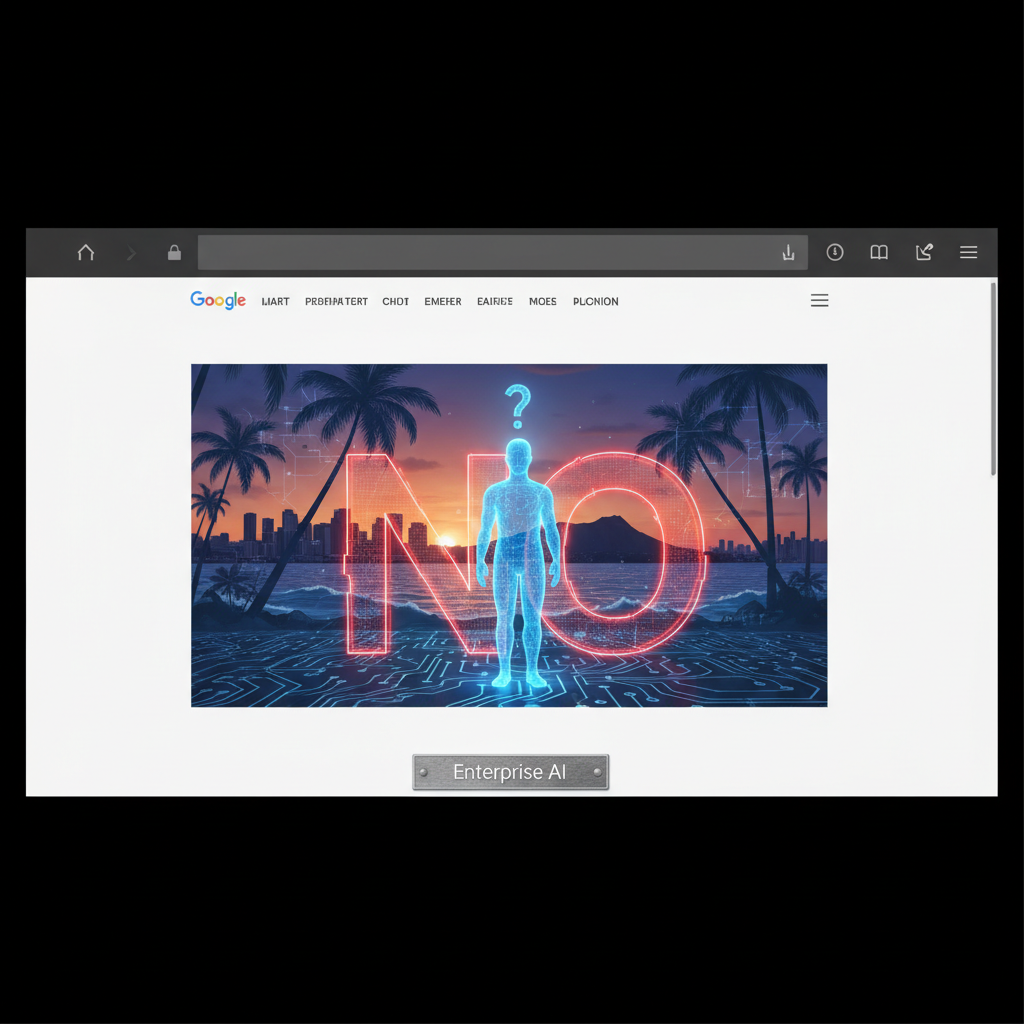
Just last month, a class-action lawsuit was filed in California alleging that a major tech company's AI-powered hiring platform systematically disadvantaged candidates over the age of 40, leading to a staggering 25% reduction in interview invitations for older applicants compared to their younger counterparts with similar qualifications. This isn't an isolated incident. We've seen similar claims against other large corporations, including a high-profile case involving Amazon's experimental recruiting tool back in 2018, which reportedly showed bias against women. More recently, in April 2026, a coalition of civil rights groups announced they are preparing to challenge OpenAI and Microsoft over alleged discriminatory patterns in their enterprise-level HR solutions, claiming these systems perpetuate existing societal biases, particularly against indigenous and minority groups, by prioritizing resumes with specific, often culturally Eurocentric, keywords and experiences.
These aren't just technical glitches; they are fundamental flaws in systems designed to be objective. The New York City Department of Consumer and Worker Protection, for instance, recently finalized rules for its pioneering Local Law 144, which requires independent audits of automated employment decision tools for bias. This kind of regulatory action, once unthinkable, is becoming the norm, not the exception. The European Union's AI Act, set to fully deploy by 2027, will also classify AI hiring tools as 'high-risk,' demanding rigorous compliance and transparency measures. The message is clear: the Wild West of AI hiring is over. Regulators are saddling up.
Why Most People Are Ignoring It: The Attention Gap
Here's the thing about AI bias: it's often invisible until it's too late. It's not a loud, dramatic explosion; it's a quiet, insidious erosion of opportunity. People aren't ignoring it out of malice, but out of a lack of awareness. The average person, especially here in Hawaii, is busy navigating rising costs of living, balancing multiple jobs, and caring for their 'ohana. The intricacies of algorithmic fairness, the subtle ways a machine learning model can inherit and amplify human prejudice, feel abstract, distant. They hear about AI and think about self-driving cars or ChatGPT, not the invisible gatekeeper deciding their next job interview. The tech world, with its jargon and rapid pace, often feels like a distant galaxy, far from our volcanic shores. This attention gap is dangerous, because while we're not looking, the foundations of our future workforce are being laid, potentially on shaky ground.
How It Affects YOU: Personal Impact on Readers
Make no mistake, this isn't just a Silicon Valley problem. It's a problem that will ripple through every community, including ours. Imagine applying for a job at a local hotel, a major hospital, or even a state government agency here in Hawaii. Many of these organizations are already implementing or exploring AI-powered tools for everything from resume screening to initial candidate assessments. If these systems carry biases, perhaps unknowingly, against someone with a non-traditional resume, a local degree, or even a name that sounds 'unfamiliar' to the algorithm's training data, then qualified individuals from our own communities could be systematically overlooked. This could mean fewer opportunities for our keiki, fewer chances for our kupuna to re-enter the workforce, and a narrowing of the pathways to prosperity for everyone. Your next job application might not be rejected by a human, but by a line of code that doesn't understand the nuance of your experience or the value of your cultural background.
The Bigger Picture: Societal, Economic, or Political Implications
The societal implications are profound. If AI hiring tools become ubiquitous and remain biased, they will exacerbate existing inequalities, creating a permanent underclass of individuals locked out of certain industries or opportunities. Economically, this means a less diverse, less innovative workforce. Companies that rely on biased AI will miss out on top talent, leading to stagnation. Politically, the push for regulation will only intensify, potentially leading to a patchwork of laws that stifle innovation or create compliance nightmares for businesses. The very idea of meritocracy, already a complex concept, becomes a cruel joke if the gatekeepers are algorithms programmed with our past prejudices. This is particularly critical for places like Hawaii, where a diverse, multicultural workforce is not just an ideal, but a lived reality and a source of strength. We cannot afford to have technology erode that strength.
What Experts Are Saying