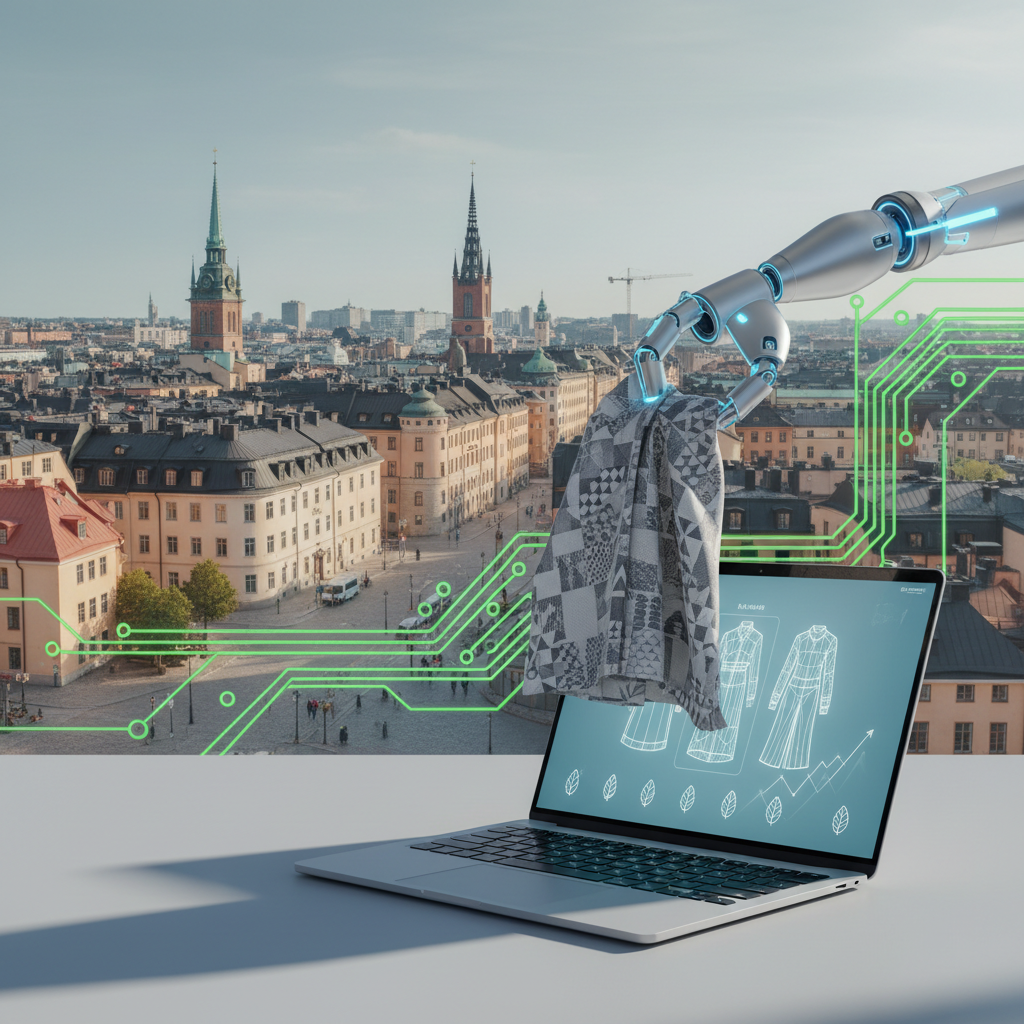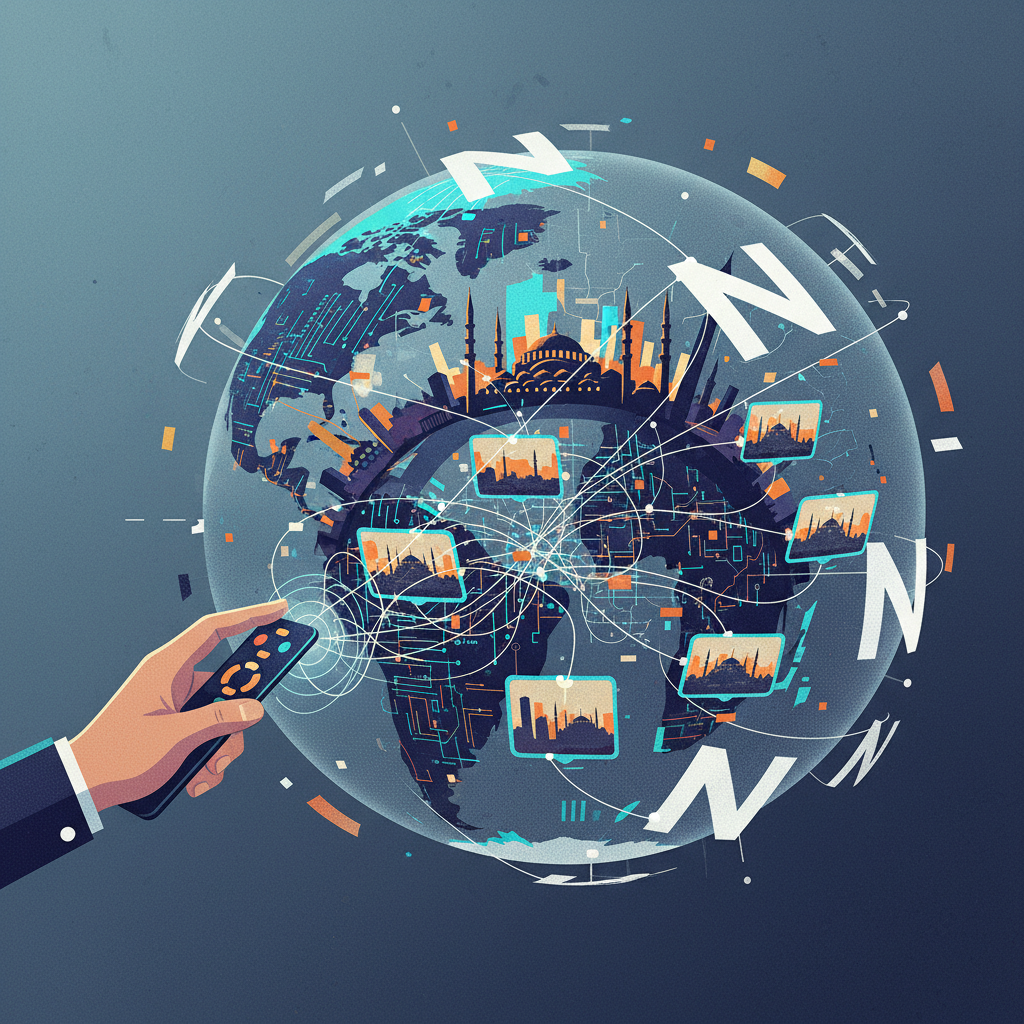
The Bosphorus has always been a crossroads, a place where cultures clash, merge, and evolve. It is a place of endless stories, told and retold through generations. Now, in this digital age, another kind of crossroads is emerging, one built not of stone and water, but of data and algorithms. It is the invisible architecture of platforms like Netflix, and its implications for how we understand ourselves and the world are far more profound than most realize.
For too long, we have treated Netflix's recommendation engine as a benign, helpful friend, a digital concierge guiding us to our next binge. “Oh, it just knows what I like,” we say, as if by magic. But this is not magic, it is machine learning, a sophisticated system designed to predict and influence our choices. And here is my opinion, a bold one perhaps, but one I believe needs to be stated clearly: Netflix's AI-driven content strategy, while brilliant for engagement and retention, is also quietly constructing our perception of reality, creating digital echo chambers that could, if left unchecked, erode the very diversity of thought and culture that platforms claim to celebrate.
Consider this: Netflix reportedly invests hundreds of millions, if not billions, into its content recommendation systems. Their algorithms analyze everything, from what you watch, when you watch it, how long you watch, what you search for, and even how you interact with the user interface. This data feeds models that then curate your homepage, suggesting shows and films that are statistically most likely to keep your eyes glued to the screen. The goal is simple: maximize watch time and minimize churn. From a business perspective, it is genius. From a societal perspective, particularly for a nation like Turkey, with its rich tapestry of history and competing narratives, it is a cause for deep concern.
My fear is not that we will only see Turkish dramas or only Hollywood blockbusters. My fear is that the algorithm, in its relentless pursuit of engagement, will narrow our horizons, showing us only what reinforces our existing biases, or worse, what subtly nudges us towards a particular worldview. Imagine if a significant portion of a younger generation in Turkey, or indeed anywhere, is primarily exposed to narratives and cultural representations filtered through an algorithm optimized for global appeal, or worse, for a specific, often Western-centric, lens. What happens to local storytelling, to nuanced historical perspectives, to the very fabric of our unique cultural identity?
Some might argue that this is an overreaction. They would say that Netflix offers unparalleled choice, a vast library that far exceeds what traditional broadcasters could ever provide. They would point to the success of Turkish productions like The Gift or Ethos on the global stage, evidence that the algorithms can indeed promote diverse content. And they would not be entirely wrong. The platform has undoubtedly provided a global platform for voices that might otherwise have remained unheard. As Reuters reported recently, the streaming wars are increasingly fought on the battleground of AI, with recommendation engines being the primary weapon.
However, I believe this argument misses the forest for the trees. The issue is not the availability of content, but its discoverability and prominence. If the algorithm decides that a particular genre or theme is more likely to keep you watching, it will prioritize that, regardless of its cultural or intellectual merit. We are not actively choosing from a vast library; we are choosing from a curated menu, designed by an invisible hand. This is not about censorship in the traditional sense, but about algorithmic gatekeeping, a subtle yet powerful form of influence.
“The power of these algorithms is that they are constantly learning and adapting, making them incredibly effective at predicting user behavior,” stated Dr. Ayşe Demir, a leading AI ethicist at Boğaziçi University in Istanbul, during a recent digital ethics conference. “But this effectiveness comes with a responsibility to consider their broader societal impact, especially in diverse cultural contexts. We need transparency, and we need mechanisms for accountability.” Her words resonate deeply with my own observations.
We need to ask ourselves: are we comfortable with a foreign-owned algorithm, however sophisticated, playing such a significant role in shaping the cultural diet of our citizens? This is not about nationalism, it is about cultural sovereignty. It is about ensuring that our children are exposed to a rich, diverse, and representative tapestry of stories, not just the ones that generate the most clicks or longest watch times.
My vision for Turkey is one where we are not just consumers of global tech, but active shapers and innovators. Istanbul's tech ambitions are massive and realistic, and they extend to understanding and influencing the algorithms that shape our digital lives. We need to foster local AI talent, develop our own recommendation systems, and demand greater transparency and ethical oversight from global platforms operating within our borders. This is not merely a technical challenge, but a philosophical one, a question of who controls the narrative.
Consider the words of Cem Yılmaz, Turkey's beloved comedian and filmmaker, who once quipped about the internet, “It’s like a huge library where everyone is talking at once, and the librarian only shows you books that match your last purchase.” While said in jest, it perfectly encapsulates the algorithmic dilemma. The librarian, in this case, is Netflix's AI.
This is where the Ottoman approach to AI empire-building comes into play, not in conquest, but in strategic influence and cultural preservation. Just as the Ottomans understood the importance of controlling trade routes and cultural exchange, we must understand the importance of controlling our digital information flows. We cannot allow our cultural narratives to be solely dictated by profit-driven algorithms developed in distant lands.
What is the solution then? It is multifaceted. Firstly, we need greater algorithmic literacy among the general public. People need to understand how these systems work and how they influence perception. Secondly, governments and regulatory bodies, both in Turkey and globally, must push for more transparency from platforms like Netflix. We need to know what data is being used, how models are trained, and what biases might be embedded within them. Thirdly, we must invest heavily in local content creation and distribution platforms that prioritize cultural relevance and diversity over pure engagement metrics. Turkey is building the future at the crossroads, and that future must include robust, culturally sensitive AI systems.
This is not a call to abandon Netflix, far from it. It is a call to awaken, to recognize the profound power of these invisible architects, and to demand that they serve humanity, not just shareholder value. If we fail to do so, we risk waking up one day to find that our collective worldview has been subtly, yet irrevocably, reshaped by lines of code we never questioned. The stories we tell ourselves, and the stories we are told, define us. We must ensure that those stories are truly our own.