Ah, la bella figura. It is not just about how you present yourself, it is about the integrity, the respect, the very essence of who you are. Here in Italy, we value the human touch, the personal connection, the nuanced understanding that comes from looking someone in the eye. So, imagine my concern, and indeed the concern of many across our beautiful peninsula, when we hear whispers, then shouts, about algorithms making hiring decisions. Not just making them, mind you, but making them with a bias, a prejudice etched into their very code.
This is not some distant Silicon Valley problem. This is happening right here, right now, affecting real people, real families, real careers. The promise of artificial intelligence in recruitment was so seductive: a faster, more objective way to sift through thousands of applications, to find the perfect match without human error or prejudice. But what we are discovering, with growing alarm, is that these digital gatekeepers often mirror and even amplify the biases of the past. It is like trying to make a perfect espresso with stale beans; the machine might be new, but the result is still bitter.
Consider the case of a young woman, let us call her Sofia, from Naples. Bright, ambitious, with a degree in engineering, she applied for numerous positions at a large multinational firm with offices in Rome. She used their online portal, which, unbeknownst to her, employed an AI-powered screening tool. Sofia found herself consistently rejected, often without even an interview, despite her excellent qualifications. Later, an investigation revealed that the AI, trained on historical hiring data, had a subtle but significant preference for male candidates, particularly those from specific universities that historically had fewer female graduates. Sofia was not judged on her merits, but on the statistical shadows of past inequalities. This is not progress, my friends, this is a step backward, dressed in digital clothes.
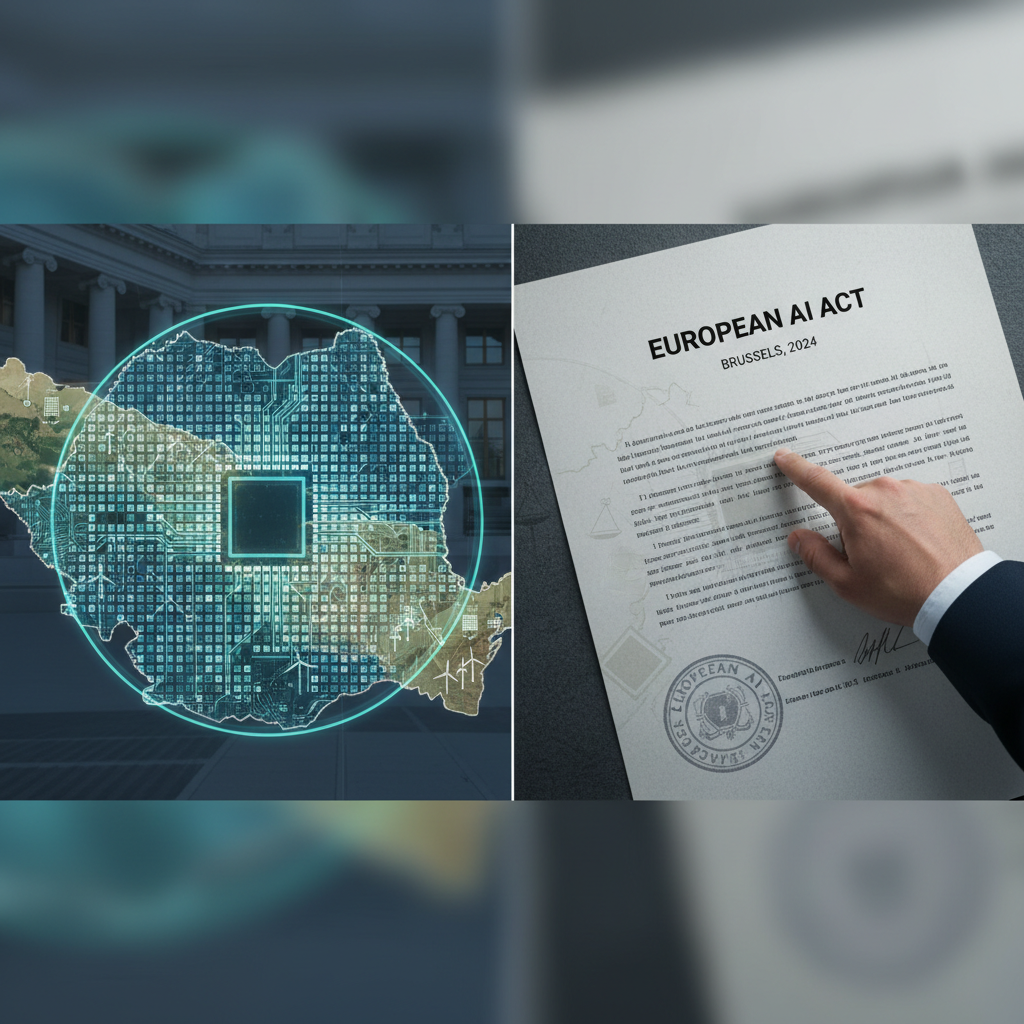
The European Union, always keen to protect its citizens, has been grappling with this issue. The much-discussed EU AI Act, expected to be fully implemented by 2026, classifies AI systems used in employment and worker management as “high-risk.” This means they will be subject to stringent requirements, including human oversight, data governance, transparency, and fundamental rights impact assessments. It is a monumental effort to put guardrails around a technology that, left unchecked, could erode the very fabric of our society. As Dr. Andrea Renda, a senior research fellow at the Centre for European Policy Studies, recently stated, “The EU AI Act is not just about regulating technology; it is about safeguarding our democratic values and ensuring that AI serves humanity, not the other way around.” His words resonate deeply here, where human dignity is paramount.
But regulation, while essential, is only one part of the story. Lawsuits are also starting to emerge, challenging these biased systems. In the United States, we have seen cases like the one against Amazon, which reportedly abandoned an AI recruiting tool after discovering it discriminated against women. Here in Europe, while specific high-profile cases are still developing, the legal landscape is shifting. Data protection authorities, like our own Garante per la protezione dei dati personali, are becoming increasingly vigilant. They are scrutinizing companies that deploy AI in sensitive areas like employment, ready to impose hefty fines for non-compliance with GDPR and other privacy regulations. The threat of legal action, coupled with reputational damage, is forcing companies to take a long, hard look at their algorithmic practices.
I spoke recently with Dr. Elena Rossi, a leading expert in AI ethics at the Polytechnic University of Milan. In a workshop in Milan, she emphasized the critical need for diverse datasets and continuous auditing. “The problem is not the AI itself, but the data it learns from,” she explained. “If your historical hiring data reflects past biases, the AI will simply learn and perpetuate those biases. We must be proactive in identifying and mitigating these issues, not just reactive after harm has been done.” Her point is crucial: the algorithms are not inherently evil, they are reflections of our own imperfect world. It is our responsibility to teach them better.
Italy does AI differently, with style, and with a deep understanding of human values. We are not just consumers of technology; we are creators, innovators, always seeking to infuse our work with beauty and purpose. This is why the conversation around ethical AI, particularly in hiring, feels so urgent here. We want technology to enhance human potential, not diminish it. We want to ensure that la dolce vita meets machine learning in a way that truly benefits everyone, not just a select few.
Startups across Italy are also joining the fight. Companies like FairSquare AI, based in Turin, are developing tools specifically designed to audit and de-bias AI hiring algorithms. They work with businesses to analyze their existing systems, identify discriminatory patterns, and suggest improvements. Their approach is rooted in transparency and explainability, aiming to demystify the “black box” of AI decision-making. This proactive, collaborative spirit is what we need more of.
The stakes are incredibly high. If AI-driven hiring becomes pervasive without proper oversight, we risk creating a future where opportunities are determined not by talent or effort, but by an algorithm’s flawed interpretation of historical data. This could exacerbate social inequalities, stifle innovation, and fundamentally undermine the principle of meritocracy. It is a future where Sofia, and countless others like her, might never get a fair shot.
The conversation around AI bias in hiring is complex, touching upon technology, law, ethics, and human rights. It requires vigilance from regulators, innovation from technologists, and awareness from the public. The EU AI Act, with its comprehensive framework, represents a significant step forward, setting a global precedent for responsible AI governance. Companies are slowly but surely realizing that ignoring these issues is no longer an option, not with the threat of lawsuits and regulatory fines looming. The reputational cost alone can be devastating, a wound that takes years to heal.
As we move deeper into this digital age, it is imperative that we remember the human element. Technology should serve us, not rule us. The quest for fairness in AI hiring is not merely a technical challenge; it is a moral imperative. It is about ensuring that the future of work, shaped by algorithms, still has room for the unique spark, the individual talent, and the inherent dignity of every single person. It is about making sure that when an algorithm judges, it does so with justice, not prejudice. And that, my friends, is a future worth fighting for. For more insights into how technology is shaping our world, you can always visit DataGlobal Hub or explore the latest research on MIT Technology Review. The journey towards truly ethical AI is long, but here in Italy, we are ready to lead with heart and intelligence.