
The gods of Olympus would have loved this AI drama, I tell you. Imagine Zeus, with his thunderbolts and his endless affairs, trying to navigate a TikTok feed. He would be utterly captivated, probably by short videos of mortals doing ridiculous dances or perhaps by AI-generated prophecies delivered by a digital oracle. The sheer power of ByteDance's TikTok algorithm, this digital siren song, is something truly ancient in its allure, yet terrifyingly modern in its execution.
Here in Greece, where we practically invented logic and philosophy, we are watching this phenomenon with a mixture of fascination and a healthy dose of skepticism. TikTok, powered by its formidable AI, has become more than just an app. It is a cultural force, a global brain-drain of attention, and arguably, the most potent recommendation engine ever devised. It knows what you want before you even do, serving up an endless stream of content so perfectly tailored it feels like magic. Or, perhaps, like a very sophisticated form of digital puppetry.
Recent reports suggest that TikTok now commands over 1.5 billion active users worldwide, with a staggering 70% of those users engaging daily for an average of 90 minutes. In Greece alone, penetration rates among younger demographics are approaching 80%, a figure that would make any traditional media mogul weep into their morning coffee. This isn't just about entertainment; it's about influence, commerce, and the very fabric of our attention economy. "The algorithm's ability to predict and shape user preferences is unprecedented," notes Dr. Eleni Stavropoulou, a leading AI ethicist at the National Technical University of Athens. "It's a feedback loop of desire, constantly refined, constantly optimized. We are witnessing a new form of digital persuasion on a scale we've never seen."
What makes TikTok's algorithm so uniquely powerful? It's not just about what you explicitly like. It's about how long you watch a video, whether you rewatch it, if you share it, if you comment, and even the subtle movements of your finger as you scroll past. This granular data, fed into a complex neural network, allows ByteDance to create an eerily accurate profile of your interests, your mood, and even your subconscious biases. It's a digital oracle, yes, but one that doesn't just predict the future; it actively shapes it.
Consider the economic implications. Small Greek businesses, from olive oil producers in Crete to artisan jewelers in Thessaloniki, have found unexpected global audiences through TikTok. A simple video showcasing a family recipe or a handcrafted item can go viral, bringing in orders from across Europe and beyond. This democratizing effect is undeniably positive. "We saw a 300% increase in online sales after our 'making feta' video hit a million views," beams Yiannis Petrakis, owner of a small dairy farm in Arcadia. "It's like having a global market stall, but without the shipping costs for the stall itself. ByteDance gave us that reach."
However, the flip side is equally compelling, and perhaps more concerning. The same algorithm that can uplift a small business can also amplify misinformation, create echo chambers, and foster addictive behaviors. The constant chase for viral content can lead to increasingly outlandish or controversial acts, all in the name of algorithmic engagement. "The pursuit of algorithmic virality often bypasses critical thinking," warns Professor Nikos Demetriou, a media studies expert at the Aristotle University of Thessaloniki. "It prioritizes immediate emotional response over nuanced understanding, which has profound implications for public discourse and democratic processes."
This is where Greece to Silicon Valley: we invented logic, remember? Our ancient philosophers would have debated the very nature of such an algorithm. Is it a tool for enlightenment or a sophisticated mechanism for manipulation? Plato's cave allegory comes to mind, where shadows on the wall are mistaken for reality. Are we, the users, merely watching shadows projected by an algorithm, believing them to be the full truth of the world? The personalized nature of the feed means each user lives in their own unique algorithmic cave, making shared reality increasingly fractured.
The geopolitical implications are also significant. With ByteDance being a Chinese company, concerns about data sovereignty and national security have been a persistent hum in the background of global tech discussions. While ByteDance maintains that user data is stored securely and not accessible by the Chinese government, the sheer volume and intimacy of the data collected raise legitimate questions for governments and privacy advocates worldwide. The European Union, with its stringent GDPR regulations, has been particularly vigilant, imposing fines and demanding greater transparency from platforms like TikTok. The digital borders are far more porous than geographical ones, and the flow of information is a powerful currency.
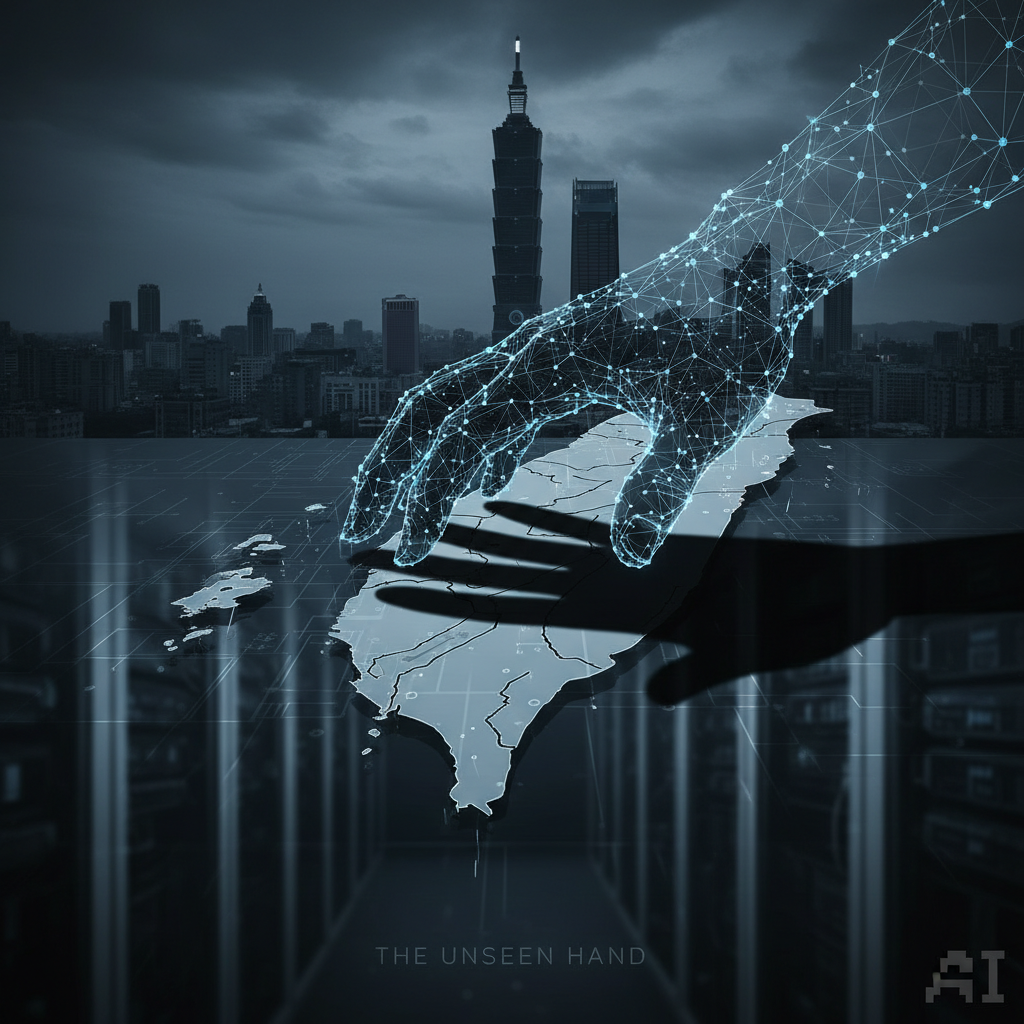
What does this mean for the future? We are in uncharted waters. The power of algorithms like TikTok's will only grow, becoming more sophisticated, more predictive, and more integrated into our daily lives. From personalized education modules to hyper-targeted political campaigns, the recommendation engine is no longer just for cat videos. It is becoming the unseen hand guiding our choices, our beliefs, and our perception of reality.
Pass the ouzo, this tech news requires it. We need to be vigilant, to understand the mechanics of these digital systems, and to demand transparency and accountability from the companies that wield such immense power. It's not enough to simply enjoy the entertainment or the economic benefits. We must ask ourselves what kind of digital society we are building, and whether these powerful algorithms are truly serving humanity, or merely serving themselves. The answer, I suspect, lies somewhere in the balance, a balance we are still desperately trying to find. The journey to digital Ithaca is long, and the sirens are singing louder than ever.
For more insights into the ethical considerations of AI, you might find articles on MIT Technology Review particularly enlightening. You can also follow the latest industry developments on TechCrunch to stay informed about companies like ByteDance. For a broader perspective on how technology is shaping our world, The Verge offers excellent coverage.