
Ah, TikTok. It started as a whisper, a fleeting trend among the younger generation, and now it’s a roaring phenomenon, a digital fado that echoes through the phones of millions, from the bustling streets of Lisbon to the quiet villages of the Alentejo. And behind this global sensation, this relentless scroll of short videos, lies the true maestro: ByteDance’s AI algorithms. They are, without a doubt, the most powerful recommendation engine on Earth, a digital oracle that seems to know what you want before you even do.
I remember a time, not so long ago, when we talked about Google’s search algorithms or Facebook’s news feed as the ultimate arbiters of our digital experience. Quaint, really. TikTok’s AI operates on a different plane entirely. It’s not just showing you what your friends like, or what’s trending in your geographical bubble. It’s a hyper-personalized, endlessly adaptive system that learns your deepest, most fleeting interests with an almost unsettling precision. It’s like having a personal chef who not only knows your favorite dishes but also anticipates your cravings for something you’ve never even tried. The result? An engagement loop so sticky, it makes our beloved pastéis de nata seem easy to resist.
Here in Portugal, where tradition often walks hand in hand with a surprising embrace of the new, TikTok has found fertile ground. Our youth, ever connected, have adopted it with gusto. From showcasing traditional Portuguese crafts to sharing hilarious takes on daily life, the platform has become a vibrant stage. But this stage, as beautiful and engaging as it is, is owned by a company headquartered thousands of kilometers away, in Beijing. And that, my friends, is where the plot thickens, like a good caldo verde.
The sheer effectiveness of TikTok’s algorithm is both its genius and its Achilles' heel. It is designed for maximum engagement, to keep eyes glued to screens, and it succeeds spectacularly. This isn’t just about entertainment, it is about attention, the most valuable commodity in the digital age. This sophisticated AI model, often described as a 'for you page' or 'FYP' algorithm, uses a complex blend of factors to determine what content appears next. It considers user interactions, like likes, shares, comments, and rewatches, alongside video information such as captions, sounds, and hashtags, and even device and account settings like language preference and location. The result is a stream of content so tailored, it feels almost telepathic. According to a report by The Verge, this level of personalization is what sets TikTok apart from its competitors.
But what does this mean for Europe, and specifically for a country like Portugal? The European Union, with its characteristic blend of ambition and bureaucracy, has been at the forefront of regulating the digital space. The Digital Services Act, or DSA, and the Digital Markets Act, DMA, are not just fancy acronyms, they are serious attempts to rein in the power of tech giants. TikTok, as a very large online platform, falls squarely under their gaze. Regulators are increasingly scrutinizing the transparency, safety, and accountability of these powerful algorithms. They want to know how they work, what data they consume, and what impact they have on users, particularly the young.
“The power of these algorithms is immense, and with that power comes a responsibility that cannot be ignored,” stated Margrethe Vestager, the EU’s Executive Vice-President for a Europe Fit for the Digital Age, in a recent Brussels press conference. “Our goal is not to stifle innovation, but to ensure that digital services operate in a way that respects fundamental rights and promotes a fair and open online environment.” This sentiment resonates deeply in a region that values privacy and user protection.
Here in Portugal, the concerns are not just theoretical. We’ve seen the rise of content creators, small businesses finding new markets, and cultural expressions reaching global audiences, all thanks to TikTok. But we also see the potential for addiction, the spread of misinformation, and the opaque nature of how content is amplified or suppressed. The sardine can of European tech is actually a treasure chest, full of creativity and innovation, but it also needs careful handling.
Consider the economic implications. While TikTok provides a platform for individual creators, the vast majority of the economic value generated, the data collected, and the advertising revenue ultimately flows back to ByteDance. This raises questions about digital sovereignty and whether European economies are truly benefiting from the digital gold rush, or merely providing the raw material for others to refine. “We need to understand the full economic cycle of these platforms,” remarked António Horta Osório, a prominent Portuguese business leader, in a recent interview with a local newspaper. “It is not enough to be consumers, we must also be participants and beneficiaries in the digital economy.”
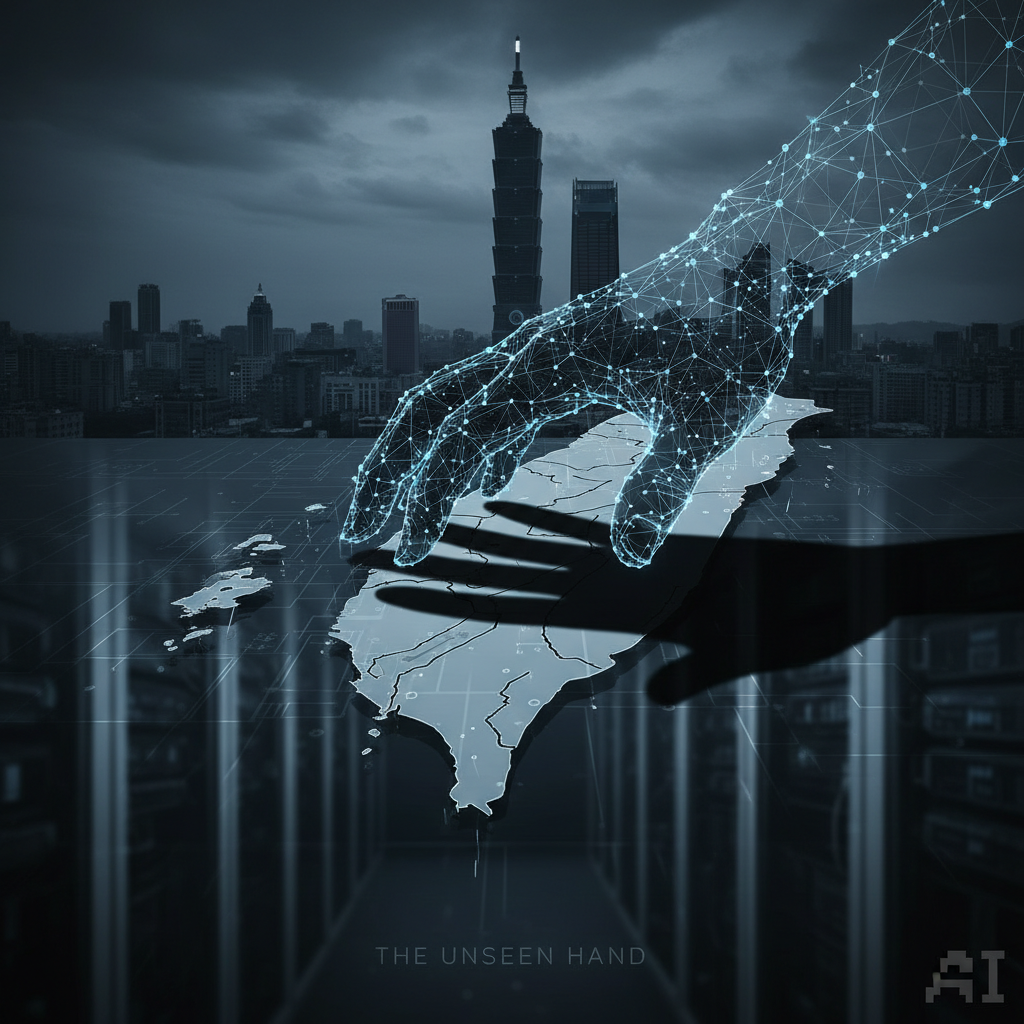
The ongoing geopolitical tensions surrounding TikTok, particularly in the United States, also cast a long shadow over its operations in Europe. While the EU has taken a more regulatory, rather than outright prohibitive, approach, the underlying concerns about data security and potential state influence remain. This is not just about a social media app, it is about the infrastructure of information, and who controls it.
So, what’s next for TikTok and its algorithmic fado in Portugal and across Europe? The dance between innovation and regulation will continue, undoubtedly. ByteDance is investing heavily in local data centers and transparency initiatives, trying to assuage fears and comply with the DSA’s stringent requirements. They are adapting, evolving, much like their algorithms. But the fundamental questions remain: Can an algorithm designed for maximum engagement truly align with the broader societal goals of well-being, privacy, and digital literacy?
Lisbon's tech scene is like a good port wine, complex and improving with age, and it is watching this unfolding drama with keen interest. Our startups are not just building apps, they are building solutions that prioritize ethical AI and user empowerment. The challenge for Europe is to harness the power of these incredible technologies while safeguarding our values and our citizens. It’s a delicate balance, much like walking a tightrope over the Tagus River, but it’s a necessary one. The future of our digital landscape, and perhaps even our societal discourse, depends on it. For more insights into the broader implications of AI, you might find this article on NVIDIA's Trillion Dollar Ascent [blocked] interesting, as it touches on the foundational hardware powering much of this AI revolution. The conversation is far from over, and the algorithmic fado continues to play on.