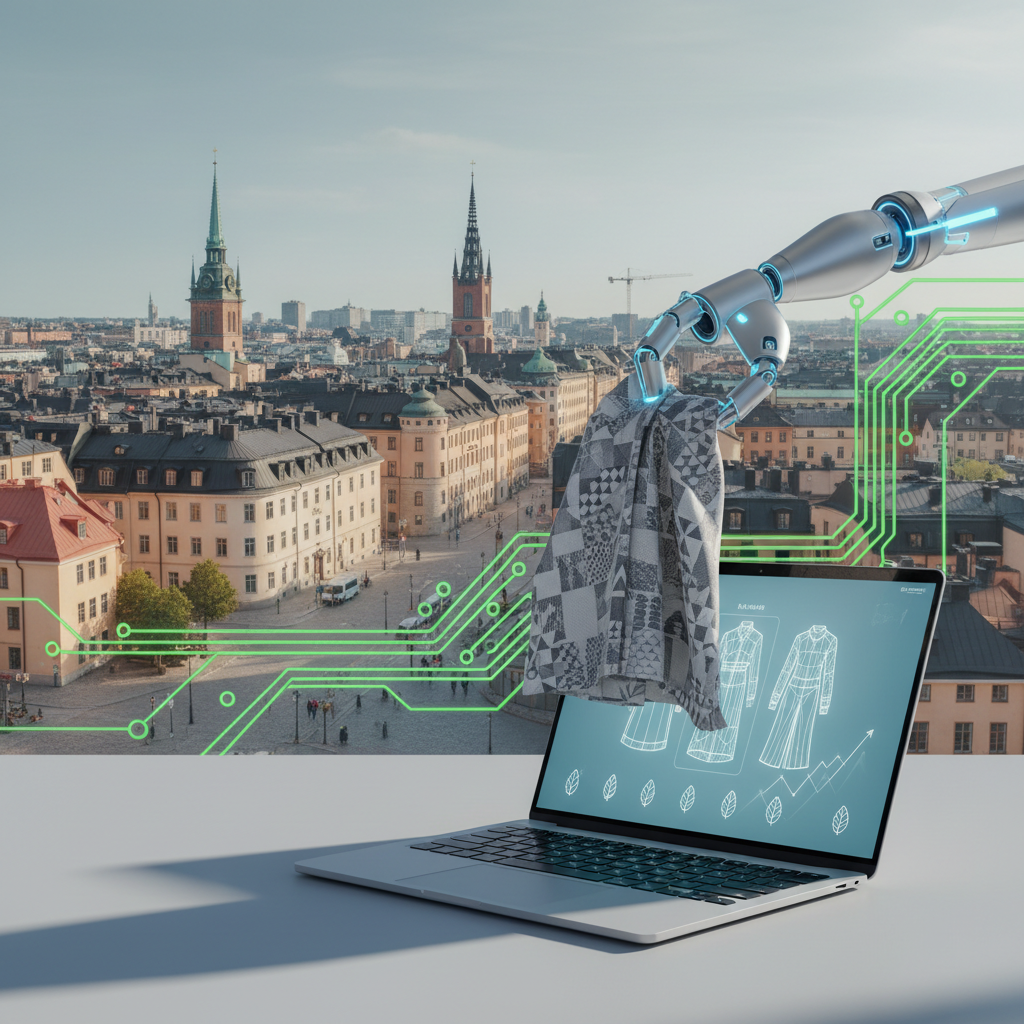

The digital landscape of Romania, once a vibrant tapestry woven by independent artists, writers, and musicians, is increasingly becoming a silent harvest. A new form of exploitation is taking root, one where the intellectual property of our nation's burgeoning creator economy is systematically siphoned off to fuel the insatiable appetites of global artificial intelligence models. This is not a story of empowerment, but of quiet appropriation, a digital clacă where the fruits of labor are taken without fair exchange.
For years, Romania has prided itself on its burgeoning tech sector, a hub for innovation and outsourcing. The narrative has always been one of opportunity, of young, talented individuals leveraging platforms like YouTube, Instagram, and various blogging sites to build independent careers. The Romanian tech boom hides a darker story, however, a narrative of unchecked ambition from Silicon Valley giants and a concerning lack of oversight from our own government. My investigation uncovered a sophisticated, yet often invisible, mechanism through which the creative output of thousands of Romanians is being ingested, analyzed, and synthesized by large language models from companies such as Google and Meta, frequently without explicit, informed consent or equitable remuneration.
How did I find this out? The trail began not with a grand revelation, but with a series of whispers from disgruntled content moderators and data annotators in Bucharest and Cluj-Napoca. These individuals, often working for third-party contractors hired by major tech firms, described a relentless process of categorizing, tagging, and even rewriting snippets of text, images, and audio. They were told these tasks were for