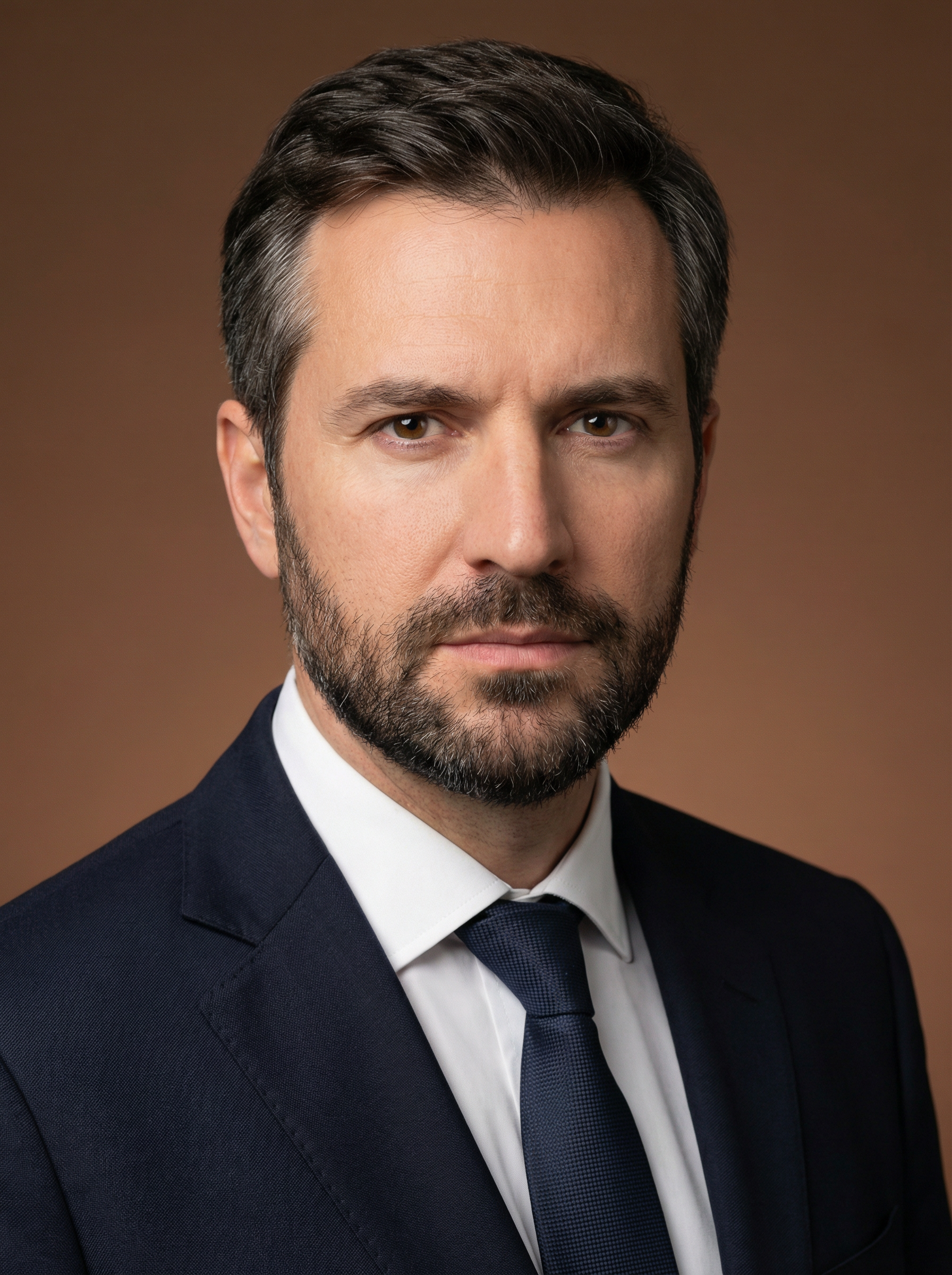
The hum of the old substation in Novi Beograd was a familiar comfort to Dragan Petrović, a veteran engineer at Elektroprivreda Srbije, EPS. He leaned against a control panel, its analog gauges a stark contrast to the sleek, digital interfaces he saw in industry magazines. Outside, the April 2026 sun beat down, threatening to push the grid to its limits. "Every summer, the same story," he muttered, wiping his brow. "Demand spikes, old infrastructure groans. We patch, we pray, and sometimes, the lights flicker." He knew the talk of AI optimizing everything, but here, the reality was often about aging copper and human intuition. Yet, even in this very traditional environment, the whispers of Tesla's Dojo supercomputer and its potential for energy management were starting to penetrate, not as a futuristic dream, but as a practical, if distant, possibility.
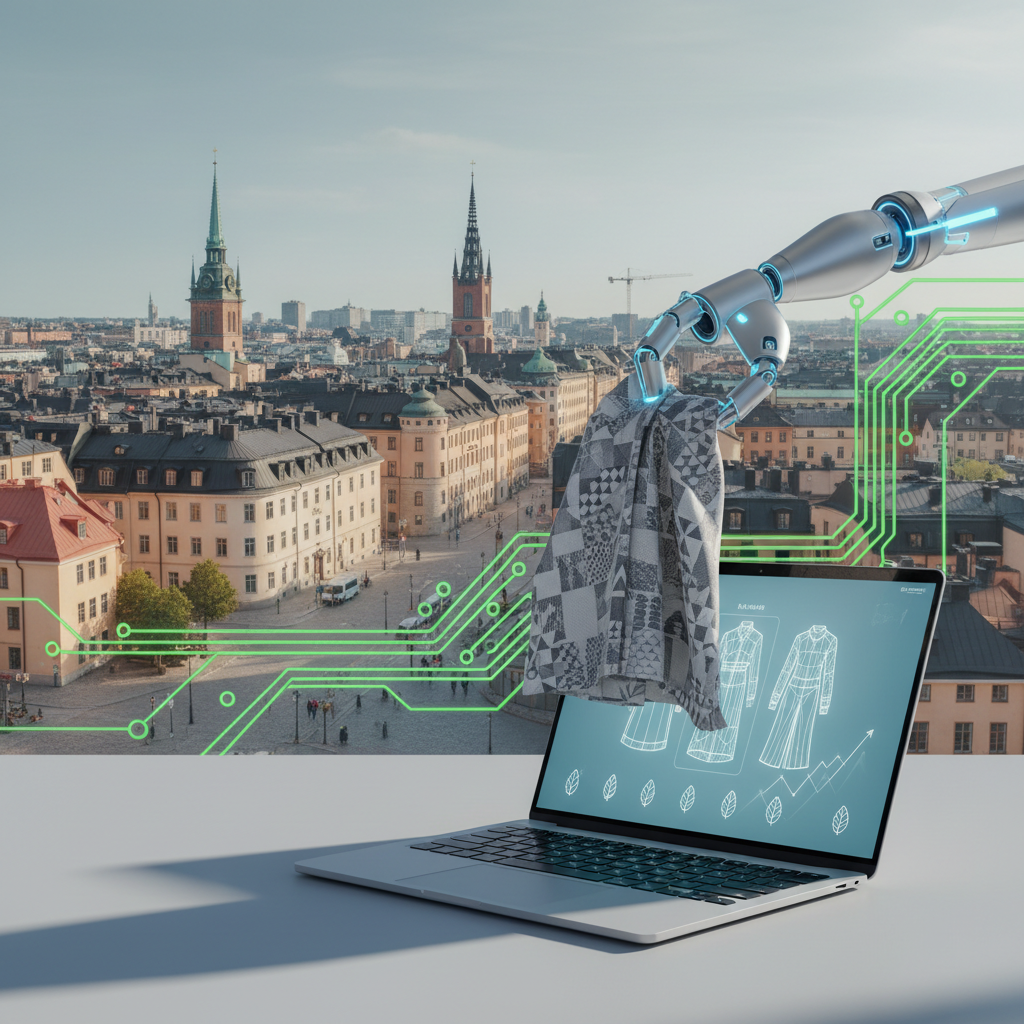
For years, the global tech media has been captivated by Elon Musk's ambitious AI ventures, particularly Tesla's AI Day announcements and the monumental Dojo supercomputer project. Initially focused on autonomous driving, the implications for energy management, particularly grid stability and renewable integration, are now becoming undeniable. The promise is clear: AI that can predict demand with unprecedented accuracy, optimize energy flow, and manage distributed renewable sources like solar and wind farms with dynamic efficiency. But what does this mean for a country like Serbia, with its unique energy challenges and a tech sector that, while growing, often feels a world away from Silicon Valley's hyper-capitalized innovation hubs?
Let's talk about what's actually working, or at least being explored, here. Data from the Serbian Chamber of Commerce and Industry indicates a 15% increase in pilot projects involving AI for energy optimization across various sectors in the past year. While many of these are still small scale, involving local startups and European grants, the interest is tangible. A recent report from the Ministry of Mining and Energy showed that 7% of Serbia's energy utilities are now actively investing in AI-driven predictive maintenance systems, a modest but significant jump from 2% just two years ago. The return on investment, for those who have implemented it, has been promising, with some reporting up to 10% reduction in unplanned outages and a 5% improvement in operational efficiency.
"The Balkans have a different relationship with technology," remarked Ana Kovačević, CEO of EnergoSmart, a Belgrade-based startup specializing in AI solutions for smart grids. Her company, though small, is making waves by developing algorithms that can predict energy consumption patterns in Serbian cities based on weather data, local events, and historical usage. "We cannot just copy paste solutions from Germany or California. Our grid is older, our consumption habits are different, and our regulatory framework is still catching up. What Tesla is doing with Dojo is incredible, but the challenge is adapting that raw power to our specific context, to our 'šljivovica' fueled reality, if you will." EnergoSmart recently secured a €2 million grant from the European Innovation Council to scale its predictive models, aiming to integrate with regional energy trading platforms.
Who are the winners and losers in this evolving landscape? Companies like EnergoSmart, nimble and focused on local needs, are clearly positioned as winners. They are leveraging the global advancements in AI, like those showcased by Tesla, but tailoring them to the specificities of the Serbian market. On the other hand, traditional, state-owned entities like EPS, while showing interest, are slower to adapt. Their legacy infrastructure and bureaucratic hurdles make rapid integration of cutting edge AI a significant challenge. "We have the data, terabytes of it, but it's often siloed, in formats that don't talk to each other," explained Miloš Ilić, a data scientist who recently left EPS for a private sector role. "You cannot just throw Dojo at a problem if your data isn't clean and accessible. It's like having a Ferrari but no paved roads to drive it on." This sentiment highlights a critical bottleneck: the foundational data infrastructure.
Worker perspectives are mixed. For younger engineers and data scientists, the prospect of working with advanced AI is exciting. "It's why I studied electrical engineering," said Jelena Marković, a 28-year-old analyst at a renewable energy firm in Subotica. "To optimize, to make things smarter, cleaner. Tesla's work with Dojo, even if it's not directly here yet, inspires us to push the boundaries of what's possible with our own, smaller scale AI models for solar farm management." However, older workers, like Dragan Petrović, express concerns about job security and the need for retraining. "I've spent 30 years learning this grid, its quirks, its sounds," Dragan mused. "Will a machine replace that intuition? Or will it just make my job easier, letting me focus on the really complex problems? I hope it's the latter, but the training needs to be there, for us, for the next generation."
Expert analysis suggests that the true impact of projects like Dojo on Serbia will be indirect but profound. "Tesla's AI Day announcements, particularly regarding their general-purpose AI capabilities beyond self-driving, are setting a new benchmark for what's achievable in complex system optimization," stated Professor Dragan Jovanović, head of the AI department at the University of Belgrade's School of Electrical Engineering. "While Serbia might not host a Dojo supercomputer tomorrow, the open source contributions, the research papers, and the sheer demonstration of AI's power will accelerate local development. We are already seeing increased student interest in AI for energy applications. Belgrade's tech scene is real, not hype, and it's absorbing these global trends, digesting them, and adapting them for our needs." He pointed to the growing number of AI startups in the city, many founded by former students, as evidence of this organic growth. For more on AI's impact on various industries, see Reuters' technology section.
Looking ahead, the next five years will likely see a significant push for digitalization within Serbia's energy sector. The government, spurred by EU accession goals and climate targets, is expected to introduce more incentives for smart grid technologies and renewable energy integration. This will create a fertile ground for AI applications, even if they are not directly powered by Tesla's colossal hardware. The focus will be on distributed intelligence: smaller, specialized AI models running on edge devices, optimizing local grids and feeding data to central systems. Partnerships between local tech firms and established energy players will be crucial. We might see more collaborations with international giants, perhaps not with Dojo directly, but with cloud-based AI services from companies like Google Cloud or Microsoft Azure, which can leverage similar underlying AI advancements.
Ultimately, the story of Tesla's AI Day and Dojo in Serbia is not about immediate, direct adoption. It's about inspiration, about setting a global bar for AI's potential, and about the ripple effect that pushes local innovators to build their own, context-specific solutions. It is about understanding that while the big players make the headlines, the real work of integration and adaptation happens on the ground, in places like Novi Beograd, where engineers like Dragan Petrović are still keeping the lights on, one optimized kilowatt at a time. The path to a smarter, greener grid in Serbia will be paved not just with advanced algorithms, but with pragmatic engineering and a deep understanding of local realities. The MIT Technology Review often covers these broader implications of AI adoption.
One of the key challenges remains the investment in human capital. "We need more data scientists, more AI engineers, and importantly, more domain experts who understand both energy and artificial intelligence," emphasized Dr. Marija Nikolić, a lead researcher at the Nikola Tesla Institute in Belgrade. "The universities are doing their part, but continuous professional development for existing workforce is paramount. You cannot just buy the technology, you must cultivate the expertise to wield it effectively. This is where Serbia can truly shine, by investing in its people, turning global AI breakthroughs into local, tangible benefits." This human element, often overlooked in the rush for technological marvels, will be the true determinant of how much of Tesla's AI vision can truly power Serbia's future. For deeper dives into AI research and its societal impact, The Verge offers insightful coverage.