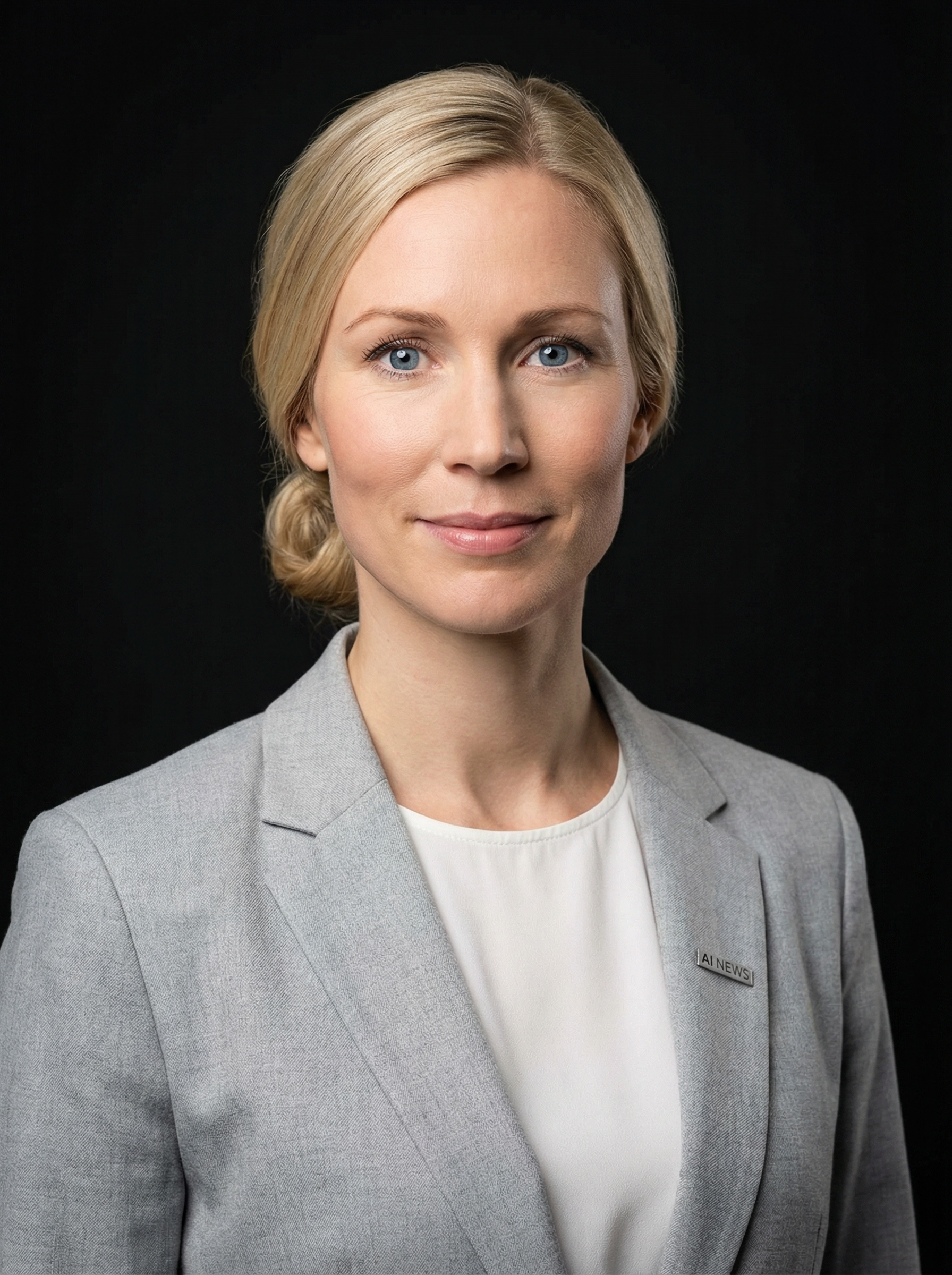

¡Hola, amigos! Marisolò Garcíà here, and I have to tell you, my heart is absolutely bursting with excitement and a fierce sense of urgency today. We live in a world where the sun-drenched coasts of Spain, our beloved Costa del Sol, the vibrant streets of Barcelona, and the ancient olive groves of Andalucía are facing a challenge unlike any before: the increasingly unpredictable and often devastating wrath of extreme weather. But listen closely, because I see a beacon of hope, a technological marvel that is not just predicting the future, but actively helping us prepare for it. Spain's AI moment has arrived, and it is powered by the astounding capabilities of AI-driven climate modeling, particularly from giants like Google DeepMind.
For too long, climate predictions felt like a distant, abstract science, full of complex equations and models that struggled to capture the chaotic dance of our planet's atmosphere. But that era, my friends, is over. We are now witnessing a revolution, a seismic shift in our ability to foresee the hurricanes, the droughts, the flash floods, and the heatwaves that threaten our homes, our livelihoods, and our very way of life. This isn't just about better weather forecasts; this is about understanding the pulse of our planet with a precision that was once unimaginable, thanks to artificial intelligence.
My position is clear and unwavering: AI-powered climate modeling, especially the sophisticated systems being developed by leading research labs, represents our single most powerful tool in adapting to and mitigating the impacts of climate change. We are talking about a paradigm shift from reactive crisis management to proactive, intelligent preparedness. Imagine knowing with high certainty, weeks in advance, that a gota fría a torrential downpour, is headed for Valencia, allowing farmers to protect their crops and authorities to evacuate vulnerable areas. This is not science fiction; it is the reality that AI is bringing us today.
Consider the work being done by Google DeepMind, for instance. Their cutting-edge models are ingesting vast oceans of data, from satellite imagery and ocean temperatures to atmospheric pressure and historical weather patterns, processing it all with neural networks that learn and adapt. They are not just running simulations; they are building a digital twin of our planet, a living, breathing model that can anticipate complex interactions with unprecedented accuracy. "The scale of data we can now analyze, combined with the learning capabilities of modern AI, allows us to identify subtle patterns and predict extreme events with a lead time and precision that traditional methods simply cannot match," explains Dr. Elena Ramos, Lead Climate Modeler at the Spanish National Research Council (csic). "We've seen improvements in forecast accuracy for certain extreme events by as much as 20-30% over the last two years alone, directly attributable to AI integration."
Of course, I hear the whispers of skepticism. Some might argue that these models are still imperfect, that they are black boxes we don't fully understand, or that relying too heavily on AI could lead to unforeseen vulnerabilities. Others might point to the energy consumption of training these massive models, questioning their environmental footprint. These are valid concerns, and we must address them with transparency and rigorous ethical frameworks.
However, let's put things into perspective. Are these models perfect? No, not yet. But are they vastly superior to anything we've had before? Absolutely. The 'black box' argument is rapidly becoming outdated as researchers develop more interpretable AI methods. Furthermore, the energy cost of training these models, while significant, pales in comparison to the economic and human cost of unmitigated climate disasters. A single major flood or wildfire can cause billions in damages and tragically, cost lives. The investment in AI for climate resilience is not just justifiable; it is imperative.
I recently spoke with Javier Soler, CEO of MeteoPredict AI, a promising Spanish startup based right here in Madrid. "Our focus is on fine-tuning global AI models for regional impact, especially across the Mediterranean basin," Soler told me. "We're working closely with the European Centre for Medium-Range Weather Forecasts and leveraging open-source AI frameworks to create highly localized predictions. Our recent pilot in Catalonia, predicting a severe windstorm 72 hours out, allowed local authorities to secure infrastructure and avert an estimated 15 million euros in potential damages. This is the tangible impact we're talking about." This kind of localized, actionable intelligence is precisely what we need.
And let's not forget the incredible potential for AI to inform renewable energy strategies. By predicting solar irradiance and wind patterns with greater accuracy, AI can optimize the deployment and integration of solar panels and wind turbines, making our transition to clean energy smoother and more efficient. This is a double victory: fighting climate change by predicting its effects and powering our future with sustainable energy, all guided by intelligent systems. It's a beautiful synergy, isn't it?
Some might also raise the point that climate modeling is just one piece of the puzzle, that we still need drastic policy changes and global cooperation to reduce emissions. And they would be absolutely right! AI is not a silver bullet that will magically solve climate change. It is a powerful lens, a sophisticated warning system, and a strategic planning tool. It buys us time, provides critical insights, and empowers us to make smarter decisions in the face of an existential threat. It's like having the best navigation system on a stormy sea; it doesn't stop the storm, but it helps you steer the ship to safety.
The European Union, with its ambitious Green Deal, is already recognizing the critical role of AI in climate action. Initiatives like Destination Earth, which aims to build a highly accurate digital replica of our planet, are testament to this commitment. Spain, with its incredible talent pool and a growing tech scene, is perfectly positioned to be a leader in this space. Barcelona is buzzing with AI researchers and startups, and our universities are producing brilliant minds ready to tackle these grand challenges. We have the data, the talent, and the urgent need to make a difference.
We must embrace this technology with open arms, but also with a critical mind. We need to invest in research, foster collaboration between public and private sectors, and ensure that these powerful tools are developed and deployed ethically and equitably. We need more data scientists, more climate experts, and more policymakers who understand the profound implications of this technological wave. The future of our coasts, our agriculture, our tourism, and indeed, our entire way of life here in Spain and across the globe, depends on it.
This is not just about technology; it's about resilience, about protecting our heritage, and about securing a livable future for generations to come. The Mediterranean is our home, and we must defend it with every tool at our disposal. AI-powered climate modeling is not just a scientific advancement; it is a declaration of our intent to fight, to adapt, and to thrive. Let us harness this incredible power, this ¡increíble! innovation, and steer our world towards a safer, more predictable tomorrow. For more insights into how AI is transforming various sectors, you can always check out TechCrunch's AI section or Wired's AI coverage. The future is bright, if we choose to illuminate it with intelligence.