The air in Istanbul always hums with a certain energy, a blend of ancient echoes and a relentless drive towards tomorrow. It is a feeling I carry with me when I look at the global tech landscape, especially when something as transformative as AI intersects with the very human act of creation. We are standing on a precipice, my friends, a moment where the future of art, music, writing, and every form of digital expression hangs in the balance. The question is not if AI will change the creator economy, but how, and whether it will empower the many or enrich the few.
The Headline Development: A Deluge of Digital Creation
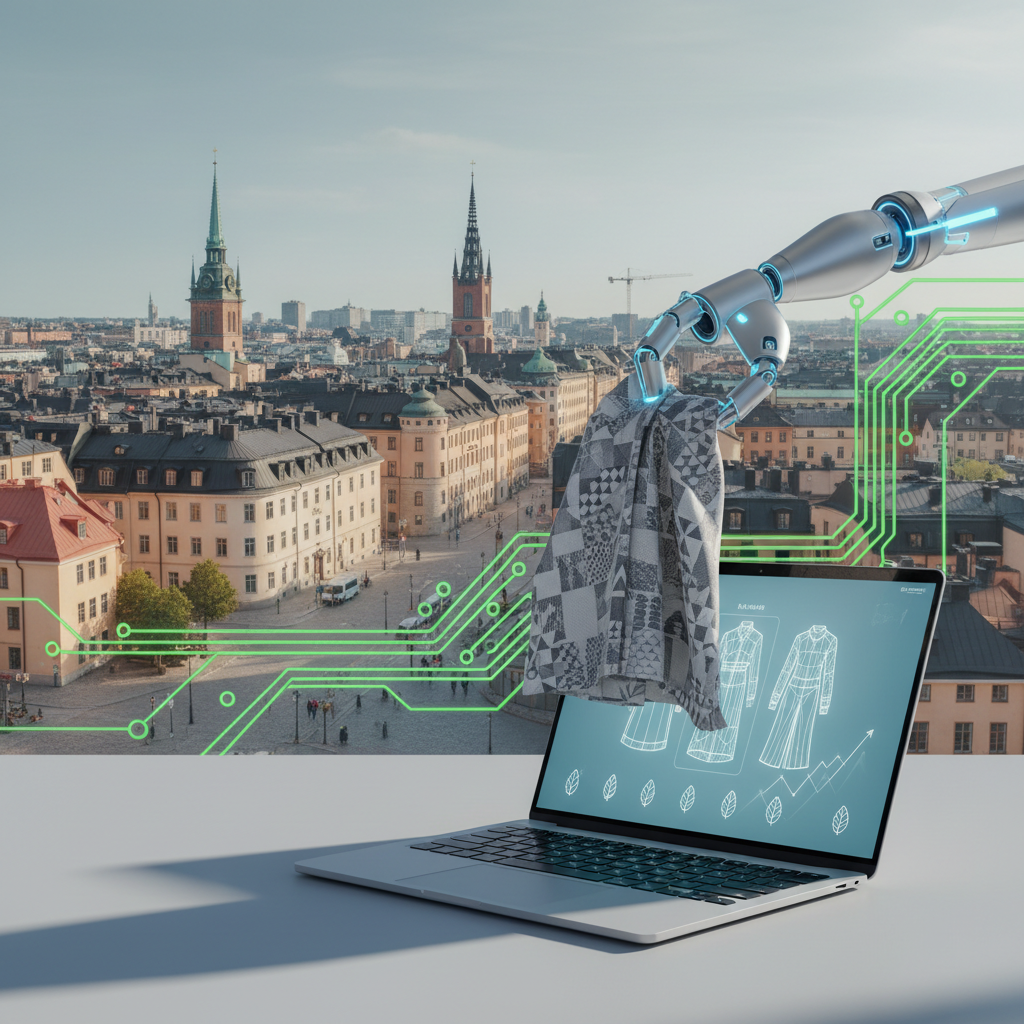
Just look at the past year. OpenAI's Sora, Google's Imagen, Meta's AudioCraft, Adobe's Firefly, and a host of other generative AI models have flooded the market. These tools can conjure images, compose music, write prose, and even animate videos with a few text prompts. They promise to democratize creation, allowing anyone with an idea to become a 'creator' without years of skill acquisition or expensive equipment. We see startups like Runway ML pushing the boundaries of video generation, making Hollywood-level effects accessible to independent filmmakers. The sheer volume of AI-generated content is staggering, and it is only growing. This is not a slow burn, it is an explosion, a digital Big Bang for content creation.
Why Most People Are Ignoring It: The Siren Song of Convenience
Most people, I observe, are too busy marveling at the magic trick. They see a stunning AI-generated image and think, 'How clever.' They hear an AI-composed jingle and think, 'How efficient.' The convenience is seductive, almost hypnotic. The tech giants, with their polished demos and visionary pronouncements, paint a picture of a future where creativity is unleashed, where barriers fall, and everyone can participate. They focus on the 'empowerment' narrative, and it is easy to get swept away. Who would not want to create more, faster, and cheaper? But beneath the shimmering surface of innovation, a deeper current of anxiety and uncertainty flows, particularly among those whose livelihoods depend on their unique creative output. They are asking, 'What about my voice? What about my livelihood? What about my soul?'
How It Affects YOU: Your Art, Your Voice, Your Future
If you are a graphic designer, a freelance writer, a musician, a photographer, or anyone whose income derives from original creative work, this is not abstract. This is personal. Imagine spending years honing your craft, developing a unique style, only to find an AI can replicate something similar in seconds. Will clients still pay for your bespoke creations when a 'good enough' alternative is available at a fraction of the cost, or even for free? We are already seeing platforms where AI-generated art is sold, often without clear attribution or compensation to the artists whose styles and works were used to train these models. Your distinct artistic fingerprint, once your greatest asset, could become a commodity to be mimicked and mass-produced by machines. This is not just about jobs, it is about identity. It is about the value of human ingenuity.
The Bigger Picture: A New Creative Feudalism?
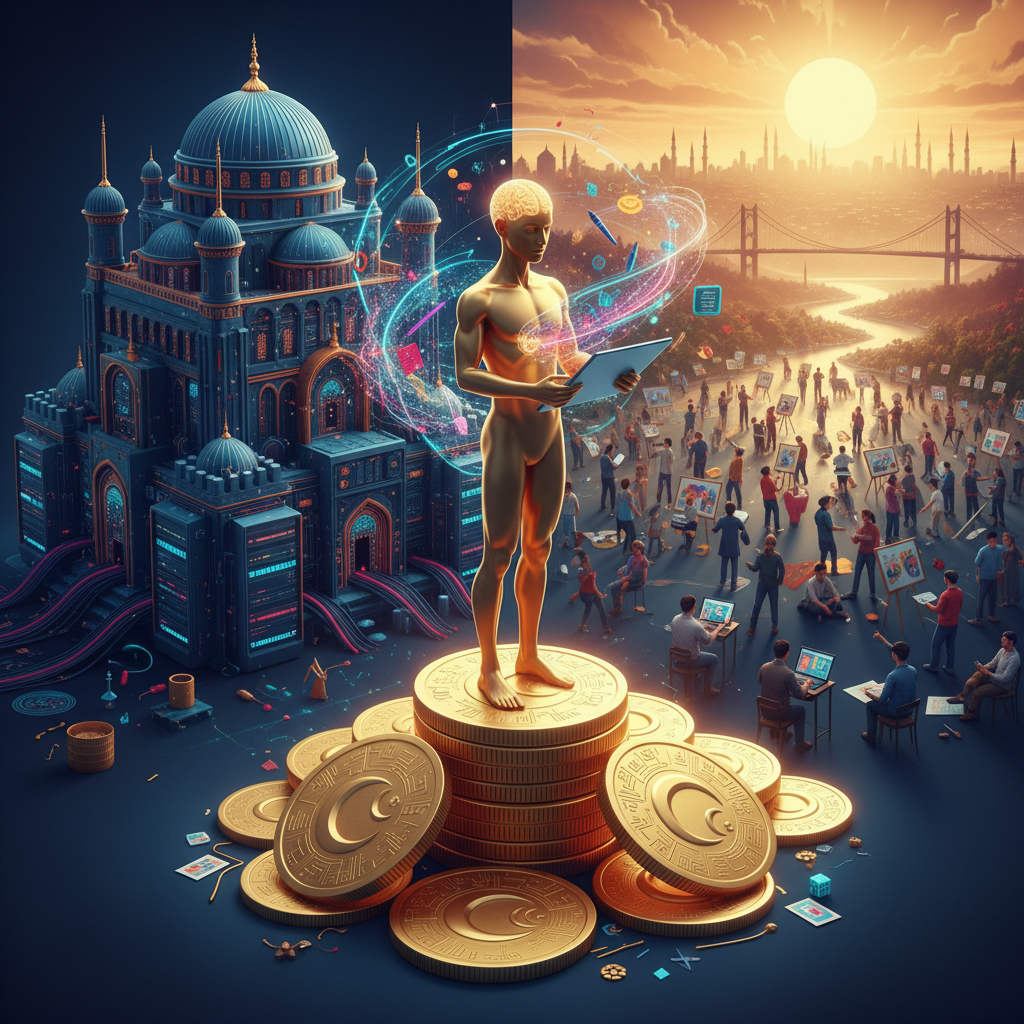
This is where my Turkish perspective kicks in, where I see history repeating itself, albeit in a digital form. The Ottoman approach to AI empire-building, if you will, is not just about technological prowess, but about understanding power dynamics. Will this new era lead to a more equitable distribution of creative power, or will it centralize it further in the hands of those who own the most powerful models and the largest datasets? I fear a creative feudalism, where a few tech behemoths become the digital sultans, owning the means of production for all creative output, while independent creators become digital serfs, toiling for scraps, their unique contributions diluted and devalued. The economic implications are profound. If the value of creative work plummets, entire industries built on human artistry could collapse, leading to widespread unemployment and a cultural landscape homogenized by algorithms. MIT Technology Review has explored this extensively, highlighting the ethical quandaries.
Moreover, the legal and ethical frameworks are lagging far behind the technology. Questions of copyright, intellectual property, and fair use in the age of generative AI are still largely unanswered. Who owns the AI-generated work? The user who prompted it? The company that built the model? The original artists whose work was used for training? These are not trivial questions; they will shape the future of creative commerce for decades to come.
What Experts Are Saying: A Spectrum of Hope and Alarm
There is no consensus, only a vibrant, often heated, debate among leading thinkers.
Sam Altman, CEO of OpenAI, often speaks of AI as a tool for human augmentation. He stated in a recent interview,